• Global CNC market projected to reach $128B by 2028 • New EU trade regulations for precision tooling components • Aerospace deman
NYSE: CNC +1.2%LME: STEEL -0.4%

How much rigidity does a CNC metal lathe really need?
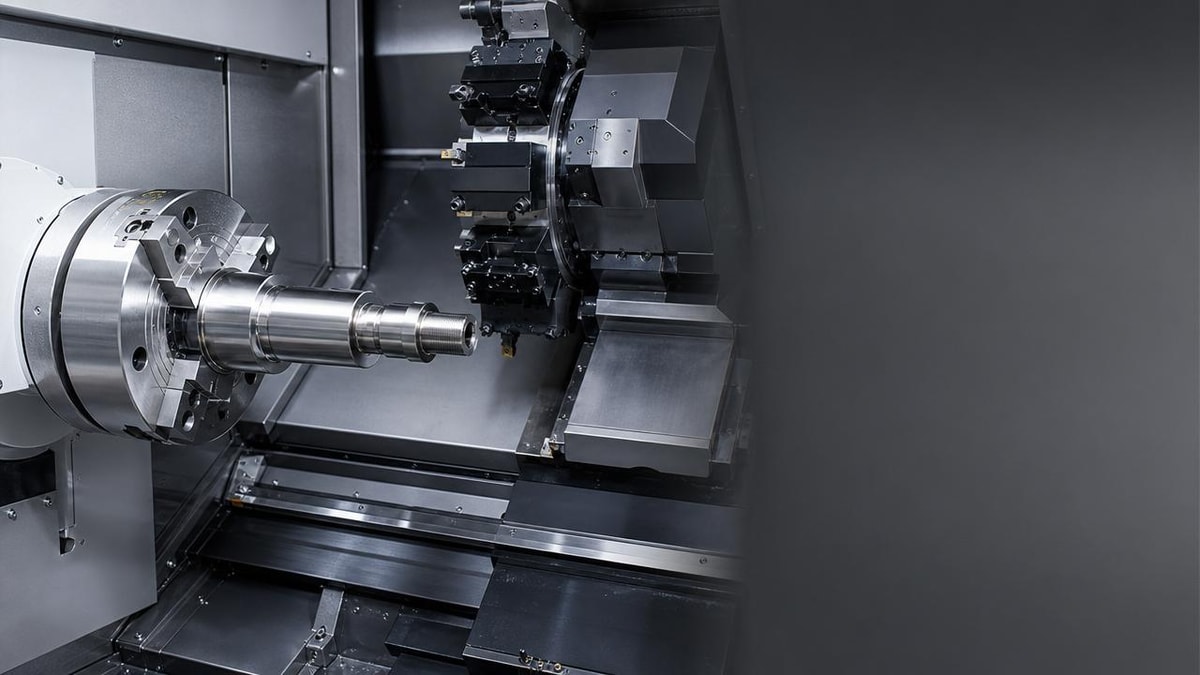
When evaluating a CNC metal lathe, rigidity is more than a specification—it directly affects accuracy, surface finish, tool life, and long-term stability. But how much rigidity is truly necessary depends on the materials, tolerances, cutting loads, and production goals involved. For technical evaluators, understanding this balance is essential to avoid overinvestment while ensuring reliable machining performance.
What rigidity means in a CNC metal lathe
In practical terms, rigidity is a CNC metal lathe’s ability to resist deformation when it is exposed to cutting force, vibration, thermal change, and repeated production stress. A rigid machine does not simply feel heavy. It maintains relative stability between the spindle, turret, toolholder, guideways, and workpiece while metal is being removed. That stability is what allows the machine to hold dimensions, repeat positions, and deliver consistent surface quality over time.
For technical assessment teams, rigidity should be viewed as a system property rather than one isolated feature. Bed casting design, spindle bearing arrangement, servo response, slideway structure, chucking method, tailstock support, and even foundation conditions all influence how a CNC metal lathe behaves under load. A machine can have high spindle power but still underperform if the structural loop from tool tip to workholding is weak.
This matters across modern manufacturing because automated production increasingly depends on predictable machining behavior. In sectors such as automotive, aerospace, energy equipment, and electronics-related precision manufacturing, unstable cutting does not only create scrap. It can also disrupt takt time, raise tool consumption, complicate process validation, and reduce confidence in digital process control.
Why the industry pays close attention to rigidity
The global machine tool industry has been moving toward higher precision, smarter automation, and tighter process integration. In that environment, a CNC metal lathe is no longer judged only by its maximum swing or spindle speed. Evaluators want to know whether the machine can sustain capability across long runs, different materials, and increasingly demanding tolerances.
Rigidity is central because it influences several business-critical outcomes at once. First, it supports dimensional accuracy by limiting elastic deflection during cutting. Second, it improves surface finish by reducing chatter and unwanted tool motion. Third, it extends tool life because a stable cutting zone lowers impact loading and heat concentration. Fourth, it supports process reliability in automated lines, where unattended or lightly attended operation requires predictable machine behavior.
In smart manufacturing environments, these effects become more visible. Data systems can measure spindle load, cycle consistency, and tool wear trends, but they cannot fully compensate for poor machine rigidity. If the structural platform is weak, digital monitoring only reveals the instability more clearly. That is why rigidity remains a foundational consideration even as software, sensors, and automation continue to advance.
How much rigidity is actually necessary
The short answer is that a CNC metal lathe needs enough rigidity to remain stable within the intended cutting envelope, tolerance band, and production rhythm. Beyond that point, extra rigidity may offer diminishing returns relative to cost, floor loading, energy use, and machine complexity. The right level is therefore application-specific.
A shop turning small aluminum parts for moderate tolerances does not require the same structural strength as a line machining alloy steel shafts with interrupted cuts. Likewise, a machine used for occasional prototype work may tolerate a wider process window than one expected to run three shifts on repeat components. Technical evaluators should match rigidity to the real cutting task, not to the most aggressive specification shown in marketing materials.
A useful way to think about the requirement is through four interacting variables: material hardness and toughness, workpiece geometry, removal rate, and tolerance stability. Harder or more difficult materials raise cutting force. Slender parts increase the risk of deflection. High metal removal targets generate larger dynamic loads. Tight tolerance and finish requirements reduce the acceptable level of machine movement. When these factors combine, rigidity becomes a decisive machine attribute rather than a secondary preference.
Key machine elements that determine rigidity
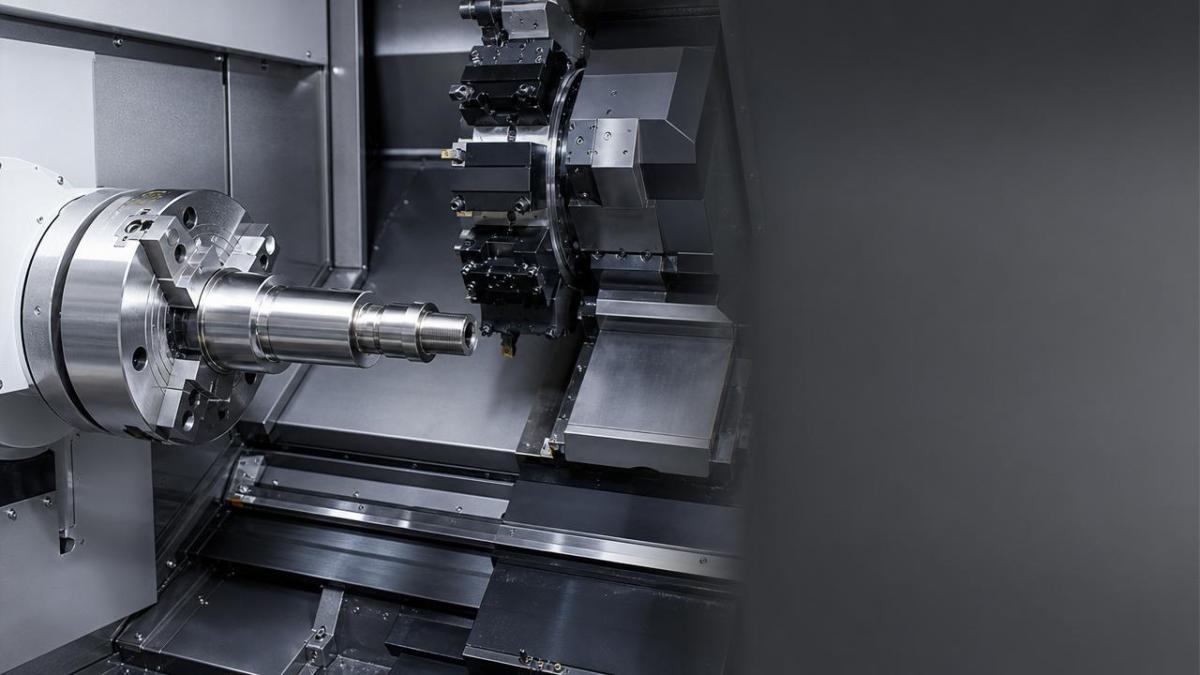
When reviewing a CNC metal lathe, technical evaluators should examine where rigidity comes from in the machine structure. The following elements usually matter most:
- Bed and base construction: Cast iron mass, rib design, and damping behavior help absorb vibration and maintain alignment.
- Spindle system: Bearing size, preload strategy, nose design, and thermal behavior determine how firmly the spindle supports radial and axial loads.
- Turret and tool interface: Weak turret indexing or poor tool clamping can undermine an otherwise solid machine.
- Guideway configuration: Box ways often favor heavy cutting stability, while linear guides can excel in speed but require careful evaluation for load conditions.
- Workholding and support: Chuck quality, hydraulic pressure consistency, tailstock stiffness, and steady rests all affect the full machining loop.
- Thermal and dynamic design: Structural rigidity loses value if heat growth or resonance causes geometry drift during production.
This system view is especially important in integrated production lines. A robust spindle on a weak foundation, or a rigid bed paired with unstable workholding, will not deliver balanced performance. The CNC metal lathe must be evaluated as a complete machining platform.
Typical rigidity needs by application type
Different manufacturing tasks call for different levels of rigidity. The table below provides a practical overview for technical evaluation.
The business value of correctly matched rigidity
Choosing the right CNC metal lathe rigidity level creates operational value in several ways. The first is quality stability. When the machine structure fits the cutting task, process variation narrows and less compensation is needed from operators. That improves first-pass yield and reduces inspection burden.
The second is productivity. A machine with adequate rigidity can support more confident feed and depth-of-cut decisions without entering chatter or excessive tool wear zones. This does not always mean running at the highest possible load. It means having a wider usable process window, which is often more valuable in real production than a short burst of peak performance.
The third is lifecycle economy. An overbuilt CNC metal lathe may increase acquisition and installation costs without meaningful gains for light-duty applications. On the other hand, an under-rigid machine can create hidden losses through scrap, rework, downtime, and unstable capability. For evaluators, the target is not maximum rigidity at any price. It is sufficient rigidity with measurable return in the intended production scenario.
Common evaluation mistakes to avoid
A frequent mistake is equating machine weight with total rigidity. Mass helps, but geometry, load path design, damping, and component integration often matter just as much. Another mistake is assessing rigidity only through no-load positioning accuracy. A CNC metal lathe can test well in static movement checks yet behave differently under real cutting force.
Evaluators also sometimes focus too narrowly on one representative part. That can lead to a machine choice optimized for today’s job but poorly suited to future process expansion. Since many manufacturers now serve diverse customers and variable order sizes, it is wise to consider likely material changes, automation plans, and tolerance evolution over the machine’s service life.
Finally, ignoring the surrounding process can distort rigidity judgment. Tool grade, insert geometry, coolant delivery, fixture quality, and operator strategy all influence cutting stability. A CNC metal lathe should be evaluated in the context of the actual manufacturing system, not as an isolated catalog item.
Practical assessment approach for technical evaluators
A sound evaluation process usually begins with the part family. Review material types, workpiece length-to-diameter ratios, roughing versus finishing balance, tolerance distribution, and annual production volume. Then map those requirements to the machine’s structural and dynamic capability. This is more reliable than starting from a generic machine ranking.
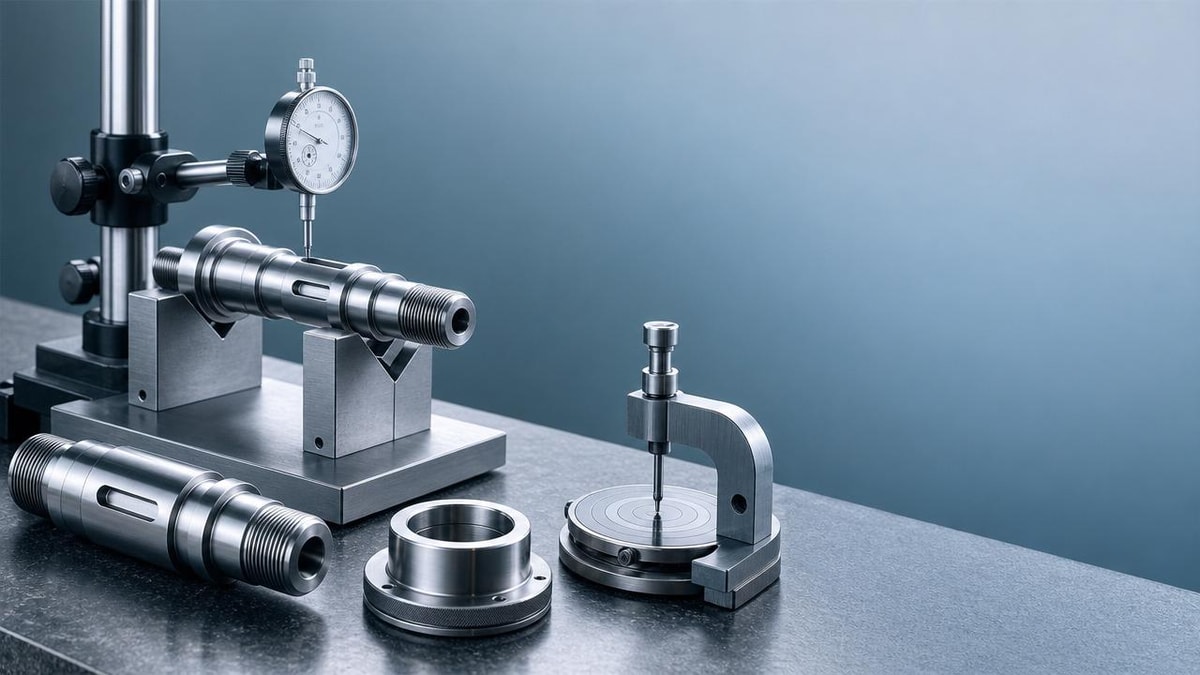
Next, request evidence under load. Useful data may include trial cuts, roundness and cylindricity results, chatter behavior across speed ranges, tool life comparison, spindle load trend consistency, and thermal drift over shift-length operation. For an automated line, look at repeatability after multiple cycles and tool index events, not only one-off demonstration results.
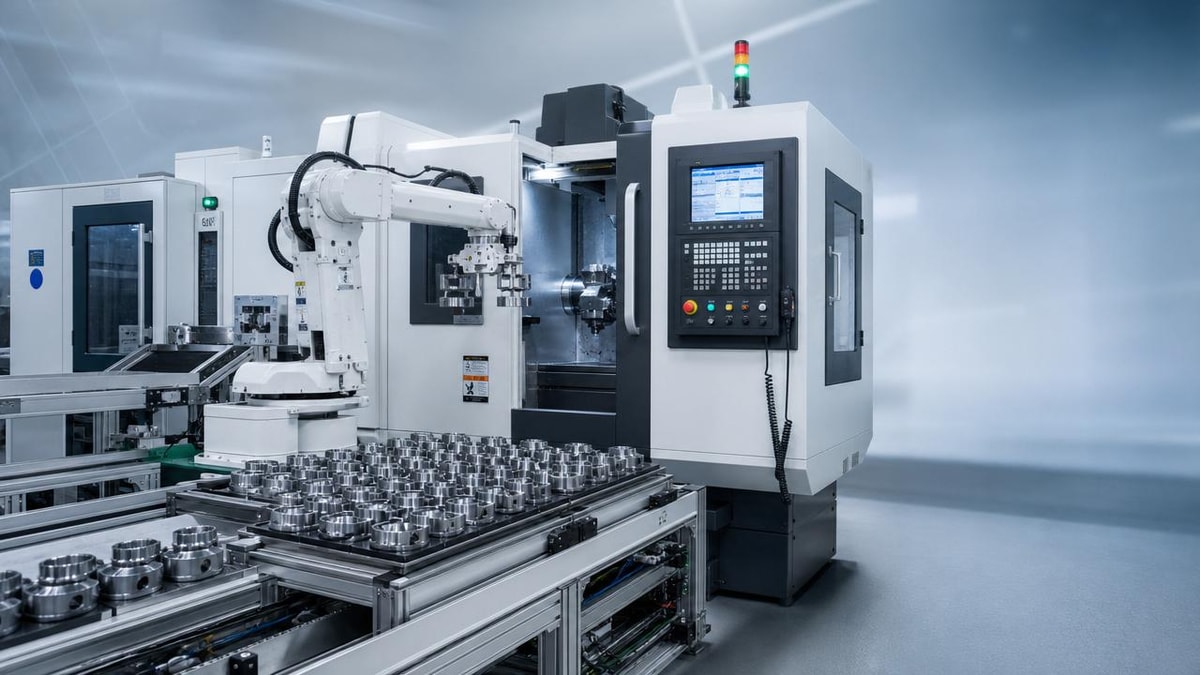
It is also advisable to assess future compatibility. If the CNC metal lathe may later connect with robots, bar feeders, in-process gauging, or flexible production systems, the chosen rigidity level should support that transition. Stable machining becomes even more important when human intervention is reduced.
Conclusion: enough rigidity to secure performance, not excess for its own sake
A CNC metal lathe really needs enough rigidity to maintain accuracy, finish, tool life, and process confidence under its real operating conditions. For some applications, that means a heavy-duty structure built for difficult materials and aggressive stock removal. For others, it means a well-balanced machine with strong thermal control and repeatable precision rather than extreme mass.
For technical evaluators in modern manufacturing, the best decision comes from matching rigidity to application reality, automation goals, and long-term production economics. When the structural capability of the CNC metal lathe aligns with the part mix and process strategy, the result is not only better machining performance but also a more resilient manufacturing investment. If your team is comparing machine platforms, use rigidity as a practical performance criterion tied to parts, loads, and production outcomes—not as a standalone number.
PREVIOUS ARTICLE
NEXT ARTICLE
Recommended for You
 Industrial Robotics payback depends on more than labor savingsManufacturing Market Research Center
 Shaft Parts machining problems that show up after final inspectionCNC Machining Technology Center
 Which Production Process changes bring the fastest output gains?CNC Machining Technology Center
 Industrial Automation projects fail when integration is underestimatedCNC Machining Technology Center
 CNC metal cutting costs rise fast when material data is wrongCNC Machining Technology Center
 High precision lathe claims to verify before accepting deliveryMachine Tool Industry Editorial Team

Aris Katos
Future of Carbide Coatings
15+ years in precision manufacturing systems. Specialized in high-speed milling and aerospace grade alloy processing.
▶
How much rigidity does a CNC metal lathe really need?Machine Tool Industry Editorial Team▶
When does an automated lathe start saving real labor time?Machine Tool Industry Editorial Team▶
CNC Metal Lathe Selection Mistakes That Increase Rework RatesMachine Tool Industry Editorial Team▶
Vertical Lathe Limits to Check Before Taking Larger WorkpiecesMachine Tool Industry Editorial Team▶
Choosing a Metal Lathe for Mixed Materials Without OverspendingMachine Tool Industry Editorial Team
Mastering 5-Axis Workholding Strategies
Join our technical panel on Nov 15th to learn about reducing vibrations in thin-wall components.

Providing you with integrated sanding solutions
Before-sales and after-sales services
Comprehensive technical support