• Global CNC market projected to reach $128B by 2028 • New EU trade regulations for precision tooling components • Aerospace deman
NYSE: CNC +1.2%LME: STEEL -0.4%

Metal Lathe vs CNC Upgrade: When Retrofitting Still Works
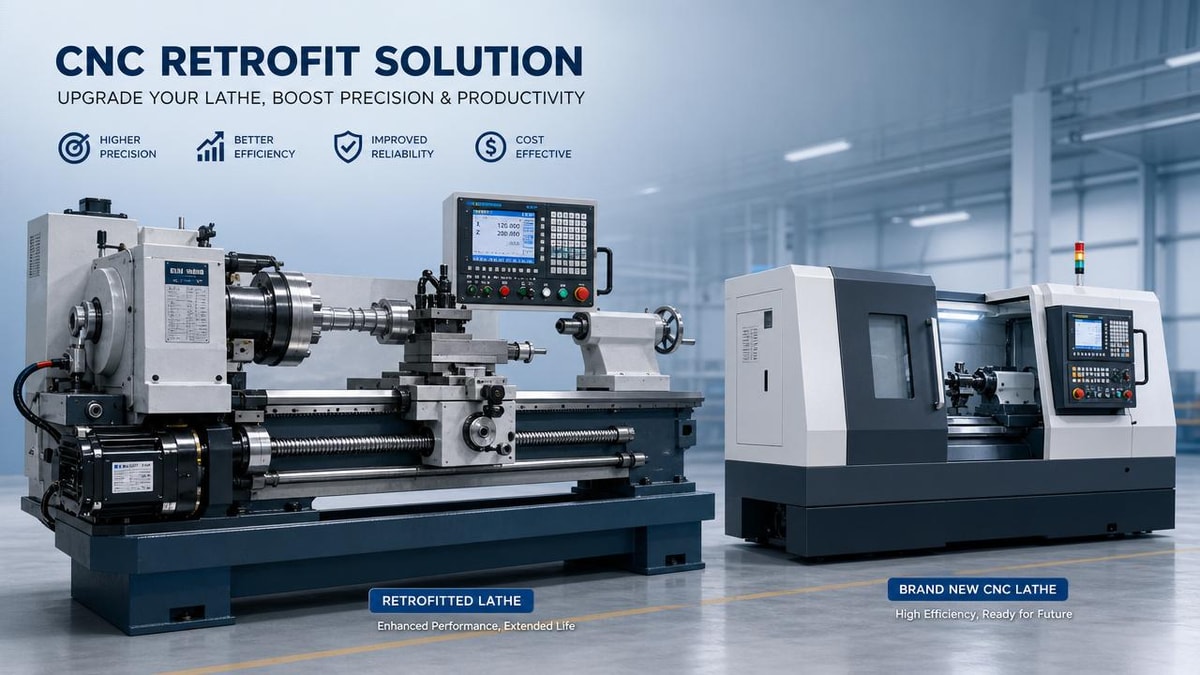
For business evaluators weighing a legacy metal lathe against a CNC upgrade, the real question is not age but return on capability. In some cases, retrofitting still delivers a practical path to higher accuracy, better control, and lower capital risk. This article examines when upgrading existing equipment makes financial and operational sense, and when full replacement is the smarter investment.
Why is the metal lathe retrofit question still relevant in modern manufacturing?
A traditional metal lathe is often seen as outdated once CNC production becomes the benchmark for repeatability, traceability, and labor efficiency. Yet in many workshops, a solid cast-iron machine base, proven spindle assembly, and familiar mechanical structure still hold real value. For business evaluators, the issue is not whether CNC is better in theory, but whether an existing metal lathe can be upgraded to deliver enough of that value without triggering the cost and disruption of full replacement.
This matters across the broader manufacturing sector because demand patterns are changing. Suppliers serving automotive, aerospace support chains, energy equipment, industrial repair, electronics fixtures, and custom components often need a mix of precision and flexibility. Not every plant requires a new high-end turning center for every application. In low-to-medium volume work, prototype runs, repair machining, and secondary operations, a retrofitted metal lathe can remain commercially useful if its capability aligns with the actual job mix.
From an investment viewpoint, retrofit projects attract attention when capital budgets are tight, lead times for new equipment are long, or facility constraints make a new machine difficult to install. A retrofit can also extend asset life while improving control systems, servo motion, and operator usability. However, the phrase “CNC upgrade” covers a wide range of outcomes, from basic digital readout and motor control improvements to near-complete machine reengineering. That is why evaluators need a structured way to judge whether the original metal lathe is still a productive base or merely a sunk-cost distraction.
What does a CNC upgrade for a metal lathe usually include?
A CNC retrofit does not mean the same thing in every project. In practical terms, it usually combines mechanical, electrical, and software changes to improve positioning accuracy, automation, and consistency. The exact scope determines both the achievable result and the risk profile.
Typical upgrade elements include replacing manual feed systems with ball screws, adding servo motors, installing a CNC controller, integrating spindle speed control, updating lubrication systems, and improving safety circuits. Some retrofits also add encoders, tool position feedback, enclosure modifications, and simple automation interfaces. In more ambitious cases, the project may involve turret integration, hydraulic support systems, or basic networking for production monitoring.
For evaluators, the key distinction is between a control upgrade and a machine capability upgrade. A control upgrade improves how the metal lathe is operated. A capability upgrade improves what the machine can reliably produce. If the spindle, bed geometry, slides, and structural stiffness are already compromised, even a modern CNC package cannot convert weak hardware into a competitive production asset.
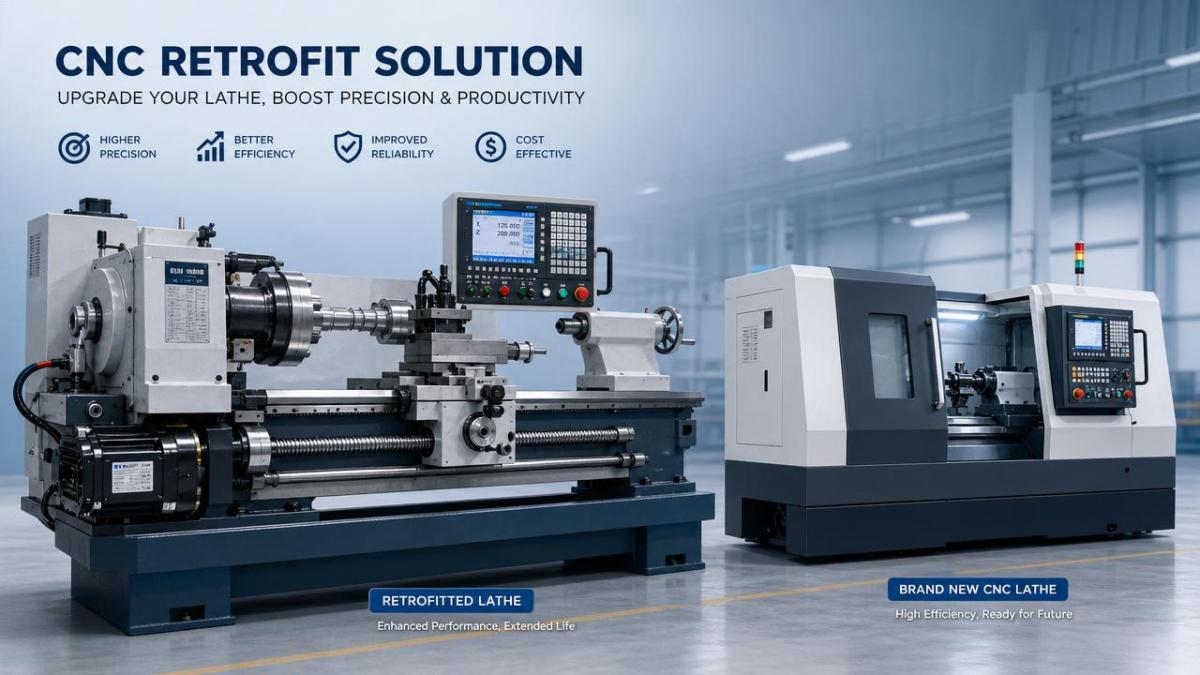
When does retrofitting a metal lathe still make financial sense?
Retrofitting makes the most sense when the existing machine has a strong mechanical foundation and the production requirement does not justify the cost of a new CNC lathe. This often applies to heavy-duty legacy machines built with robust castings, where rigidity remains good and wear is measurable but manageable. If the machine can hold acceptable geometry after inspection and only lacks modern control and feed systems, the economics can work well.
A retrofit is also attractive when the target workload is stable and well defined. For example, if a supplier produces repeat shaft work, maintenance parts, bushings, sleeves, or moderate-tolerance turned components, a retrofitted metal lathe may achieve enough performance to improve throughput without overbuying capacity. In such cases, the return comes from reduced scrap, shorter setup time, less dependence on highly skilled manual operators, and extended use of existing assets.
There are also strategic reasons. Some facilities need an interim productivity upgrade while waiting for a larger plant modernization phase. Others want to increase digital capability at lower risk before committing to a new automated line. In export-oriented or cost-sensitive manufacturing environments, preserving a productive metal lathe through retrofit can help balance cash flow and utilization targets.
The best retrofit cases usually share five traits: sound machine structure, available technical support, predictable part families, realistic tolerance requirements, and a clear payback model. Without those conditions, the project can drift into underperformance and hidden cost.
When is buying a new CNC machine the smarter investment?
A new CNC machine is usually the better choice when the legacy metal lathe has fundamental mechanical wear, inadequate rigidity, persistent thermal instability, or poor spindle health. If bed wear, backlash, alignment issues, or vibration are severe, retrofitting becomes an attempt to digitize a weak platform. That rarely delivers the precision, uptime, or repeatability expected in today’s production environments.
Replacement is also smarter when the business case depends on high-volume output, demanding tolerances, unattended cycles, or future automation integration. Modern CNC lathes are designed as complete systems, not as add-on control packages. They typically offer better enclosure design, chip management, thermal compensation, diagnostics, networking, and support for automation cells. For manufacturers serving sectors such as aerospace supply, critical automotive components, or precision industrial assemblies, those system-level benefits may outweigh the higher upfront price.
Another warning sign is when retrofit cost approaches a large share of a new machine price while still leaving major uncertainties unresolved. Business evaluators should be cautious if a supplier proposes extensive rebuilding, custom fabrication, electrical redesign, and software integration on a very old metal lathe. That combination can create commissioning delays, maintenance complexity, and single-source dependence for spare parts or support.
How should business evaluators compare retrofit versus replacement?
The strongest evaluations move beyond purchase price and focus on usable capability per invested dollar. A metal lathe retrofit should be judged against the output required over the next three to five years, not against a generic wish list. This means comparing both options across productivity, quality, risk, supportability, and strategic fit.
Start with application fit. What materials are being cut? What is the typical part envelope? What tolerance band actually drives customer acceptance? How many setup changes occur each week? If the current or expected product mix includes mostly straightforward turning work with limited complexity, a retrofitted metal lathe may cover the need. If future contracts require multi-axis capability, live tooling, or advanced process monitoring, a replacement path is more defensible.
Then examine total operational impact. New machines often reduce maintenance burden and improve service support, but they may also require layout changes, operator retraining, and larger capital approval cycles. Retrofits can preserve familiarity and shorten adoption time, yet may carry a higher debugging burden during startup. Evaluators should model downtime risk during installation and the cost of missed deliveries if ramp-up takes longer than planned.
What are the most common mistakes when assessing a metal lathe upgrade?
One common mistake is assuming that adding CNC automatically creates modern precision. In reality, a metal lathe retrofit can only perform as well as the mechanical platform allows. If decision-makers focus on controller features while ignoring spindle runout, slide wear, or structural fatigue, the project may underdeliver from day one.
A second mistake is using only acquisition cost as the comparison metric. The cheaper option is not always the lower-cost option over time. Hidden expenses often include engineering adaptation, alignment work, software tuning, unplanned downtime, spare part sourcing, and dependence on niche technicians. New machines also have hidden costs, but they are usually more visible during procurement.
A third error is failing to define the target process window. Evaluators sometimes approve a retrofit because the machine “only needs better control,” without documenting actual part tolerance, cycle time expectations, material hardness range, or finish requirements. Without that baseline, acceptance becomes subjective and disputes increase.
Finally, some teams ignore support life. A metal lathe upgrade should include clear documentation, electrical diagrams, control backup procedures, and access to future service. A lower-priced retrofit that cannot be maintained properly may create more risk than a standard new machine with broader supplier support.
What should be checked before approving a retrofit project?
Before approving any metal lathe retrofit, business evaluators should insist on a technical and commercial checklist. This step converts a general idea into a decision with measurable assumptions. At minimum, the machine should undergo mechanical inspection for bed condition, spindle integrity, alignment, backlash, lubrication status, and vibration behavior under load. If possible, test cuts should be documented.
Next, define the production objective in business terms. Is the goal to reduce setup time, replace a retiring manual operator, improve repeatability, add digital programming, or support a new product line? Different goals justify different retrofit depths. A partial upgrade may be enough for productivity improvement, while a full motion-control conversion is needed for repeatable batch production.
The supplier side also matters. Evaluators should confirm retrofit scope boundaries, warranty terms, commissioning timeline, training plan, spare parts policy, and post-installation support. Ask whether similar metal lathe conversions have already been delivered and what measurable results were achieved. Proven references reduce execution uncertainty.
It is equally important to compare the retrofit option against a realistic replacement quote, not an abstract estimate. When both scenarios are costed with installation, tooling adaptation, training, and expected maintenance, the decision becomes more transparent. This side-by-side view often reveals whether the retrofit is a transitional asset strategy or a genuine long-term production solution.
How should companies move forward if they need a practical next step?
If a company is deciding between preserving a metal lathe and moving directly to a new CNC platform, the best next step is not to debate age alone. It is to gather enough evidence to estimate capability, risk, and payback with discipline. In many cases, retrofitting still works because the machine base remains valuable and the production target is narrow, stable, and commercially realistic. In other cases, replacement wins because the business needs more than improved control; it needs a stronger process platform for growth, automation, and quality assurance.
For business evaluators, the most useful questions to raise in early discussions are straightforward: What parts will this machine actually run? What tolerance and finish level must it sustain over time? How much downtime can the plant absorb during implementation? What is the true cost difference after installation and support? How long will the upgraded metal lathe remain competitive in the planned production mix? And which option better supports future digital manufacturing goals?
If those answers are clear, the decision becomes less about old versus new and more about value versus risk. If further confirmation is needed on technical scope, expected cycle improvement, retrofit feasibility, delivery period, quotation structure, or cooperation model, those are the priority topics to discuss before approving either a CNC upgrade or a replacement investment.
PREVIOUS ARTICLE
Recommended for You
 CNC Milling Capacity Gaps Can Hurt Small Batch ProfitabilityManufacturing Market Research Center
 Industrial Robotics Payback Is Changing in Mid-Size PlantsManufacturing Market Research Center
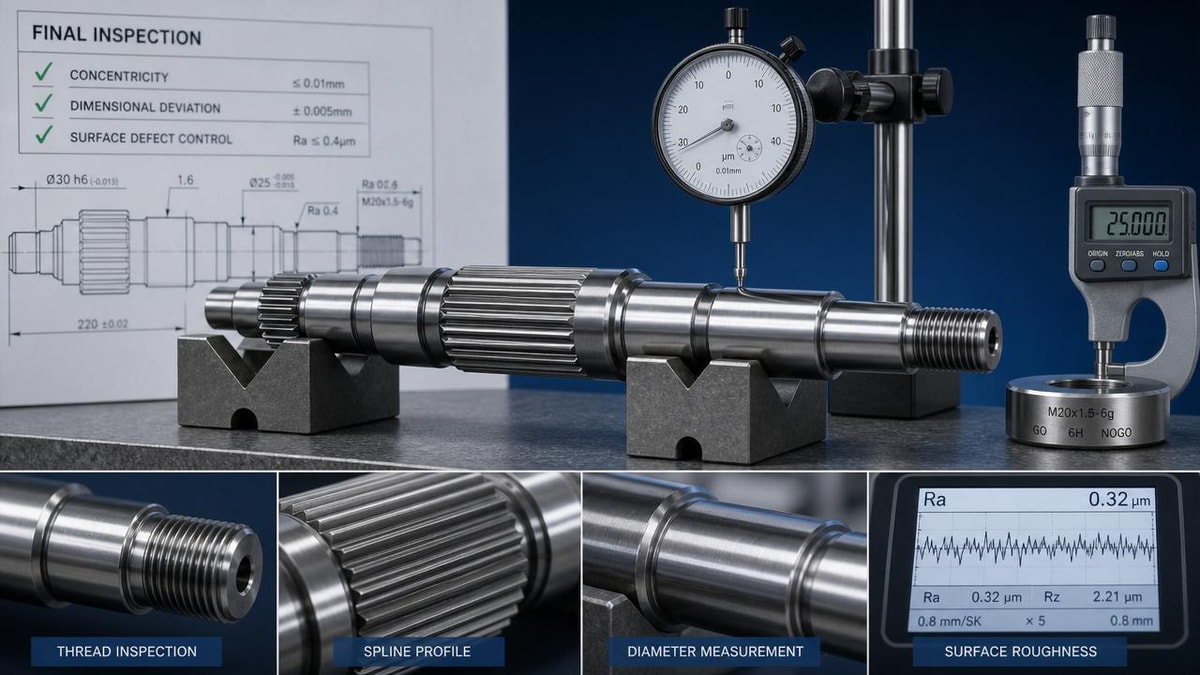
 Shaft Parts Machining Problems That Show Up at Final InspectionCNC Machining Technology Center
 Production Process Delays Usually Start Before Machining BeginsCNC Machining Technology Center
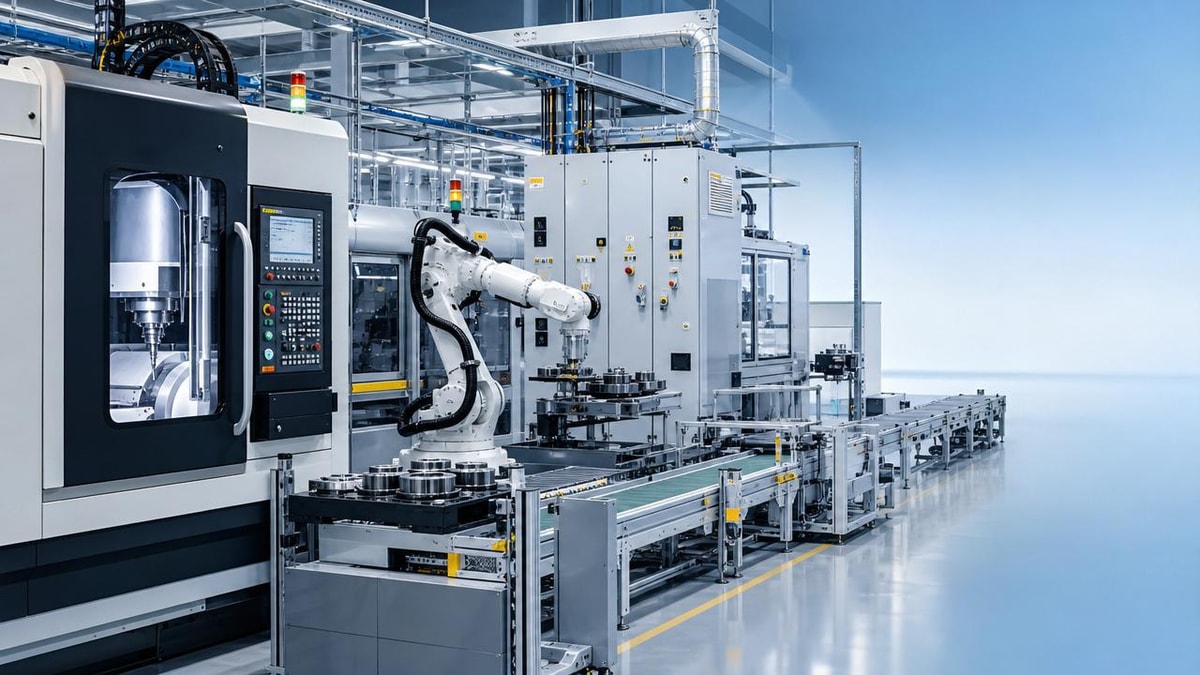
 Industrial Automation Projects Often Miss This Integration StepCNC Machining Technology Center
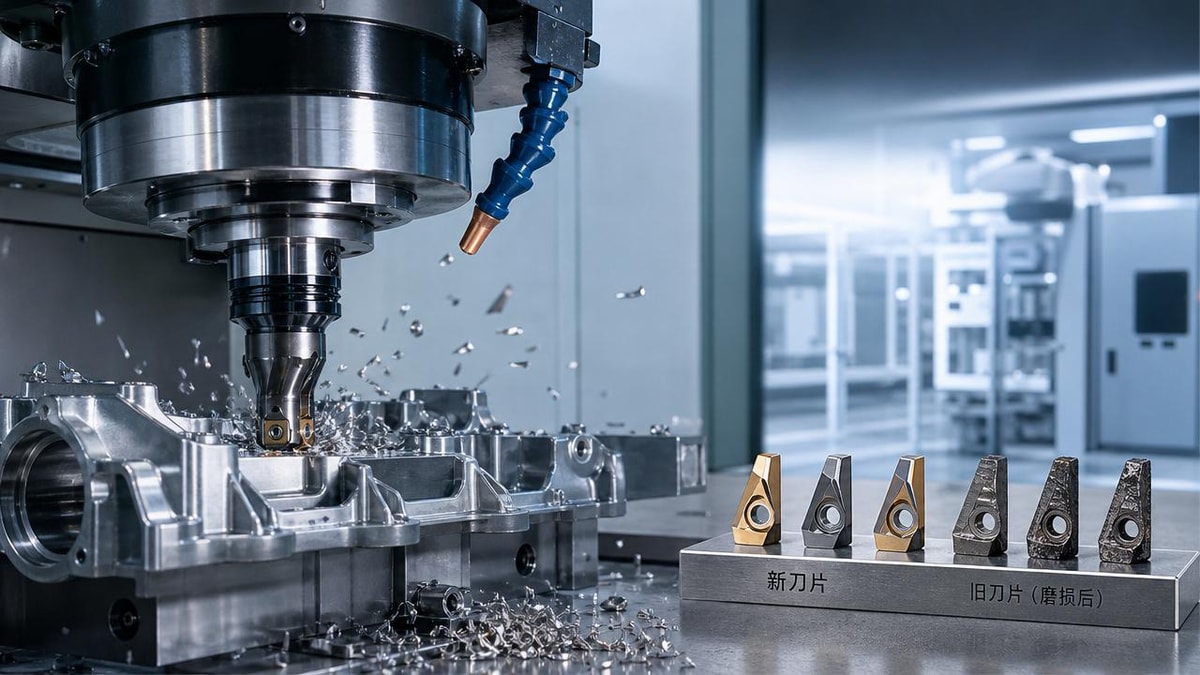
 CNC Metal Cutting Tool Wear Is Costing More Than You ThinkCNC Machining Technology Center

Aris Katos
Future of Carbide Coatings
15+ years in precision manufacturing systems. Specialized in high-speed milling and aerospace grade alloy processing.
▶
CNC Metal Lathe Choices That Affect Delivery SpeedMachine Tool Industry Editorial Team▶
Vertical Lathe Limits to Check Before Large-Part OrdersMachine Tool Industry Editorial Team▶
Metal Lathe vs CNC Upgrade: When Retrofitting Still WorksMachine Tool Industry Editorial Team▶
How much rigidity does a CNC metal lathe really need?Machine Tool Industry Editorial Team▶
When does an automated lathe start saving real labor time?Machine Tool Industry Editorial Team
Mastering 5-Axis Workholding Strategies
Join our technical panel on Nov 15th to learn about reducing vibrations in thin-wall components.

Providing you with integrated sanding solutions
Before-sales and after-sales services
Comprehensive technical support