• Global CNC market projected to reach $128B by 2028 • New EU trade regulations for precision tooling components • Aerospace deman
NYSE: CNC +1.2%LME: STEEL -0.4%

Are CNC Industrial Machines Getting Easier to Maintain?
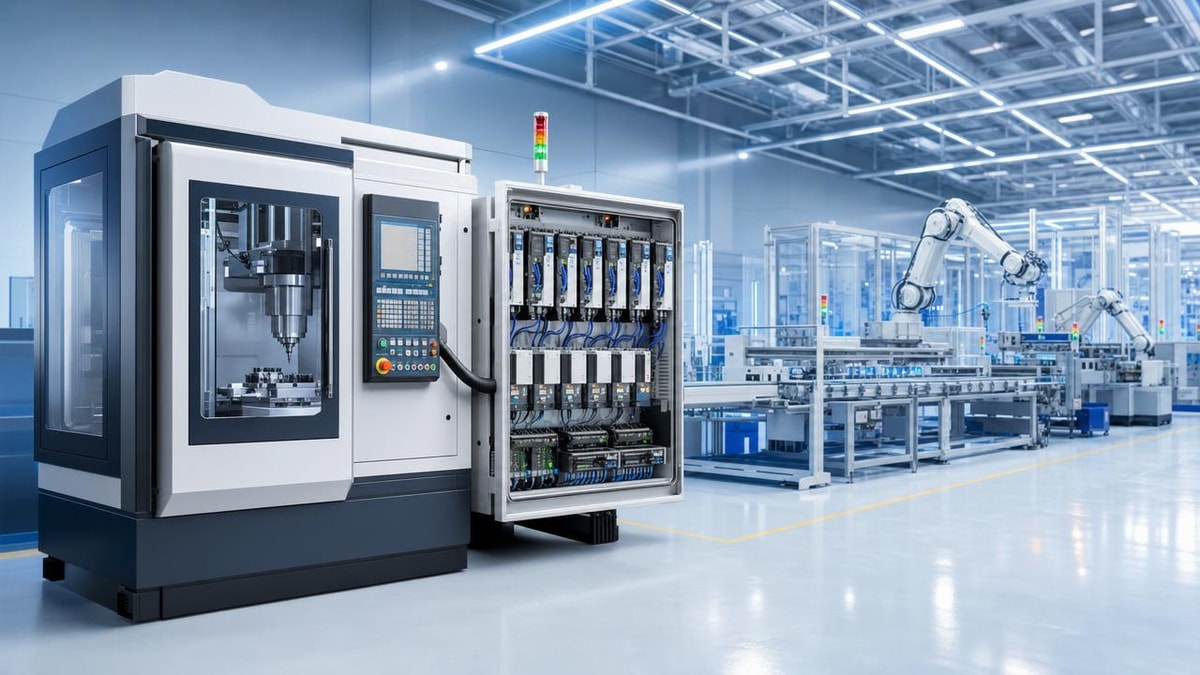
As automation advances, many technicians are asking whether CNC industrial machines are actually becoming easier to maintain. For after-sales maintenance teams, the answer lies in smarter diagnostics, modular components, and better digital support. Understanding these changes can help reduce downtime, improve service efficiency, and keep modern CNC equipment running at peak performance.
Why Maintenance Ease Depends on the Application Scenario
The question is not simply whether CNC industrial machines are easier to maintain in general. The more useful question for after-sales service teams is: easier to maintain in which operating environment, for what production target, and under what support conditions? A compact CNC lathe in a parts workshop, a multi-axis machining center in aerospace production, and an automated cell connected to robots do not create the same maintenance reality.
In today’s global manufacturing landscape, machine builders are integrating condition monitoring, servo alarms, remote access, and replaceable modules into new equipment. These features can make CNC industrial machines faster to diagnose and less disruptive to service. However, the benefits are not automatic. In some scenarios, digital complexity reduces mechanical troubleshooting time but increases software dependence. In others, modular design improves parts replacement but requires stronger spare-parts planning.
For after-sales maintenance personnel, the real value comes from matching maintenance methods to actual use cases. This is especially important in automotive, aerospace, electronics, energy equipment, and flexible manufacturing environments, where uptime requirements, machine loads, shift patterns, and operator skill levels vary significantly.
What Has Changed in Modern CNC Industrial Machines
Compared with older machine tools, modern CNC industrial machines are designed with serviceability in mind more often than before. Builders increasingly understand that maintenance cost affects buying decisions, warranty performance, and customer loyalty. As a result, several design trends are reshaping the service experience for after-sales teams.
- Integrated diagnostics with alarm histories, sensor feedback, and guided fault trees
- Modular electrical cabinets, spindle units, lubrication systems, and servo assemblies
- Remote monitoring platforms that allow faster pre-visit analysis
- Improved human-machine interfaces that show maintenance prompts and service intervals
- Predictive maintenance functions based on vibration, load, temperature, or cycle data
These upgrades can reduce downtime, but they also shift technician responsibilities. Mechanical skills remain critical, yet service teams now also need stronger abilities in controller logic, network settings, software backup, and data interpretation. In other words, many CNC industrial machines are easier to maintain physically, but not always simpler overall.
Scenario Comparison: Where Maintenance Is Becoming Easier—and Where It Is Not
The following comparison helps after-sales maintenance personnel judge how maintenance conditions change across common manufacturing settings.
This comparison shows a practical truth: CNC industrial machines often become easier to maintain when the service environment is standardized, data-rich, and well supported. They become harder to maintain when multiple systems interact and fault causes spread across mechanics, controls, sensors, and production software.
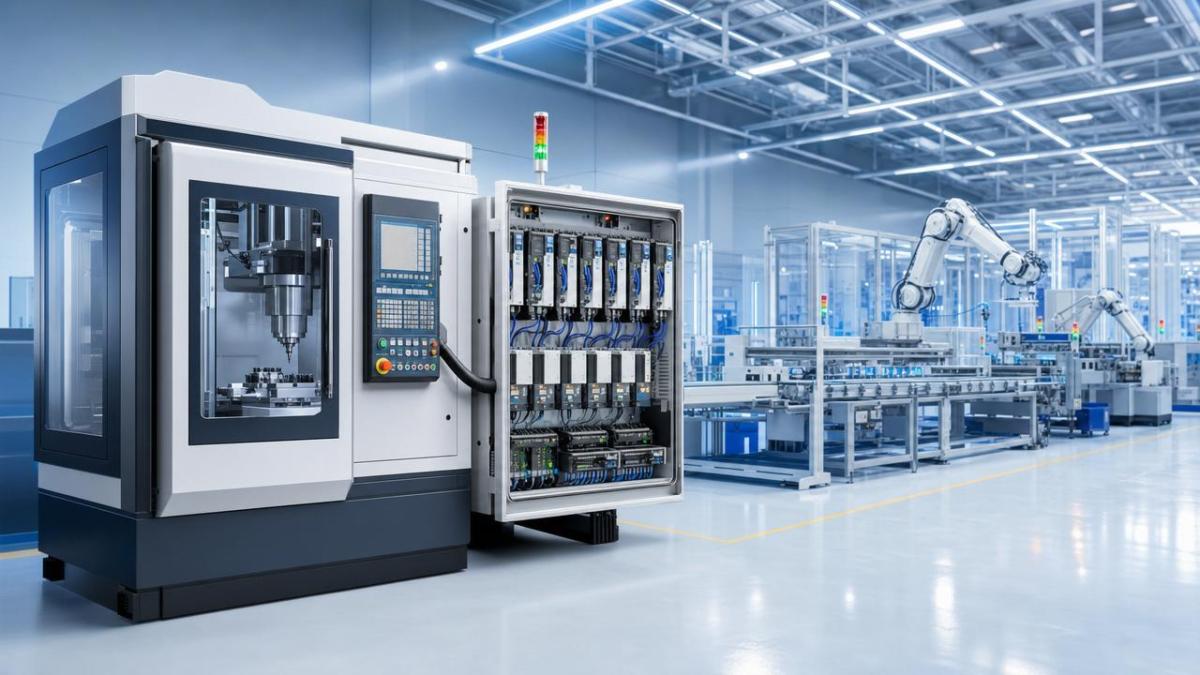
Typical Maintenance Scenarios for After-Sales Teams
1. Single-Machine Workshops: Easier Access, Limited Digital Support
In smaller workshops using standalone CNC lathes or machining centers, after-sales personnel often benefit from simpler machine layouts and direct access to the problem area. Maintenance can be easier because there are fewer interdependencies with robots, conveyors, or central software systems. If a coolant pump fails, a servo trips, or lubrication pressure drops, the cause may be isolated quickly.
However, these users may not maintain detailed logs, backups, or alarm history. Operators may also have inconsistent habits around cleaning, warm-up, or tool setup. In this scenario, CNC industrial machines are easier to service mechanically, but not always easier to support systematically. After-sales teams should focus on practical training, visual inspection routines, and basic preventive schedules.
2. High-Volume Production Lines: Better Standardization, Higher Pressure
In automotive or large-scale component manufacturing, machine fleets are often highly standardized. This helps after-sales technicians because the same spindle, servo, controller, or lubrication layout may exist across many units. Repeatable faults are easier to categorize, and spare-parts planning becomes more efficient.
Yet the pressure is much higher. A small fault on one CNC industrial machine can stop an entire linked process. Service teams need rapid fault confirmation, accurate root-cause identification, and immediate coordination with production supervisors. In this setting, easy maintenance is defined less by machine design alone and more by how quickly support teams can restore uptime without causing secondary quality issues.
3. High-Precision Industries: More Data, More Verification Work
Aerospace and advanced mold manufacturing often use multi-axis CNC industrial machines with high demands for contour accuracy, thermal stability, and spindle performance. These machines may offer excellent diagnostics, compensation functions, and condition monitoring. On paper, they are easier to maintain because they report more information.
But after replacing a component, technicians may need to perform ball-bar checks, backlash verification, axis calibration, geometric compensation, and process confirmation before the machine returns to production. The service process is therefore better informed, but not necessarily shorter. This scenario favors highly trained after-sales teams with precision recovery skills, not just part replacement experience.
4. Smart Factories: Remote Visibility, New Sources of Failure
Smart manufacturing environments are where the maintenance story changes the most. Connected CNC industrial machines can send alarms, load trends, spindle data, and maintenance reminders to central dashboards. This lets service teams analyze conditions before arriving on site, improving first-time fix rates.
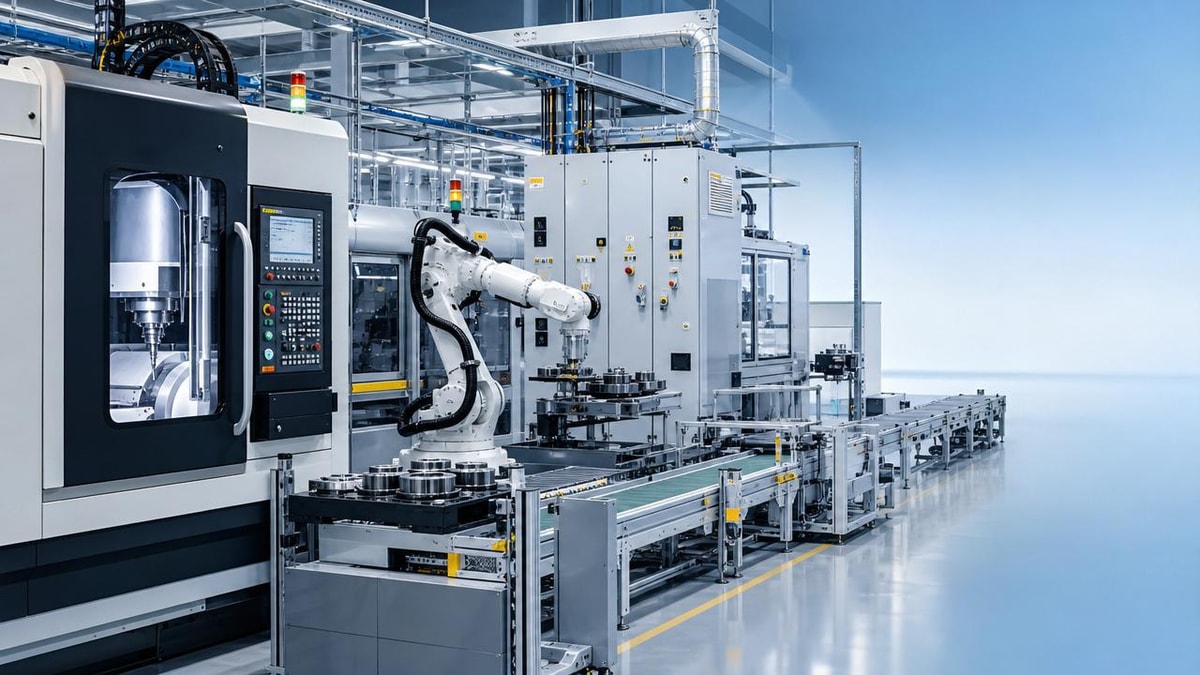
At the same time, machine faults may now involve PLC logic, industrial Ethernet, robot handshake signals, barcode systems, or MES connections. A machine may appear healthy from a mechanical standpoint but still stop due to communication loss or parameter mismatch. In this scenario, maintenance becomes easier in visibility, but more complex in fault boundaries. After-sales personnel need cross-functional troubleshooting skills.
How Needs Differ by Customer Type and Operating Conditions
Not every customer expects the same service outcome from CNC industrial machines. Maintenance ease depends heavily on business model, staffing, and production rhythm.
- Small manufacturers: Need simple service instructions, affordable consumables, and quick-response support.
- Large OEM plants: Need standardization, traceability, uptime guarantees, and predictable spare-part supply.
- Job shops: Need flexible maintenance that supports frequent program changes and varied materials.
- Export-oriented factories: Need multilingual documentation, remote support, and globally available components.
- 24/7 operations: Need predictive alerts, redundant planning, and maintenance windows built around production shifts.
For after-sales maintenance teams, this means the same model of CNC industrial machines can feel easy to maintain for one customer and difficult for another. The machine itself matters, but service readiness around the machine matters just as much.
How to Judge Whether a Machine Is Truly Easier to Maintain
Technicians should avoid judging maintenance ease only by looking at brand reputation or control interface appearance. A better evaluation uses scenario-based criteria.
- Can faults be isolated by alarm history, sensor status, and guided diagnostics?
- Are common wear components modular and accessible?
- Is documentation clear enough for local service teams?
- Can parameters, ladder data, and machine settings be backed up easily?
- Is remote support available, secure, and practical for urgent service cases?
- Are spare parts local, interchangeable, or tied to long lead times?
- After maintenance, how difficult is accuracy recovery and production restart validation?
These checkpoints give a more realistic picture than marketing claims. For many CNC industrial machines, easier maintenance is the result of system design plus support ecosystem, not a single hardware feature.
Common Misjudgments in Real Service Scenarios
One common mistake is assuming that more automation always means less maintenance effort. In reality, automation often changes maintenance work rather than reducing it. A robotic loading cell may lower manual handling problems but introduce sensor alignment, interlock, and communication checks.
Another misjudgment is treating diagnostic screens as a substitute for technician experience. Modern CNC industrial machines can display fault codes clearly, but root cause may still involve contamination, thermal drift, cable fatigue, or inconsistent operator practice. Data speeds up analysis, but it does not replace disciplined inspection.
A third issue is underestimating preventive work. Many avoidable service calls still come from poor coolant management, neglected lubrication, dirty electrical cabinets, and unstable air supply. Even the most advanced CNC industrial machines perform poorly when routine care is weak.
Practical Recommendations for After-Sales Maintenance Teams
If your goal is to support modern CNC industrial machines more effectively, focus on a scenario-based service strategy rather than a one-size-fits-all approach.
- Build fault libraries by industry scenario, such as automotive repeat alarms, aerospace calibration issues, or smart factory communication losses.
- Separate emergency response procedures from precision recovery procedures.
- Train teams in both electromechanical repair and digital troubleshooting.
- Encourage customers to maintain service logs, backups, and consumable replacement records.
- Standardize pre-visit information collection to improve first-time resolution.
In many plants, the difference between difficult and manageable maintenance is not the machine alone, but how well the service workflow is prepared around it.
FAQ: What After-Sales Personnel Usually Want to Know
Are newer CNC industrial machines always easier to maintain?
Not always. They are often easier to diagnose and faster to repair in common fault situations, but they may require stronger software, network, and calibration skills.
Which scenario benefits most from easier maintenance features?
High-volume production environments benefit the most because standardized machines, remote diagnostics, and modular components directly reduce costly downtime.
What should be checked before promising faster service?
Confirm spare-parts availability, parameter backup access, machine history, operator feedback, and whether the issue affects only the machine or also connected automation systems.
Final Takeaway for Scenario-Based Decision Making
So, are CNC industrial machines getting easier to maintain? In many real-world cases, yes—but only when viewed through the right application scenario. For standalone machines, easier access and modular repairs can help. For mass production, standardization and remote diagnostics bring major gains. For precision industries and smart factories, maintenance becomes more informed, but also more specialized.
For after-sales maintenance personnel, the best approach is to evaluate CNC industrial machines by production context, support ecosystem, and recovery requirements. If you match service methods to customer scenarios, you can reduce downtime, improve troubleshooting accuracy, and deliver more reliable long-term support. Before judging whether a machine is easy to maintain, first ask what kind of manufacturing environment it serves—and what that environment demands from your team.
PREVIOUS ARTICLE
Recommended for You
 CNC Milling Capacity Gaps Can Hurt Small Batch ProfitabilityManufacturing Market Research Center
 Industrial Robotics Payback Is Changing in Mid-Size PlantsManufacturing Market Research Center
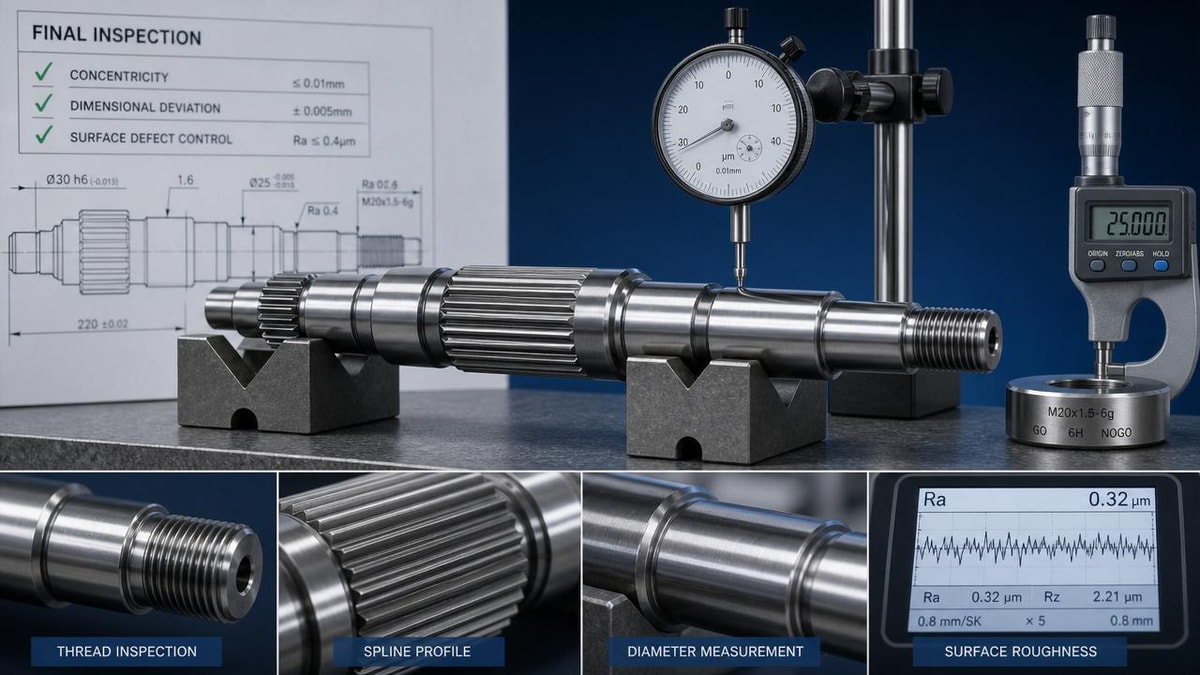
 Shaft Parts Machining Problems That Show Up at Final InspectionCNC Machining Technology Center
 Production Process Delays Usually Start Before Machining BeginsCNC Machining Technology Center
 Industrial Automation Projects Often Miss This Integration StepCNC Machining Technology Center
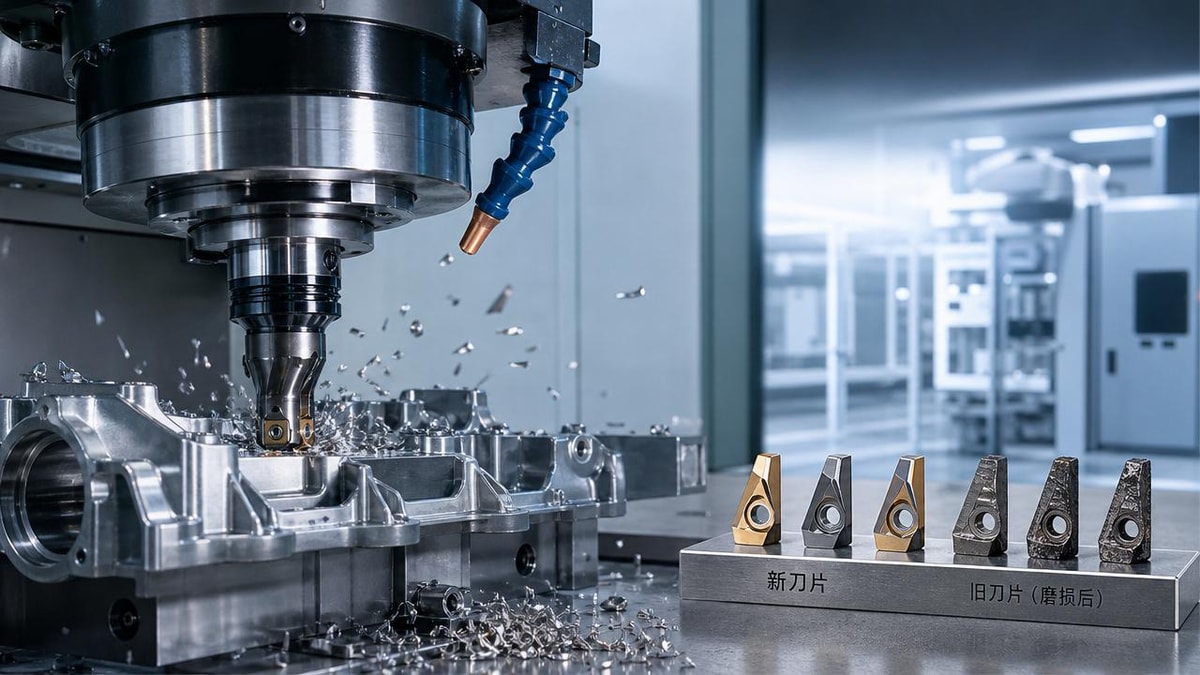
 CNC Metal Cutting Tool Wear Is Costing More Than You ThinkCNC Machining Technology Center

Aris Katos
Future of Carbide Coatings
15+ years in precision manufacturing systems. Specialized in high-speed milling and aerospace grade alloy processing.
▶
Precision Equipment Failures Often Start with Small VibrationsMachine Tool Industry Editorial Team▶
Are CNC Industrial Machines Getting Easier to Maintain?Machine Tool Industry Editorial Team▶
How Industrial CNC Affects Tolerance Stability Over TimeMachine Tool Industry Editorial Team▶
High precision lathe claims to verify before accepting deliveryMachine Tool Industry Editorial Team▶
Precision equipment calibration issues that quietly raise scrap ratesMachine Tool Industry Editorial Team
Mastering 5-Axis Workholding Strategies
Join our technical panel on Nov 15th to learn about reducing vibrations in thin-wall components.

Providing you with integrated sanding solutions
Before-sales and after-sales services
Comprehensive technical support