• Global CNC market projected to reach $128B by 2028 • New EU trade regulations for precision tooling components • Aerospace deman
NYSE: CNC +1.2%LME: STEEL -0.4%

Industrial Lathe Selection Problems in Heavy Part Turning
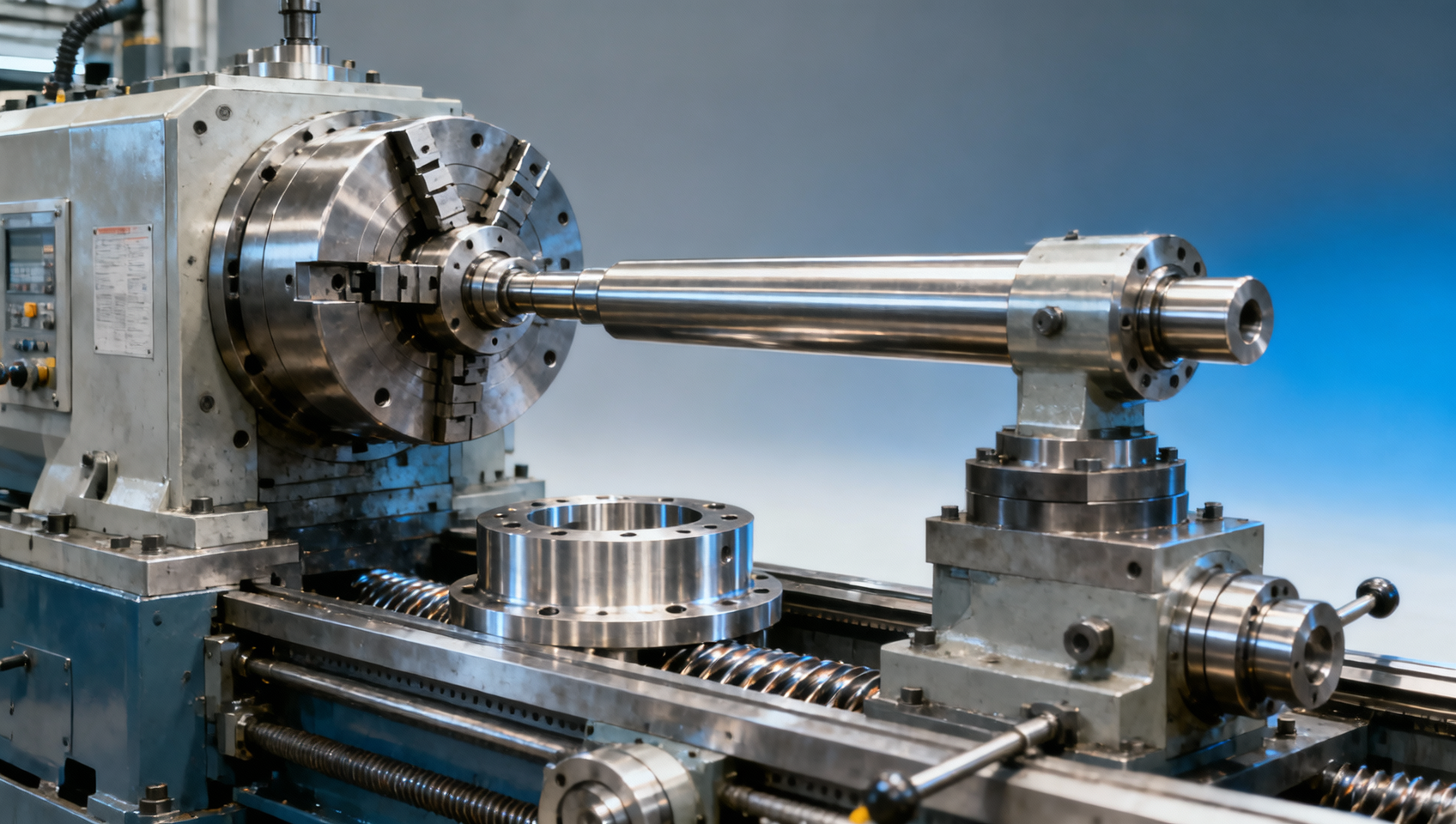
Selecting the right industrial lathe for heavy part turning is a critical decision affecting precision, uptime, and overall production process efficiency. From metal machining and CNC metalworking to automated production line integration, buyers and operators must evaluate machine rigidity, capacity, control systems, and long-term costs. This guide explores the most common selection problems in industrial CNC and helps manufacturers make smarter, lower-risk equipment decisions.
Why heavy part turning creates different lathe selection problems
Heavy part turning is not simply a larger version of standard CNC turning. Once workpiece weight, diameter, and cutting depth move into industrial ranges, the selection logic changes. A machine that performs well for medium shafts or discs may lose accuracy when handling large flanges, long rollers, turbine components, or thick-wall cylindrical parts. In many workshops, the first mistake is comparing spindle power alone while ignoring structural rigidity, swing capacity, bed design, and support systems.
For information researchers and procurement teams, the challenge usually begins with unclear application boundaries. Heavy part turning may involve parts under 1 ton in one plant and over 10 tons in another. Typical evaluation windows include swing over bed, maximum turning diameter, turning length, chuck or faceplate size, and supported workpiece mass. A practical review should compare at least 5 core dimensions before discussing control brand or optional automation.
Operators face a different concern: process stability over long cutting cycles. Heavy roughing can run continuously for 2–6 hours on one setup, and any weakness in thermal control, chip evacuation, or tailstock support becomes expensive. Decision-makers then feel the impact through scrap risk, low spindle utilization, delayed delivery, or repeated manual intervention. That is why heavy part turning equipment must be selected as part of a production system, not as a standalone asset.
In sectors such as energy equipment, aerospace support manufacturing, large automotive tooling, and industrial machinery repair, industrial lathes must also fit broader smart manufacturing goals. Integration with tool management, digital monitoring, in-process inspection, and automated production line scheduling is becoming more important. Over a 3–5 year planning cycle, a slightly lower purchase price can become less attractive if the machine limits data connectivity or future automation upgrades.
What makes heavy turning more demanding than standard turning
- Higher cutting forces require stronger bed construction, stable guideways, and reliable damping behavior during roughing and interrupted cutting.
- Larger workpieces increase setup risk, so lifting access, clamping layout, and tailstock or steady rest support become critical.
- Longer machining cycles expose thermal drift, lubrication issues, and chip control problems that smaller machines can hide.
- Higher value parts often require roughing and finishing on the same machine, which raises expectations for both torque and accuracy retention.
Which machine parameters should buyers check first
When selecting an industrial lathe for heavy part turning, parameter review should start with the part family rather than the catalog front page. Buyers often focus on the “maximum” values, yet real production depends on the stable operating range. For example, a lathe may advertise a large swing diameter, but actual turning clearance can be reduced by toolpost dimensions, fixture design, or steady rest placement. Always compare usable capacity against the largest 3–5 recurring part types in your workshop.
The second key area is spindle performance across speed bands. Heavy turning usually needs high torque at low to medium speed, not just peak motor power. For roughing large steel or alloy components, spindle behavior in the lower speed range can determine whether the machine can maintain chip load without chatter. This matters even more in applications involving forgings, castings, or hard-to-balance parts where cutting conditions vary across the surface.
The third area is axis and support configuration. Guideway type, turret or toolpost strength, tailstock force, steady rest options, and chip removal design directly affect uptime. In many heavy part turning applications, buyers should ask whether the machine is better suited to short, wide parts or long shaft-type workpieces. A machine strong in one area may be less suitable in the other, even if the headline dimensions look similar.
The table below helps structure a first-round technical assessment for industrial CNC lathe selection. It is designed for procurement teams that need a clear comparison method before moving into supplier discussions, layout planning, and detailed quotation review.
A structured parameter review reduces two common procurement failures: buying a machine with enough nominal size but insufficient rigidity, or buying an overconfigured machine that raises capital cost without improving output. For most projects, a 4-step review works well: define the part envelope, confirm process loads, map future production needs over 2–3 years, and only then compare options on controls, accessories, and service.
Parameter questions that should not be skipped
Capacity fit
Check the largest diameter, the longest effective turning length, and the heaviest expected setup. If your part mix changes every quarter, add a safety margin based on the next 12–24 months of demand, not only current orders.
Cutting behavior
Review roughing depth, insert type, material category, and cycle duration. Machines selected for low-speed torque and stable feed behavior usually deliver more reliable heavy metal machining than machines chosen by peak power figures alone.
System compatibility
If the lathe must connect to a robot cell, flexible production line, or factory monitoring system, ask about interface support early. Retrofitting communication and automation hardware later can add cost and extend commissioning by several days or weeks.
How to compare conventional, CNC, and heavy-duty turning solutions
Not every heavy part turning job requires the same machine architecture. Some repair shops still use large conventional lathes for irregular work, while production environments increasingly prefer industrial CNC lathes for repeatability, process control, and labor efficiency. The comparison should not be reduced to “manual versus CNC.” The real question is whether the machine matches lot size, geometry complexity, tolerance expectations, and operator skill levels.
For single-piece maintenance work or emergency repair, a conventional heavy-duty lathe can remain practical, especially when setup flexibility matters more than digital repeatability. However, once batch size reaches small-to-medium recurring volumes, CNC metalworking usually delivers better consistency, easier parameter control, and more predictable cycle planning. This is especially relevant when production lines feed automotive, energy, or industrial equipment sectors where schedule reliability matters.
Buyers should also compare flat-bed CNC lathes, slant-bed CNC lathes, and specialized heavy-duty horizontal turning systems. A flat-bed structure can be attractive for large workpieces and maintenance access, while a slant-bed layout may improve chip flow and automation compatibility for some part families. The best choice depends on whether your mix favors large discs, long shafts, irregular forgings, or a balanced combination.
The next table provides a practical solution comparison. It is not a ranking. Instead, it helps technical teams and decision-makers narrow down which industrial lathe type aligns with their production model, floor layout, staffing plan, and investment horizon.
This comparison highlights a common pattern: the “best” lathe is the one that minimizes production friction across setup, machining, inspection, and maintenance. If your production plan includes both one-off oversized parts and repeat batch orders, a mixed equipment strategy may be more efficient than forcing one machine to cover every scenario.
A practical comparison checklist
- Compare target batch sizes: prototype, small batch, medium batch, or scheduled recurring orders.
- Check labor dependence: how much output stability depends on one experienced operator.
- Review digital needs: program storage, traceability, remote support, and production reporting.
- Assess layout and handling: crane access, loading route, floor preparation, and chip disposal.
What procurement teams often underestimate in total cost and implementation
Machine price is only one part of industrial lathe selection. In heavy part turning, total cost also includes transport, foundation work, installation, alignment, tooling, workholding, operator training, spare parts, and downtime risk during commissioning. A lower initial quotation can become more expensive if it requires additional site modification or if after-sales support is weak during the first 30–90 days of operation.
Procurement teams should distinguish between direct cost and operational cost. Direct cost includes machine purchase and setup. Operational cost includes tool consumption, power use, lubrication, preventive maintenance, operator time, and the cost of instability. In heavy CNC turning, even one repeat setup issue per week can affect delivery performance when large parts occupy the machine for long cycle windows.
Implementation timing also needs realistic planning. Depending on machine size and customization level, standard lead times can range from several weeks to a few months, while site preparation and commissioning may add 7–21 days. If the project includes automation, digital networking, or nonstandard fixture packages, the evaluation should include interface confirmation before the purchase order is finalized.
The following table helps teams estimate where cost pressure usually appears. It is especially useful for enterprise decision-makers who need to justify investment beyond purchase price and compare alternatives such as retrofitting an old machine, outsourcing heavy turning, or investing in a new industrial CNC lathe.
A lifecycle view often changes the purchase conclusion. If a machine reduces setup loss, lowers vibration-related rejects, and supports remote diagnostics, it can deliver stronger value than a cheaper alternative. For B2B buyers, this is often the point where technical selection and business planning need to meet.
4-step procurement process for lower-risk selection
- Define the real part mix, including maximum size, average batch size, and expected material range over the next 12–24 months.
- Create a technical matrix covering capacity, spindle behavior, support systems, control functions, and floor requirements.
- Review commercial terms together with delivery scope, commissioning support, training content, and spare part availability.
- Confirm implementation details before order release, including power supply, foundation readiness, lifting route, and acceptance criteria.
Common mistakes, FAQ, and what smart buyers ask before ordering
Many heavy part turning projects run into avoidable problems because teams ask the wrong first questions. Instead of asking only about maximum diameter or catalog power, they should ask how the machine behaves under real roughing loads, how stable it remains over long runs, and how it fits into the plant’s production flow. In modern CNC machine tool procurement, practical fit matters more than headline values.
Another frequent mistake is separating operator needs from purchasing decisions. Operators care about setup access, chip control, steady rest adjustment, and control usability. Procurement teams often focus on price and delivery. Enterprise leaders focus on utilization and payback. The best industrial lathe selection process combines all three perspectives in one evaluation sheet with 6–10 weighted criteria.
Compliance and documentation also deserve attention. While machine requirements vary by destination market and project type, buyers should still confirm safety documentation, electrical compatibility, manuals, and applicable general standards before shipment. If the machine will enter an export-oriented production environment, traceability and documentation format can matter during internal audits or customer qualification reviews.
Below are common questions that reflect real search intent from researchers, users, and buyers involved in CNC metalworking, industrial CNC upgrades, and heavy part turning projects.
How do I know if a standard CNC lathe is enough for heavy part turning?
Start with four checks: workpiece mass, turning length, roughing depth, and required cycle stability. If the job involves long unsupported shafts, frequent interrupted cuts, or multi-hour roughing cycles, a standard configuration may not be enough. Ask for confirmation on support devices, guideway strength, and low-speed cutting performance, not only nominal capacity.
What delivery timeline should buyers plan for?
Lead time varies by machine size, options, and localization requirements. For planning purposes, buyers often separate the project into 3 stages: manufacturing and supply, site preparation, and installation with commissioning. Site readiness alone can take 1–3 weeks if foundation checks, power access, crane path, or coolant and chip systems need adjustment.
Which options are most valuable in industrial CNC heavy turning?
The best options depend on your part family, but common high-value items include steady rests, stronger workholding, chip management upgrades, tool monitoring, remote diagnostics, and compatible interfaces for automated production line connection. For repetitive batches, data connectivity and easier program management may create more value than cosmetic add-ons.
Is retrofitting an old machine a good alternative?
Retrofitting can make sense when the base structure remains sound and production needs are limited. However, if the old lathe lacks rigidity, safe handling features, or digital compatibility, retrofit spending may only postpone a larger replacement decision. Compare retrofit cost, expected uptime, and control limitations against a new machine over a 2–5 year horizon.
Why choose a partner that understands both machine tools and industrial decision-making
Heavy part turning projects rarely fail because of one missing specification. They fail when technical, operational, and commercial factors are reviewed in isolation. A useful partner should help you connect machine capacity with actual part drawings, machining strategy, factory conditions, and expansion goals. That is especially important in the global CNC machining and precision manufacturing sector, where buyers compare suppliers across multiple countries and industrial clusters.
Our platform focuses on the global CNC machine tool and precision manufacturing industry, with attention to industrial automation, smart manufacturing, flexible production lines, and the evolving needs of automotive, aerospace, energy equipment, and electronics-related production. This industry perspective helps turn machine comparison into a clearer business decision, especially when users need to balance performance, delivery timing, digital integration, and procurement risk.
If you are evaluating an industrial lathe for heavy part turning, you can discuss practical issues instead of general sales claims. Useful consultation topics include parameter confirmation for your part range, machine type comparison, delivery cycle planning, optional support devices, automation compatibility, documentation expectations, and quotation matching across different technical levels.
You can also request support for 5 common decision areas: workpiece capacity review, process suitability, customization scope, commissioning planning, and cost comparison between alternative solutions. That makes the next step more concrete for researchers, operators, procurement teams, and enterprise decision-makers who need an actionable path rather than another generic equipment overview.
- Confirm whether your target parts fit the machine’s real working envelope rather than catalog maximums.
- Compare heavy-duty turning options by rigidity, torque behavior, support devices, and production line compatibility.
- Review expected lead time, installation scope, and commissioning checkpoints before budgeting.
- Discuss custom solutions for shafts, discs, rollers, forgings, or mixed heavy part families.
- Request quotation communication aligned with tooling, training, support, and long-term upgrade needs.
For companies planning a new heavy turning line, replacing aging equipment, or comparing CNC metalworking solutions across suppliers, a focused technical discussion can shorten selection time and reduce ordering mistakes. Reach out with your part dimensions, materials, batch expectations, and delivery targets, and the conversation can start from real production requirements rather than assumptions.
PREVIOUS ARTICLE
Recommended for You
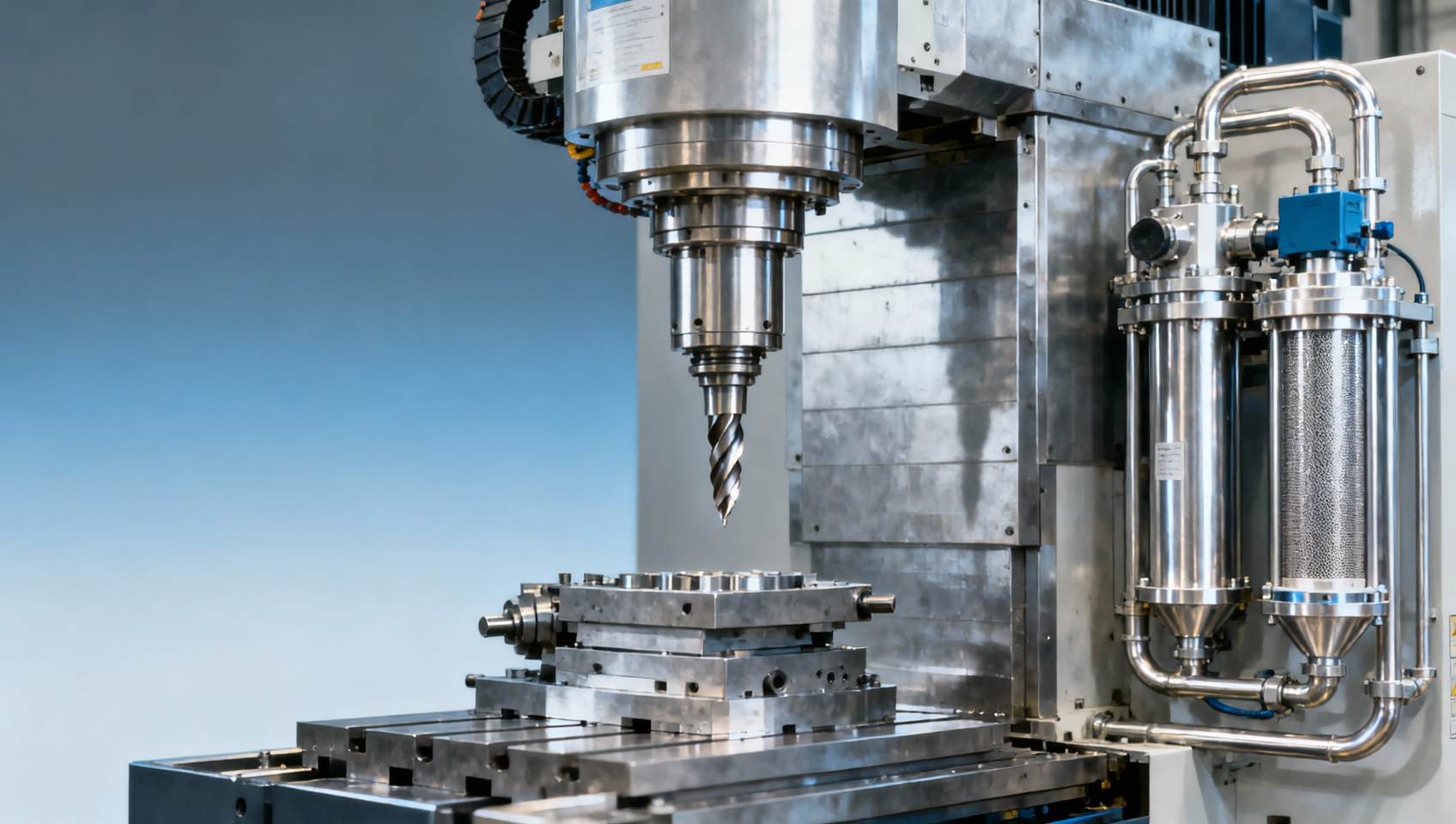
 Heavy-duty Machining Center for mold making: Why coolant filtration standards evolve faster than OEM manualsMachine Tool Industry Editorial Team
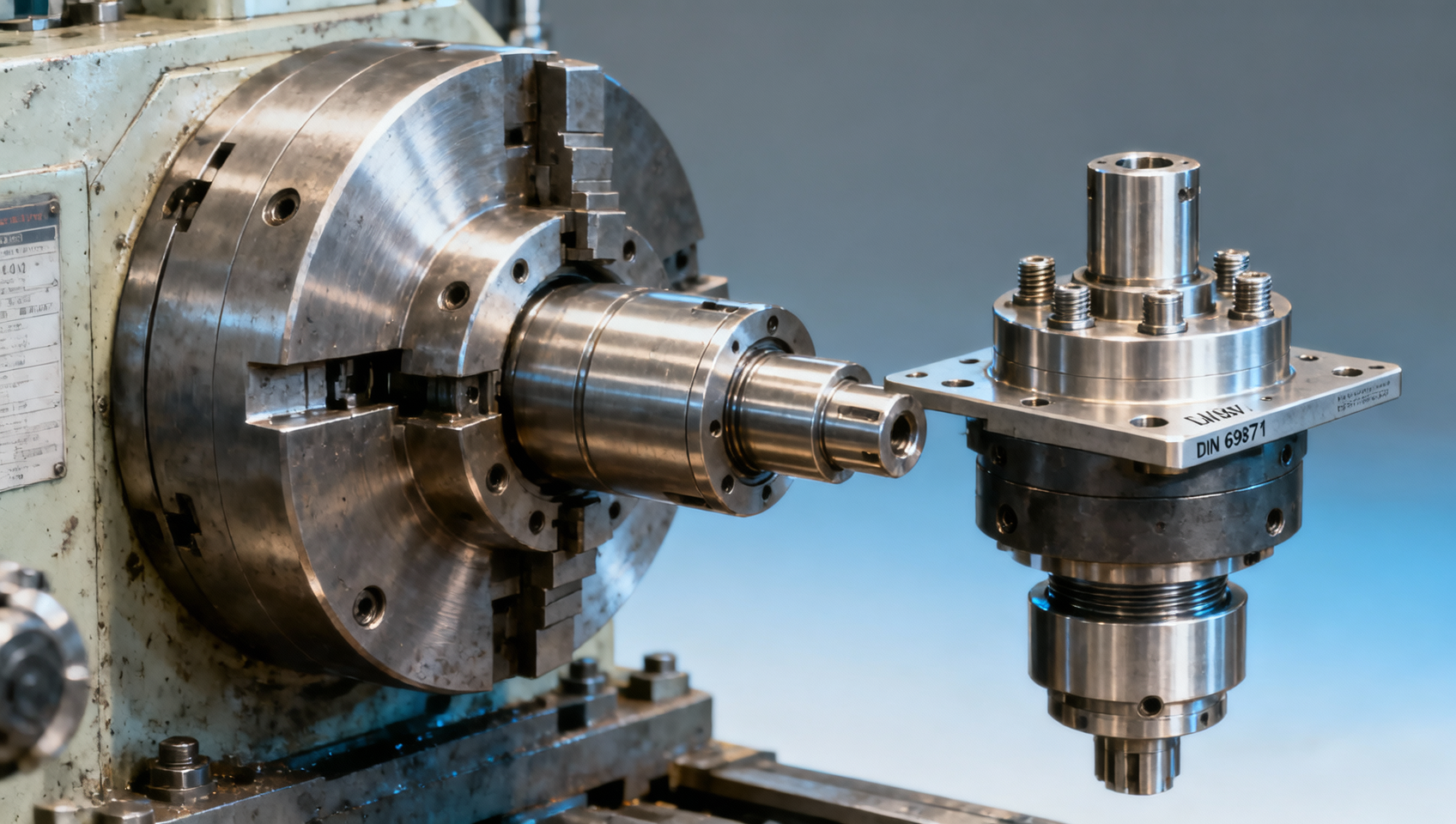
 Quick-change Fixture Design for CNC turning: Why clamping force consistency drops after 200 cyclesCNC Machining Technology Center
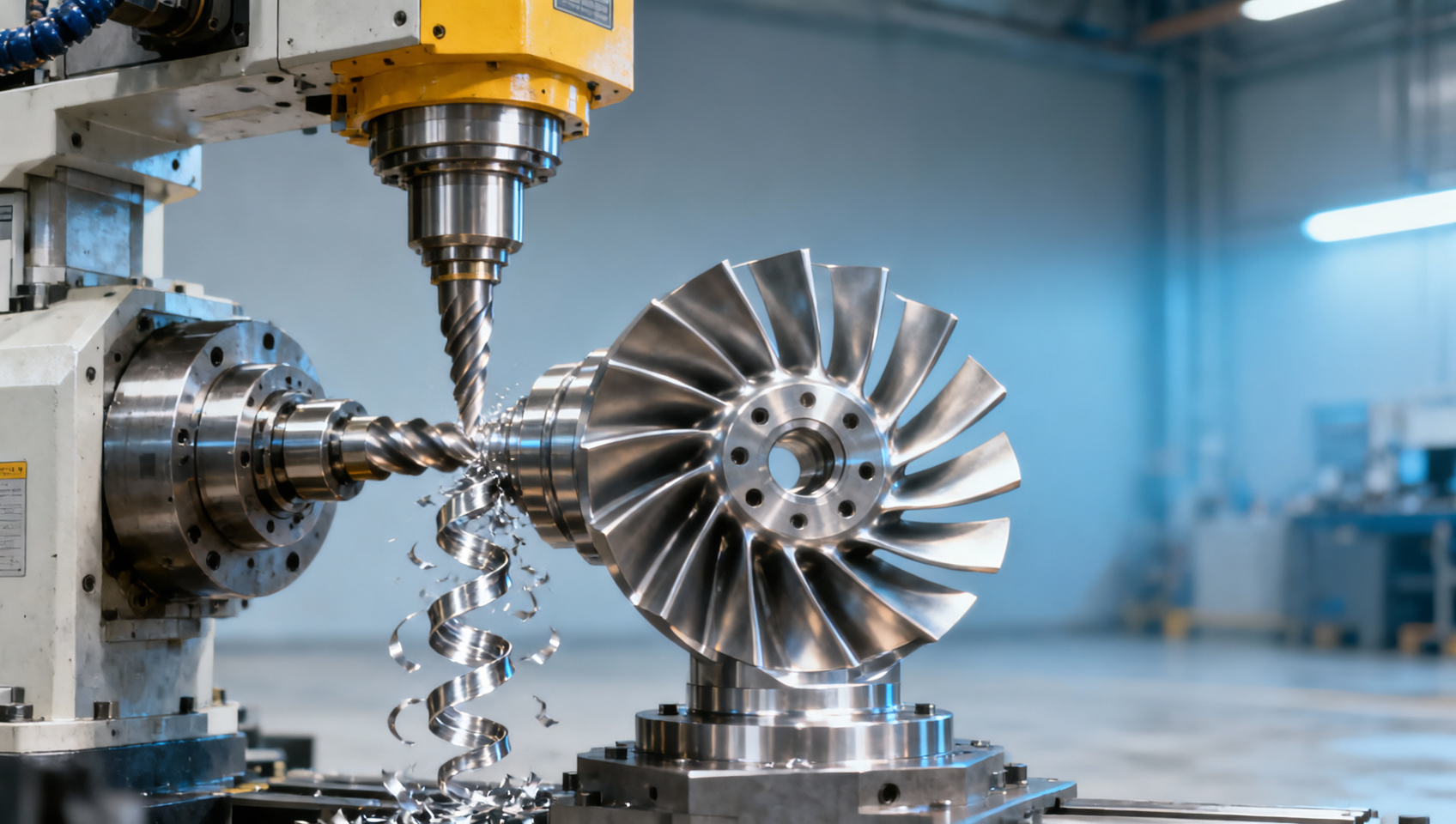
 5 Axis Machining for impeller manufacturing: Why toolpath smoothing affects surface fatigue lifeCNC Machining Technology Center
 Lean Production Process implementation: Where value stream mapping fails to expose hidden machine downtimeManufacturing Market Research Center
 Modular Tooling System for flexible manufacturing: Why interface repeatability degrades faster than expectedMachine Tool Industry Editorial Team
 Industrial Automation control system for CNC machines: When cybersecurity updates disrupt scheduled maintenanceMachine Tool Industry Editorial Team


Aris Katos
Future of Carbide Coatings
15+ years in precision manufacturing systems. Specialized in high-speed milling and aerospace grade alloy processing.
▶
Heavy-duty Machining Center for mold making: Why coolant filtration standards evolve faster than OEM manualsMachine Tool Industry Editorial Team▶
High precision machine tool: Why air-bearing spindles demand more than just clean airMachine Tool Industry Editorial Team▶
Machine tool for automotive industry: Why dynamic rigidity matters more than static specsMachine Tool Industry Editorial Team▶
Machine tool for aerospace: Why thermal expansion compensation requires real-time sensor fusionMachine Tool Industry Editorial Team▶
Machine tool for electronics manufacturing: Why EMI shielding affects more than just signal integrityMachine Tool Industry Editorial Team
Mastering 5-Axis Workholding Strategies
Join our technical panel on Nov 15th to learn about reducing vibrations in thin-wall components.

Providing you with integrated sanding solutions
Before-sales and after-sales services
Comprehensive technical support