• Global CNC market projected to reach $128B by 2028 • New EU trade regulations for precision tooling components • Aerospace deman
NYSE: CNC +1.2%LME: STEEL -0.4%

Where the Machine Tool Market Is Finding New Demand
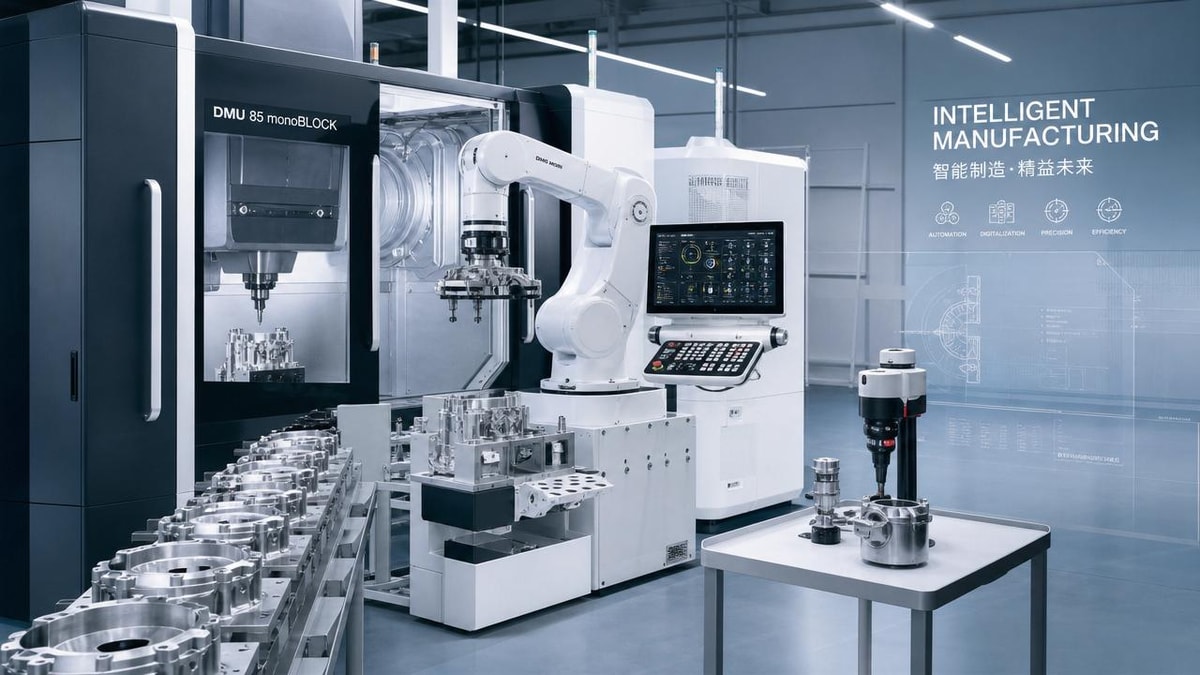
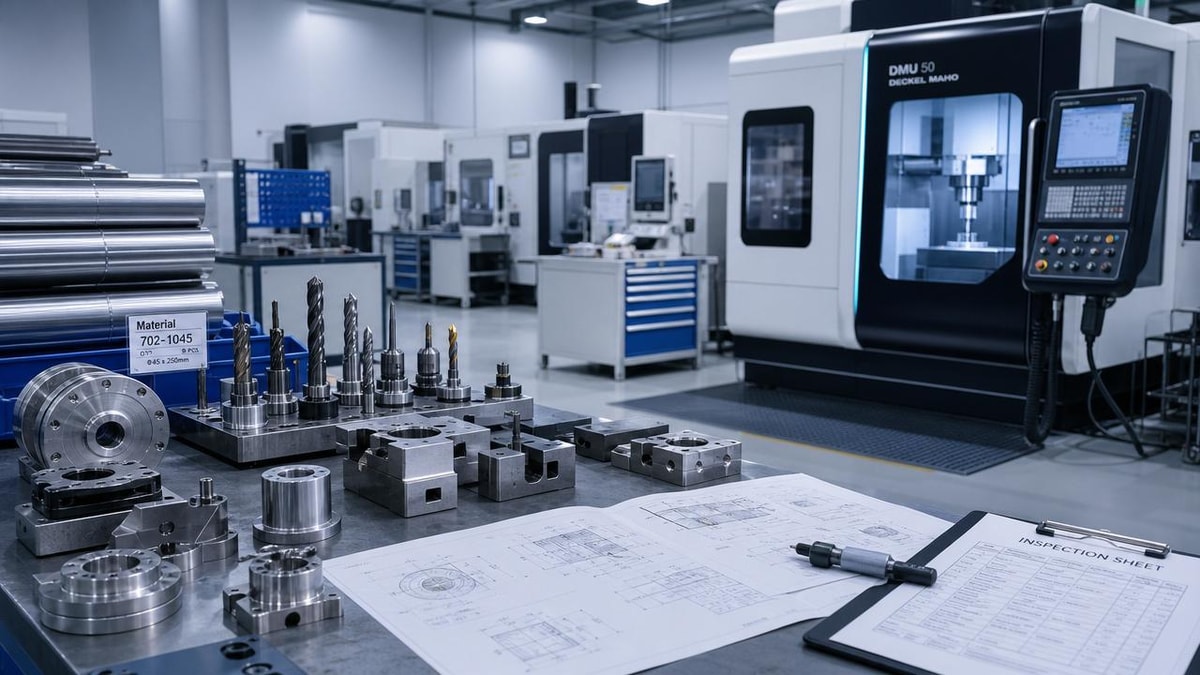
The Machine Tool Market is finding new demand as manufacturers accelerate automation, precision upgrades, and digital transformation across global production networks. For distributors, agents, and channel partners, this shift opens fresh opportunities in CNC machines, multi-axis systems, tooling, and smart factory solutions serving automotive, aerospace, energy, and electronics customers.
New demand is no longer coming from only traditional capacity expansion
One of the clearest changes in the Machine Tool Market is that demand is becoming more quality-driven than volume-driven. In earlier cycles, buyers often expanded machine tool purchases mainly to add production capacity. Today, many manufacturers are investing for different reasons: reducing labor dependence, improving process consistency, meeting tighter tolerance requirements, shortening lead times, and integrating data into production management. This is changing what customers ask for, how they compare suppliers, and where channel partners can create value.
The shift is especially visible in industries where part complexity is increasing. Automotive producers are dealing with electric vehicle components, lightweight materials, and faster model updates. Aerospace buyers continue to require high-accuracy machining for structural parts and difficult-to-cut materials. Energy equipment manufacturers need reliable heavy-duty machining with traceable quality. Electronics production is pushing for micro-precision, repeatability, and stable automated handling. In all of these areas, the Machine Tool Market is benefiting from demand linked to process upgrading rather than simple factory expansion.
For distributors and agents, this means the sales conversation must move beyond spindle speed or travel size alone. End users increasingly want to know how a machine fits into automation, how easily it connects with software systems, what tooling package is recommended, and how quickly service support can be delivered after installation.
The strongest trend signals are coming from automation, precision, and digital integration
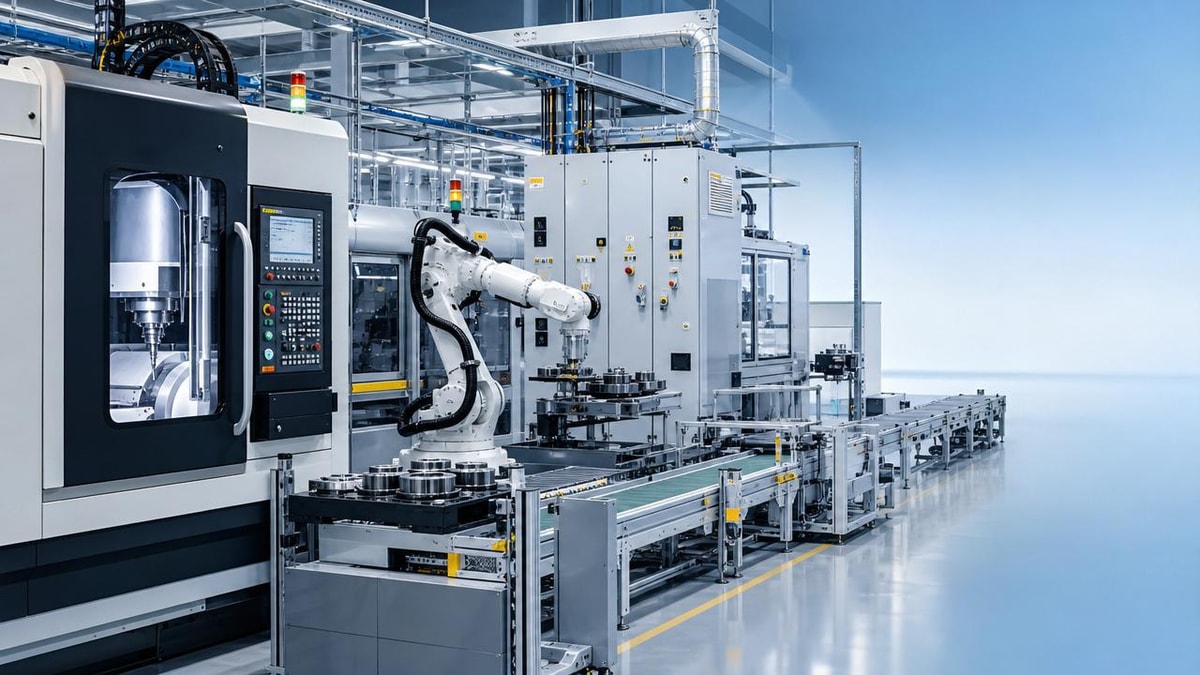
Three demand signals are shaping the current Machine Tool Market. First, automation is becoming a standard requirement in more mid-sized factories, not just in large plants. Robotic loading, pallet systems, bar feeders, tool monitoring, and automatic inspection are moving from optional upgrades to practical necessities. Second, precision expectations are rising across sectors because product performance, safety, and cost pressure all depend on machining accuracy and stable repeatability. Third, digital integration is influencing procurement decisions as factories look for equipment that can support production visibility, predictive maintenance, and traceable process data.
This combination is creating a broader opportunity set. A buyer that once purchased a standalone CNC lathe may now seek a semi-automated cell with probing, chip management, remote diagnostics, and software compatibility. A machining center sale may now require bundled tooling, fixturing, training, and post-sales process support. As a result, value in the Machine Tool Market is spreading across the equipment ecosystem, not remaining limited to the base machine.
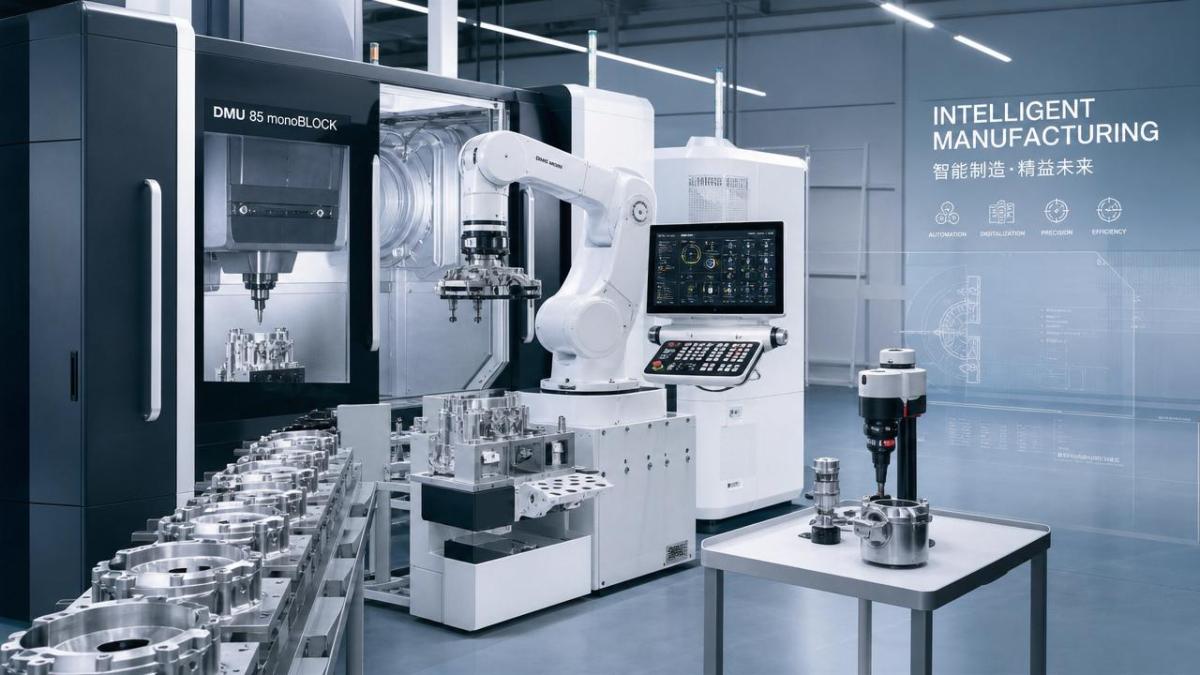
Why the Machine Tool Market is finding new demand now
Several forces are working together to create this demand shift. Labor availability remains a major concern in many manufacturing regions, pushing factories to automate repetitive machining and handling tasks. At the same time, cost volatility in materials and energy is forcing producers to reduce scrap, improve uptime, and optimize cutting processes. These pressures favor modern machine tools with better control systems, energy efficiency, and stable performance.
Another important driver is the reconfiguration of global supply chains. Many manufacturers are diversifying sourcing, expanding regional production, or localizing critical component manufacturing. This does not always lead to giant new plants, but it often creates demand for flexible machining capacity in smaller batches and mixed production environments. That kind of environment supports the growth of multi-axis machining centers, turn-mill platforms, flexible cells, and modular automation solutions.
Technology itself is also lowering barriers to adoption. Control systems are becoming easier to use, simulation tools improve process planning, and remote service capabilities reduce the perceived risk of investing in more advanced equipment. In the Machine Tool Market, this encourages more first-time buyers of automation-ready machines and more replacement demand from factories that want to upgrade aging assets.
A simple view of how demand is shifting
The following table summarizes the most visible direction changes in the Machine Tool Market and what they mean for channel partners.
Which customer segments are feeling the change most strongly
Not every buyer in the Machine Tool Market is moving at the same pace. However, several segments are showing especially strong demand signals.
Automotive and EV manufacturing remain important because drivetrain changes are altering machining needs. Demand is extending beyond engine-related equipment toward battery housings, motor components, transmission systems, structural aluminum parts, and precision assembly support. Aerospace continues to reward suppliers who can support multi-axis machining, hard materials, and rigorous quality documentation. Energy equipment, including wind, oil and gas, and power generation, often requires large-format machining, durable tooling, and dependable after-sales service. Electronics and precision industrial components are supporting demand for compact high-speed machines, micro-machining capability, and stable unattended production.
A less obvious but very important segment is the mid-market subcontract manufacturer. These firms may not have the budget of major OEMs, but they are under intense pressure to improve consistency and shorten delivery times. For many distributors, this group can generate repeat business in machine upgrades, cutting tools, fixtures, automation accessories, and training.
What this means for distributors, agents, and channel partners
The Machine Tool Market is not simply asking channel partners to sell more units. It is asking them to become more solution-oriented. Buyers increasingly compare suppliers based on response speed, technical guidance, installation reliability, and long-term support. This favors distributors and agents that can connect machines with tooling, fixtures, software, training, and maintenance.
There is also a growing advantage for partners that understand application-specific demand. A dealer serving aerospace customers should be able to discuss part rigidity, thermal stability, chip evacuation, and process verification. A partner focused on automotive suppliers should understand takt time, automated loading, and multi-station workflow. In other words, market knowledge is becoming as important as product catalog depth.
Service capability matters even more under current conditions. When manufacturers invest in advanced CNC machines or multi-axis systems, they want confidence that downtime risk is manageable. Local spare parts, remote troubleshooting, preventive maintenance, and operator training can strongly influence buying decisions. In many cases, these services also create recurring revenue that is less cyclical than capital equipment sales.
The competitive edge is shifting toward ecosystem selling
A key trend in the Machine Tool Market is that equipment alone is becoming a smaller part of the purchasing decision. Buyers want proof that a machine can perform within their production reality. That means partners who can provide a broader ecosystem often have an advantage: machine selection, sample machining, tooling recommendations, fixture design input, automation matching, and digital support.
This is especially relevant in international trade. Manufacturers comparing suppliers across countries are not just reviewing machine specifications. They are judging total support quality, supply stability, communication efficiency, and the ability to scale future upgrades. For brands and distributors expanding globally, building a reliable partner network can be as important as introducing a new model line.
Signals worth watching over the next buying cycles
For anyone tracking the Machine Tool Market, several signals deserve close attention. One is replacement demand for older machines that cannot support automation or modern control connectivity. Another is the increasing preference for modular investment, where buyers start with an automation-ready machine and add robotics or software later. A third signal is stronger interest in process assurance tools such as in-machine probing, condition monitoring, and closed-loop quality checks.
Regional manufacturing policy, energy transition investment, and defense or infrastructure spending may also redirect demand toward certain machine categories. While it is risky to assume uniform growth across all geographies, it is reasonable to expect continued demand in sectors where precision, resilience, and localized production matter most.
How to judge opportunity more carefully before committing resources
Because the Machine Tool Market is changing in a more segmented way, channel partners should avoid making decisions based only on broad industry sentiment. A more practical approach is to evaluate opportunity by customer type, process need, and service capability. The following questions can improve judgment:
- Which customer industries in your region are investing in precision upgrades rather than basic expansion?
- Are buyers asking for automation-ready machines, or complete cells with integration support?
- Do you have enough application expertise to recommend tooling, fixtures, and process improvements?
- Can your after-sales network support advanced CNC systems with fast response times?
- Which product categories generate recurring service, consumables, or software-related revenue?
These questions help separate short-term inquiries from durable market direction. They also align sales strategy with where the Machine Tool Market is truly finding new demand: in smarter, more connected, and more application-focused manufacturing.
Practical next steps for channel businesses
For distributors, agents, and dealers, the best response is not to chase every trend equally. It is to build a practical position in the areas where demand is becoming more durable. That may mean strengthening technical sales teams, creating solution bundles for specific industries, improving local service responsiveness, or partnering with automation and software providers. It may also mean reviewing which machine brands and accessory lines best match current customer priorities.
The Machine Tool Market will likely remain competitive and uneven across regions, but the direction of demand is increasingly clear. Manufacturers want equipment that supports flexibility, precision, automation, and data-driven production. The channel businesses that translate those needs into credible solutions will be better positioned than those still selling only on price or basic machine features.
If your business wants to judge how these trends affect your territory, product mix, or customer base, the most useful next step is to confirm where process upgrades are already happening, which sectors are moving fastest toward automation, and whether your current offering is aligned with the new shape of demand in the Machine Tool Market.
PREVIOUS ARTICLE
NEXT ARTICLE
Recommended for You
 CNC Milling Capacity Gaps Can Hurt Small Batch ProfitabilityManufacturing Market Research Center
 Industrial Robotics Payback Is Changing in Mid-Size PlantsManufacturing Market Research Center
 Shaft Parts Machining Problems That Show Up at Final InspectionCNC Machining Technology Center
 Production Process Delays Usually Start Before Machining BeginsCNC Machining Technology Center
 Industrial Automation Projects Often Miss This Integration StepCNC Machining Technology Center
 CNC Metal Cutting Tool Wear Is Costing More Than You ThinkCNC Machining Technology Center


Aris Katos
Future of Carbide Coatings
15+ years in precision manufacturing systems. Specialized in high-speed milling and aerospace grade alloy processing.
▶
Where the Machine Tool Market Is Finding New DemandManufacturing Market Research Center▶
Machine Tool Market signals that point to slower replacement cyclesManufacturing Market Research Center▶
Machine Tool Market Signals Worth Watching Before New InvestmentManufacturing Market Research Center▶
Machine Tool Market signals to watch before expanding capacityManufacturing Market Research Center▶
Where the Machine Tool Market is slowing in 2026Manufacturing Market Research Center
Mastering 5-Axis Workholding Strategies
Join our technical panel on Nov 15th to learn about reducing vibrations in thin-wall components.

Providing you with integrated sanding solutions
Before-sales and after-sales services
Comprehensive technical support