• Global CNC market projected to reach $128B by 2028 • New EU trade regulations for precision tooling components • Aerospace deman
NYSE: CNC +1.2%LME: STEEL -0.4%

Automated Lathe Setup Mistakes That Slow Down Output
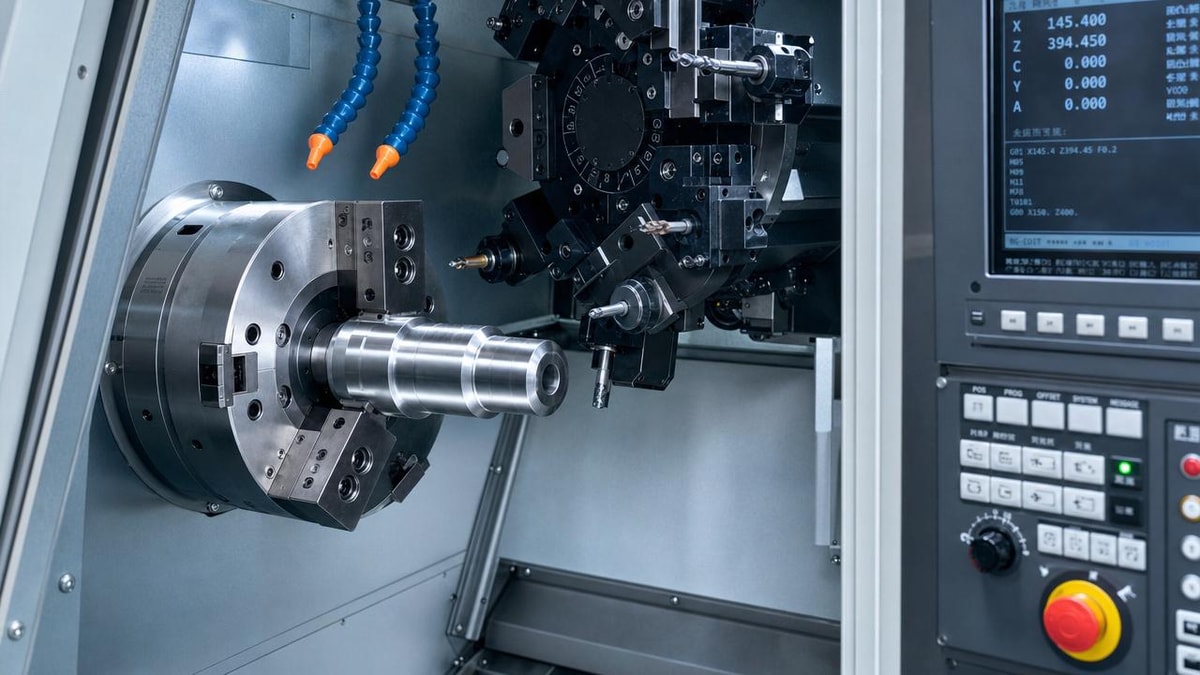
Even a high-performance automated lathe can lose valuable output when setup errors go unnoticed. For operators and shop-floor users, small mistakes in tooling, program offsets, clamping, or parameter checks can quickly lead to scrap, downtime, and unstable cycle times. This article highlights the most common automated lathe setup mistakes that slow production and shows how to avoid them for smoother, more efficient machining.
Why setup mistakes matter more now than they did a few years ago
A clear shift is happening across CNC machining and precision manufacturing. Shops are being asked to produce smaller batches, handle more part variants, reduce lead times, and maintain tighter tolerances at the same time. In that environment, an automated lathe is no longer judged only by spindle speed or axis travel. It is judged by how quickly it reaches stable production after changeover and how consistently it holds output across shifts.
This is why setup discipline has become a trend-level issue rather than a basic operator concern. As automation increases, many users expect fewer manual errors. In reality, the opposite often happens during setup: one incorrect offset, one poorly seated insert, or one unchecked chuck pressure value can cause a highly capable automated lathe to underperform for hours before the root cause is found. The more connected and faster the production line becomes, the more expensive these setup delays become.
For operators, this change means setup quality is directly linked to throughput, machine utilization, part quality, and schedule reliability. For supervisors and plant managers, repeated setup mistakes on an automated lathe are now a sign of weak process control, incomplete standardization, or poor digital handoff between programming and production.
The strongest signals behind slower output on an automated lathe
Several industry signals explain why setup mistakes are getting more attention. First, part complexity is rising. Multi-operation turning, live tooling, sub-spindle transfer, and tighter concentricity requirements leave less room for trial-and-error adjustment. Second, labor conditions are changing. Many shops rely on mixed-experience teams, so repeatable setup methods matter more than individual intuition. Third, digital manufacturing is expanding. CAM data, tool libraries, probing routines, and machine parameter sets must match perfectly, or the automated lathe loses the efficiency that automation promised.
Another important signal is the cost of interruption. Scrap is still a problem, but unstable cycle time is becoming just as serious. If a machine stops repeatedly for offset correction, chip entanglement, tool alarm checks, or clamping verification, actual output falls below planned capacity. In high-mix production, these small losses accumulate faster than many teams realize.
The most common setup mistakes that reduce output
On a modern automated lathe, the biggest losses usually come from a short list of repeated setup problems. These issues are often small in appearance but large in production impact.
1. Tool offsets entered correctly on paper but wrong at the machine
Many output problems begin when geometry or wear offsets do not match the actual tool condition. This may happen after insert changes, tool swaps between turrets, or rushed restarts after maintenance. An automated lathe may still run, but cycle stability drops as operators stop to make repeated corrections. The trend here is clear: faster setup demands make verification more important, not less.
2. Clamping checks treated as routine instead of critical
Incorrect chuck pressure, poor jaw contact, contamination on locating surfaces, or mismatch between workpiece length and stop position can all create vibration, runout, or part pullout risk. In a high-speed automated lathe environment, weak clamping does not only affect one part. It affects tool life, surface finish, dimensional repeatability, and machine confidence for unattended cycles.
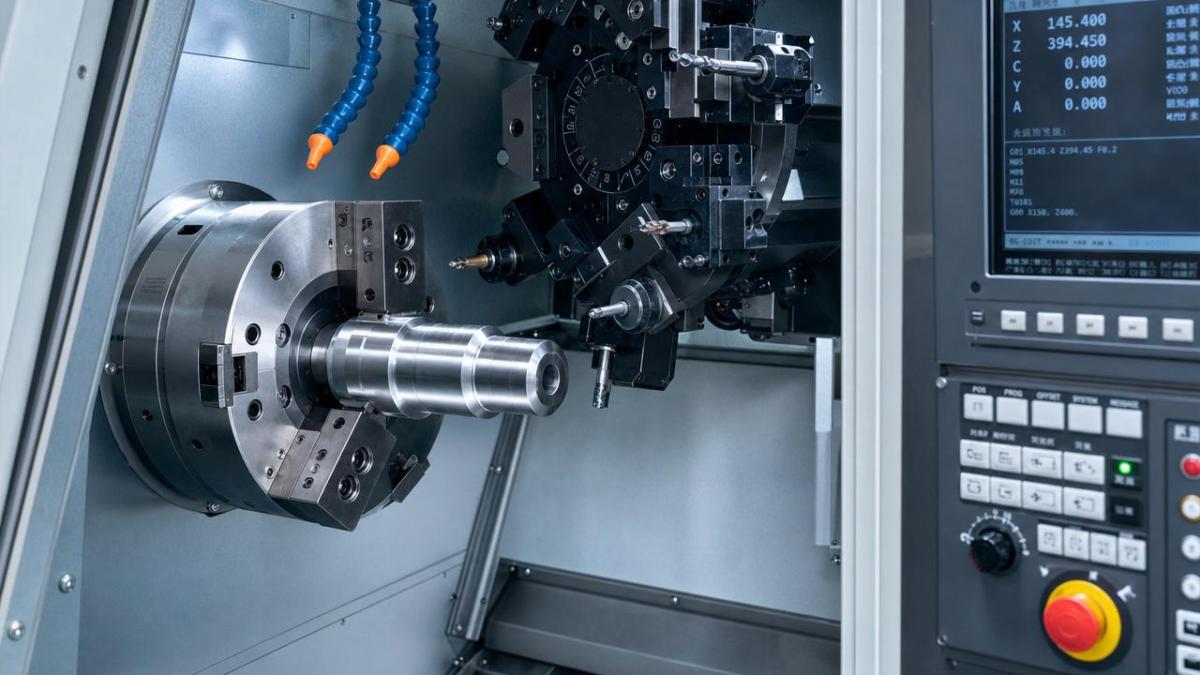
3. Program setup and physical setup not fully aligned
A growing issue in digital manufacturing is the gap between CAM output and machine reality. Tool numbers may differ, the actual holder may be longer, or the selected work offset may not match the setup sheet. On an automated lathe with sub-spindle operations or live tools, these mismatches quickly slow down output because every check takes time and every correction interrupts flow.
4. First-piece approval done too narrowly
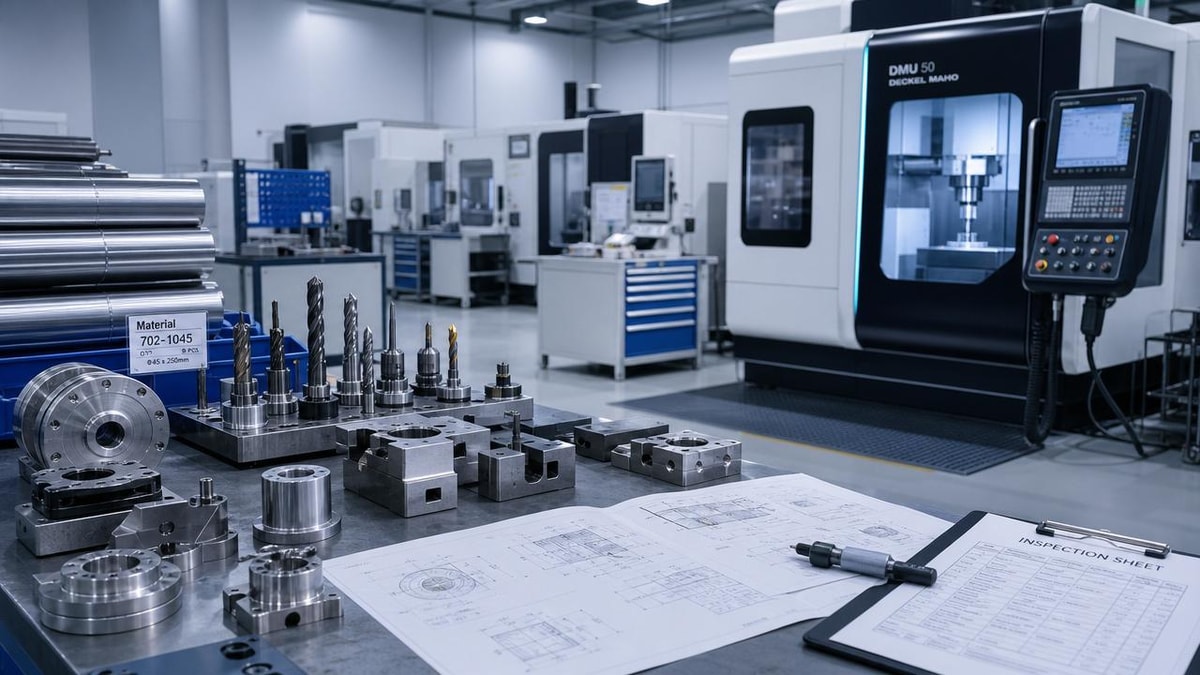
Some users verify only key dimensions and then release the job. But an automated lathe should also be checked for chip evacuation, spindle load consistency, turret clearance, cutoff stability, coolant direction, and transfer reliability if a second spindle is involved. Shops that focus only on dimensional acceptance often miss the process signs that later reduce output.
5. Ignoring tool life condition at startup
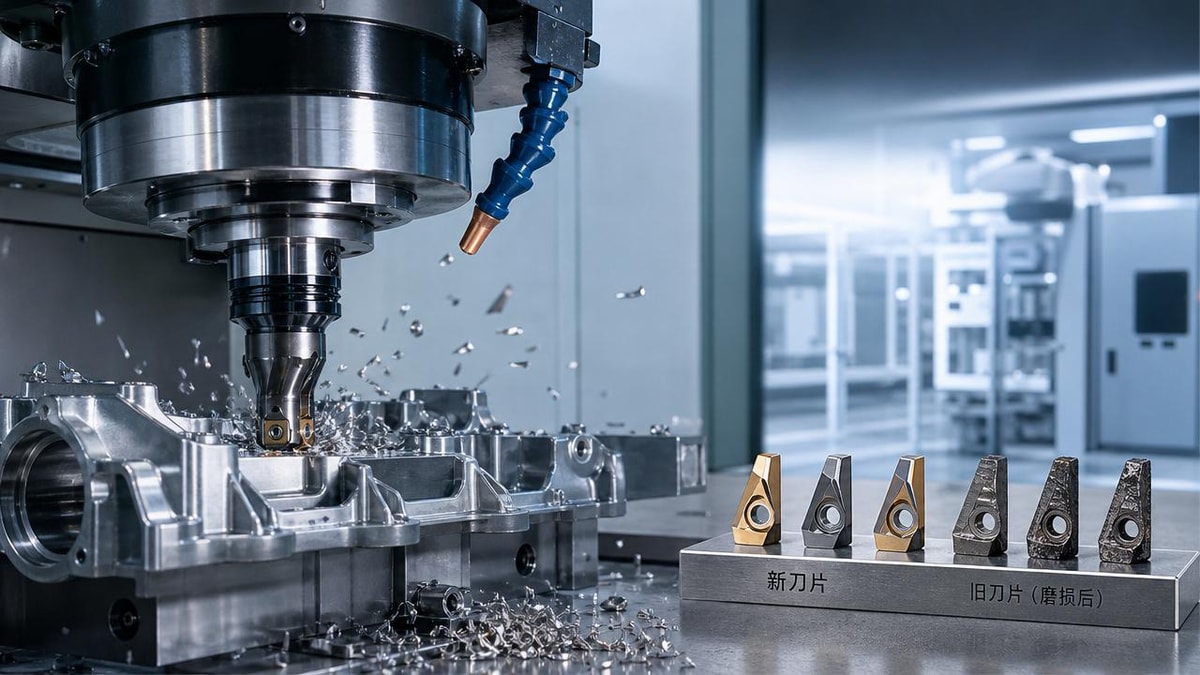
A setup may look complete while starting with a worn drill, unstable insert edge, or nearly expired cutoff tool. This creates a false impression that the automated lathe is ready. Soon after launch, surface finish declines, burrs increase, or cycle time extends because feed and speed are manually reduced. In current production conditions, predictable tool life is a setup issue as much as a tooling issue.
Why these mistakes are increasing in automated production
The rise in setup-related losses is not only about operator carelessness. It is also driven by broader production changes. More shops now run multiple product families on the same automated lathe. Setup windows are shorter. Documentation may be split between ERP, CAM software, printed setup sheets, and tribal knowledge from experienced staff. At the same time, machines are more capable, which means there are more variables to confirm before production is truly stable.
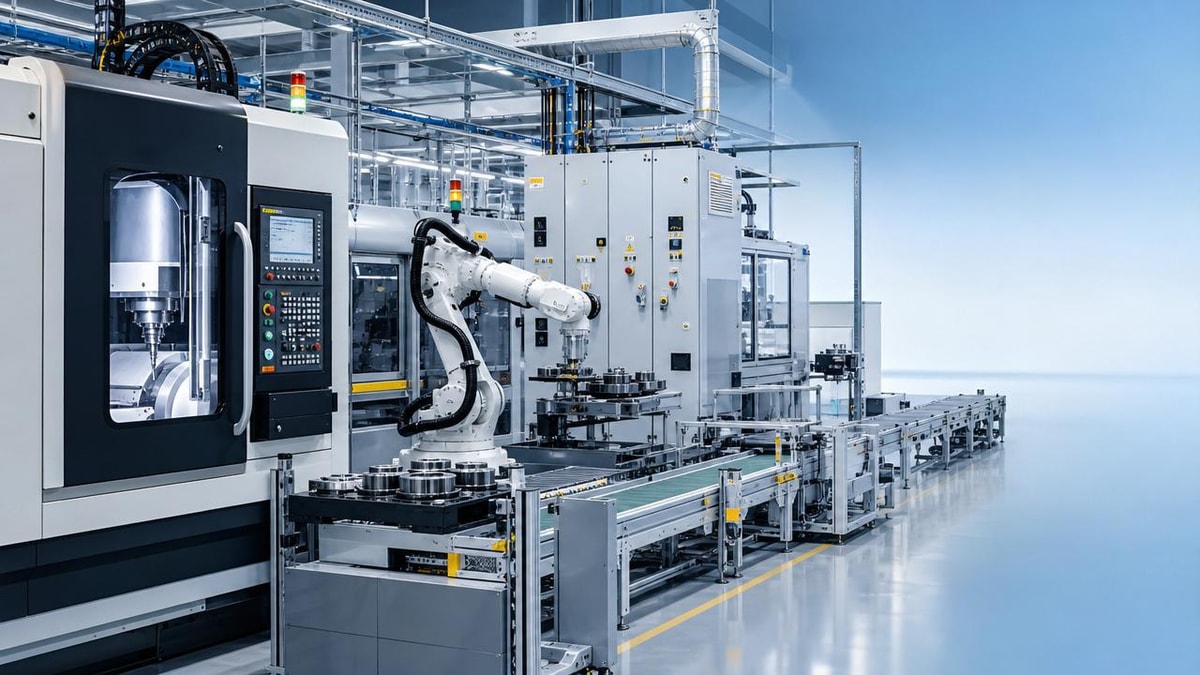
Another factor is the growing use of lights-out or reduced-supervision machining. When management expects an automated lathe to run longer without intervention, the setup must carry more of the reliability burden. Any weak point that might have been corrected quickly during a fully attended shift becomes a serious production loss when discovered later.
How the impact differs across roles and production stages
The effects of poor automated lathe setup are not limited to the machine operator. They spread across the entire manufacturing process.
The practical shift: setup is becoming a standardization issue
One of the most important trends in CNC manufacturing is the move from experience-based setup to standardized setup. For the automated lathe user, this means less dependence on memory and more dependence on controlled process steps. Shops that improve output are increasingly using verified tool presetting, digital setup sheets, photo-based fixture references, locked parameter checklists, and first-piece signoff routines that include process stability, not just dimensions.
This does not remove the operator’s skill. It redirects it. Skilled users spend less time recovering from preventable setup problems and more time judging cutting condition, optimizing changeover, and identifying early warning signs before output falls. That shift is especially valuable as the automated lathe becomes part of flexible and smart factory systems.
What operators and shops should focus on next
If the goal is better output from an automated lathe, the next step is not simply telling teams to be more careful. The stronger approach is to identify where setup variation is most likely and build controls around it.
- Create a startup checklist that covers offsets, tool condition, chuck pressure, coolant aim, and program version.
- Separate first-piece dimensional approval from process stability approval.
- Track recurring setup delays by job family, operator handoff, and tooling package.
- Use visual references for jaw setup, part stick-out, and tool orientation on each automated lathe.
- Review whether setup sheets truly match what the machine and turret are using on the floor.
A useful judgment standard is simple: if the same setup correction appears repeatedly, it is no longer an individual mistake. It is a system signal. In current manufacturing conditions, that signal deserves attention because it affects capacity, quality, and delivery performance at the same time.
Signals worth monitoring in the coming period
Going forward, users of automated lathe equipment should watch several indicators closely. These include actual setup-to-cut time, number of offset edits in the first production hour, scrap during startup, tool alarms shortly after launch, and cycle time drift across the shift. These signals often reveal setup weakness earlier than overall equipment efficiency reports do.
Shops should also pay attention to whether new automation investments are supported by equally strong setup methods. A faster machine or more advanced automated lathe will not deliver the expected gains if setup control remains informal. In many facilities, the next major productivity improvement will come less from buying new capacity and more from stabilizing the capacity already installed.
Final judgment and action direction
The key change in today’s machining environment is that setup mistakes on an automated lathe are no longer minor startup issues. They are direct barriers to throughput in a market that demands fast changeover, stable quality, and efficient labor use. For operators, this means setup checks have greater strategic value than before. For production teams, it means repeated setup loss should be treated as a measurable improvement target.
If a company wants to judge how strongly this trend affects its own business, it should confirm a few questions: Which setup errors appear most often? At what stage does output begin to drift? Are digital documents aligned with machine reality? Does first-piece approval include process stability? And does each automated lathe have a repeatable setup standard that can be followed across shifts? The answers will show where output is being lost and where the fastest improvement opportunities are likely to be found.
PREVIOUS ARTICLE
NEXT ARTICLE
Recommended for You
 CNC Milling Capacity Gaps Can Hurt Small Batch ProfitabilityManufacturing Market Research Center
 Industrial Robotics Payback Is Changing in Mid-Size PlantsManufacturing Market Research Center
 Shaft Parts Machining Problems That Show Up at Final InspectionCNC Machining Technology Center
 Production Process Delays Usually Start Before Machining BeginsCNC Machining Technology Center
 Industrial Automation Projects Often Miss This Integration StepCNC Machining Technology Center
 CNC Metal Cutting Tool Wear Is Costing More Than You ThinkCNC Machining Technology Center


Aris Katos
Future of Carbide Coatings
15+ years in precision manufacturing systems. Specialized in high-speed milling and aerospace grade alloy processing.
▶
Automated Lathe Setup Mistakes That Slow Down OutputCNC Machining Technology Center▶
Vertical lathe or horizontal setup for large diameter parts?CNC Machining Technology Center▶
Metal lathe size mistakes that create setup headaches laterCNC Machining Technology Center▶
Industrial Turning Jobs That Need Process Review Before QuotingCNC Machining Technology Center▶
Industrial Lathe Accuracy Problems That Look Like Tool WearCNC Machining Technology Center
Mastering 5-Axis Workholding Strategies
Join our technical panel on Nov 15th to learn about reducing vibrations in thin-wall components.

Providing you with integrated sanding solutions
Before-sales and after-sales services
Comprehensive technical support