• Global CNC market projected to reach $128B by 2028 • New EU trade regulations for precision tooling components • Aerospace deman
NYSE: CNC +1.2%LME: STEEL -0.4%

Metal lathe size mistakes that create setup headaches later
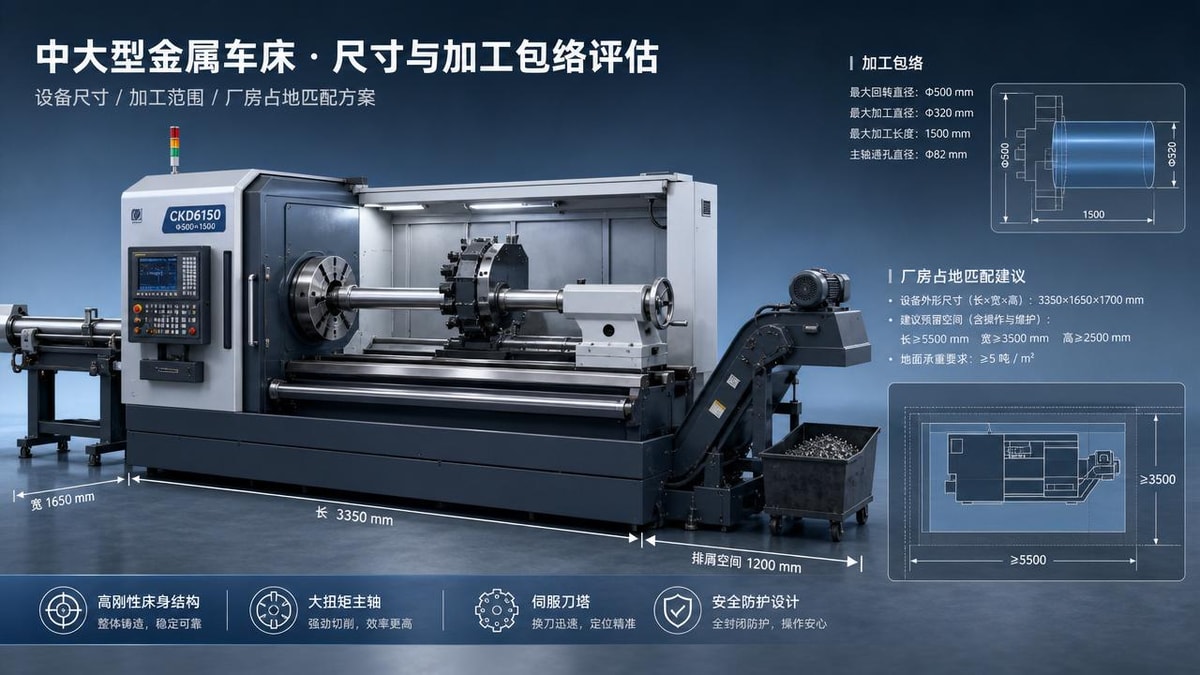
Choosing the wrong metal lathe size can create costly setup problems long before production begins. For technical evaluators, issues such as insufficient swing, limited bed length, poor tooling clearance, and oversized machine footprints often lead to inefficient layouts, process constraints, and future upgrade pressure. This article explains the most common sizing mistakes and how to avoid them during equipment assessment.
A checklist approach is the fastest way to evaluate a metal lathe because size mistakes rarely come from one obvious number. A machine may look suitable on paper yet still fail when a real chuck, tailstock, toolholder, part overhang, chip flow path, loader, or safety zone is added. For technical assessment teams, the goal is not simply to match a catalog specification. It is to confirm whether the selected metal lathe will support stable setup, realistic process routing, maintenance access, and future production changes without creating avoidable headaches.
Start with the sizing questions that matter most
Before comparing models, evaluators should align on the application boundaries. The right metal lathe size depends on actual workpiece dimensions, clamping method, cutting envelope, and plant conditions. Many purchasing errors happen because teams review maximum turning diameter and center distance first, while ignoring less visible constraints that affect setup from day one.
- What is the largest raw stock size, not just the finished part size?
- Will parts be held in a chuck, collet, between centers, steady rest, or special fixture?
- How much tool clearance is needed for roughing, finishing, grooving, drilling, or live-tool operations?
- Does the process require tailstock travel, sub-spindle space, bar feeder support, or robot loading clearance?
- Can the shop floor accommodate machine footprint, chip conveyor, electrical cabinet access, coolant systems, and operator movement?
- What future parts or contract variations could push the metal lathe beyond today’s nominal size requirement?
If these questions are answered early, equipment evaluation becomes more reliable. If they are skipped, a machine can pass formal review and still become difficult to install, tool, maintain, or scale.
Core checklist: the metal lathe size mistakes that create setup headaches
1. Choosing swing over bed based only on nominal part diameter
One of the most common mistakes is selecting a metal lathe whose swing seems adequate for the part drawing, but not for the real setup. Raw stock can be larger than the finished OD. Jaw projection, custom fixtures, and tool approach angles also consume usable space. A machine with marginal swing often forces awkward tooling choices, limits insert access, and increases collision risk.
Priority check: validate maximum rotating envelope with chuck jaws, boring bars, clearance for tool change, and any irregular stock conditions. Do not rely on finished geometry alone.
2. Underestimating the effect of bed length on actual process capability
A second sizing error is assuming center distance equals usable machining length. In practice, chuck body length, tailstock quill extension, center drill depth, part stick-out, and cutoff strategy all reduce effective capacity. On long shafts, this becomes critical. The metal lathe may technically accept the workpiece, yet still lack practical room for stable support and tool travel.
Priority check: map the entire setup stack, from spindle face to final tool position. Include support devices such as steady rests and follower rests where relevant.
3. Ignoring tooling envelope and turret interference
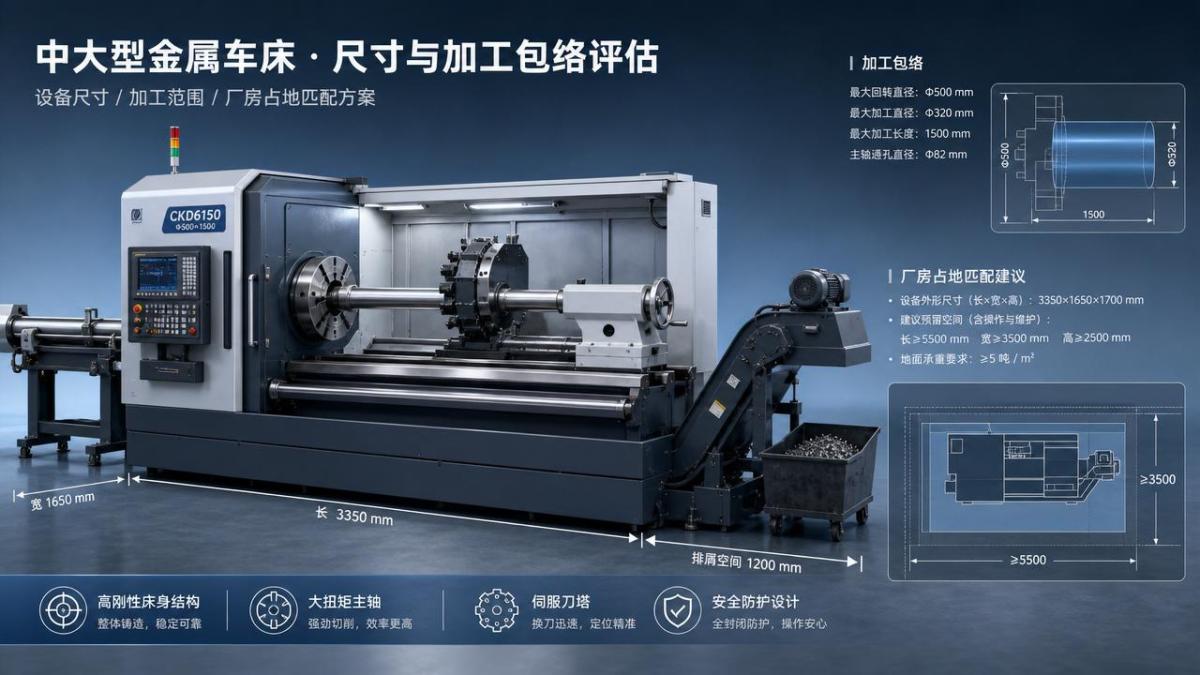
Technical teams sometimes size the metal lathe around part envelope but fail to assess the full tooling package. Larger diameter parts may require longer tools, heavier boring bars, special holders, or dual-station tooling. On compact machines, the turret or cross-slide may interfere with the chuck, tailstock, or guarding before the programmed path is complete.
Priority check: simulate or sketch the roughing and finishing tool paths with realistic holder dimensions. Include insert approach, retract path, and probing tools if required.
4. Selecting an oversized machine without checking footprint consequences
Bigger is not always safer. An oversized metal lathe may create a different class of setup headache: inefficient factory layout, difficult material flow, blocked maintenance access, and higher utility burden. It may also increase cycle inefficiency if the application involves small precision components that do not benefit from a larger turning envelope.
Priority check: evaluate not only machine footprint, but also service clearance, chip conveyor discharge area, bar feeder length, coolant tank extraction path, and crane or forklift access. A large machine that fits physically but disrupts workflow can reduce plant productivity.
5. Forgetting spindle bore and bar capacity during size evaluation
A metal lathe can have enough swing and bed length yet still become operationally limiting if spindle bore is too small. This creates repeated secondary handling, extra sawing steps, or the need to rework process plans around shorter blanks. For bar-fed production, spindle capacity may be a more important sizing factor than swing.
Priority check: compare raw material diameter, bar stock standard sizes, spindle liner needs, and expected production mode. If through-spindle feeding is part of the business case, this item should be treated as a hard gate.
6. Overlooking tailstock, sub-spindle, or support equipment travel limits
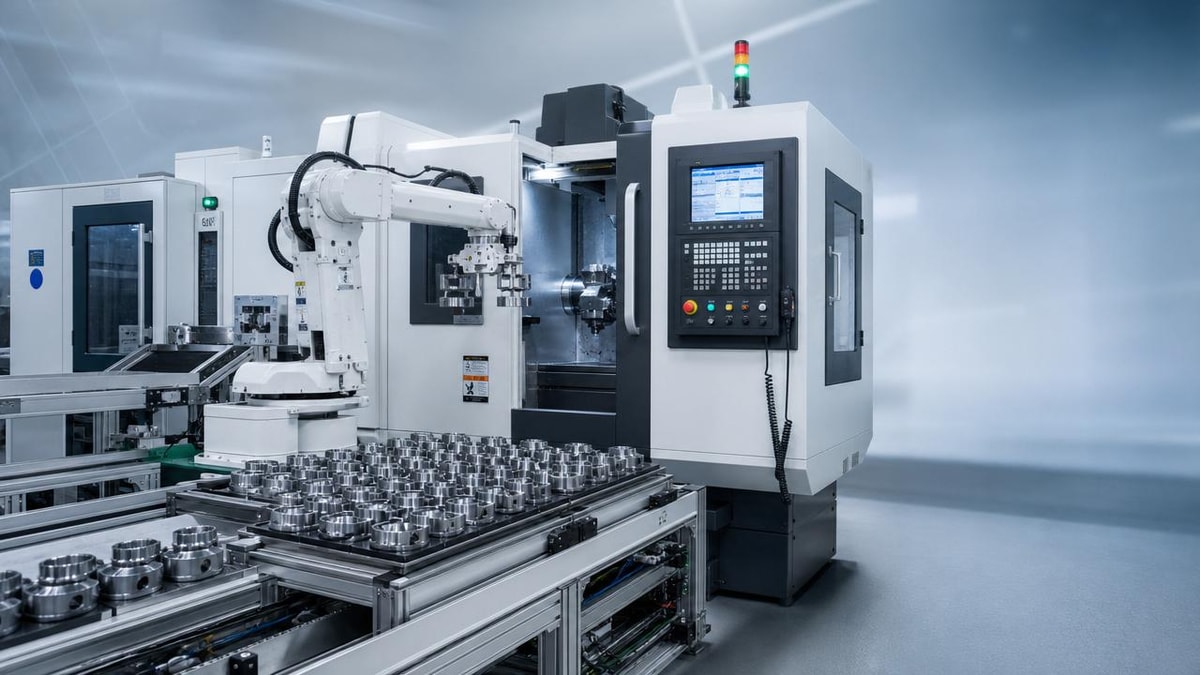
Sizing errors often appear when optional equipment is added after machine selection. A metal lathe that seems suitable for simple chucking may become cramped once a tailstock, part catcher, gantry loader, or sub-spindle handoff sequence is introduced. This is especially important in automated lines and lights-out plans.
Priority check: define the complete process architecture early. If the machine must evolve from manual loading to automated handling, size decisions should reflect that future state.
Use this practical assessment table before approving a machine
For technical evaluators in CNC and precision manufacturing, a structured review helps separate catalog suitability from real deployment readiness. The table below can be used as a screening tool for any metal lathe under consideration.
Different application scenarios require different sizing priorities
Not every metal lathe evaluation should use the same weighting. The right size decision changes by production scenario, industry segment, and process stability target.
High-mix, low-volume job shops
Flexibility matters more than single-part optimization. Evaluators should favor a metal lathe with enough swing, travel, and tooling adaptability to cover changing order profiles. However, excessive oversizing can still waste floor space and raise nonproductive time.
Automotive and repeat production
Cycle consistency, bar capacity, loader integration, and chip evacuation often matter more than broad envelope range. A metal lathe that is slightly larger but easier to automate may outperform a tighter fit machine that struggles with feeding or part transfer.
Aerospace and long-shaft applications
Bed length, support rigidity, and real support device placement are central. Evaluators should be careful not to treat nominal center distance as usable process length. Long-part vibration and support location must be considered in the size review.
Precision electronics and small-part production
A large metal lathe may be unnecessary and inefficient. Smaller machines can provide better accessibility, lower utility cost, and faster setup for compact workpieces, provided spindle and tooling requirements are matched correctly.
Common blind spots that technical teams should flag early
- Using only vendor brochure data without reviewing actual setup drawings or sample process sheets.
- Comparing a new metal lathe to current parts only, while ignoring the likely future part family.
- Failing to involve tooling engineers, automation engineers, maintenance staff, and plant layout personnel in the sizing review.
- Treating optional equipment as a later purchasing phase instead of a sizing input from the beginning.
- Ignoring operator ergonomics and service access, which often become hidden setup delays after installation.
Execution advice: how to avoid metal lathe sizing errors during assessment
A disciplined evaluation process is usually more valuable than any single specification. If your team is screening a metal lathe for a new line, replacement project, or export manufacturing site, use these execution steps:
- Create a worst-case part envelope sheet that includes raw stock, chucking method, support method, and full tool reach.
- Request layout drawings showing machine body, peripheral equipment, maintenance area, and material handling direction.
- Run at least one setup simulation for the largest and longest expected part, not just the current best-selling item.
- Check whether spindle bore, turret capacity, and optional accessories support the intended production mode.
- Review the next three to five years of product mix change before finalizing the metal lathe size.
In the CNC machine tool industry, machine size is not a standalone purchasing parameter. It connects directly to automation strategy, floor planning, tooling investment, and long-term manufacturing flexibility. That is why technical evaluators should treat metal lathe sizing as a cross-functional decision rather than a catalog comparison exercise.
FAQ for technical evaluators
Is it safer to buy a larger metal lathe just in case?
Not always. A larger metal lathe can reduce certain envelope risks, but it may introduce layout inefficiency, higher operating cost, and lower suitability for smaller precision parts. The better approach is to size for realistic maximum application plus verified future needs.
What specification is most often underestimated?
Usable turning length and spindle bore are frequently underestimated. Both can create major setup and material handling problems even when swing appears acceptable.
When should automation be considered in a sizing decision?
At the beginning. If a metal lathe may later use a bar feeder, robot, gantry, or part catcher, those requirements should be included in the original sizing review.
What to prepare before the next supplier discussion
If your company wants to move from general comparison to a confident decision, prepare a clear information pack before speaking with machine suppliers or integration partners. Include part family ranges, raw stock dimensions, expected clamping methods, target cycle strategy, automation plans, available floor space, utility constraints, and likely expansion scenarios. With that information, it becomes much easier to confirm whether a metal lathe is correctly sized for current production and future growth.
For technical evaluation teams in precision manufacturing, the best next step is to ask suppliers to validate setup envelope, accessory compatibility, installation footprint, lead time, upgrade path, and total application fit—not just the machine’s headline dimensions. That is the most reliable way to avoid metal lathe size mistakes that create setup headaches later.
PREVIOUS ARTICLE
Recommended for You
 Industrial Robotics payback depends on more than labor savingsManufacturing Market Research Center
 Shaft Parts machining problems that show up after final inspectionCNC Machining Technology Center
 Which Production Process changes bring the fastest output gains?CNC Machining Technology Center
 Industrial Automation projects fail when integration is underestimatedCNC Machining Technology Center
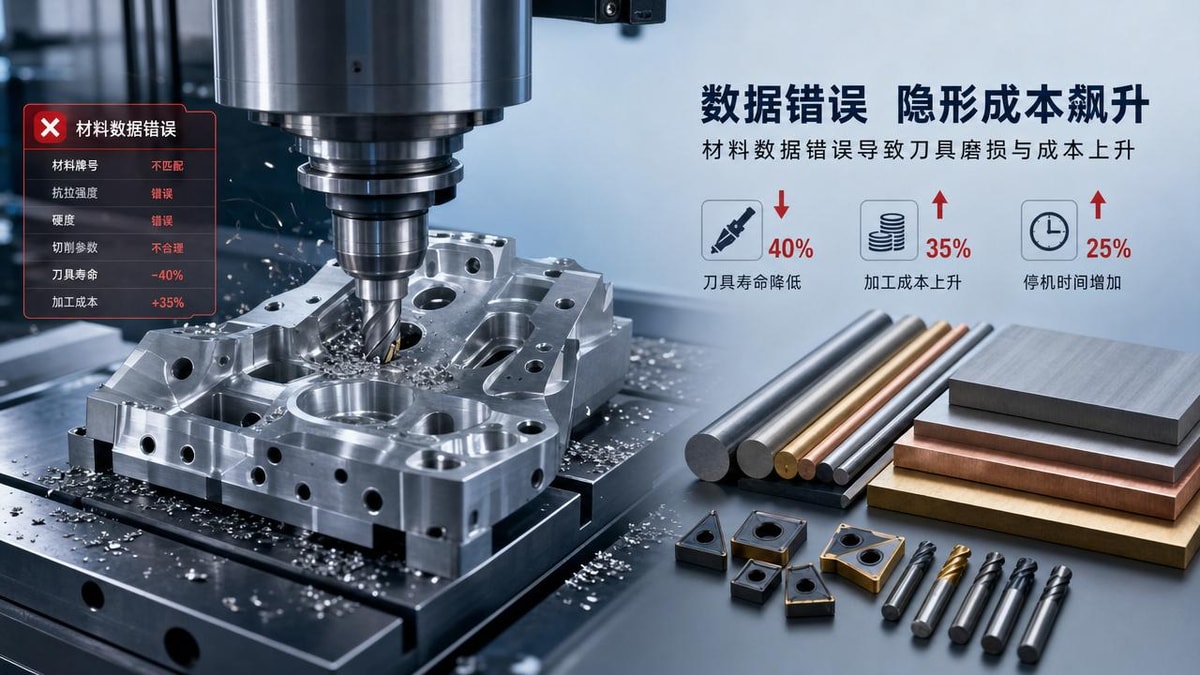
 CNC metal cutting costs rise fast when material data is wrongCNC Machining Technology Center
 High precision lathe claims to verify before accepting deliveryMachine Tool Industry Editorial Team




Aris Katos
Future of Carbide Coatings
15+ years in precision manufacturing systems. Specialized in high-speed milling and aerospace grade alloy processing.
▶
Vertical lathe or horizontal setup for large diameter parts?CNC Machining Technology Center▶
Metal lathe size mistakes that create setup headaches laterCNC Machining Technology Center▶
Industrial Turning Jobs That Need Process Review Before QuotingCNC Machining Technology Center▶
Industrial Lathe Accuracy Problems That Look Like Tool WearCNC Machining Technology Center▶
Automated Lathe or Manual Setup: Where Downtime Really HidesCNC Machining Technology Center
Mastering 5-Axis Workholding Strategies
Join our technical panel on Nov 15th to learn about reducing vibrations in thin-wall components.

Providing you with integrated sanding solutions
Before-sales and after-sales services
Comprehensive technical support