• Global CNC market projected to reach $128B by 2028 • New EU trade regulations for precision tooling components • Aerospace deman
NYSE: CNC +1.2%LME: STEEL -0.4%

Metal lathe finish problems often come from worn slideways
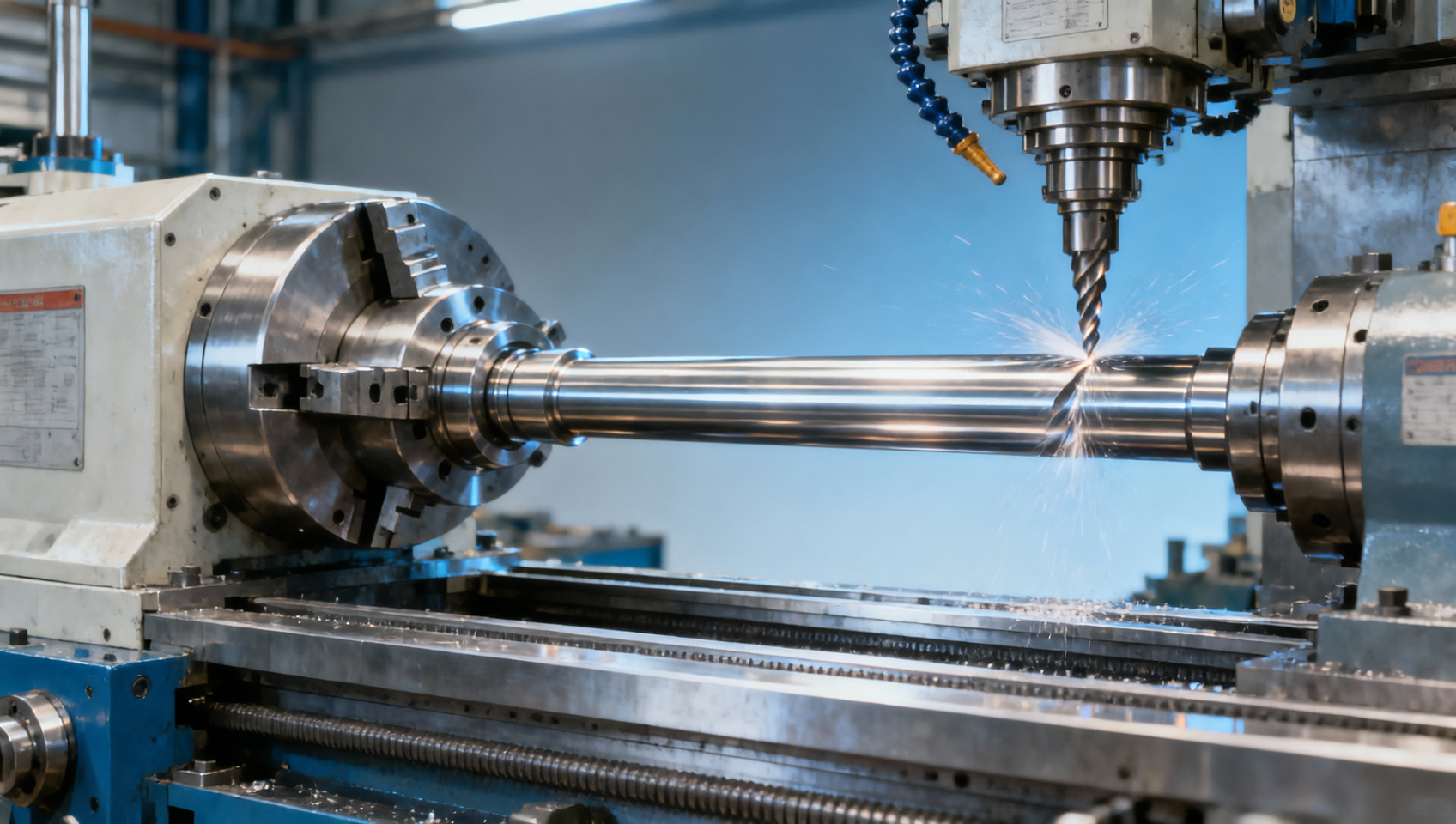
Poor surface finish on a metal lathe is often a sign of worn slideways, not just tooling or CNC programming errors. In metal machining and industrial CNC environments, this issue can affect accuracy, shaft parts quality, and overall production process stability. This article explains how slideway wear influences CNC metalworking performance and what operators, buyers, and manufacturing decision-makers should check before finish defects lead to higher costs.
In practical shop-floor conditions, finish defects rarely come from one variable alone. A poor surface on turned shafts, sleeves, or precision discs may start with chatter, taper, or stick-slip motion that traces back to the machine’s guideway condition. For companies running CNC lathes in 2-shift or 3-shift production, this can quickly turn into scrap, rework, and unstable cycle times.
For operators, the key question is how to identify slideway wear before it damages part quality. For procurement teams, the concern is how to assess used machines, retrofit options, and maintenance contracts. For plant managers and decision-makers, the issue is broader: how finish consistency affects throughput, customer acceptance, and long-term asset value in precision manufacturing.
How Worn Slideways Affect Surface Finish on Metal Lathes
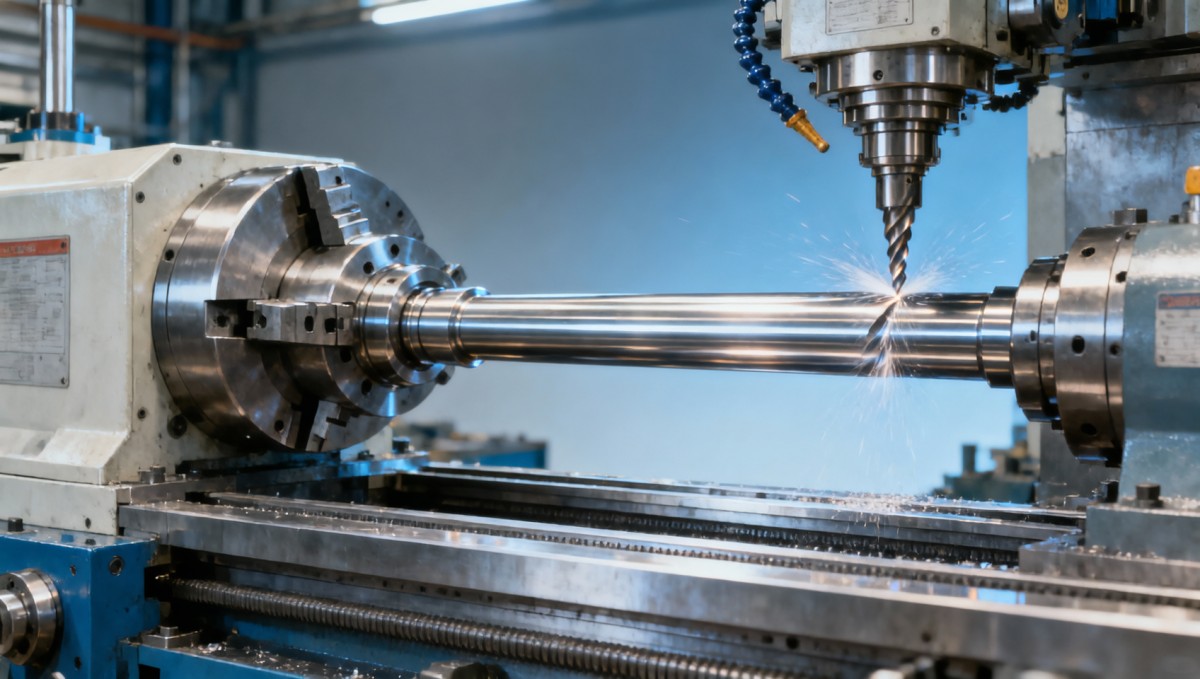
Slideways guide the movement of the carriage, cross slide, and sometimes tailstock-related support systems. When these surfaces wear unevenly, the cutting tool no longer follows a stable path. Even a small deviation in travel can produce visible waviness, poor Ra values, or inconsistent diameters across a 150 mm to 500 mm turning length.
In metal lathe work, finish quality is strongly linked to repeatable motion. A machine may still hold rough dimensions on short parts while failing on longer shafts. This is why operators often misread the problem as an insert grade issue, spindle imbalance, or feed-rate mismatch, when the deeper cause is worn slideways changing the cutting geometry during travel.
The effect becomes more obvious in CNC metalworking where tolerance expectations are tighter. For example, a machine targeting cylindricity within 0.01 mm may start producing parts with visible finish bands once the guideway wear creates micro-lift, side drift, or uneven resistance. These defects are often more visible on alloy steel, stainless steel, and hardened materials than on free-cutting mild steel.
Another hidden issue is friction inconsistency. Slideways with localized wear can create stick-slip behavior, especially at low feed rates such as 0.05 mm/rev to 0.15 mm/rev during finish passes. The result is not just a rough surface, but also poor tool life because the insert sees interrupted contact instead of smooth engagement.
Typical finish symptoms linked to guideway wear
- Repeating feed marks that remain after changing inserts, coolant concentration, or spindle speed.
- Taper on long turned parts, often becoming measurable after 200 mm to 300 mm of travel.
- Surface waviness near the chuck or at the far end, depending on where wear is concentrated.
- Chatter that appears mainly during finish cuts rather than roughing passes.
- Inconsistent surface quality between the first 10 parts and the next 50 parts in the same production batch.
Why this matters in production environments
In automotive, aerospace support machining, energy equipment, and industrial component production, surface finish is not only a cosmetic metric. A shaft with poor finish can affect bearing fit, seal performance, coating adhesion, and dynamic balance. If a line produces 300 to 800 turned parts per day, even a 3% rise in finish-related rejects can create a meaningful monthly cost burden.
How to Diagnose Slideway Wear Instead of Blaming Tooling First
A disciplined diagnosis process prevents wasted spending on inserts, holders, and machine parameter changes that do not solve the root cause. Many factories replace tooling two or three times before checking machine geometry. That sequence increases downtime and clouds the real source of the finish problem.
The first step is to compare finish defects under controlled conditions. Run the same material, same insert nose radius, same spindle speed, and same feed on two different machines if possible. If one machine consistently produces poorer finish under identical conditions, the machine structure and motion system become the primary suspects.
The second step is mechanical inspection. Check lubrication flow, gib adjustment, backlash trends, carriage drag consistency, and geometric alignment. A machine that feels smooth over the first 100 mm of travel but tight or loose beyond that zone often indicates wear concentrated in its most frequently used cutting range.
The table below helps separate slideway-related symptoms from other common causes. This is especially useful for maintenance teams, operators, and buyers evaluating second-hand CNC lathes before purchase.
A key conclusion is that surface finish can fail before dimensional control fully fails. That makes slideway wear easy to overlook. In many plants, finish complaints appear 3 to 6 months before operators record major geometry deviations, especially on machines used for repetitive shaft machining in a narrow carriage travel zone.
A practical 5-point inspection routine
- Check lubrication delivery and confirm oil reaches the full slideway length.
- Measure carriage movement consistency across at least 3 travel positions.
- Test a finish cut on a straight bar of 200 mm to 300 mm length.
- Compare roughness and diameter near the chuck, center, and far end.
- Review maintenance records for gib adjustment, scraping, or regrinding history.
Operational Risks, Quality Costs, and Where Finish Problems Become Expensive
When worn slideways are ignored, the cost is broader than a rough-looking part. Finish defects often trigger secondary losses: slower feeds to hide vibration, extra polishing, shorter insert life, and repeated setup changes. In medium-volume production, this can reduce effective machine utilization by 5% to 12% over a quarter without any single dramatic breakdown.
For buyers and plant managers, the most serious risk is false economy. A lower-cost used lathe may appear acceptable during a short acceptance test, especially if only short parts are run. But once production shifts to 250 mm or 400 mm shafts with tighter finish requirements, hidden slideway wear can lead to rejected batches, customer complaints, and delayed delivery schedules.
The impact is also material-dependent. Aluminum may still show acceptable finish on a worn machine, while alloy steels, stainless steels, and heat-treated bars quickly reveal instability. Shops serving energy equipment and precision machinery customers should therefore evaluate finish performance on the actual workpiece family, not just generic test material.
The following comparison outlines how slideway-related finish issues translate into production and purchasing consequences.
This is why finish quality should be treated as an early warning signal. In precision manufacturing, visible finish deterioration is often cheaper to investigate immediately than to manage later through rework, customer sorting, or emergency machine replacement.
Common mistakes that increase hidden cost
- Running acceptance tests on short sample parts under 100 mm only.
- Judging machine condition by spindle sound while ignoring carriage behavior.
- Assuming a CNC control upgrade solves a mechanical wear problem.
- Comparing machines only by power, chuck size, or axis count without checking guideway condition.
What Operators, Buyers, and Decision-Makers Should Check Before Buying or Repairing
The right response depends on machine age, part mix, tolerance level, and production volume. A repair decision that makes sense for a low-volume maintenance workshop may not be suitable for a high-throughput CNC turning cell producing 1,000 similar parts per week. The evaluation should therefore combine technical inspection with business needs.
Operators should focus on repeatability in daily production. Buyers should focus on measurable machine condition and post-sale support. Decision-makers should compare repair cost, downtime duration, remaining machine life, and the revenue risk of unstable quality. In many cases, the question is not simply whether slideways are worn, but whether the wear level still fits the target application.
Before committing to a used machine purchase, retrofit, or rebuild, it helps to use a structured checklist. The table below covers practical points relevant to CNC lathes used in automotive components, precision shafts, industrial fittings, and general engineering parts.
The checklist shows that procurement should not focus only on machine price. In B2B manufacturing, the more relevant calculation is total operating value over 12 to 36 months. A machine with a higher initial service cost may still produce lower total cost per part if it maintains stable finish and fewer interruptions.
Repair, retrofit, or replace?
A practical decision framework
- If finish defects are mild and wear is localized, lubrication correction and gib adjustment may stabilize output in the short term.
- If geometry drift is measurable and finish fails on medium-length parts, slideway reconditioning or scraping may be justified.
- If the machine also suffers spindle wear, servo aging, and control obsolescence, full replacement may offer better 2-year to 5-year economics.
Maintenance, Prevention, and FAQ for Stable CNC Turning Performance
Preventive maintenance is still the lowest-cost strategy. Many slideway problems accelerate because lubrication intervals are stretched, contamination is ignored, or operators repeatedly work in the same short travel range without periodic full-stroke movement and inspection. In busy machining plants, a 15-minute weekly check can prevent months of unstable finish quality.
A practical prevention plan should include daily lubrication checks, weekly way condition inspection, monthly geometry review on critical machines, and scheduled test cuts using representative materials. For production cells with high-value shaft components, roughness verification every 1 to 2 weeks is often more economical than waiting for customer complaints.
For organizations building or upgrading smart manufacturing lines, machine condition monitoring should include mechanical health, not just control software and connectivity. Surface finish data, tool consumption trends, and carriage load anomalies can provide early signals that a guideway issue is developing.
FAQ: questions commonly asked by shops and buyers
How often should slideways be checked on a production lathe?
For machines running 1 shift, a monthly check may be sufficient. For 2-shift or 3-shift production, inspect lubrication and travel consistency weekly, and perform a more formal geometry and finish verification every 1 to 3 months depending on tolerance level and part value.
Can CNC programming compensate for worn slideways?
Programming can sometimes reduce visible defects by changing feed, speed, or cut sequence, but it cannot eliminate mechanical instability. Compensation may help temporarily on non-critical parts, yet it does not restore true linear motion or reliable finish across varying lengths and materials.
What roughness change should trigger investigation?
If a process that normally holds a stable finish begins drifting beyond its accepted internal range, such as moving from Ra 1.6 to Ra 3.2 on the same material and setup, the machine should be inspected. The exact threshold depends on customer specification, but any repeated deterioration without tooling explanation deserves attention.
Is a used lathe with worn slideways always a poor purchase?
Not always. If the intended work is low-precision repair, short-part machining, or secondary operations, moderate wear may be acceptable at the right price. For precision shafts, repetitive batch turning, or export-focused production, however, slideway condition should be treated as a primary purchase criterion.
Poor finish on a metal lathe is often a mechanical warning, not merely a tooling inconvenience. Worn slideways can reduce dimensional consistency, shorten tool life, and disrupt batch stability long before a machine is declared unusable. For operators, that means checking motion behavior as carefully as insert condition. For buyers and decision-makers, it means evaluating guideway health alongside price, control features, and spindle specifications.
If your production line is seeing unexplained finish defects, unstable shaft quality, or rising rework cost, now is the right time to review machine condition, inspection methods, and repair options. Contact us to discuss your application, obtain a tailored evaluation approach, or learn more solutions for CNC machining and precision manufacturing operations.
Recommended for You
 What causes chatter in metal machining and how to stop itCNC Machining Technology Center
 Industrial CNC lead times are shifting in 2026Manufacturing Market Research Center
 When CNC industrial upgrades cut output instead of raising itMachine Tool Industry Editorial Team
 Automated lathe errors that often start with bar feedingMachine Tool Industry Editorial Team
 Why CNC metalworking scrap rates rise on thin wall partsCNC Machining Technology Center
 CNC cutting speed or finish quality: where losses beginCNC Machining Technology Center

Aris Katos
Future of Carbide Coatings
15+ years in precision manufacturing systems. Specialized in high-speed milling and aerospace grade alloy processing.
▶
Metal lathe taper problems often trace back to one setup issueCNC Machining Technology Center▶
Vertical lathe or horizontal setup for oversized ring partsCNC Machining Technology Center▶
Metal lathe finish problems often come from worn slidewaysCNC Machining Technology Center▶
Shaft parts manufacturers noticing vibration-induced surface finish issues at >8000 rpmCNC Machining Technology Center▶
Metal lathe users discovering coolant delivery inconsistencies in multi-axis setupsCNC Machining Technology Center
Mastering 5-Axis Workholding Strategies
Join our technical panel on Nov 15th to learn about reducing vibrations in thin-wall components.

Providing you with integrated sanding solutions
Before-sales and after-sales services
Comprehensive technical support