• Global CNC market projected to reach $128B by 2028 • New EU trade regulations for precision tooling components • Aerospace deman
NYSE: CNC +1.2%LME: STEEL -0.4%

CNC Milling Surface Finish Problems and What Usually Causes Them
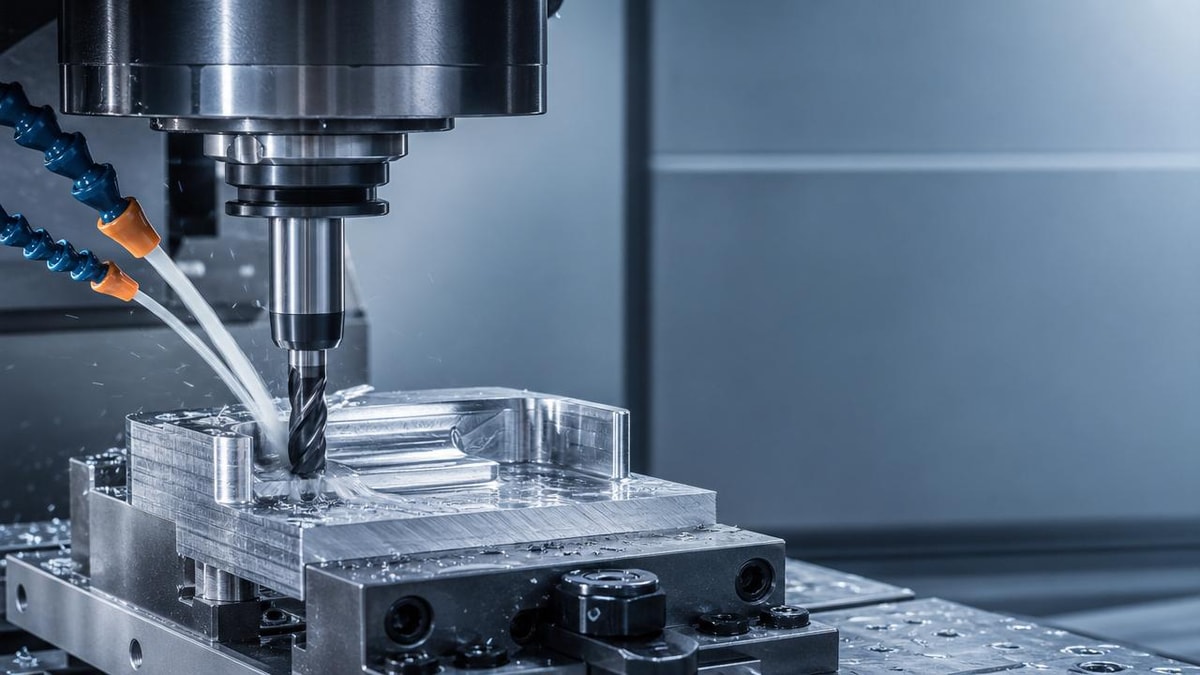
Poor surface quality in CNC milling can quickly lead to rejected parts, extra rework, and lost production time. For machine operators and shop users, understanding what causes rough finishes, visible tool marks, chatter, or inconsistent textures is essential for stable machining results. This article explains the most common surface finish problems in CNC milling and the practical reasons behind them, helping you identify issues faster and improve part quality more efficiently.
What surface finish problems appear most often in CNC milling?
In daily CNC milling work, surface finish problems rarely show up as just one simple defect. Operators usually see a combination of roughness, repeating cutter marks, waviness, chatter patterns, edge tearing, burrs, local burning, or uneven gloss. Even when dimensions are within tolerance, these finish issues can make a part unacceptable for assembly, sealing, coating, or visual inspection.
The most common complaint is that the machined surface does not look consistent from one part to the next. One component may come out smooth, while the next shows vibration marks or torn material. In CNC milling, this often points to instability in the cutting system rather than a single isolated mistake. Tool wear, spindle condition, fixturing weakness, poor cutting data, and material variation can all influence the final texture.
Another frequent problem is visible step-over marks after finishing passes. Some marks are normal, especially when toolpath spacing is large, but if the marks are deeper than expected or appear irregular, the issue may involve cutter runout, machine backlash, or incorrect finishing strategy. Understanding the exact appearance of the defect is the first step toward fixing CNC milling surface finish problems efficiently.
Why does chatter create such poor surface finish in CNC milling?
Chatter is one of the most damaging causes of poor surface quality in CNC milling because it affects both the cut and the machine structure at the same time. Instead of the tool removing material smoothly, the cutter vibrates and repeatedly strikes the workpiece. This leaves wave-like patterns, harsh noise, and an unstable finish that can change across the part.
In practical shop conditions, chatter usually comes from low rigidity somewhere in the machining system. The weakness may be in the tool holder, the spindle, the vise setup, the fixture, the part itself, or even excessive tool overhang. Long and slender end mills are common sources of instability. So are thin-wall components that flex during cutting. In these cases, even good programming cannot fully prevent surface defects if the setup is not rigid enough.
Cutting parameters also play a major role. A spindle speed that excites a vibration frequency can suddenly produce heavy chatter, while a small speed change may make the cut stable again. Feed rate, radial engagement, axial depth of cut, and toolpath entry style all influence the cutting load. In CNC milling, operators often improve finish by reducing overhang, increasing clamping support, adjusting spindle speed, using variable-pitch tooling, or changing the finishing pass strategy.
A useful habit is to separate roughing and finishing conditions more clearly. Roughing data may remove material quickly, but using the same aggressive conditions for the final pass often creates vibration marks. A lighter and more controlled finish pass usually produces better results.
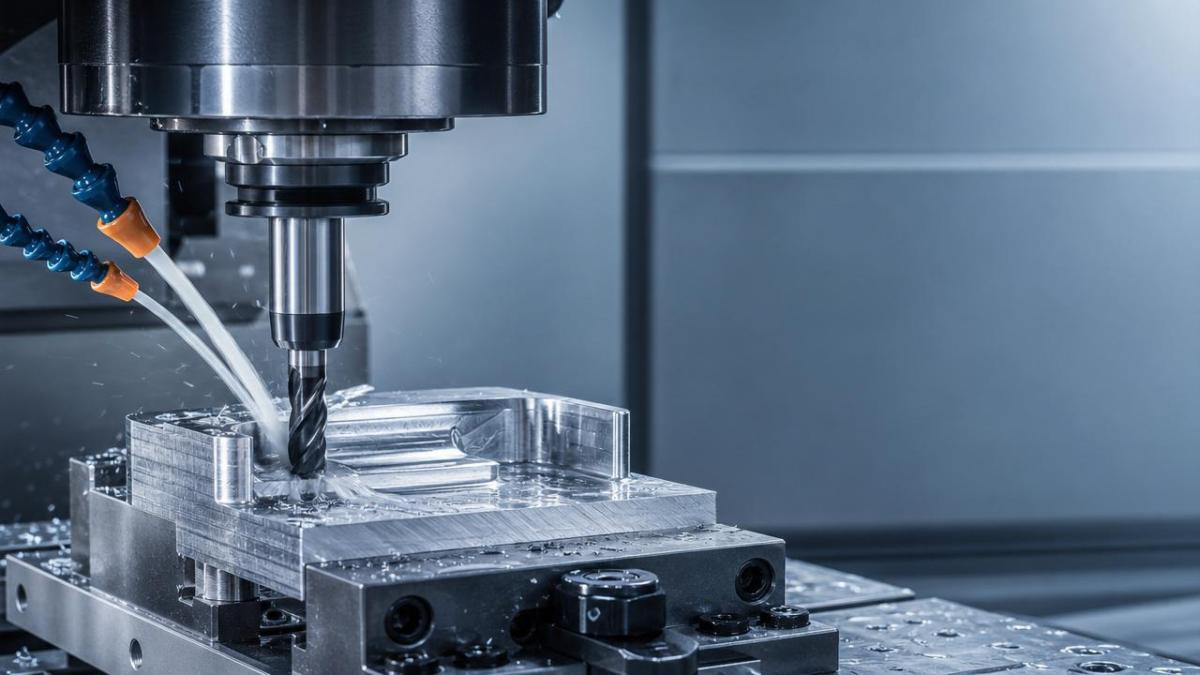
Can the cutting tool itself be the main reason for rough or inconsistent surfaces?
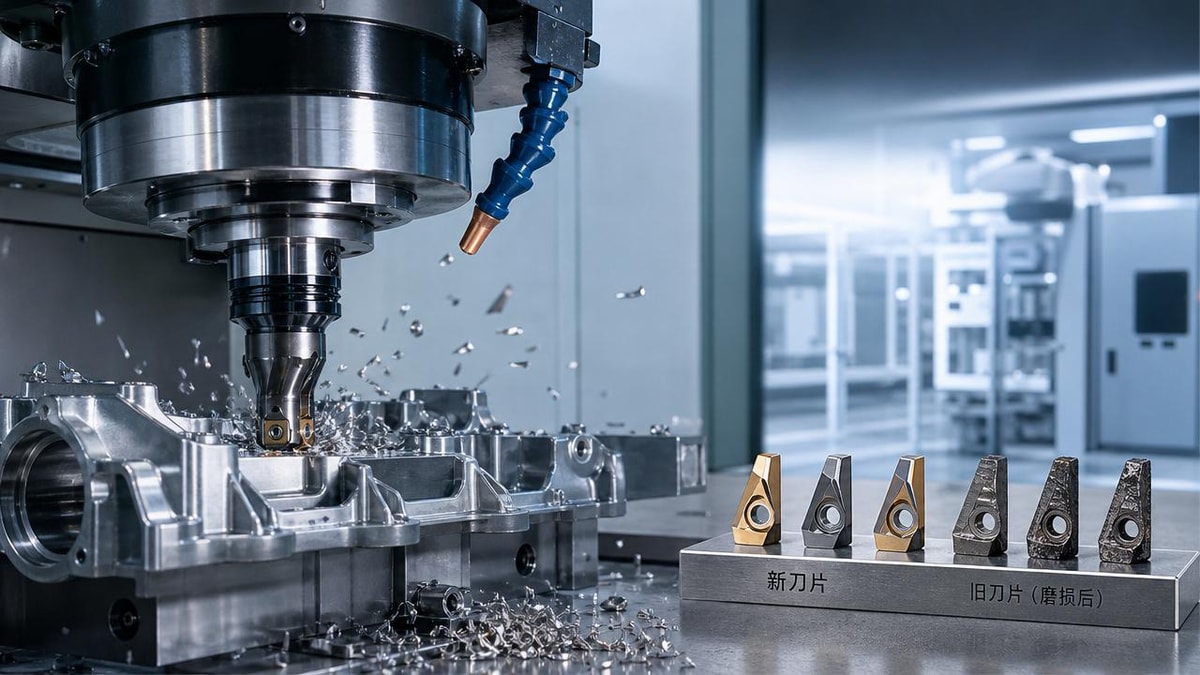
Yes, and in many CNC milling cases the cutting tool is the first thing that should be checked. A worn tool edge does not shear material cleanly. Instead, it rubs, pushes, or tears the surface. This can leave a dull finish, built-up edge, smeared metal, or burr formation around edges and slots. If the surface quality slowly gets worse over time, tool wear is often the most likely cause.
Tool geometry matters as much as tool wear. A tool designed for aluminum may not perform well on stainless steel, and a roughing end mill is not the best choice for a high-quality finishing pass. The number of flutes, helix angle, coating, corner radius, and edge preparation all affect how the material is cut. For example, too many flutes in gummy material can reduce chip clearance and damage the finish, while too few flutes in hard material may lower stability.
Runout is another hidden source of CNC milling finish problems. If one flute cuts more than the others because the tool is not centered properly, the result is uneven loading and visible tool marks. Runout can come from the collet, holder contamination, improper tool seating, spindle taper dirt, or damaged holders. Even a good tool can produce poor surface finish if the holding system is inaccurate.
Operators should also check whether the finish issue appears immediately after a tool change. If so, the problem may be incorrect tool length setting, poor holder condition, or mismatch between tool type and material. In high-precision CNC milling, tool selection is not only about tool life; it directly determines the achievable surface quality.
How do feeds, speeds, and toolpaths affect the final surface finish?
Many surface defects in CNC milling are caused not by broken equipment but by parameter combinations that are technically possible yet poorly matched to the operation. Surface finish depends on chip formation, cutter engagement, and machine stability. If feed per tooth is too high during finishing, the cutter leaves heavier marks. If it is too low, the tool may rub instead of cut, especially in difficult materials. Both extremes can reduce finish quality.
Spindle speed also changes the appearance of the surface. Too low a speed can increase cutting forces and tearing, while too high a speed may create heat, accelerate wear, or trigger vibration. In some situations, operators focus only on recommended catalog data and forget that actual machine condition, holder rigidity, and workpiece shape may require adjustment.
Toolpath planning is equally important in CNC milling. A poor finish may come from sharp directional changes, inconsistent cutter engagement, excessive step-over, or leaving too much stock for the final pass. When the remaining stock is uneven, the tool cuts heavier in some areas and lighter in others, causing visible texture changes. A constant stock allowance before finishing usually improves consistency.
Climb milling versus conventional milling can also affect the surface. In many materials, climb milling gives a cleaner finish because the cutter engages the material more efficiently. However, if backlash or setup weakness exists, the expected benefit may be lost. For practical troubleshooting, operators should review the whole process: roughing allowance, semi-finishing steps, final pass depth, step-over, entry method, and cutter direction.
Could the workpiece material or coolant condition be causing the problem?
Absolutely. In CNC milling, not every finish defect comes from the machine or the programmer. Material behavior strongly affects how the surface is formed. Soft aluminum can smear if the tool is not sharp or if chips are recut. Stainless steel may work harden and tear if the cut is unstable. Cast iron behaves differently from alloy steel, and plastics can melt or fuzz if heat is not controlled.
Even within the same material grade, differences in hardness, microstructure, residual stress, or raw stock quality can change the finish. Forged parts, welded structures, and flame-cut blanks often contain variable conditions that influence cutting forces. If the surface finish problem appears only in certain zones of the part, the material itself may be contributing to the issue.
Coolant performance is another factor that operators sometimes underestimate. Insufficient coolant flow can increase heat, especially in deep pockets or high-speed finishing. Poor coolant concentration may reduce lubricity, while dirty coolant can interfere with chip evacuation. In CNC milling, recutting chips is a common reason for random scratches and damaged finish. Air blast, mist, flood coolant, or through-tool systems should match the material and operation type.
If chips stay in the cut, they can be dragged across the fresh surface or hit by the tool again. This creates marks that may look like tool damage even when the edge is fine. Good chip evacuation is often one of the fastest ways to improve finish quality without major machine changes.
What should operators check first when surface finish suddenly gets worse?
When CNC milling surface finish drops unexpectedly, a structured check is much faster than changing random settings. Start with the simplest and most likely causes. Confirm whether the tool is worn, chipped, or installed incorrectly. Inspect the holder, collet, spindle taper, and tool overhang. Then verify whether the workpiece is clamped firmly and whether the fixture or vise has loosened.
Next, compare the current part with the last good part. Did the material batch change? Was the program edited? Was coolant pressure reduced? Did the tool offset change? Sudden problems often come from one recent change rather than a long-term machine defect. If no process change is obvious, listen to the machine during cutting. A new sound often indicates vibration, spindle trouble, or recutting chips.
The table below provides a practical troubleshooting reference for CNC milling users and operators.
What common mistakes make CNC milling surface finish harder to control?
A common mistake is trying to solve every finish problem by simply slowing down the feed rate. In CNC milling, lower feed is not always better. If the cutter starts rubbing, the surface may become worse, not better. Another mistake is using the same end mill for roughing and final finishing until it is clearly worn. By then, the surface quality may already be unstable.
Some operators focus only on tool brand or coating while ignoring setup rigidity. A premium tool cannot deliver a clean finish if the workpiece moves under load. Similarly, spending time on program optimization will not fully help if runout is excessive or if the spindle taper is dirty. In real CNC milling production, surface finish is a system result, not a single-variable result.
Another frequent error is leaving too much material for the final pass, especially on thin walls or deep pockets. The tool experiences varying forces, deflects more, and leaves inconsistent marks. It is also a mistake to ignore machine maintenance signs such as bearing noise, backlash growth, or poor lubrication. Surface finish often becomes the first visible warning before a larger machine problem appears.
For shops working across automotive, aerospace, electronics, energy equipment, and general precision manufacturing, stable finish control matters because it supports downstream quality, assembly accuracy, coating adhesion, and customer confidence. That is why practical troubleshooting discipline is more valuable than guessing.
How can users improve CNC milling surface finish in a practical, repeatable way?
The most effective way is to standardize the process around repeatability. Use the right tool for the material and finishing objective, minimize overhang, keep holders clean, and maintain consistent clamping. Separate roughing and finishing conditions. Leave controlled stock for the final pass, and use a finishing toolpath that keeps cutter load stable. These basic steps solve a large share of CNC milling finish problems before advanced troubleshooting is needed.
It also helps to document what good results look like. Record spindle speed, feed, step-over, depth of cut, tool life limits, coolant setup, and fixture method when a part runs well. Then, if the finish changes later, operators can compare conditions instead of relying on memory. In many modern shops, this simple discipline saves far more time than repeated trial-and-error adjustments.
If a finish target is especially demanding, users should confirm the required roughness value, surface function, and inspection method before changing the process. A cosmetic face, a sealing surface, and a bearing seat may all require different CNC milling strategies. If you need to confirm a more specific solution, process parameter range, tooling direction, cycle-time tradeoff, or cooperation approach with a supplier or technical partner, it is best to first discuss the workpiece material, machine type, finish requirement, tooling setup, and the exact appearance of the defect. These details will lead to faster diagnosis and more reliable surface quality improvement.
PREVIOUS ARTICLE
Recommended for You
 CNC Milling Capacity Gaps Can Hurt Small Batch ProfitabilityManufacturing Market Research Center
 Industrial Robotics Payback Is Changing in Mid-Size PlantsManufacturing Market Research Center
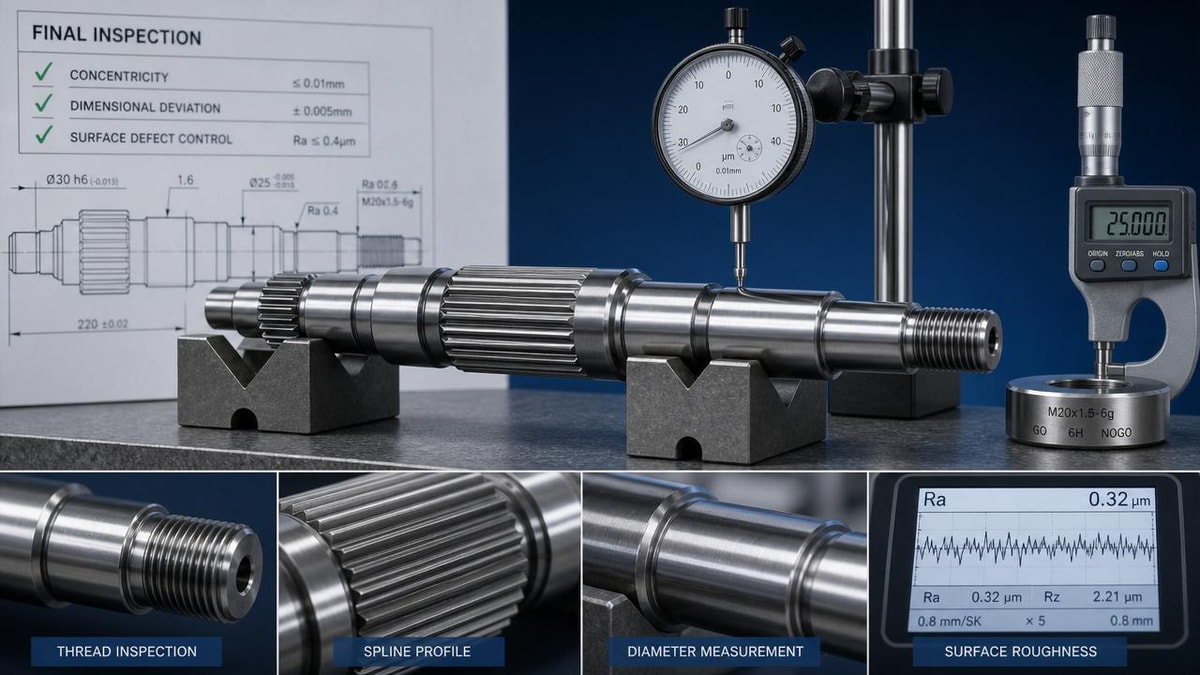
 Shaft Parts Machining Problems That Show Up at Final InspectionCNC Machining Technology Center
 Production Process Delays Usually Start Before Machining BeginsCNC Machining Technology Center
 Industrial Automation Projects Often Miss This Integration StepCNC Machining Technology Center
 CNC Metal Cutting Tool Wear Is Costing More Than You ThinkCNC Machining Technology Center

Aris Katos
Future of Carbide Coatings
15+ years in precision manufacturing systems. Specialized in high-speed milling and aerospace grade alloy processing.
▶
CNC Programming Issues That Cause Scrap on Repeat JobsCNC Machining Technology Center▶
CNC Milling Surface Finish Problems and What Usually Causes ThemCNC Machining Technology Center▶
When Does CNC Industrial Make Sense for Mixed-Part Runs?CNC Machining Technology Center▶
Can space-saving CNC manufacturing still handle heavy workloads?CNC Machining Technology Center▶
CNC milling tool paths that waste cycle time without noticeCNC Machining Technology Center
Mastering 5-Axis Workholding Strategies
Join our technical panel on Nov 15th to learn about reducing vibrations in thin-wall components.

Providing you with integrated sanding solutions
Before-sales and after-sales services
Comprehensive technical support