• Global CNC market projected to reach $128B by 2028 • New EU trade regulations for precision tooling components • Aerospace deman
NYSE: CNC +1.2%LME: STEEL -0.4%

CNC production delays often start with setup planning
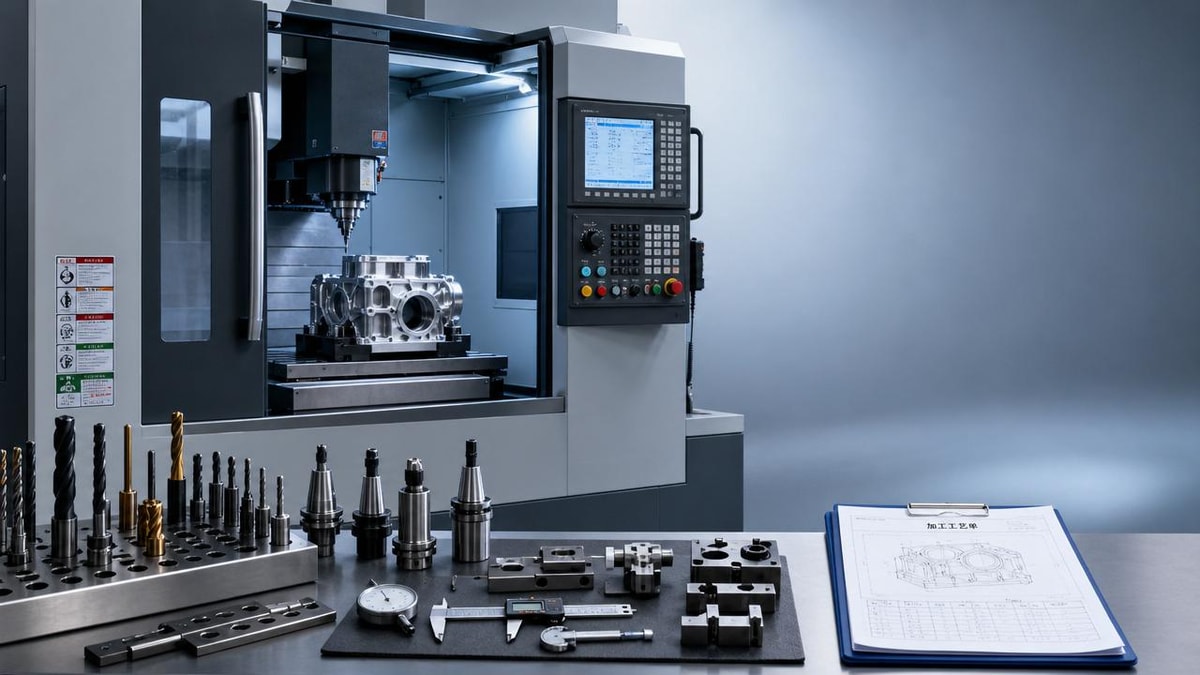
CNC production delays rarely begin on the shop floor—they often start with incomplete setup planning. For operators and production teams, poor tool preparation, unclear fixture arrangements, and missing process checks can quickly turn a precise job into wasted time and lost output. Understanding how setup planning affects efficiency is the first step to keeping machining schedules stable, accurate, and competitive.
Why does setup planning have such a big impact on CNC production?
In daily CNC production, many people associate delays with machine breakdowns, late material delivery, or programming errors. Those issues matter, but setup planning often creates the first hidden bottleneck. Before a spindle starts cutting, the job already depends on verified drawings, confirmed tooling, fixture readiness, zero-point strategy, workholding stability, material condition, and inspection checkpoints. If any of these pieces are uncertain, operators spend valuable time solving problems at the machine instead of producing parts.
For operators, setup planning is not just an office task done by engineering. It directly affects how smooth the shift will be. A complete setup plan reduces interruptions, prevents repeated offsets, and lowers the chance of scrap during first-piece approval. In industries such as automotive, aerospace, energy equipment, and electronics, even a short pause in CNC production can affect downstream assembly, delivery promises, and machine utilization across the line.
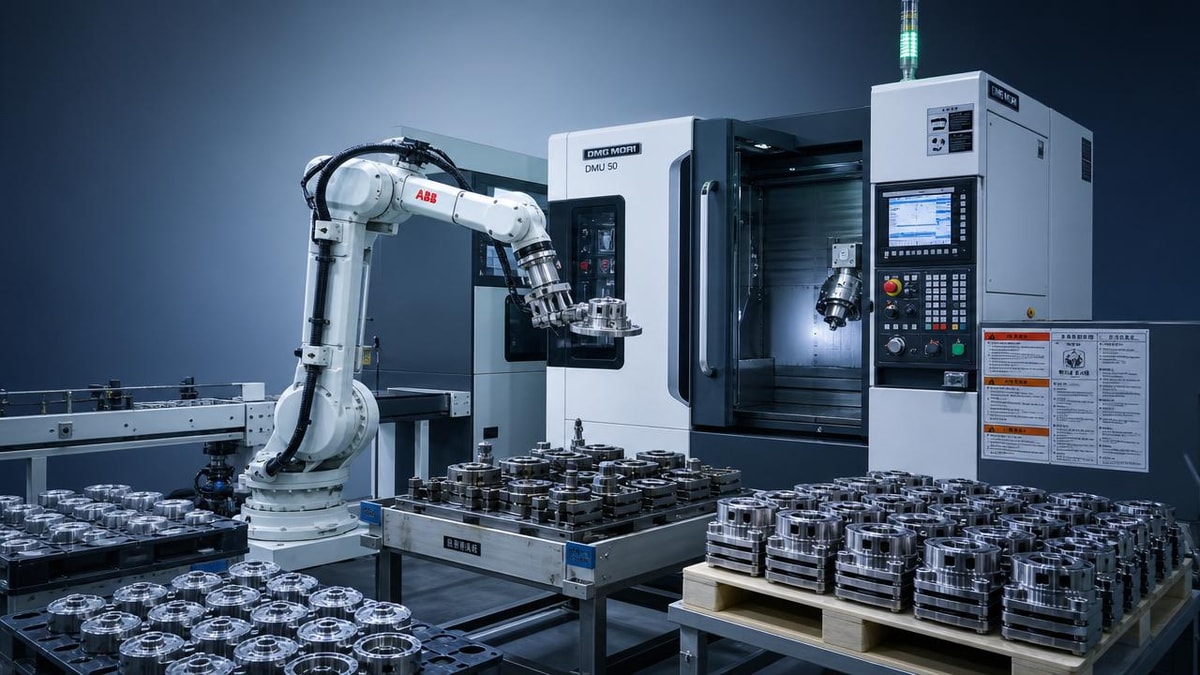
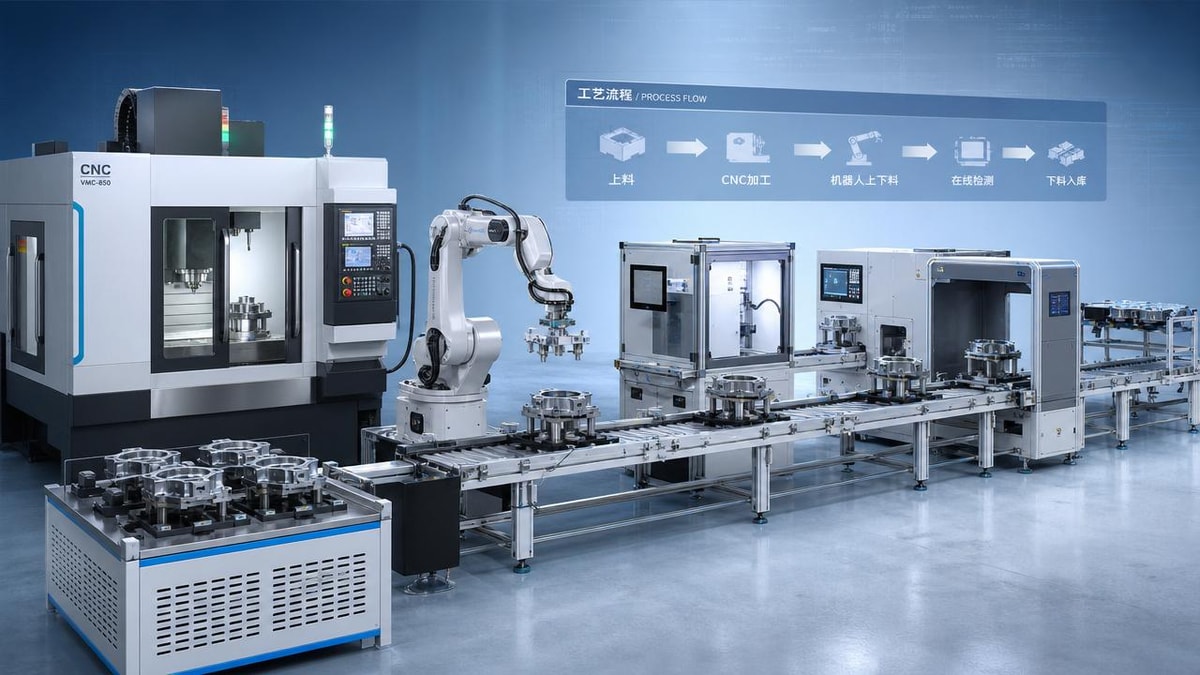
Good setup planning also supports the broader direction of modern manufacturing. As factories adopt automated production lines, smart scheduling, and multi-axis machining systems, every setup must be more predictable. A poorly prepared setup in one machining center can interrupt robot loading, disturb takt time, and create costly idle time for related operations.
What parts of setup planning most often cause delays?
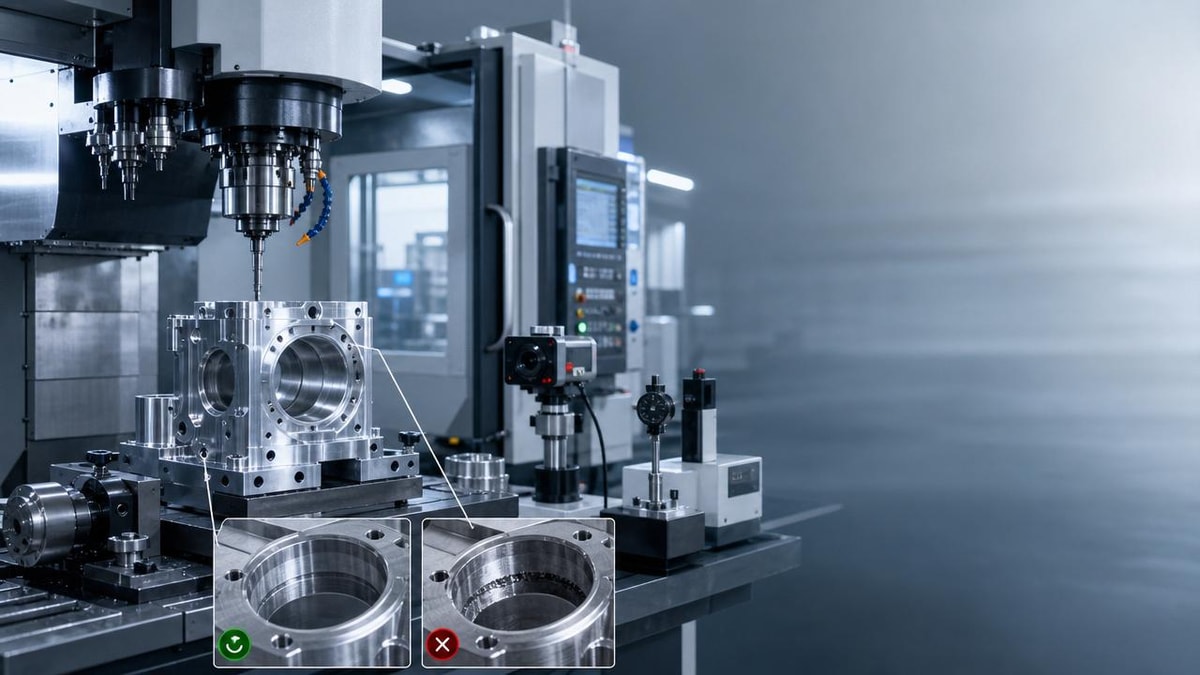
The most common setup-related delays in CNC production usually come from missing details rather than major failures. Operators often lose time when tools are not pre-measured, inserts are not matched to the material, fixture components are incomplete, or the setup sheet does not clearly define datum selection and clamping sequence. These problems seem small on paper, but they expand quickly once the machine is occupied and production is waiting.
Another frequent issue is mismatch between program intent and real shop conditions. A machining program may be technically correct, yet the planned tool reach, holder clearance, or fixture access may not match the available setup. The result is manual adjustment, trial cutting, or even a rushed fixture change. In high-mix manufacturing, this is one of the fastest ways to disrupt CNC production flow.
Material and part-prep errors also create early losses. If stock allowance is inconsistent, raw parts are not deburred, or previous process dimensions vary too much, the setup becomes unstable before machining quality can be trusted. The operator then has to compensate for upstream variation, which adds risk and consumes cycle time.
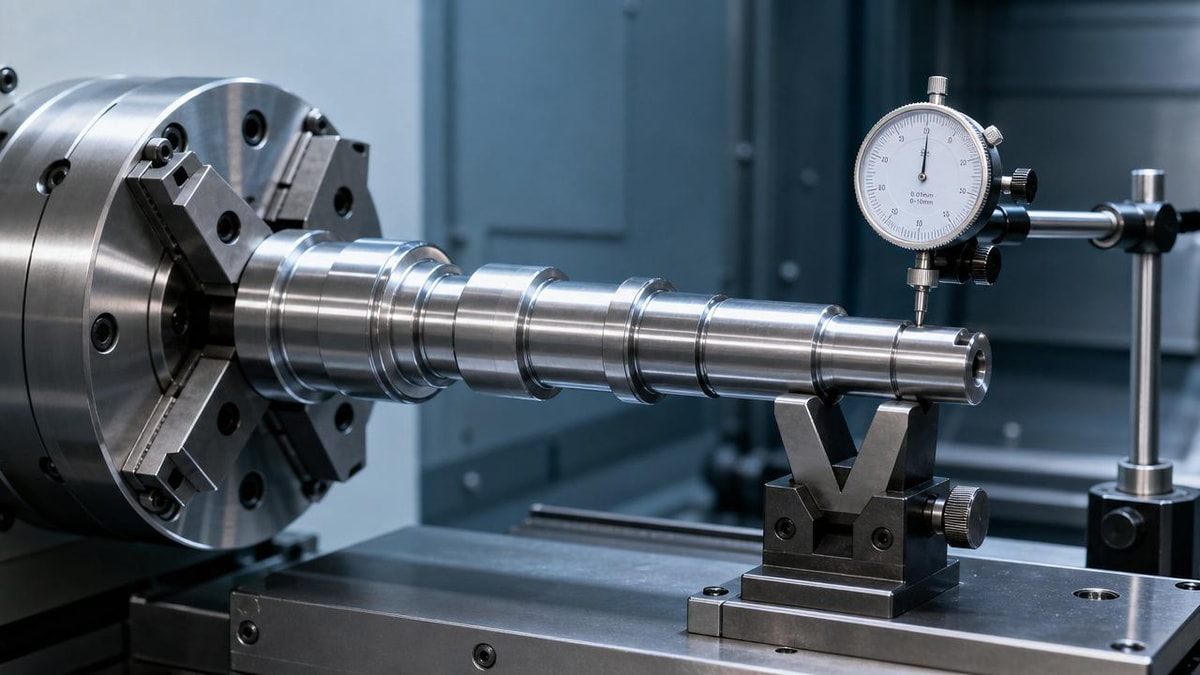
When these points are addressed before setup begins, CNC production becomes more stable, especially in environments handling precision shafts, discs, structural parts, and complex multi-axis work.
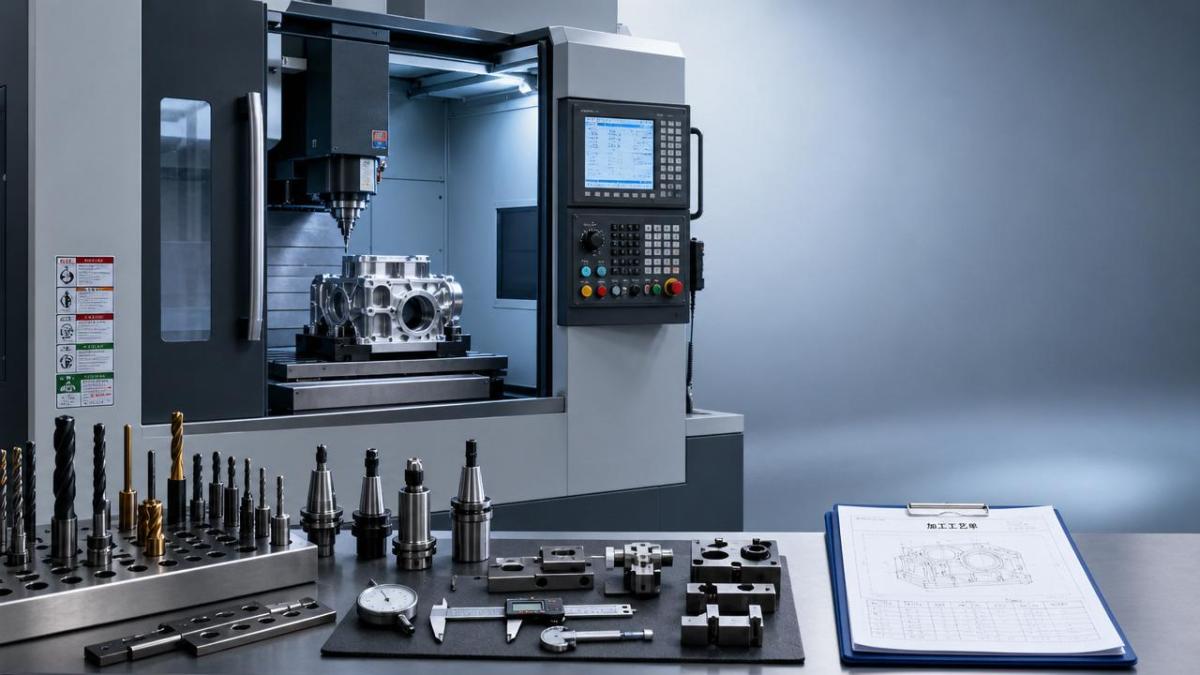
How can operators tell whether a setup plan is strong enough before machining starts?
A strong setup plan gives the operator confidence without forcing guesswork. One practical test is simple: if the machine is ready, can the operator begin the setup without needing multiple clarifications from programming, tooling, quality, or supervision? If not, the setup plan is incomplete.
Operators should review five core areas. First, the tool package must be complete, measured, and matched to both material and feature type. Second, workholding must support rigidity, access, chip evacuation, and repeatability. Third, the setup sheet must clearly define datums, offsets, and orientation. Fourth, the first-piece inspection plan must identify critical dimensions and acceptance methods. Fifth, the estimated setup time should be realistic enough to support scheduling decisions.
In advanced CNC production environments, digital setup support also matters. Tool presetting systems, fixture libraries, and standardized setup documents can reduce variation between shifts and different operators. This is especially useful in companies running multiple machining centers, CNC lathes, or automated cells where consistency is as important as speed.
A useful mindset is to separate “machine-ready” from “production-ready.” A machine may be powered on, clean, and available, but CNC production is not truly ready until the setup can be executed with low uncertainty and verified outputs.
Which setup planning mistakes are most common in high-precision and automated manufacturing?
One major mistake is assuming that precision machining can absorb setup variation. In reality, high-accuracy parts are less forgiving. A small error in fixture seating, tool length registration, or thermal stabilization can create dimensional drift that appears later in the run. By then, the CNC production delay is larger because inspection, troubleshooting, and possible rework have already been triggered.
A second mistake is treating setup planning as a one-time document instead of a live process. In many shops, operators learn practical improvements during the first run, but those lessons never return to the standard setup sheet. As a result, the same preventable delay repeats in the next batch. Continuous feedback is essential if CNC production is expected to improve over time.
A third mistake is underestimating automation dependencies. In flexible production lines or smart factory settings, poor setup planning can affect more than one machine. If a fixture does not support repeatable loading, a robot cell may stop. If chip control was not considered, unattended operation becomes unreliable. If probing steps were not built into the setup, process drift may go undetected until a batch is compromised.
Another common issue is rushing setup reduction at the expense of stability. Faster changeover is valuable, but only when it keeps process control intact. Cutting setup time by skipping verification often creates longer delays later in CNC production, especially for complex parts with tight tolerance and surface finish requirements.
What should operators and production teams check before releasing a job to CNC production?
Before a job is released, teams should confirm that planning assumptions match reality on the floor. This means checking not only documents but also actual hardware, measurement tools, and machine condition. A release checklist is often more effective than relying on memory, especially when different departments share responsibility.
At minimum, operators and planners should verify the following:
- The program revision matches the latest drawing and process route.
- All tools, holders, inserts, and gauges are available and in usable condition.
- Fixtures are complete, labeled, and proven for the required part family.
- Raw material or semi-finished parts meet starting-condition requirements.
- Critical quality points and first-article criteria are clearly defined.
- Cycle time and setup time assumptions are realistic for the actual machine and shift.
This type of release discipline is increasingly important in global manufacturing, where machine tool users may be balancing export schedules, customer audits, mixed part portfolios, and pressure for shorter lead times. Better setup planning supports not only CNC production speed, but also reliability in delivery and communication.
How does better setup planning reduce cost, scrap, and lead time?
The benefit is not limited to faster machine starts. Better setup planning improves CNC production economics in several ways. First, it lowers idle spindle time. Second, it reduces first-piece correction loops. Third, it cuts the likelihood of broken tools, damaged fixtures, and nonconforming parts caused by rushed decisions. Fourth, it helps schedulers trust planned capacity more accurately.
For operators, one of the biggest gains is predictability. When setup information is complete and repeatable, the job becomes easier to execute across shifts, skill levels, and machines. That consistency matters in sectors where precision components must be delivered at scale, such as automotive systems, aerospace structures, energy equipment, and electronics hardware.
There is also a training advantage. In many factories, experienced operators carry setup knowledge in their heads. When that knowledge is translated into structured planning, CNC production becomes less dependent on informal handover and more resilient during staffing changes or capacity expansion. This is one reason why digital integration and standardization are becoming central to modern machine tool operations.
What practical habits help improve setup planning without slowing the team down?
The best improvements are usually simple and repeatable. Standardized setup sheets, pre-stage tooling carts, fixture verification before machine release, and clear first-piece inspection routines can make a major difference. Teams do not need a full smart factory project to strengthen CNC production discipline; they need reliable habits that prevent uncertainty from reaching the machine.
Operators can also support continuous improvement by documenting what caused delay during setup: missing tool numbers, awkward clamping points, unsafe chip flow, probe misalignment, or unclear notes from engineering. When these observations are fed back quickly, setup planning becomes a real operational tool rather than a static instruction sheet.
Another effective habit is reviewing setup performance after short runs and new part introductions. If a job reached target cycle time but required too many manual adjustments to get there, the setup plan still needs work. Strong CNC production does not only mean the part was made; it means the process can be repeated with confidence.
What should be discussed first if a company wants to improve CNC production stability?
If the goal is to reduce delays, the first discussion should focus on where setup uncertainty enters the process. Teams should identify whether the main issue comes from tooling preparation, workholding design, drawing interpretation, inspection planning, program-to-machine mismatch, or communication between engineering and operators. This makes improvement efforts more targeted and practical.
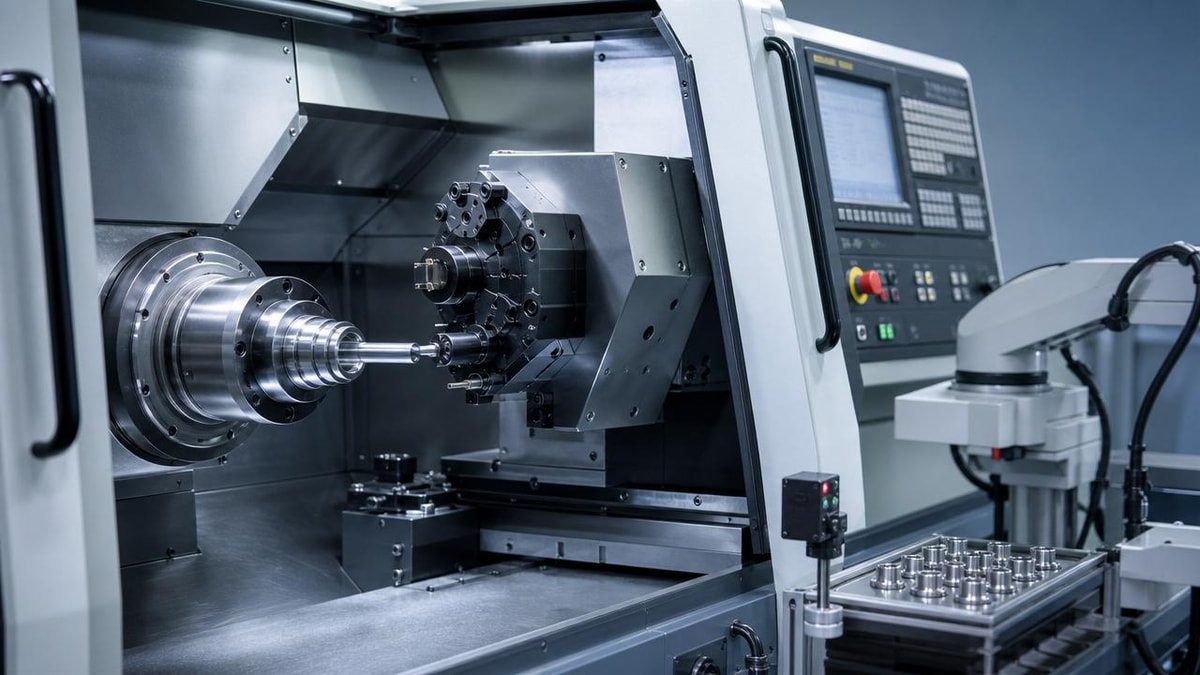
It is also helpful to clarify part types, batch size, tolerance level, machine configuration, and automation level. A multi-axis machining center producing complex structural parts will have different setup planning priorities than a CNC lathe running repeat shaft components. Likewise, a flexible production line needs stronger repeatability controls than a stand-alone manual load process.
If you need to confirm a more specific approach, timeline, or cooperation model, it is best to start by discussing the current setup workflow, typical delay points, available tooling and fixtures, inspection method, target output, and whether the job is intended for prototype work, small batches, or stable mass CNC production. These questions create a clearer path to improving efficiency without sacrificing precision or process reliability.
PREVIOUS ARTICLE
Recommended for You
 Industrial Robotics payback depends on one hidden variableManufacturing Market Research Center
 Shaft Parts machining problems linked to concentricity lossCNC Machining Technology Center
 Production Process changes that quietly raise defect ratesCNC Machining Technology Center
 Industrial Automation projects stall without process mappingCNC Machining Technology Center
 CNC metal cutting heat issues behind poor surface finishCNC Machining Technology Center
 High precision lathe claims that deserve a closer lookMachine Tool Industry Editorial Team

Aris Katos
Future of Carbide Coatings
15+ years in precision manufacturing systems. Specialized in high-speed milling and aerospace grade alloy processing.
▶
CNC Programming errors that cause repeat dimension driftCNC Machining Technology Center▶
CNC milling chatter problems that show up in thin wallsCNC Machining Technology Center▶
CNC production delays often start with setup planningCNC Machining Technology Center▶
CNC metalworking mistakes that lead to scrap partsCNC Machining Technology Center▶
CNC Programming Errors That Lead to Scrap on Repeat JobsCNC Machining Technology Center
Mastering 5-Axis Workholding Strategies
Join our technical panel on Nov 15th to learn about reducing vibrations in thin-wall components.

Providing you with integrated sanding solutions
Before-sales and after-sales services
Comprehensive technical support