• Global CNC market projected to reach $128B by 2028 • New EU trade regulations for precision tooling components • Aerospace deman
NYSE: CNC +1.2%LME: STEEL -0.4%

CNC manufacturing for energy equipment: Why thermal stability matters more than raw power
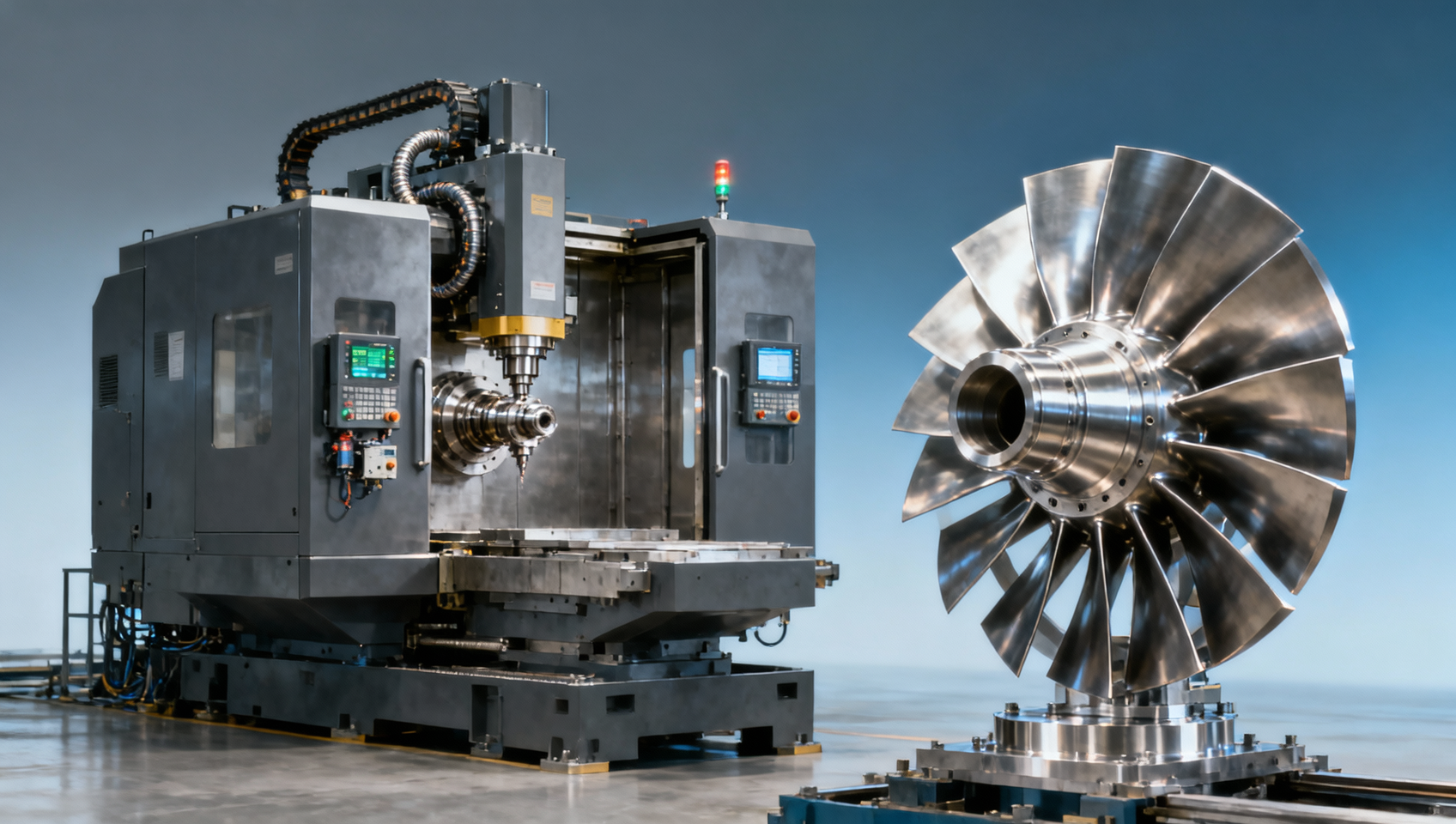
In CNC manufacturing for energy equipment, thermal stability isn’t just a technical footnote—it’s the decisive factor separating reliable, long-term performance from costly downtime and part failure. As demand surges for precision CNC manufacturing, low maintenance CNC manufacturing, and energy-saving CNC manufacturing—especially in turbines, reactors, and grid infrastructure—engineers and procurement professionals are prioritizing machines with superior thermal management over raw speed or power alone. Whether you're a CNC manufacturing supplier, machine tool wholesaler, or enterprise decision-maker evaluating a CNC manufacturing factory, understanding how thermal behavior impacts dimensional accuracy, tool life, and multi-axis CNC manufacturing consistency is mission-critical.
Why thermal drift undermines energy equipment part integrity
Energy equipment components—such as turbine blades, reactor support rings, and high-pressure valve bodies—require dimensional tolerances within ±0.005 mm across operating temperatures ranging from –20°C to 85°C. Conventional CNC machining centers experience thermal expansion of up to 12 µm/m per 1°C rise in ambient temperature. Over an 8-hour shift, unmanaged heat buildup in spindles, guideways, and cast iron beds can induce cumulative drift exceeding ±0.03 mm—well beyond acceptable limits for ASME B16.34 or ISO 13715 compliance.
This drift directly compromises fatigue resistance and sealing surface geometry. In nuclear-grade stainless steel machining, even 0.015 mm deviation in flange flatness increases gasket stress concentration by 30%, accelerating micro-leakage risk. For wind turbine gearboxes, thermal-induced misalignment during finishing reduces bearing life by up to 40% under cyclic loading.
Unlike automotive or consumer electronics parts, energy equipment components undergo decades-long service cycles with zero tolerance for rework. A single thermal-induced defect may trigger full assembly rejection—costing $120k–$450k in scrap, remachining, and schedule delay per large-scale component.
How top-tier CNC systems manage heat—beyond cooling jackets
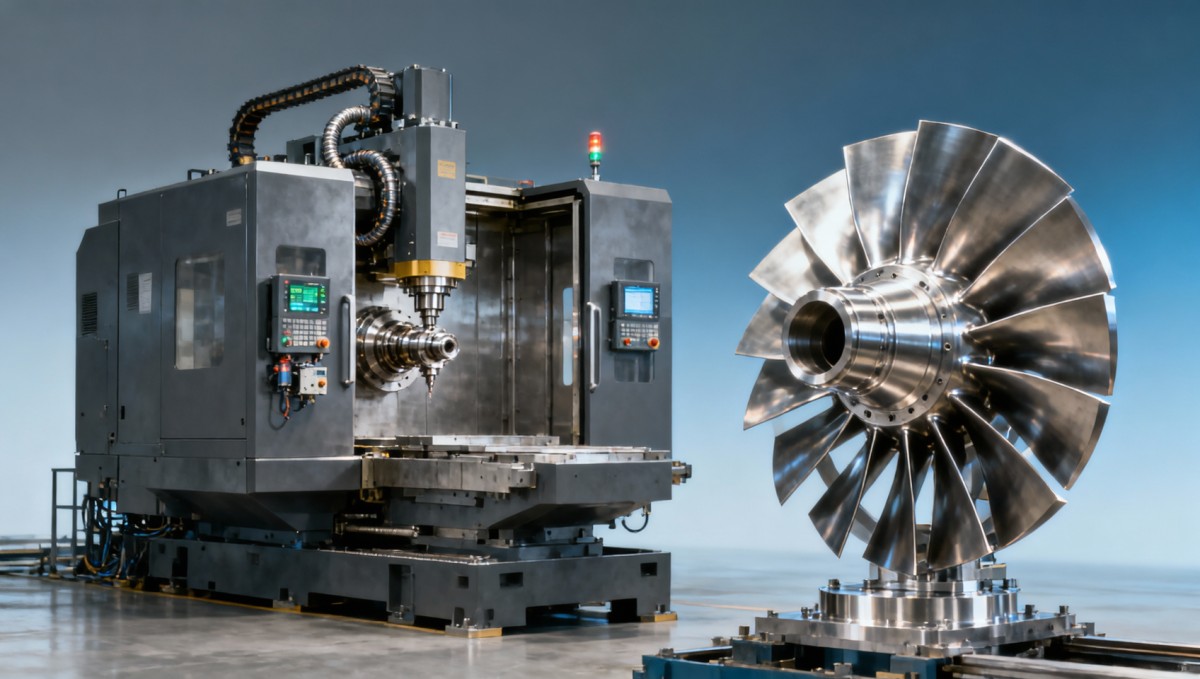
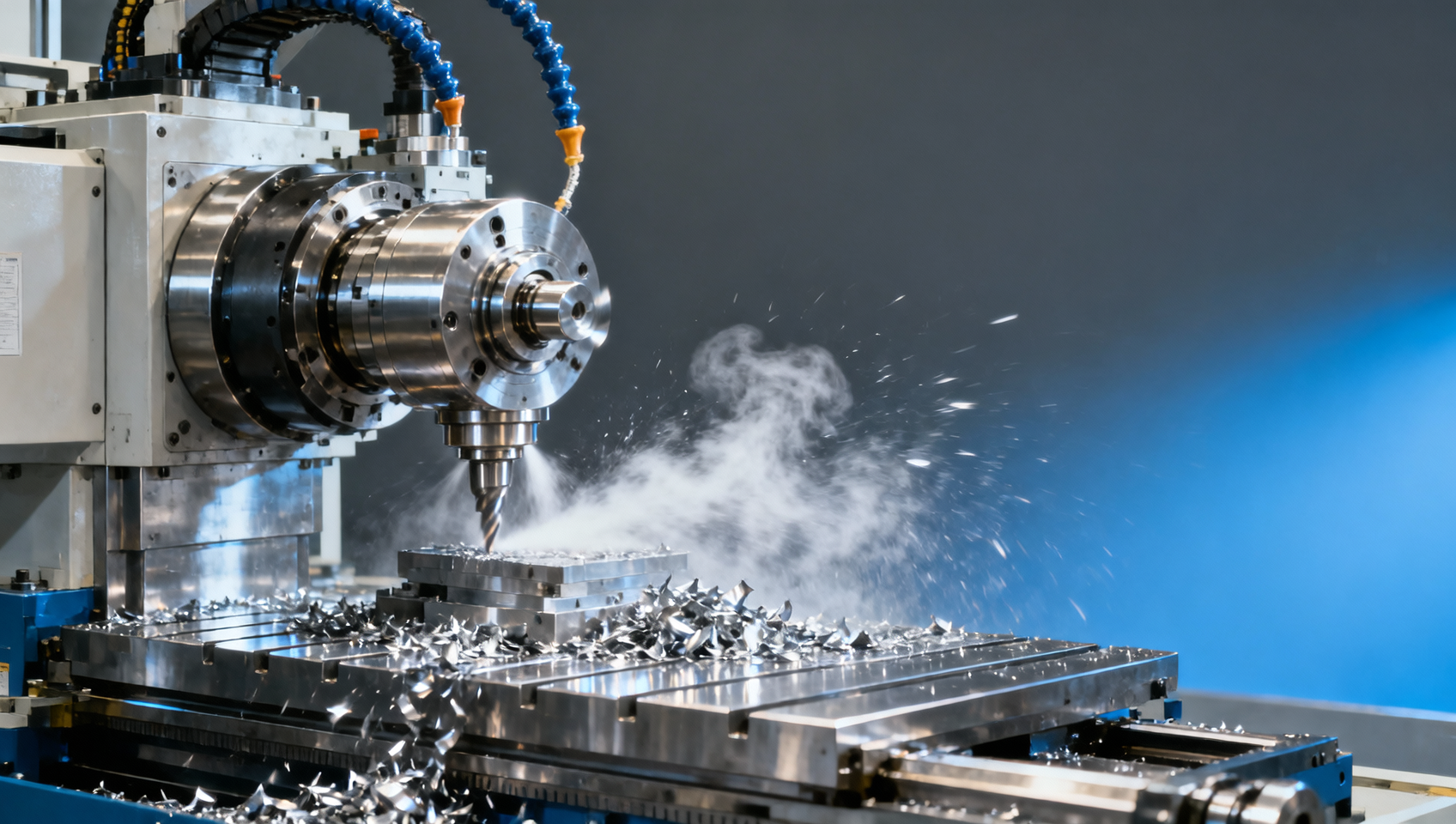
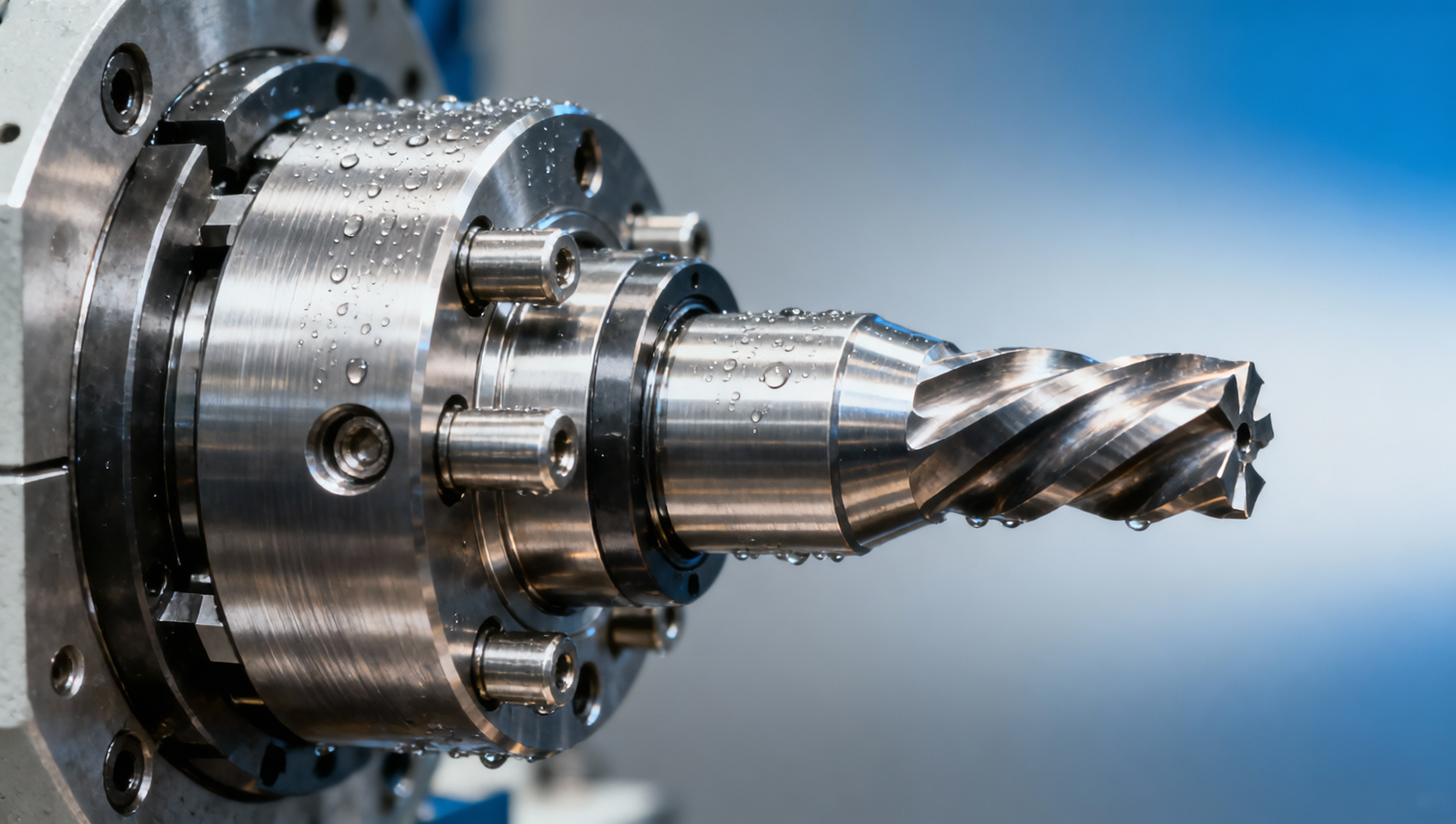
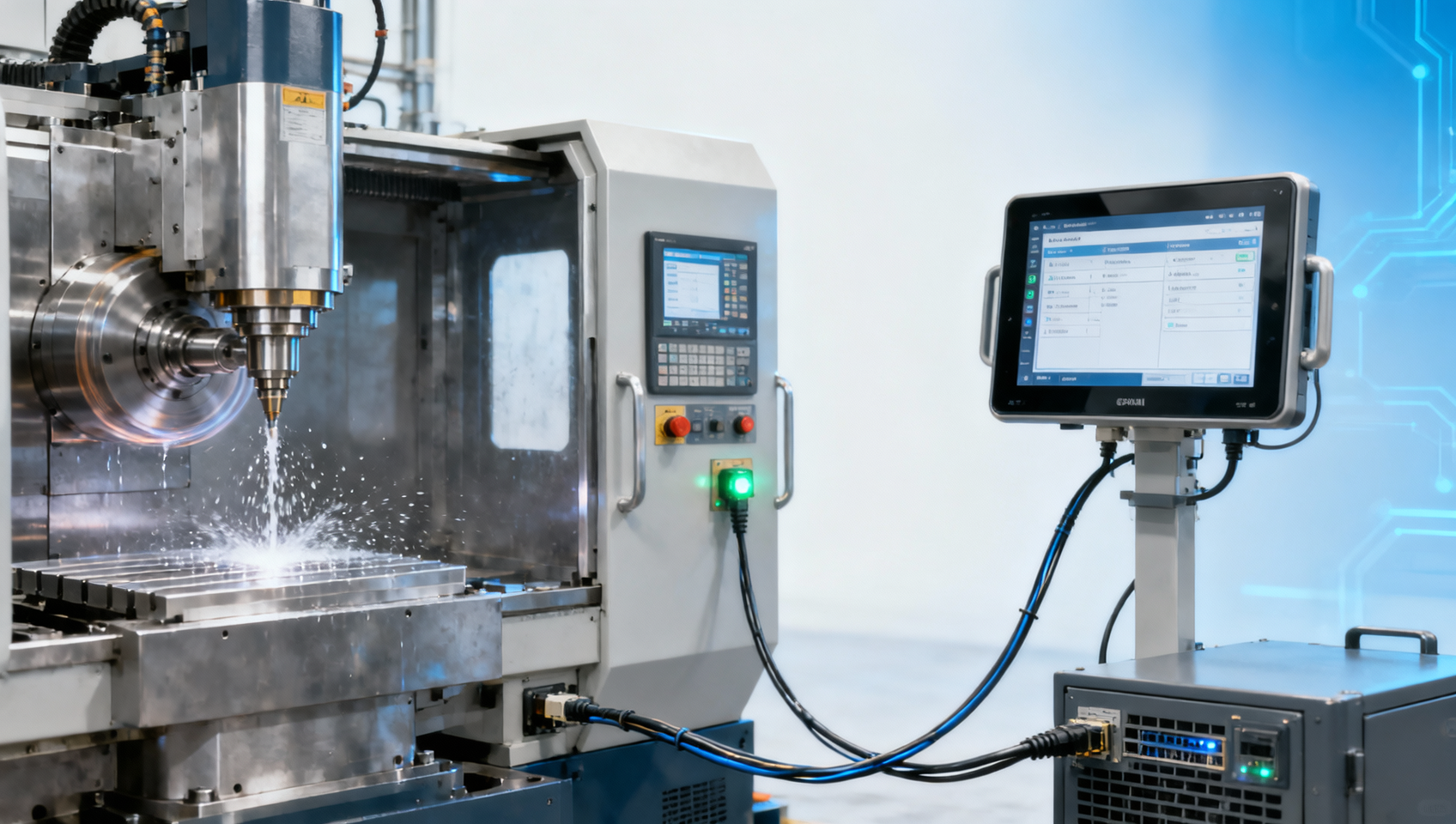
Thermal stability in modern CNC manufacturing for energy equipment relies on three integrated layers—not just spindle chillers. First, structural design: symmetric cast iron frames with internal coolant channels reduce thermal gradient across the X/Y/Z axes. Second, real-time compensation: embedded sensors monitor bed temperature at 6+ points and feed data into Siemens SINUMERIK or Heidenhain TNC 640 controllers for dynamic offset correction every 200 ms. Third, process adaptation: adaptive feed-rate control adjusts cutting parameters based on measured thermal load, maintaining consistent chip thickness and minimizing frictional heating.
Leading systems achieve <±0.003 mm thermal drift over 12 hours at 23±1°C ambient—meeting ISO 230-3 Class 3 standards. This requires closed-loop environmental control (±0.5°C), thermally stable granite or polymer-concrete bases, and dual-frequency laser interferometers for daily calibration.
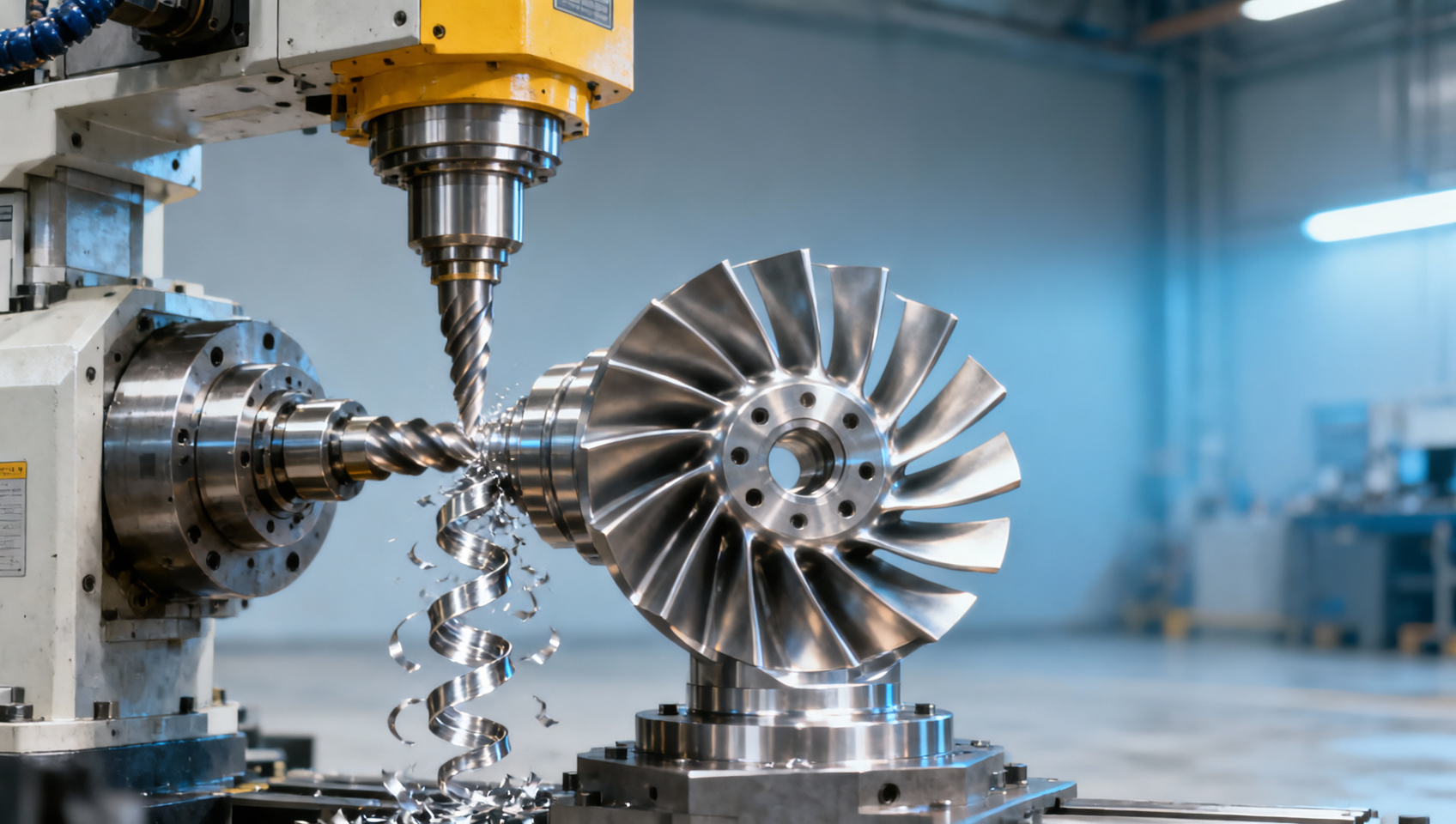
Notably, multi-axis CNC manufacturing systems used for impeller or stator vane machining integrate thermal compensation across all rotary axes—critical when A/B-axis positioning must hold ±2 arcsec repeatability despite 15°C spindle temperature rise during continuous 5-axis contouring.
Procurement checklist: 5 thermal performance metrics that matter most
When evaluating CNC manufacturing suppliers for energy equipment applications, prioritize verifiable thermal performance—not just peak spindle power or axis acceleration. Request test reports under ISO 230-3 Annex D conditions (8-hour thermal soak at 23°C ±2°C). Avoid vendors who only cite “ambient temperature range” without specifying measurement methodology.
Vendors meeting these thresholds typically use thermally symmetrical bridge-type gantries (not C-frame), oil-air lubrication instead of grease, and dual-temperature coolant circuits—one for spindle, one for guideways. These features add 12–18% to base system cost but reduce post-machining metrology rework by 65% in turbine housing production.
Real-world impact: Thermal stability vs. raw power in procurement decisions
A Tier-1 nuclear component manufacturer recently replaced two 40 kW vertical machining centers with one 25 kW thermally optimized 5-axis system. Despite lower nominal power, cycle time dropped 22% due to uninterrupted high-feed roughing and reduced thermal recalibration stops. Annual energy consumption fell by 38%, and first-pass yield rose from 79% to 94.6%—directly attributable to sub-0.005 mm thermal drift control.
For procurement teams, this shifts ROI calculation: payback now hinges on thermal uptime ratio (≥92% target) rather than peak metal removal rate. Machines with active thermal compensation deliver 3.2x higher effective availability in 24/7 energy equipment production lines versus conventional alternatives.
Decision-makers should request thermal performance logs from reference customers—specifically 7-day continuous operation datasets showing positional error vs. ambient/spindle temperature correlation. Any vendor unable to provide such traceable records should be disqualified for critical energy equipment contracts.
Next steps: Get your thermal stability assessment
We support global CNC manufacturing suppliers, machine tool wholesalers, and energy OEMs with verified thermal performance validation services—including ISO 230-3 testing, custom thermal compensation protocol development, and retrofit solutions for existing machining centers.
Contact us to receive:
- Free thermal drift benchmark report for your current CNC manufacturing setup (requires 3 days of operational log data)
- Side-by-side comparison of 3 thermally optimized CNC platforms against your specific energy equipment part family (turbine, reactor, grid)
- Delivery timeline confirmation for certified thermal-compliant systems—standard lead time: 14–18 weeks
- Documentation package aligned with ASME NQA-1, ISO 9001:2015, and EN 10204 3.2 requirements
Let’s ensure your next CNC manufacturing investment delivers not just power—but predictable, certifiable, long-term dimensional fidelity.
Recommended for You
 Heavy-duty Machining Center for mold making: Why coolant filtration standards evolve faster than OEM manualsMachine Tool Industry Editorial Team
 Quick-change Fixture Design for CNC turning: Why clamping force consistency drops after 200 cyclesCNC Machining Technology Center
 5 Axis Machining for impeller manufacturing: Why toolpath smoothing affects surface fatigue lifeCNC Machining Technology Center
 Lean Production Process implementation: Where value stream mapping fails to expose hidden machine downtimeManufacturing Market Research Center
 Modular Tooling System for flexible manufacturing: Why interface repeatability degrades faster than expectedMachine Tool Industry Editorial Team
 Industrial Automation control system for CNC machines: When cybersecurity updates disrupt scheduled maintenanceMachine Tool Industry Editorial Team

Aris Katos
Future of Carbide Coatings
15+ years in precision manufacturing systems. Specialized in high-speed milling and aerospace grade alloy processing.
▶
5 Axis Machining for impeller manufacturing: Why toolpath smoothing affects surface fatigue lifeCNC Machining Technology Center▶
Efficient Machining Process for aluminum alloys: Why chip evacuation defines success more than feed rateCNC Machining Technology Center▶
Multi-axis machine tool: When kinematic error mapping exposes hidden geometry driftCNC Machining Technology Center▶
CNC manufacturing for electronics: Why vibration damping matters more than spindle RPMCNC Machining Technology Center▶
Multi-axis CNC manufacturing: When 5-axis capability adds cost without real part benefitCNC Machining Technology Center
Mastering 5-Axis Workholding Strategies
Join our technical panel on Nov 15th to learn about reducing vibrations in thin-wall components.

Providing you with integrated sanding solutions
Before-sales and after-sales services
Comprehensive technical support