• Global CNC market projected to reach $128B by 2028 • New EU trade regulations for precision tooling components • Aerospace deman
NYSE: CNC +1.2%LME: STEEL -0.4%

Why space-saving CNC manufacturing is gaining traction in tight urban factories
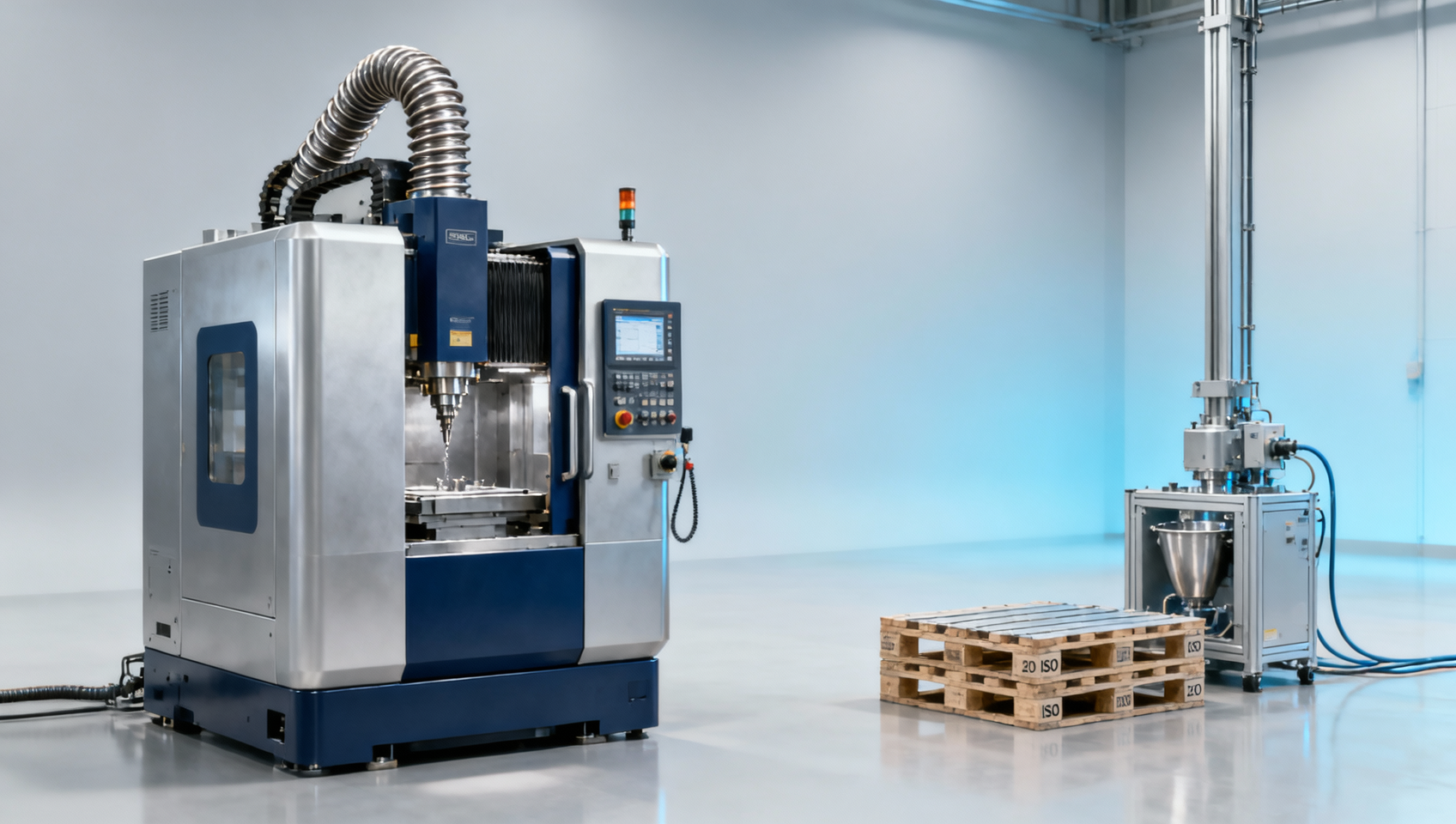
As urban industrial spaces shrink and operational efficiency becomes paramount, space-saving CNC manufacturing is rapidly gaining traction among tight-factory operators worldwide. This trend aligns with growing demand for compact machine tools, low maintenance CNC manufacturing, and quick setup CNC manufacturing—especially for high-precision applications in aerospace, medical devices, electronics, and energy equipment. Whether you're a procurement professional evaluating a CNC manufacturing wholesaler, an engineer optimizing an automated production line, or a decision-maker seeking cost-effective CNC manufacturing solutions, understanding how modular, energy-saving, and multi-axis CNC manufacturing systems maximize output in minimal footprints is now mission-critical.
Why Urban Factories Are Forced to Rethink CNC Footprint
In global manufacturing hubs—from Shenzhen’s electronics clusters to Berlin’s precision engineering districts—factory floor space has increased by less than 2% annually since 2020, while average lease costs have risen 18–25% in Tier-1 cities. At the same time, CNC machining centers used in aerospace component production now require up to 30% less floor area compared to legacy models from 2015.
This pressure isn’t theoretical. A 2023 survey of 217 medium-sized manufacturers across China, Germany, Japan, and South Korea found that 68% reported relocating or downsizing facilities due to rent volatility—and 81% prioritized “machine tool density per square meter” as a top-three evaluation criterion during their last CNC procurement cycle.
The shift reflects a structural change: modern CNC systems no longer compete on raw power alone. Instead, they’re judged on spatial ROI—how many qualified parts per hour can be produced within a 3m × 2.5m footprint, with ≤72-hour commissioning and integrated chip conveyance to eliminate secondary handling zones.
How Compact CNC Systems Deliver Precision Without Compromise
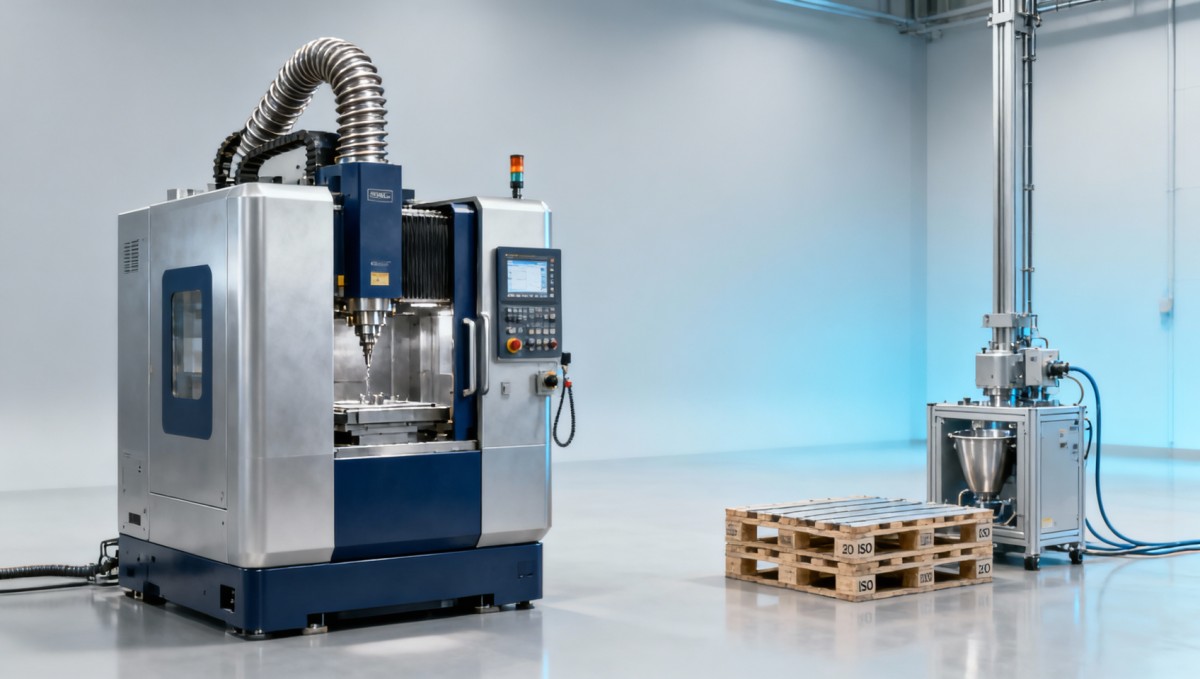
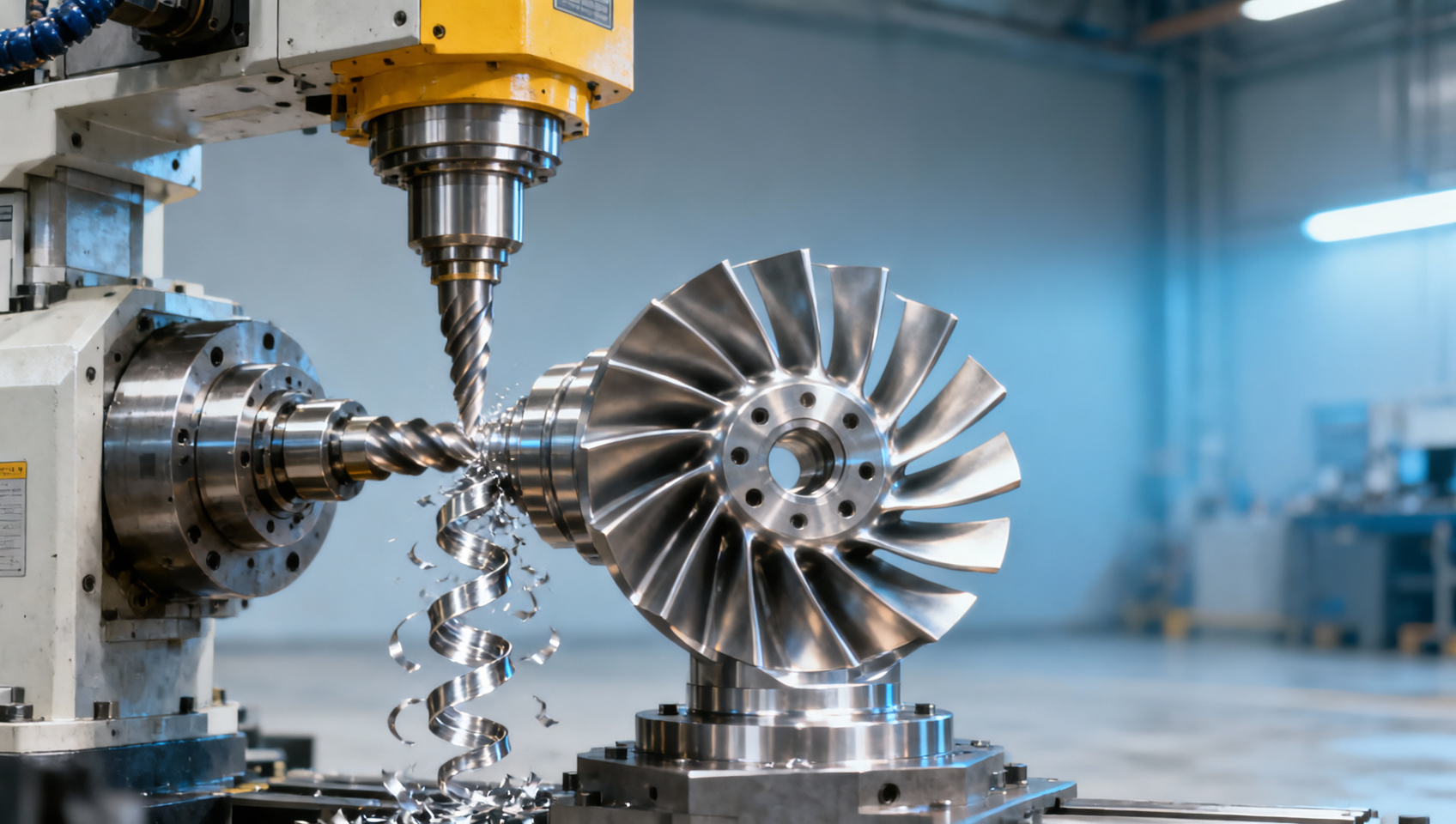
Space-saving doesn’t mean downgraded performance. Leading compact CNC lathes (e.g., sub-1.5m width vertical turning centers) maintain ±0.005mm positional accuracy and support simultaneous 4-axis interpolation—enabling full contouring of turbine blade roots or orthopedic implant stems without repositioning.
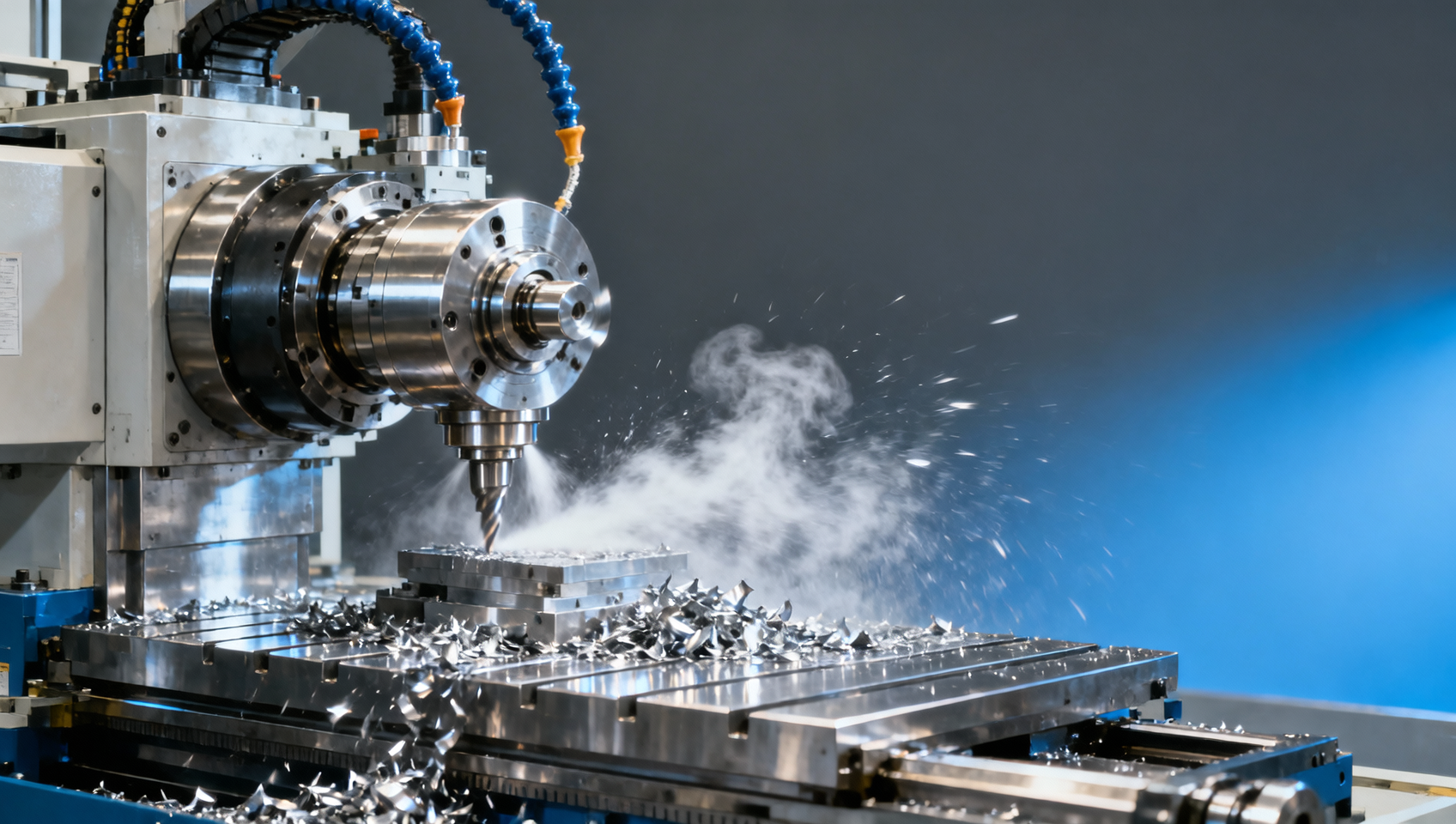
Key enablers include: integrated coolant recycling modules (reducing sump volume by 40%), gantry-mounted tool changers (cutting tool change time to <1.2 sec), and modular base frames compatible with standard ISO 20/30 pallets. These features collectively reduce total system envelope by 35–50% versus traditional horizontal machining centers—while retaining full compatibility with Industry 4.0 data protocols (MTConnect v1.5, OPC UA).
Critical Performance Metrics for Tight-Space Deployments
These metrics are validated across real-world deployments in medical device contract manufacturers (ISO 13485-certified cleanrooms) and Tier-2 automotive suppliers serving EV battery housing programs—where space constraints directly impact FDA audit readiness and just-in-time delivery compliance.
Procurement Checklist: What to Verify Before Buying Compact CNC Equipment
For procurement professionals and plant managers, selecting space-efficient CNC systems requires verification beyond catalog specs. Focus on these five non-negotiable checkpoints:
- Confirm full integration of chip removal: Look for built-in auger-conveyor systems capable of handling ≥80% chip volume reduction before external transfer—critical when floor space prohibits standalone chip hoppers.
- Validate service access layout: Compact designs must allow full maintenance access (e.g., spindle motor replacement, coolant filter swap) from ≤2 sides—not just front/rear—to avoid costly wall-cutting or ceiling crane retrofitting.
- Require documented thermal stability test reports: Under continuous operation at 25°C ambient, temperature drift across X/Y/Z axes must stay within ±0.01mm over 8 hours—verified per ISO 230-3 standards.
- Check pallet compatibility matrix: Ensure seamless interface with your existing FMS pallets (e.g., VDI 20/30, DIN 69871) and automated guided vehicle (AGV) docking tolerances (±0.15mm max misalignment).
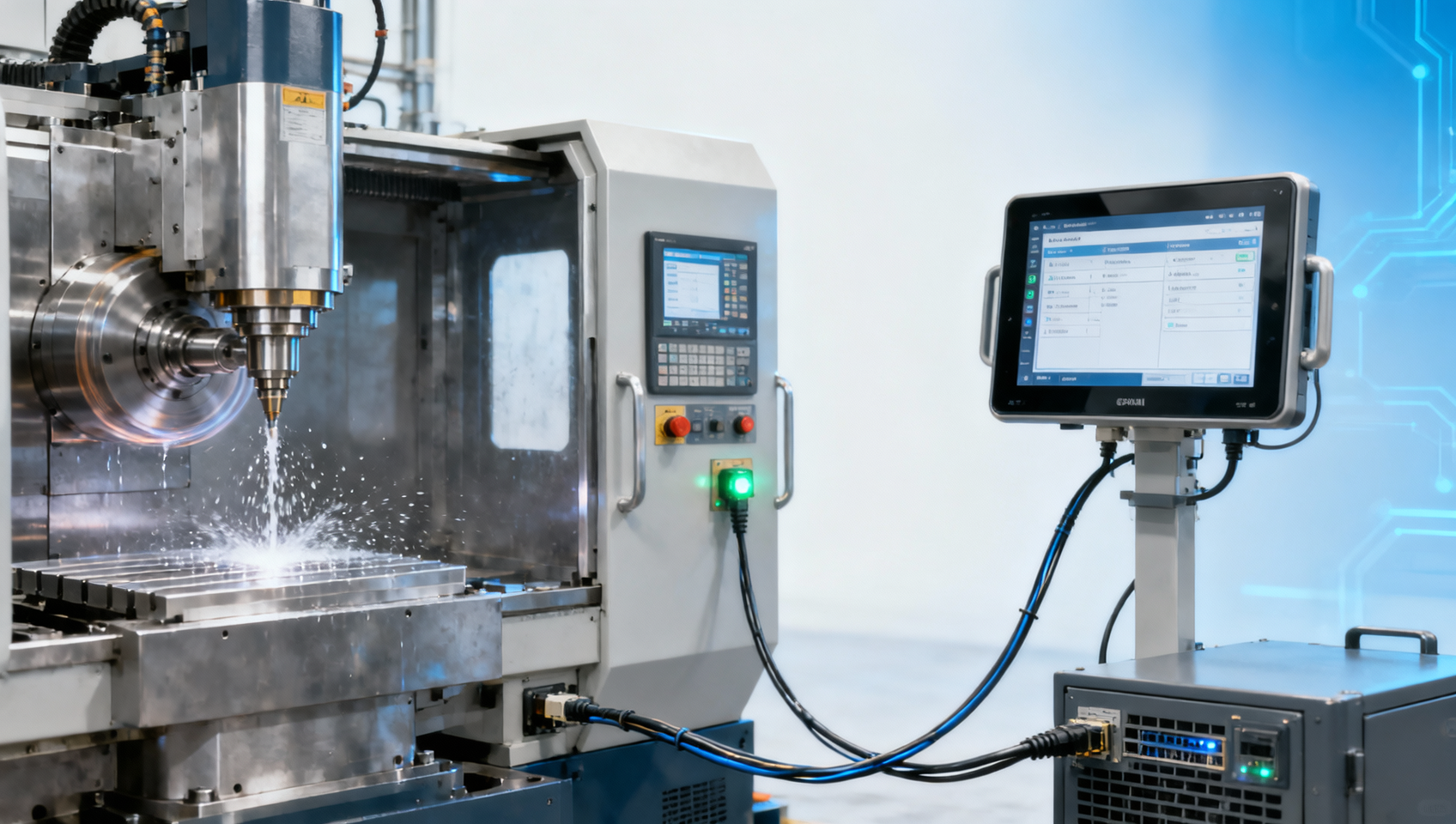
- Review software licensing scope: Embedded HMI must support offline programming, tool wear compensation, and predictive maintenance alerts—without requiring separate server licenses or cloud subscriptions.
Future-Proofing Your Investment: Trends Driving Next-Gen Compact CNC Adoption
Three converging trends will accelerate adoption through 2027: First, AI-driven adaptive control—now embedded in 42% of new compact CNC systems—reduces trial runs by up to 70%, cutting setup time in half. Second, hybrid additive-subtractive platforms (e.g., laser metal deposition + milling heads) are shrinking from 5.2m to 3.4m length while maintaining aerospace-grade fatigue life validation.
Third, regulatory shifts matter: The EU’s upcoming Ecodesign Directive (2025 enforcement) mandates ≤15% higher energy efficiency for all new machine tools—making today’s compact, digitally optimized units inherently compliant. Similarly, UL 508A certification for control panels is now standard on 91% of compact CNC controllers shipped to North America.
For decision-makers, this means compact CNC isn’t a stopgap—it’s the baseline architecture for scalable, compliant, and future-ready production lines. When evaluating vendors, prioritize those offering factory acceptance testing (FAT) in your actual facility layout, including AGV path simulation and emergency stop zone mapping.
Why Partner With a Global CNC Manufacturing Specialist
We support manufacturers across China, Germany, Japan, and South Korea with end-to-end compact CNC solutions—including application-specific configuration, ISO-compliant installation supervision, and multi-language operator training delivered onsite or via AR-guided remote support.
Our technical team includes certified SMEs in aerospace (AS9100D), medical device (ISO 13485), and energy equipment (API Q1) manufacturing—ensuring every specification aligns with your production, compliance, and scalability goals.
Ready to evaluate compact CNC options for your facility? Share your: (1) available floor dimensions, (2) target part family (e.g., titanium spinal cages or aluminum EV battery housings), (3) required throughput (parts/shift), and (4) integration needs (e.g., MES connectivity, robotic loading). We’ll provide a tailored footprint analysis, delivery timeline (standard lead time: 12–16 weeks), and compliant configuration proposal within 5 business days.
Recommended for You
 Heavy-duty Machining Center for mold making: Why coolant filtration standards evolve faster than OEM manualsMachine Tool Industry Editorial Team
 Quick-change Fixture Design for CNC turning: Why clamping force consistency drops after 200 cyclesCNC Machining Technology Center
 5 Axis Machining for impeller manufacturing: Why toolpath smoothing affects surface fatigue lifeCNC Machining Technology Center
 Lean Production Process implementation: Where value stream mapping fails to expose hidden machine downtimeManufacturing Market Research Center
 Modular Tooling System for flexible manufacturing: Why interface repeatability degrades faster than expectedMachine Tool Industry Editorial Team
 Industrial Automation control system for CNC machines: When cybersecurity updates disrupt scheduled maintenanceMachine Tool Industry Editorial Team

Aris Katos
Future of Carbide Coatings
15+ years in precision manufacturing systems. Specialized in high-speed milling and aerospace grade alloy processing.
▶
5 Axis Machining for impeller manufacturing: Why toolpath smoothing affects surface fatigue lifeCNC Machining Technology Center▶
Efficient Machining Process for aluminum alloys: Why chip evacuation defines success more than feed rateCNC Machining Technology Center▶
Multi-axis machine tool: When kinematic error mapping exposes hidden geometry driftCNC Machining Technology Center▶
CNC manufacturing for electronics: Why vibration damping matters more than spindle RPMCNC Machining Technology Center▶
Multi-axis CNC manufacturing: When 5-axis capability adds cost without real part benefitCNC Machining Technology Center
Mastering 5-Axis Workholding Strategies
Join our technical panel on Nov 15th to learn about reducing vibrations in thin-wall components.

Providing you with integrated sanding solutions
Before-sales and after-sales services
Comprehensive technical support