• Global CNC market projected to reach $128B by 2028 • New EU trade regulations for precision tooling components • Aerospace deman
NYSE: CNC +1.2%LME: STEEL -0.4%

What affects surface finish most in CNC metalworking?
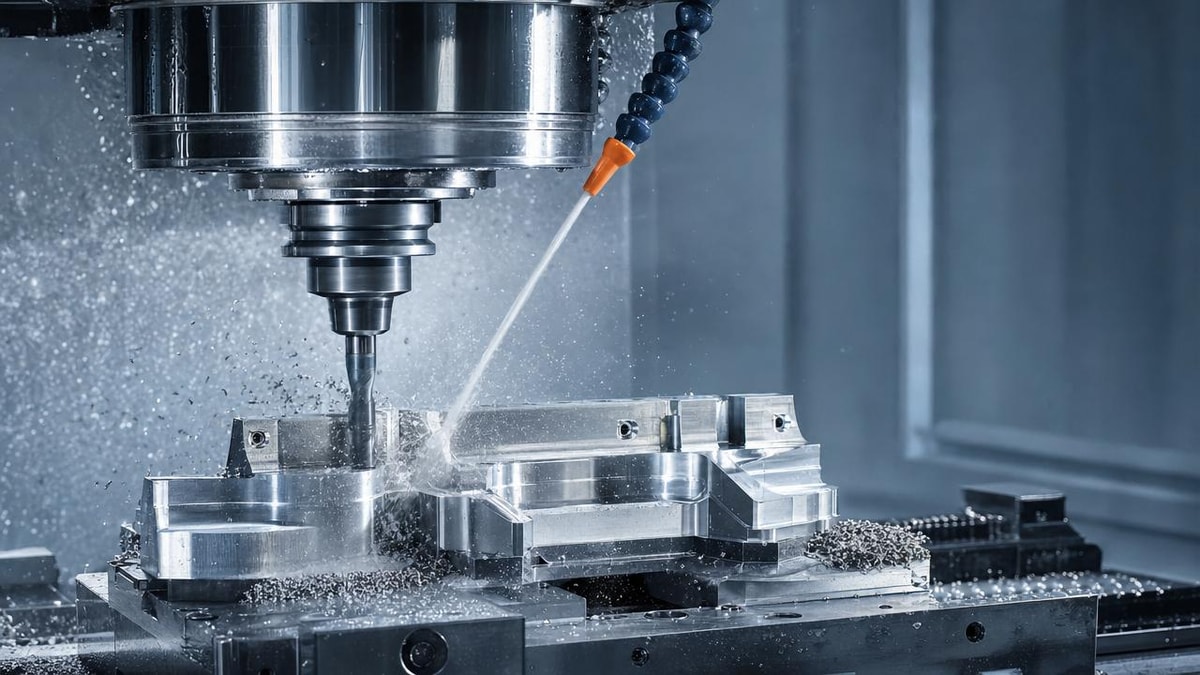
In CNC metalworking, surface finish is shaped by more than just machine capability—it depends on tooling, cutting parameters, material behavior, machine stability, and process control. For quality and safety professionals, understanding which factor has the greatest influence is essential for reducing defects, improving consistency, and ensuring reliable production outcomes across precision manufacturing environments.
Why a checklist approach works best for judging surface finish in CNC metalworking
For most production teams, the question is not whether one single variable affects surface finish in CNC metalworking, but which factor should be checked first when roughness values drift, chatter marks appear, or cosmetic quality fails inspection. A checklist approach is useful because poor finish is usually a combined result of cutting conditions, tool condition, setup rigidity, coolant delivery, and material response. Quality control staff need a fast way to isolate root causes, while safety managers need to know which unstable conditions may also increase tool breakage, heat generation, and machine risk.
In practice, the most influential factor is often tool condition and cutting parameter match. A premium machine cannot compensate for a worn insert, excessive feed per revolution, unstable spindle speed, or poor chip evacuation. However, the real answer depends on part geometry, tolerance, material grade, and whether the finish target is cosmetic, functional, or sealing-related. That is why inspection and process review should follow a structured sequence instead of relying on assumptions.
First-priority checklist: what to confirm before blaming the machine
When surface finish in CNC metalworking starts to vary, the following checks should come before any major equipment conclusion. For most shops, these items explain the majority of recurring finish defects.
- Tool wear status: Check flank wear, built-up edge, micro-chipping, crater wear, and nose radius condition. A tool can still cut dimensionally correct parts while already producing unacceptable surface texture.
- Feed rate versus nose radius: Excessive feed leaves visible scallops and often becomes the most direct cause of rough finish. Even small feed increases may sharply change Ra values.
- Cutting speed stability: Speed that is too low may encourage built-up edge; too high may accelerate wear and thermal distortion. Stable speed matters more than nominal speed alone.
- Depth of cut and finishing allowance: Very light finishing cuts can create rubbing instead of cutting, especially on work-hardened materials. Too much stock on a finish pass can also overload the edge.
- Toolholder and workholding rigidity: Runout, poor clamping, overhang, or weak fixturing often show up as waviness, chatter, and inconsistent reflectivity.
- Coolant delivery and chip evacuation: Recutting chips can destroy finish quickly. Nozzle position, pressure, concentration, and filtration should all be verified.
- Material batch behavior: Hardness variation, inclusions, grain structure, and heat-treatment inconsistency can change how the same program performs from one lot to the next.
If a team must name the single factor that affects surface finish most in CNC metalworking under day-to-day production conditions, the best practical answer is this: the interaction between tool sharpness and cutting parameters. These two items control chip formation, rubbing, heat, vibration sensitivity, and the final topography left on the part. They should always be reviewed together.
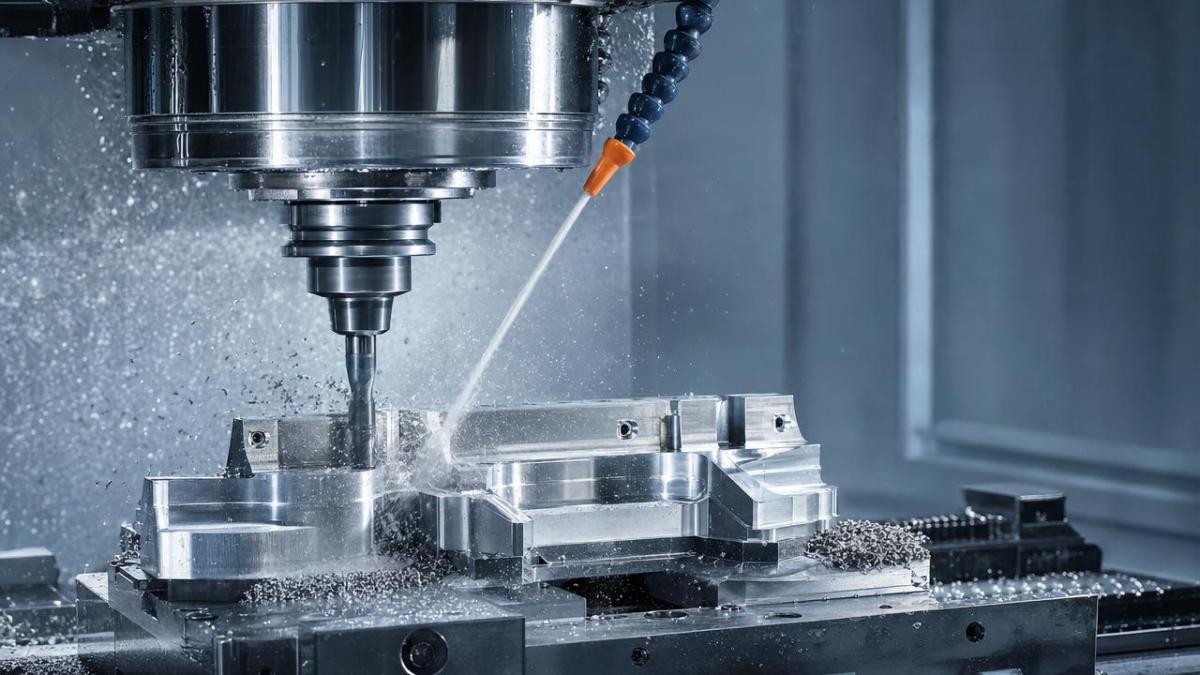
How to rank the main factors by influence on surface finish
For quality and safety professionals, ranking helps prioritize investigations. The order below reflects typical CNC metalworking conditions in turning, milling, and machining center operations.
1. Tool condition and geometry
This is usually the most immediate driver of finish quality. Insert edge wear, incorrect coating, unsuitable rake angle, and the wrong nose radius can all change the cut from clean shearing to rubbing or tearing. In stainless steel and some aluminum grades, built-up edge can form quickly and create irregular smearing. In hardened alloys, edge breakdown can trigger rapid finish collapse and even spark safety concerns if chips become uncontrolled.
2. Feed rate and spindle speed combination
Among programmed values, feed rate often has the most visible effect on roughness. Lower feed generally improves finish, but only within the correct cutting zone. If feed is reduced too far, rubbing may increase. Spindle speed must also support stable chip formation. The key standard is not “faster” or “slower,” but whether the speed-feed pair matches the tool, material, and operation.
3. Rigidity and vibration control
Machine condition matters, but setup rigidity usually matters first. Long tool overhang, thin-wall parts, weak fixtures, spindle runout, and worn bearings all increase chatter risk. Once chatter starts, no small parameter adjustment will fully restore the surface. This is also a safety issue because vibration raises the chance of insert fracture, part movement, and unstable chip flow.
4. Workpiece material behavior
Materials do not respond equally. Free-cutting steels, stainless grades, titanium alloys, cast iron, and aluminum each create different finish challenges. Soft gummy materials may smear; hard materials may chip the edge; abrasive materials may wear tools before scheduled replacement. Material behavior often explains why a validated CNC metalworking process performs differently after a supplier or lot change.
5. Coolant, lubrication, and chip control
Coolant is not only about temperature. It affects lubrication at the cutting interface, chip breaking, chip evacuation, and thermal consistency. Poor concentration control, dirty fluid, and blocked nozzles frequently cause gradual finish drift that can be missed until SPC trends show deterioration.
Judgment standards: how QC teams can identify the dominant cause faster
To determine what affects surface finish most in CNC metalworking on a specific line, QC personnel should compare defect appearance with process evidence rather than relying only on roughness numbers.
Extra checkpoints by process type in CNC metalworking
For CNC turning
- Prioritize insert nose radius, feed per revolution, and workpiece support.
- Check tailstock alignment or unsupported shaft deflection on long parts.
- Review whether finish passes are too light and causing rubbing.
- Confirm chipbreaker selection for material type and depth of cut.
For CNC milling
- Check cutter runout and tooth-to-tooth loading balance.
- Verify step-over, radial engagement, and toolpath strategy.
- Inspect spindle taper cleanliness and holder condition.
- Assess thin-wall vibration and fixture contact support.
For multi-axis and complex geometry parts
Surface finish problems often come from changing tool engagement, inconsistent tool orientation, and long-reach cutters. In these cases, the “most important factor” may shift from simple feed and speed settings to dynamic rigidity and CAM strategy. QC teams should compare finish issues to specific toolpath zones instead of averaging the whole part result.
Commonly overlooked risks that affect finish and safety at the same time
Some finish problems are treated as cosmetic only, but they also indicate unsafe or unstable CNC metalworking conditions. These are the issues most often missed:
- Uncontrolled chatter accepted as normal: This shortens tool life, raises spindle stress, and can loosen workholding.
- Excessive tool wear between scheduled inspections: A process may still hold dimensions while finish quality silently fails.
- Improper coolant maintenance: Dirty or weak coolant affects finish, corrosion risk, and operator health exposure.
- Chip evacuation failure: Recutting chips damages finish and may create hot chip accumulation around guarding or conveyors.
- Fixture fatigue: Repeated loading can reduce clamping stability long before visible fixture damage appears.
Practical execution plan: what to do when finish starts drifting
A disciplined response saves scrap, avoids over-adjustment, and creates better traceability. For quality and safety teams, the following sequence is recommended:
- Step 1: Confirm the defect type with visual standard samples and roughness measurement, separating roughness, waviness, tearing, and chatter.
- Step 2: Inspect the current tool under magnification and compare actual wear to the expected life standard.
- Step 3: Verify feed, speed, depth of cut, and finish pass settings against the approved process sheet.
- Step 4: Check holder runout, fixture clamp stability, spindle sound, and overhang conditions.
- Step 5: Review coolant flow, nozzle direction, concentration, filtration, and chip evacuation performance.
- Step 6: Compare the material lot, hardness data, and any upstream processing changes.
- Step 7: Record findings in a defect log so repeated surface finish issues in CNC metalworking can be trended by machine, material, and tooling family.
FAQ-style answers for faster internal decisions
Is machine quality the main reason for poor surface finish?
Not usually at first. Machine accuracy matters, but in many production environments the first causes are worn tools, wrong feeds, poor rigidity, or coolant problems.
Does lowering feed always improve surface finish in CNC metalworking?
No. Lower feed can reduce visible feed marks, but if it becomes too low it may cause rubbing, heat, and smearing, especially in difficult materials.
Why does the same program produce different finish on different batches?
Material variation, heat treatment differences, surface scale, or hardness shifts can change chip formation and tool wear rate even when the code does not change.
What should be controlled most tightly for consistent finish?
Tool life limits, approved cutting parameters, setup rigidity, coolant condition, and incoming material consistency should be controlled as a linked system.
Final takeaway and next-action checklist
If the goal is to answer what affects surface finish most in CNC metalworking, the most useful production-level conclusion is this: surface finish is influenced by many variables, but the strongest day-to-day impact usually comes from the match between tool condition, tool geometry, and cutting parameters. These factors then interact with rigidity, material behavior, and coolant control. For quality personnel, this means defects should be traced through a standard review path instead of isolated by guesswork. For safety managers, unstable finish is also a process warning sign that may indicate vibration, chip control failure, or excessive tool stress.
If your organization needs to improve CNC metalworking consistency, the best next step is to prepare a short review set before discussing solutions: target roughness values, material grades, tooling specification, current feeds and speeds, coolant method, fixture details, defect photos, measurement records, and the timing of when finish drift begins. With those inputs, it becomes much easier to confirm root causes, compare process options, estimate improvement cycles, and decide whether the priority should be tooling changes, parameter optimization, inspection upgrades, or broader process control improvements.
PREVIOUS ARTICLE
Recommended for You
 Industrial Robotics payback depends on more than labor savingsManufacturing Market Research Center
 Shaft Parts machining problems that show up after final inspectionCNC Machining Technology Center
 Which Production Process changes bring the fastest output gains?CNC Machining Technology Center
 Industrial Automation projects fail when integration is underestimatedCNC Machining Technology Center
 CNC metal cutting costs rise fast when material data is wrongCNC Machining Technology Center
 High precision lathe claims to verify before accepting deliveryMachine Tool Industry Editorial Team

Aris Katos
Future of Carbide Coatings
15+ years in precision manufacturing systems. Specialized in high-speed milling and aerospace grade alloy processing.
▶
Can space-saving CNC manufacturing still handle heavy workloads?CNC Machining Technology Center▶
CNC milling tool paths that waste cycle time without noticeCNC Machining Technology Center▶
What affects surface finish most in CNC metalworking?CNC Machining Technology Center▶
CNC industrial systems or manual lines: where costs shiftCNC Machining Technology Center▶
CNC Programming Errors That Waste More Material Than ExpectedCNC Machining Technology Center
Mastering 5-Axis Workholding Strategies
Join our technical panel on Nov 15th to learn about reducing vibrations in thin-wall components.

Providing you with integrated sanding solutions
Before-sales and after-sales services
Comprehensive technical support