• Global CNC market projected to reach $128B by 2028 • New EU trade regulations for precision tooling components • Aerospace deman
NYSE: CNC +1.2%LME: STEEL -0.4%

Automated Machine Tool vs Conventional CNC: Which Setup Fits High-Mix Production Better?
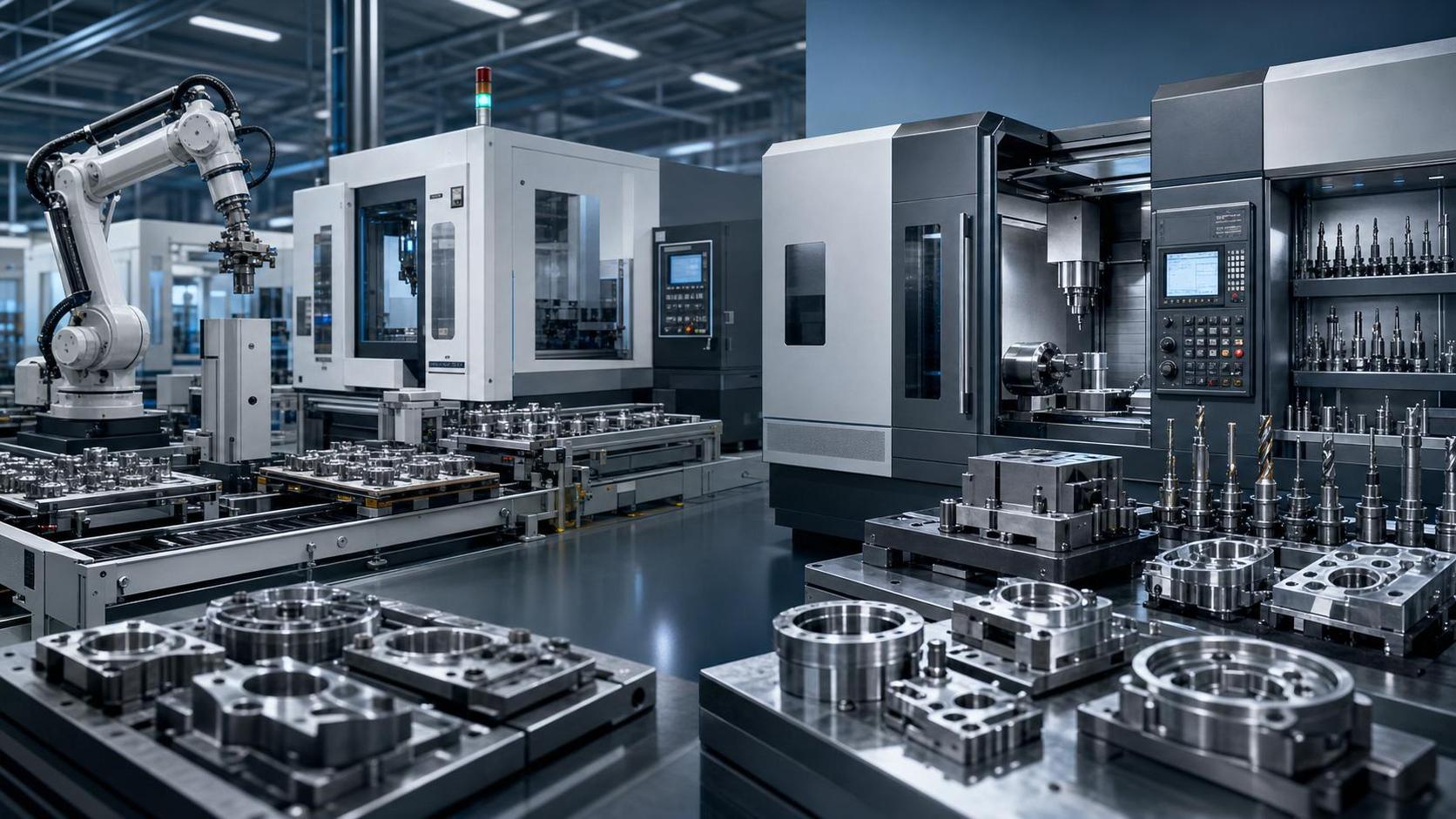
High-mix production puts unusual pressure on machining strategy. Part variety is high, batch sizes are low, and changeovers arrive before yesterday's setup has fully paid back.
In that environment, the choice between an automated machine tool and a conventional CNC cell affects more than cycle time. It shapes scheduling flexibility, labor use, quality consistency, and the speed of response to shifting demand.
That matters across modern manufacturing. Automotive, aerospace, energy equipment, and electronics all require tighter tolerances, faster iteration, and better visibility from machine to management system.
Why This Comparison Has Become More Important
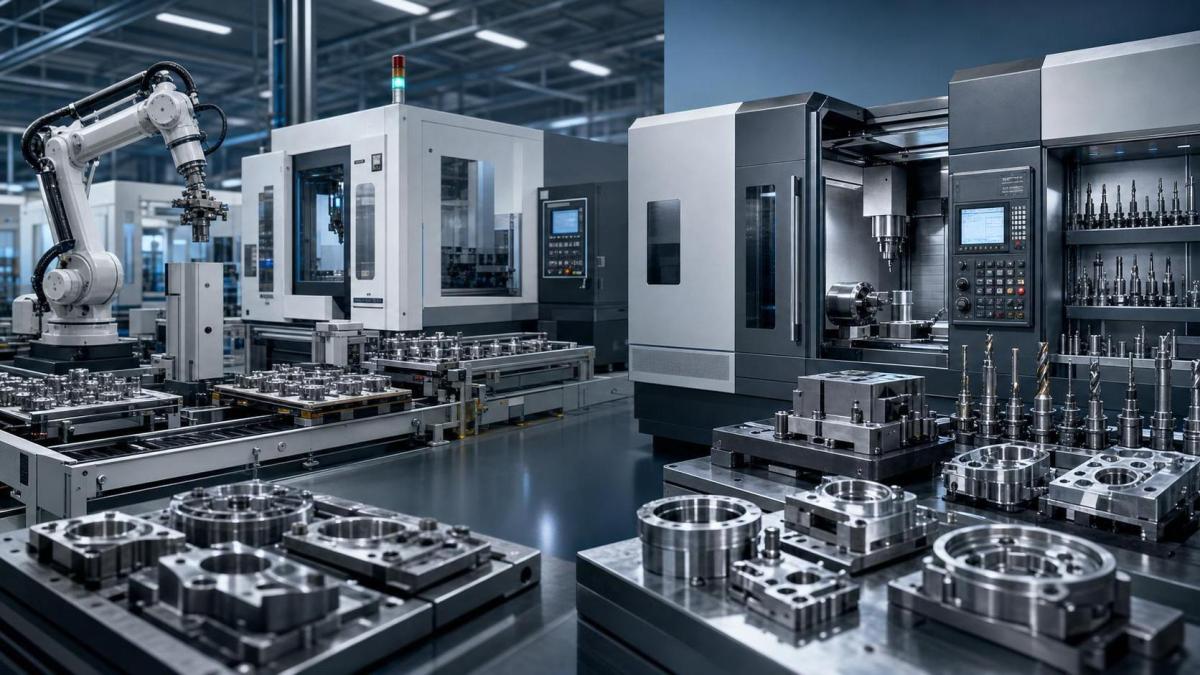
The global machine tool industry is moving toward precision, automation, and digital integration at the same time. That shift changes how shops evaluate capacity.
A conventional CNC setup still works well in many operations. It is familiar, proven, and often easier to introduce when product variety is moderate and operator knowledge is strong.
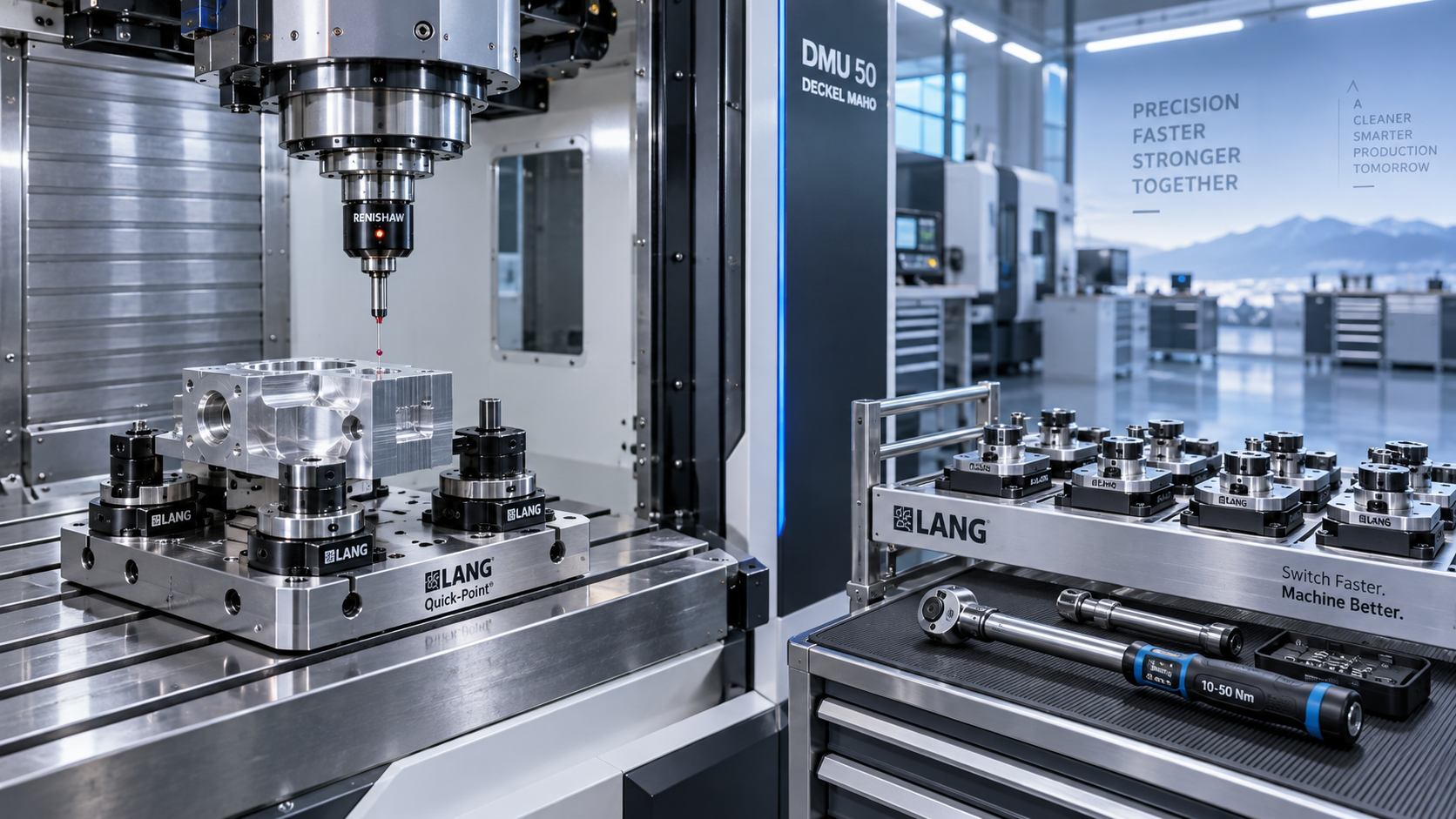
An automated machine tool adds another layer. It may include pallet changers, robotic loading, tool management, in-process inspection, software integration, and unattended running.
For high-mix work, the real question is not whether automation is advanced. It is whether that automation remains useful when part numbers change frequently.
What Each Setup Really Means in Practice
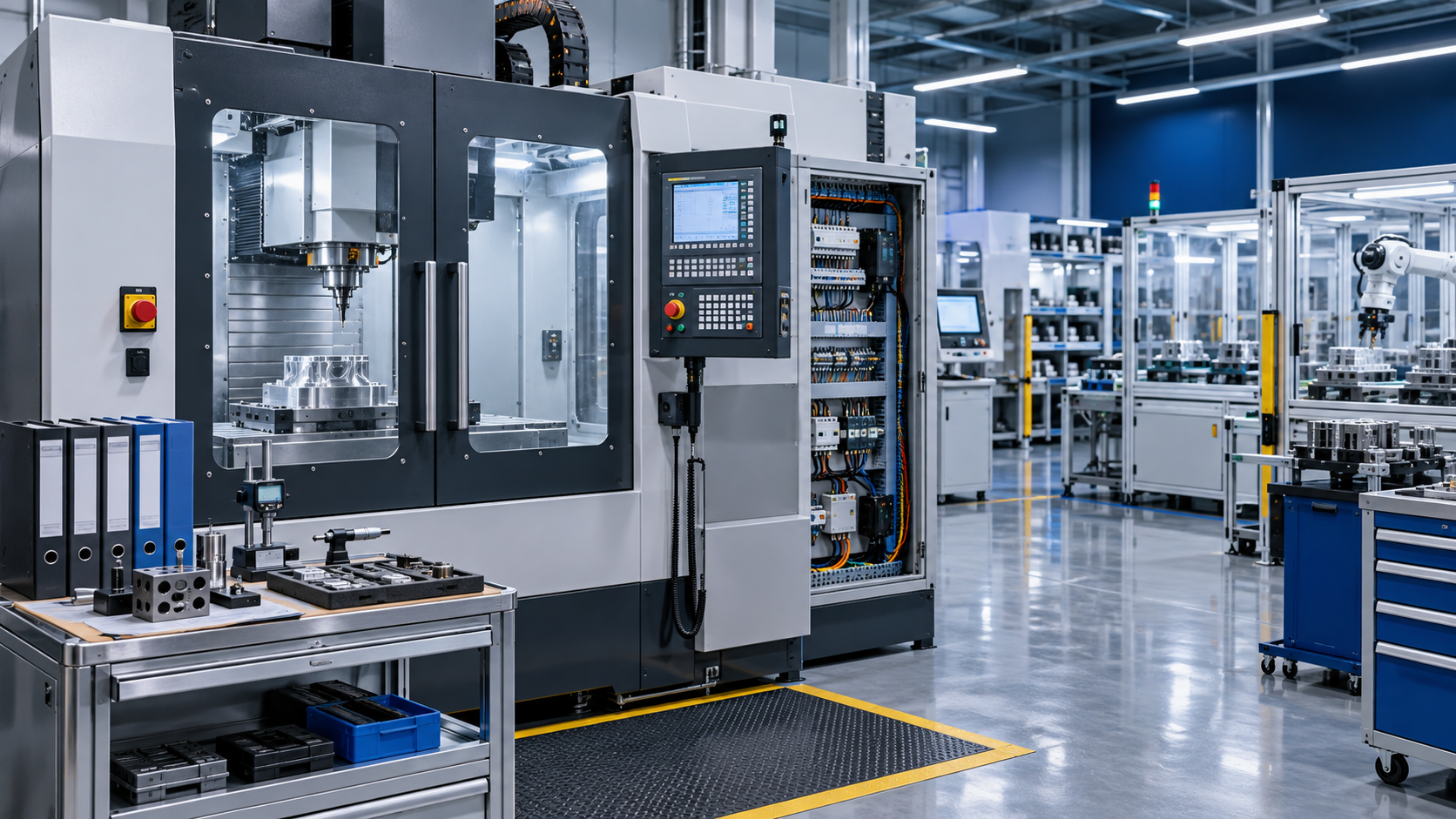
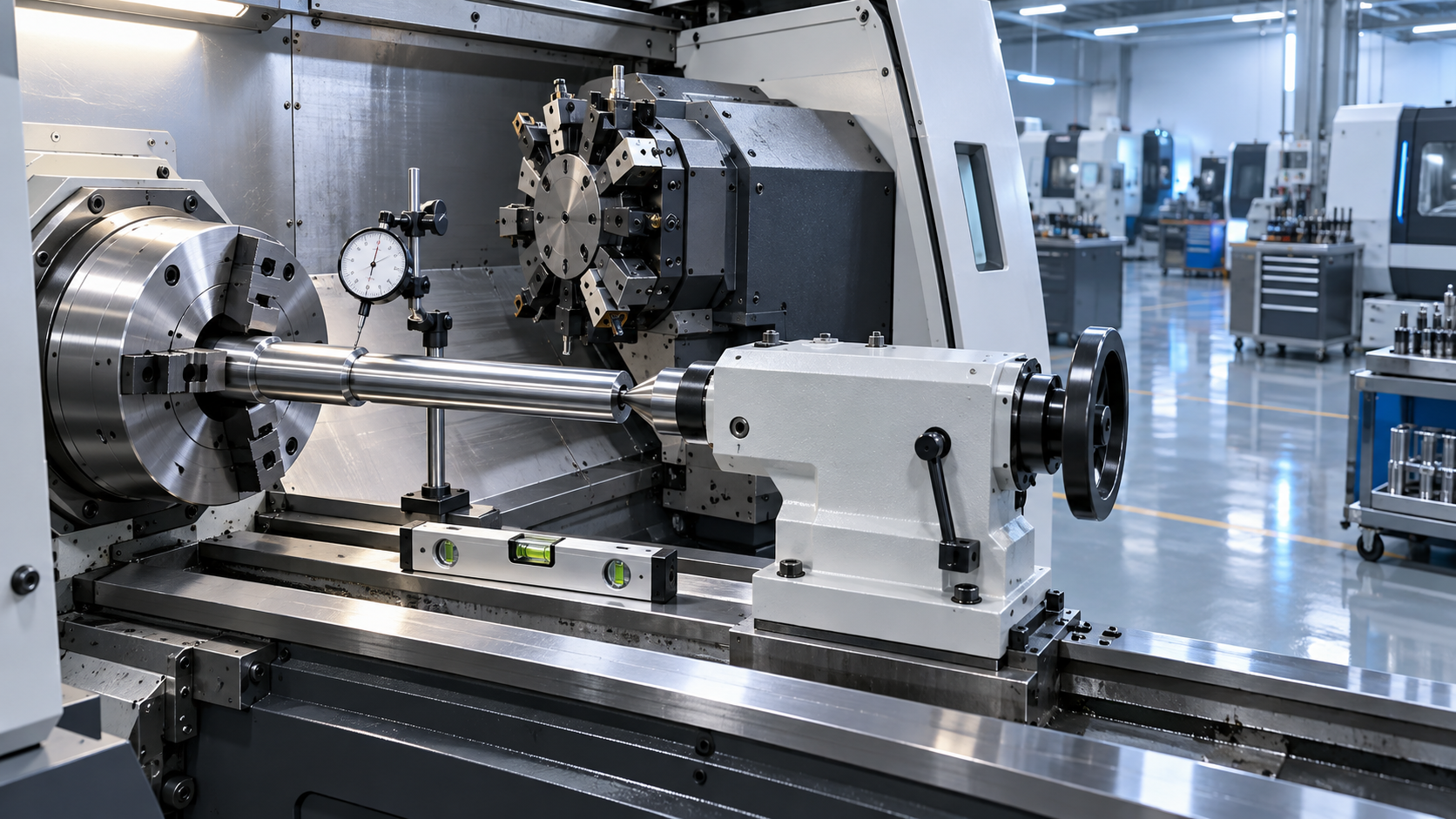
A conventional CNC setup usually centers on standalone machines. Operators load material, call programs, change tools, check offsets, and manage part flow between operations.
That model offers direct control. It also makes process changes easier when fixtures are simple and production planning is still fluid.
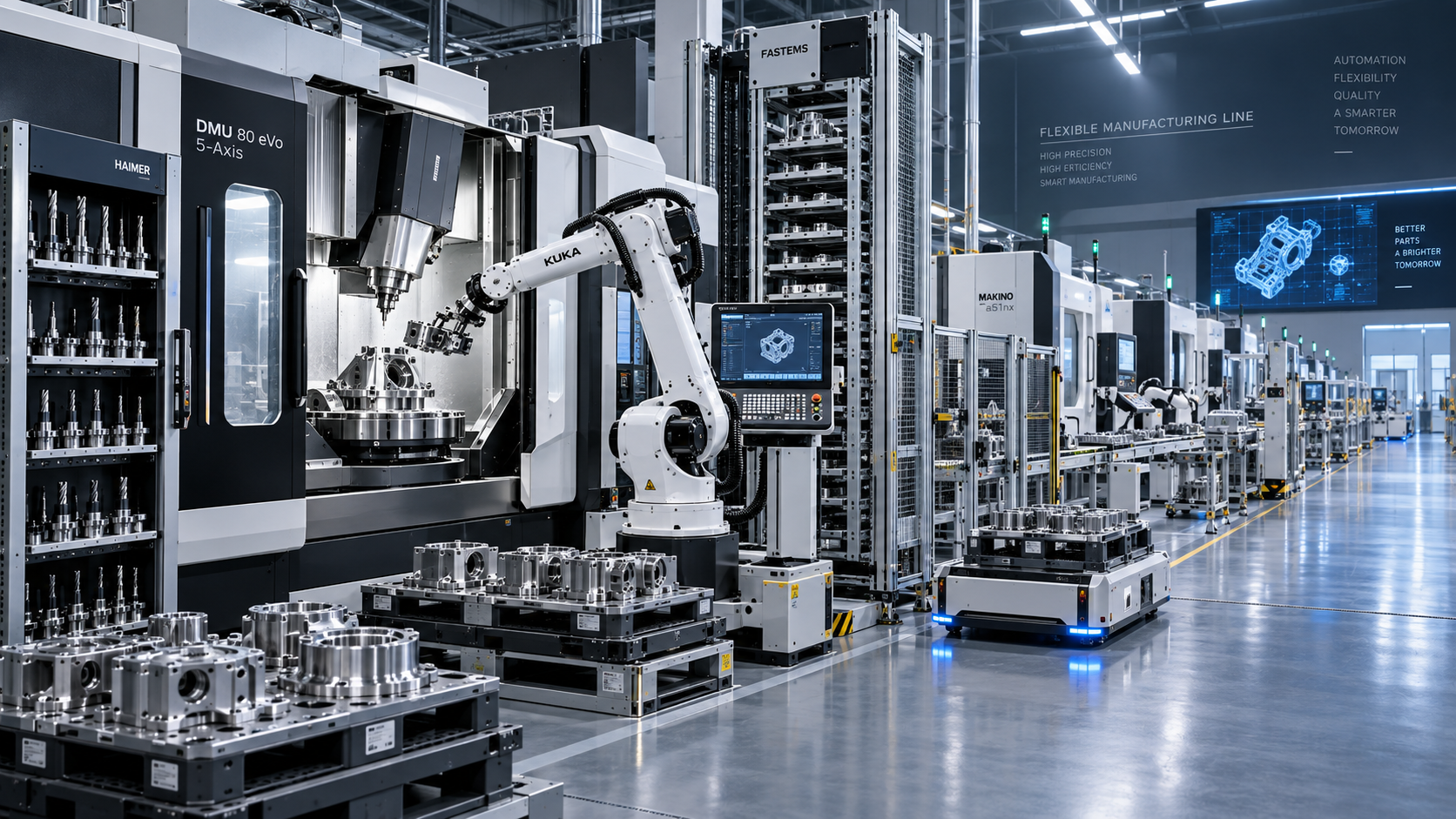
An automated machine tool is less about one machine and more about system behavior. The machine, tooling, workholding, handling device, and data layer are expected to function together.
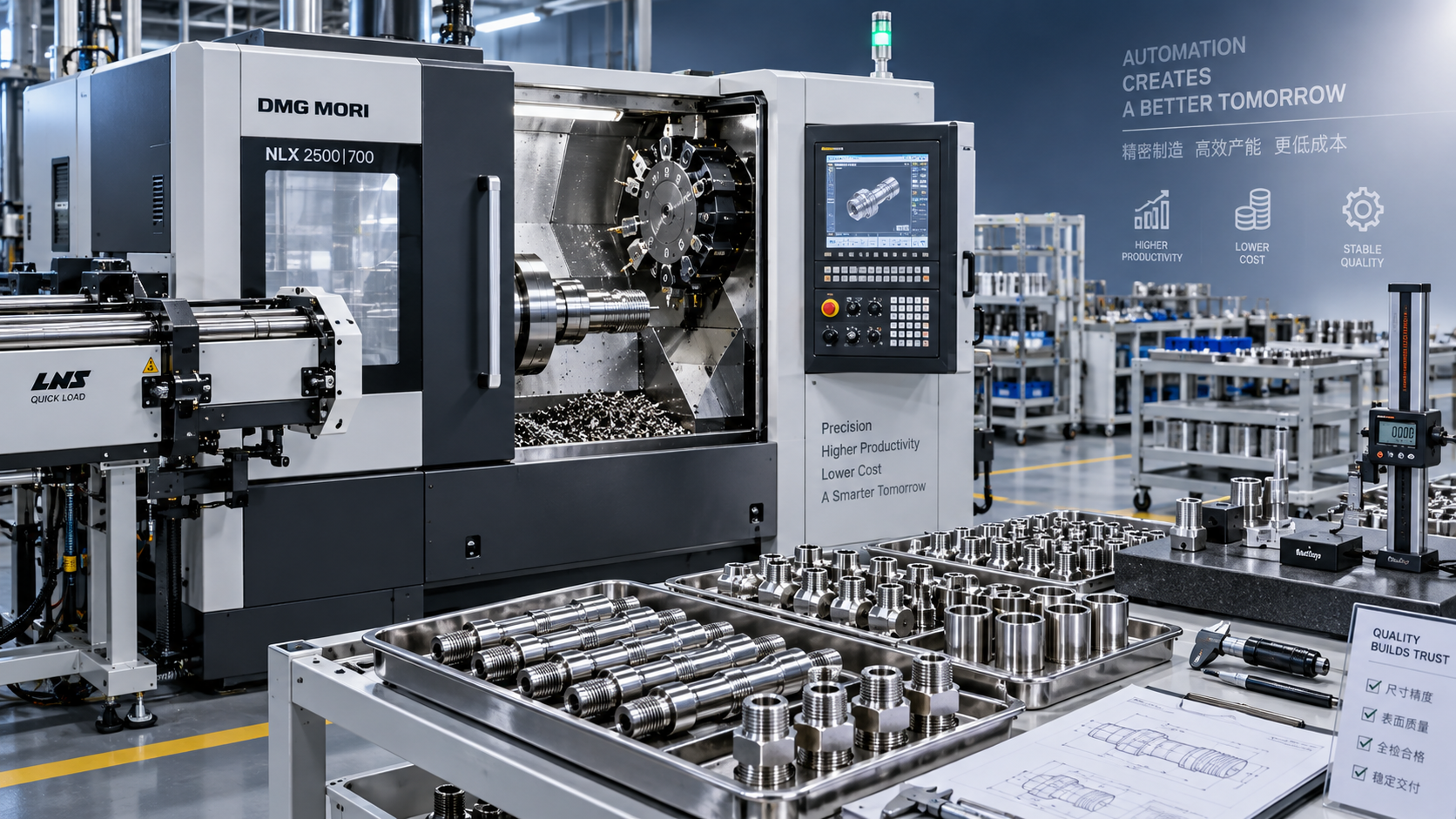
This can include CNC lathes, machining centers, or multi-axis systems connected to robots, automated storage, probing, and production monitoring.
Simple automation handles repetition. Flexible automation handles variation. High-mix production depends on the second type, not the first.
The hidden difference
Many comparisons focus on labor savings alone. That is too narrow.
In high-mix manufacturing, the stronger metric is usable capacity. The best setup is the one that keeps spindle time high without creating programming, fixturing, or scheduling bottlenecks.
Where Automated Machine Tool Systems Create Value
An automated machine tool often performs best when part complexity is high and process discipline is already established.
That is common in precision manufacturing, especially where traceability, repeatability, and machine utilization directly affect margins.
- Changeovers become shorter when presets, pallets, and standardized fixtures are already organized.
- Unattended shifts extend productive hours without adding a proportional labor increase.
- In-process measurement reduces drift and lowers the risk of long runs producing hidden defects.
- Integrated data improves quoting, scheduling, and maintenance decisions.
This matters in sectors producing shaft parts, precision discs, structural components, and difficult materials under tight tolerance windows.
Where part families share enough geometry or process similarity, an automated machine tool can absorb variation without losing control.
Why Conventional CNC Still Wins in Some High-Mix Environments
Automation is not automatically the better answer. Some high-mix operations are simply too unstable for complex automation to pay back quickly.
If drawings change often, fixtures are frequently custom, and routings are revised every week, a conventional CNC setup may remain more practical.
It can also outperform a poorly matched automated machine tool when setup knowledge lives mainly in skilled operators rather than documented process standards.
In those cases, manual flexibility has value. The operation can respond quickly without redesigning grippers, rewriting handling logic, or validating every automated step.
Common situations where conventional CNC stays competitive
- Prototype work with low repeat rates.
- Very large parts with inconsistent loading conditions.
- Jobs with unstable engineering release cycles.
- Shops lacking standardized tooling libraries and fixture strategy.
A Better Way to Compare the Two Options
The decision should be based on production behavior, not broad assumptions about technology level.
The table below highlights the factors that usually separate a strong fit from a weak one.
This is why machine tool investment decisions now sit closer to business strategy. The equipment choice affects operating model, not only machining capability.
The ROI Question Is Usually Misread
A narrow payback calculation can distort the picture. The purchase price of an automated machine tool is only one part of the equation.
The harder costs include integration, tooling standardization, programming discipline, maintenance planning, and operator training.
The harder benefits include lights-out output, lower rework, faster order recovery, and better schedule reliability during demand swings.
Conventional CNC often looks cheaper at the start. Yet frequent interruptions, idle spindle hours, and setup-dependent quality can quietly raise total cost over time.
The better comparison is cost per stable throughput hour, not cost per machine on the floor.
How to Judge Fit Before Expanding Automation
The strongest candidates for an automated machine tool usually share several operational traits.
- Programs are controlled and revision handling is disciplined.
- Tooling is standardized across machines or part families.
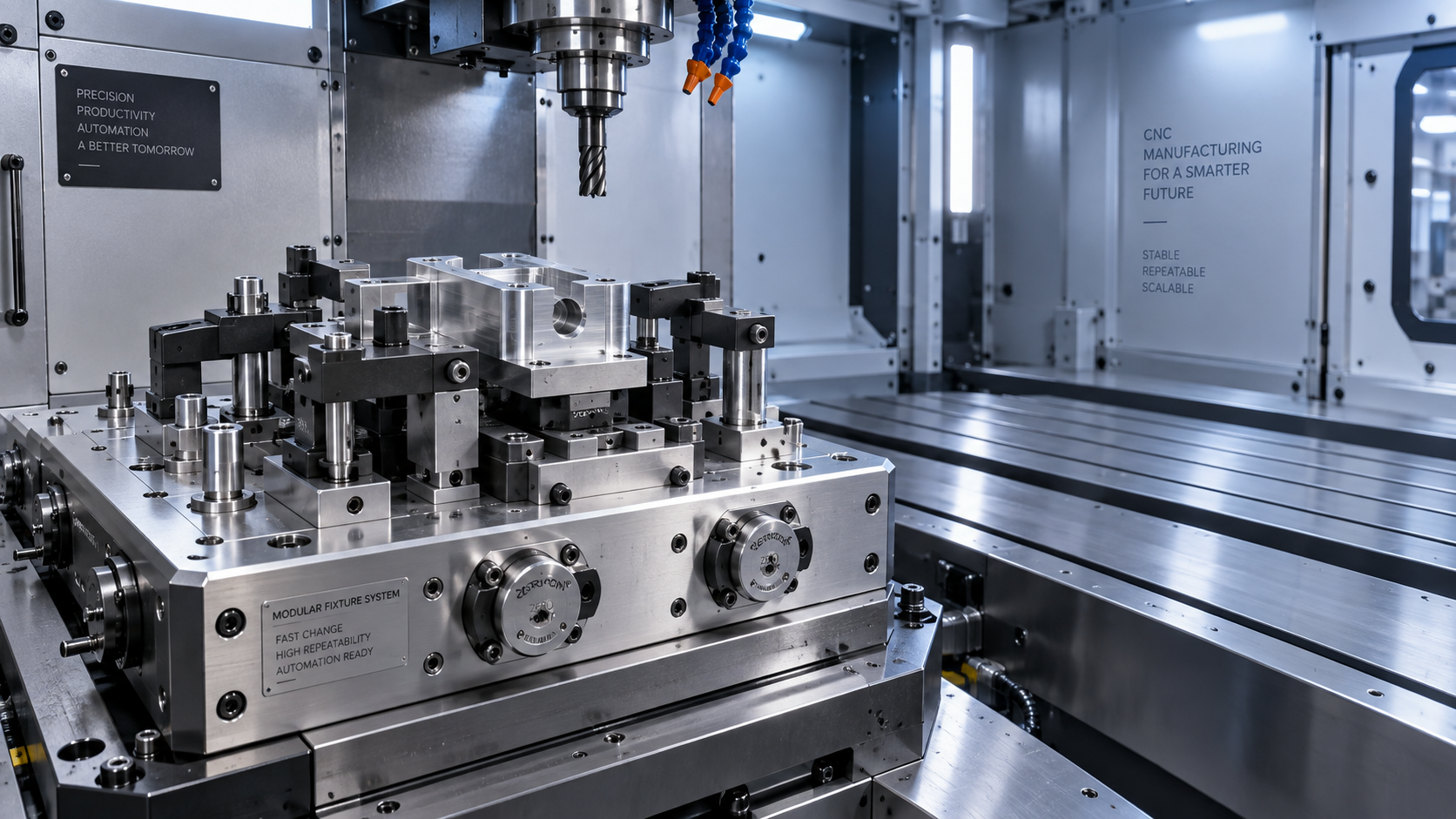
- Fixtures can be modular or repeatable.
- Demand volatility exists, but not complete process chaos.
- Management needs more output without linear labor growth.
Where those conditions are absent, improving the conventional CNC process first is often the wiser path.
That may mean organizing tool data, reducing setup variation, redesigning fixtures, or separating prototype work from repeatable production work.
A practical starting sequence
Map the top twenty parts by setup frequency, not by annual volume.
Then group them by fixturing similarity, tooling overlap, and inspection burden.
That analysis usually reveals whether an automated machine tool will unlock flexibility or simply automate disorder.
What the Better Choice Looks Like Today
For stable, repeatable high-mix environments, the automated machine tool often provides the better long-term position. It supports utilization, consistency, and scalable response.
For unstable, engineering-heavy, or highly customized work, conventional CNC can still be the more effective setup, especially when speed of manual adaptation matters more than unattended hours.
The strongest operations increasingly combine both. They reserve automation for families that can be standardized and keep flexible CNC capacity for exceptions and change-driven work.
A sound next step is to compare actual setup loss, part family structure, and labor dependency before comparing machine brochures. That is usually where the right answer becomes visible.
Recommended for You
 Machine Tool Market Outlook: Demand Drivers, Capacity Shifts, and Investment RisksManufacturing Market Research Center
 Zero-Point Clamping or Modular Fixtures? Choosing a Faster CNC Changeover SystemCNC Machining Technology Center
 How to Cut CNC Fixture Changeover Time Without Sacrificing Part AccuracyCNC Machining Technology Center
 When Does CNC Turning Pay Off? A Break-Even Guide by Annual Part VolumeMachine Tool Industry Editorial Team
 Machine Tool Standards by Country: What Importers Must Verify Before PurchaseManufacturing Policy Research Center
 CNC Lathe Quick Installation Guide: Alignment Checks Before First Production RunCNC Machining Technology Center

Aris Katos
Future of Carbide Coatings
15+ years in precision manufacturing systems. Specialized in high-speed milling and aerospace grade alloy processing.
▶
Smart Manufacturing for Small Businesses: Where Automation Delivers the Fastest ROIMachine Tool Industry Editorial Team▶
How Smart Manufacturing Technology Improves OEE Across Industry 4.0 Production LinesMachine Tool Industry Editorial Team▶
How to Evaluate an Automation Line for Electronics Production Before InvestmentMachine Tool Industry Editorial Team▶
How to Evaluate an Automated Production Line for Output, Flexibility, and ROIMachine Tool Industry Editorial Team▶
How Smart Manufacturing Improves Traceability and Quality Control in Aerospace?Machine Tool Industry Editorial Team
Mastering 5-Axis Workholding Strategies
Join our technical panel on Nov 15th to learn about reducing vibrations in thin-wall components.

Providing you with integrated sanding solutions
Before-sales and after-sales services
Comprehensive technical support