• Global CNC market projected to reach $128B by 2028 • New EU trade regulations for precision tooling components • Aerospace deman
NYSE: CNC +1.2%LME: STEEL -0.4%

How Low Maintenance CNC Manufacturing Helps Reduce Downtime in High-Mix Production
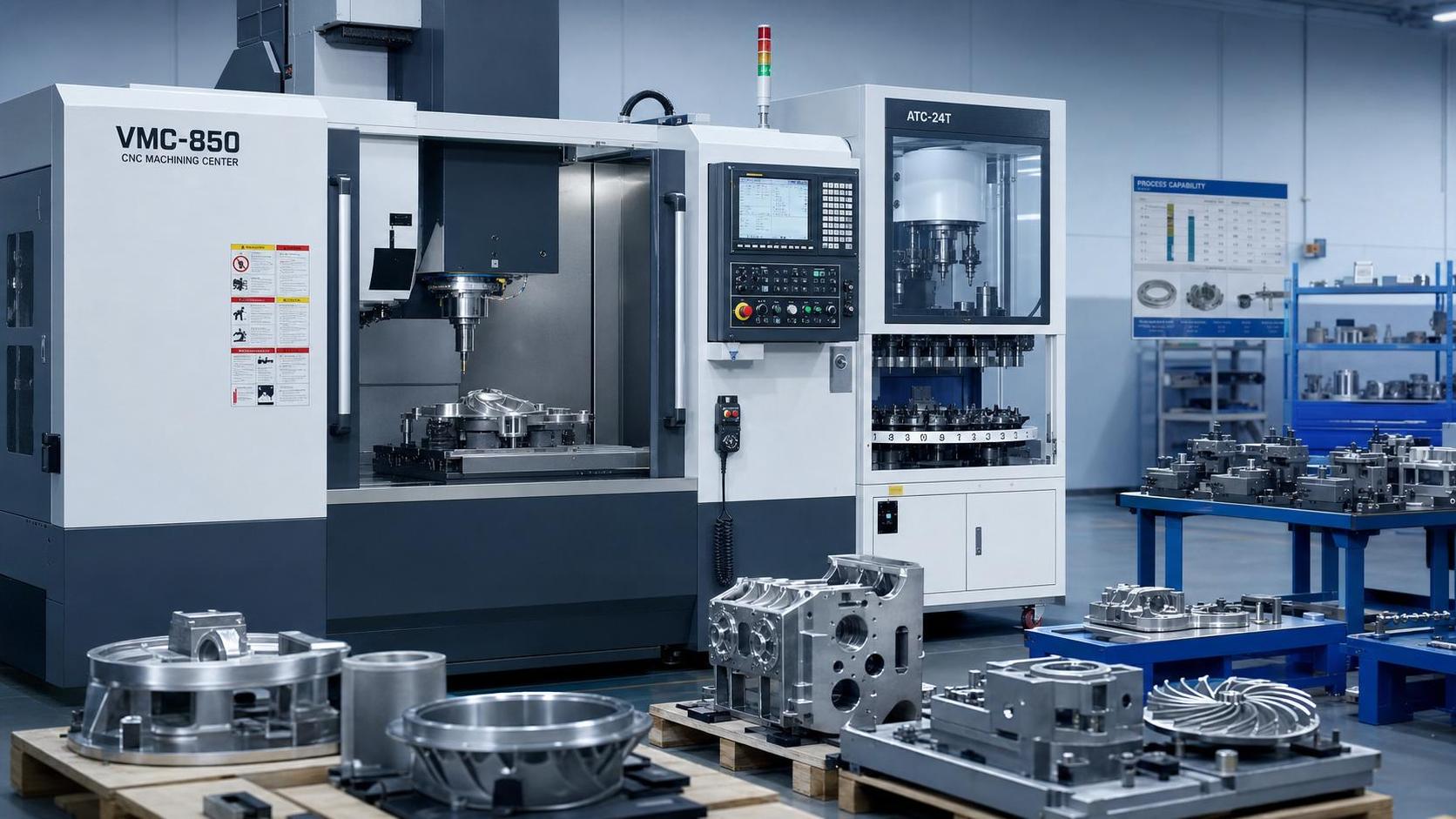
Why Low Maintenance CNC Manufacturing Matters in High-Mix Production
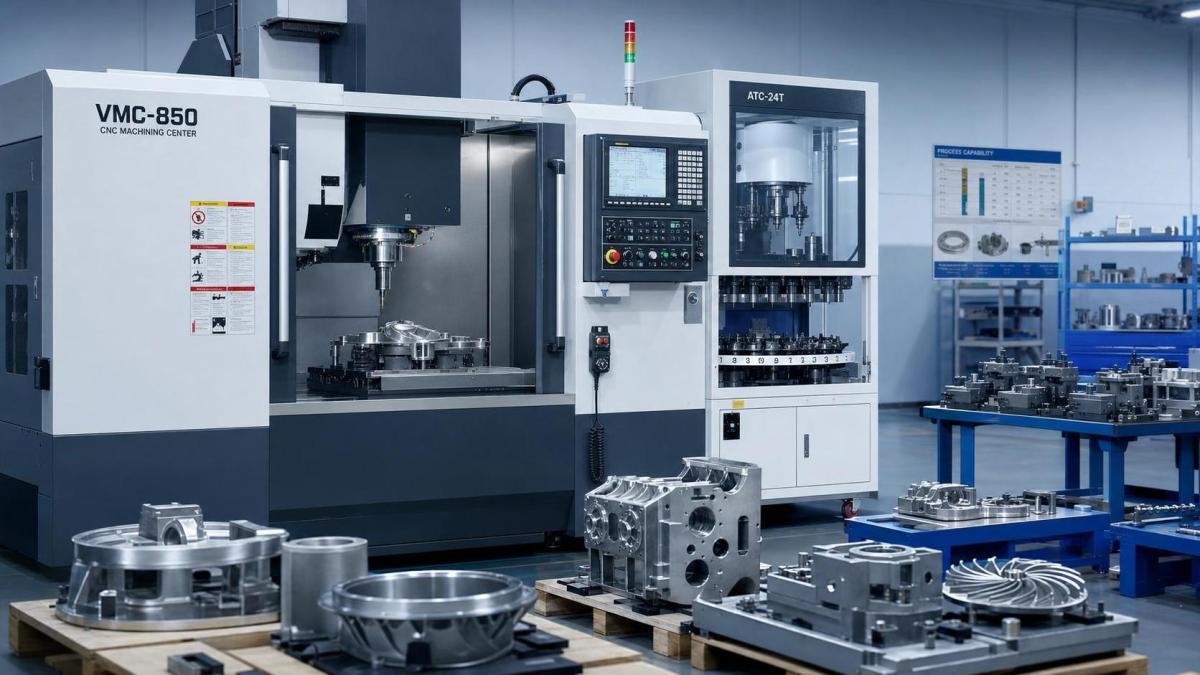
High-mix production rarely gives teams a stable rhythm. One day involves short-run aerospace parts. The next brings custom fixtures, energy components, or precision housings.
That variety creates pressure on machines, tooling plans, operators, and schedules. When one machine stops unexpectedly, the impact spreads fast across jobs, priorities, and delivery dates.
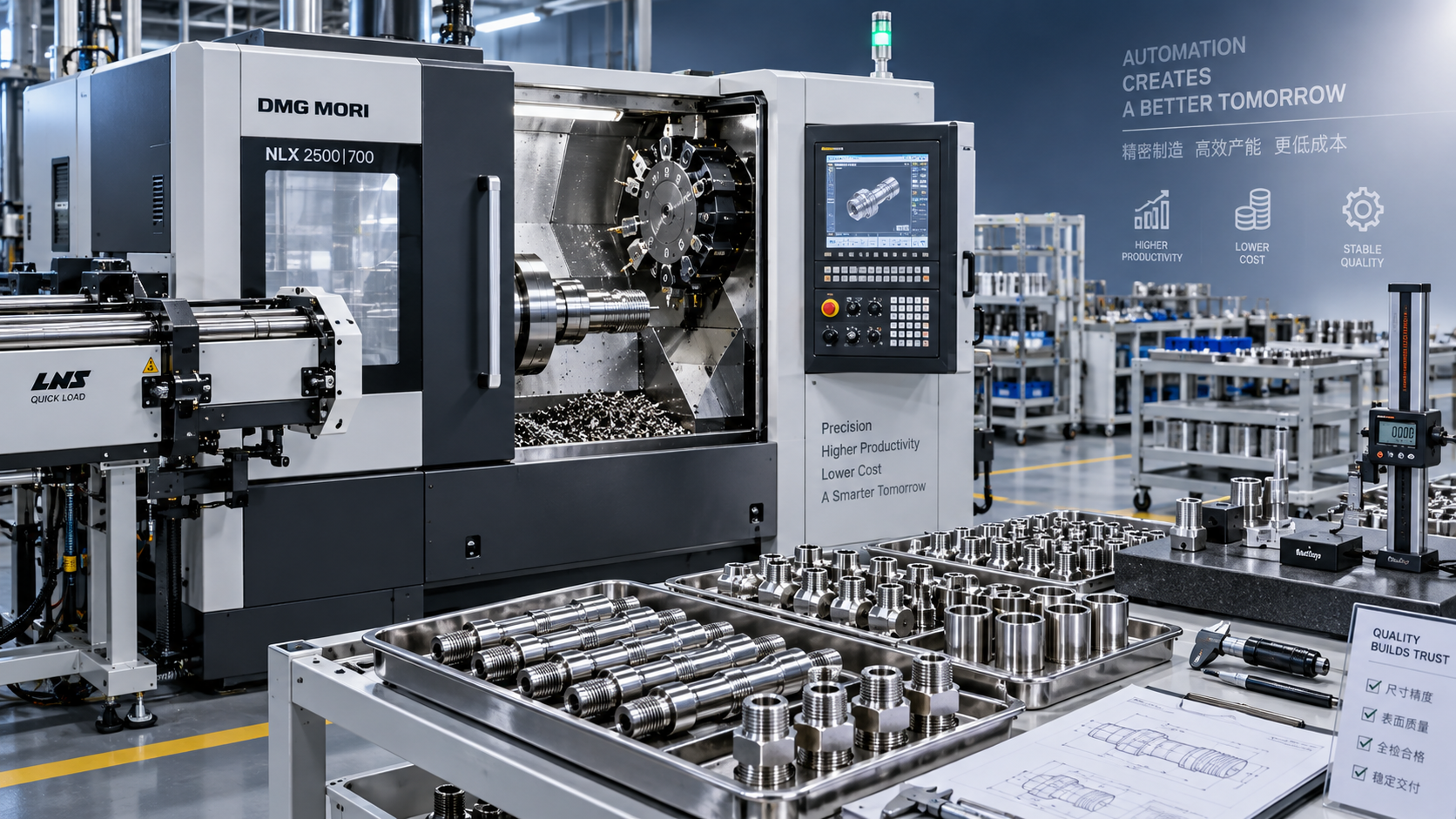
This is where low maintenance CNC manufacturing becomes a practical advantage. It helps reduce service frequency, improve uptime, and support faster changeovers without adding unnecessary complexity.
In real operations, downtime is not only a maintenance issue. It is also a planning problem, a cost problem, and often a customer trust problem.
Low maintenance CNC manufacturing addresses those risks by combining reliable machine design, simplified servicing, stable process control, and smarter production support.
For operations handling many part types, this approach creates a more predictable production environment. That predictability matters when deadlines are tight and product mixes change every week.
What Makes CNC Manufacturing Low Maintenance
Low maintenance CNC manufacturing does not mean machines never need service. It means the equipment is designed and managed to minimize routine disruption.
Several characteristics usually define this model:
- Robust spindles, guideways, and ball screws with long service intervals
- Centralized lubrication and simplified coolant management
- Easy access to wear parts and service points
- Stable control systems with fewer calibration interruptions
- Built-in monitoring for load, vibration, and tool condition
- Reliable automation interfaces for loaders, robots, and pallet systems
The real value appears when these features work together. A machine that is easy to maintain but frequently unstable still creates downtime.
By contrast, low maintenance CNC manufacturing reduces both planned service time and unplanned failures. That balance is especially useful in high-mix environments where schedule buffers are already small.
How It Directly Reduces Downtime
Downtime in high-mix production comes from more than machine breakdowns. It also comes from frequent setup changes, tooling uncertainty, program verification, and maintenance-related waiting.
Low maintenance CNC manufacturing reduces downtime in four direct ways.
1. Fewer Unexpected Stops
Reliable components and condition monitoring lower the chance of sudden spindle issues, lubrication faults, thermal drift, and control alarms.
That matters because a failure during a short-run job can delay several other jobs waiting behind it. In high-mix production, one stop often creates a chain reaction.
2. Faster Recovery When Service Is Needed
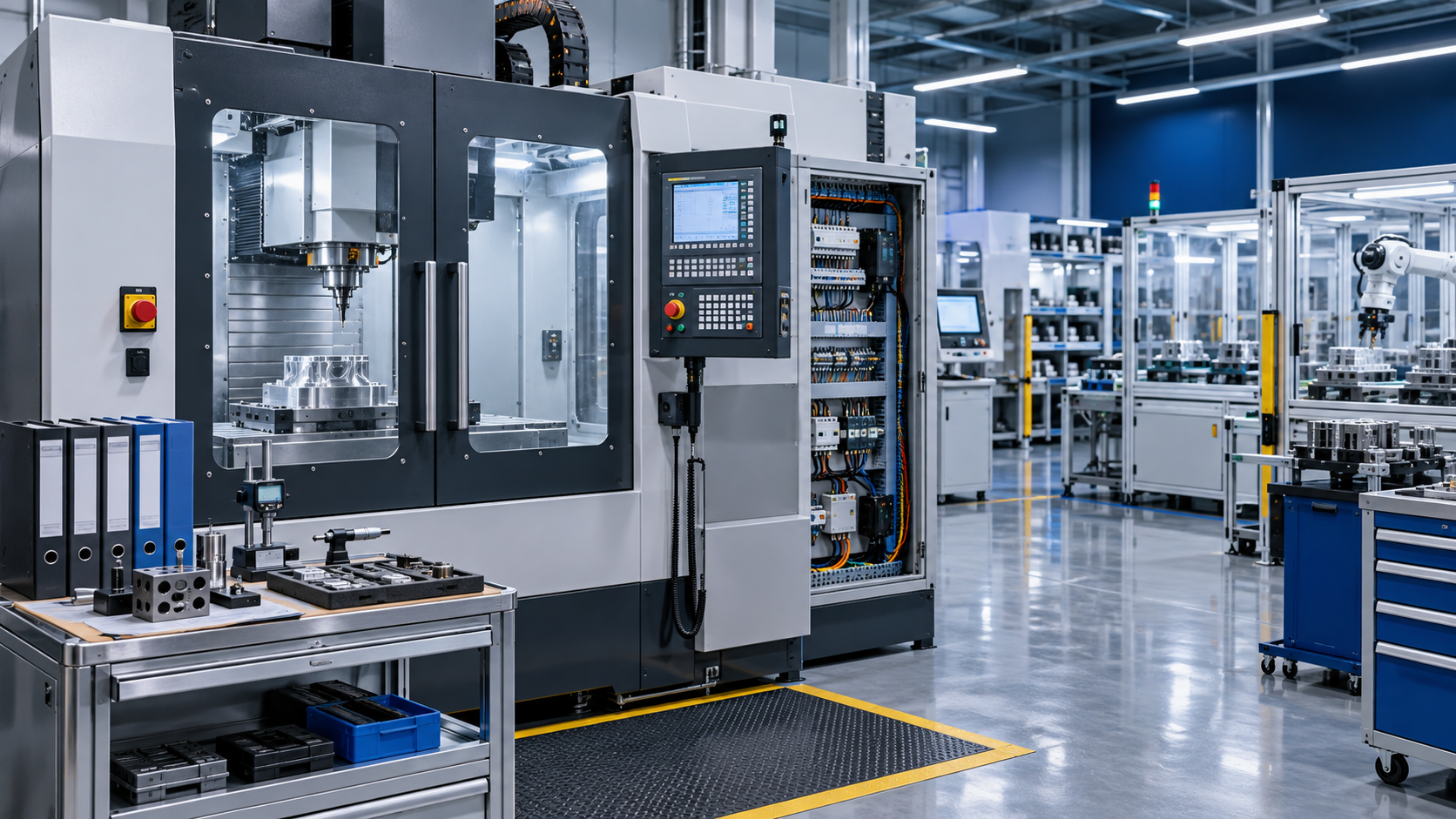
Service-friendly layouts reduce diagnosis time. Maintenance teams can reach filters, sensors, lubrication points, and electrical cabinets without disassembling major sections.
That shortens the gap between identifying a problem and restarting production. In busy workshops, that difference can protect the whole weekly plan.
3. More Stable Process Performance
Stable machines hold tolerances more consistently across different materials and part geometries. Less drift means fewer trial cuts, fewer quality holds, and fewer program adjustments.
This also improves first-pass yield. When quality problems drop, hidden downtime drops with them.
4. Smoother Changeovers
High-mix shops live on changeovers. Low maintenance CNC manufacturing supports smoother transitions because the machine remains predictable from one job to the next.
Operators spend less time compensating for machine inconsistency. That makes setup time easier to estimate and easier to improve.
Where the Biggest Gains Usually Appear
Not every operation benefits in the same way. The strongest results usually appear in environments with frequent product changes and tight due dates.
Common examples include:
- Contract machining with many small batches
- Automotive programs with prototype and service part overlap
- Aerospace work involving frequent process validation
- Energy equipment production with large part variation
- Electronics and precision component manufacturing with strict tolerances
In these settings, low maintenance CNC manufacturing protects capacity. It helps teams absorb demand shifts without constantly losing time to machine-related disruption.
A more noticeable signal is improved schedule confidence. When machine availability becomes more predictable, planning decisions become less defensive.
Key Evaluation Points Before Adoption
Choosing a low maintenance CNC manufacturing strategy requires more than comparing machine brochures. The real question is how the system behaves under actual production pressure.
Use the following evaluation points during sourcing or upgrade planning:
- Check maintenance intervals for spindles, lubrication, coolant, and filters.
- Review mean time to repair for common faults.
- Confirm spare part availability across regions and service networks.
- Evaluate thermal stability during multi-shift production.
- Assess tool monitoring and alarm clarity for operators.
- Verify compatibility with automation, MES, and remote diagnostics.
- Compare changeover performance across different part families.
This process helps separate true low maintenance CNC manufacturing from machines that only look efficient during a showroom demo.
A Practical Implementation Approach
For most factories, the best path is gradual. A full replacement strategy is rarely necessary at the start.
A practical rollout often follows this sequence:
- Identify the machines causing the most schedule disruption.
- Map downtime causes by failure type, service delay, and setup instability.
- Prioritize lines with high product variation and low scheduling slack.
- Introduce low maintenance CNC manufacturing features where downtime cost is highest.
- Track uptime, first-pass yield, setup time, and maintenance response time.
- Use results to guide the next upgrade or procurement cycle.
This also means cross-functional alignment matters. Engineering, maintenance, production, and sourcing teams need the same downtime definition and the same success metrics.
Without that alignment, even strong equipment can underperform because the operation around it remains fragmented.
Common Risks and How to Avoid Them
Low maintenance CNC manufacturing is effective, but implementation mistakes can weaken the result.
The main lesson is simple. Low maintenance CNC manufacturing works best when machine reliability, process control, and support readiness are treated as one system.
Turning Low Maintenance CNC Manufacturing into a Competitive Advantage
In high-mix production, flexibility only has value when it is stable. A flexible machine that stops often is still a bottleneck.
Low maintenance CNC manufacturing gives manufacturers a more dependable way to handle variety, shorter runs, and tighter delivery windows.
The gains are usually visible in uptime, recovery speed, setup consistency, and planning confidence. Over time, those gains support lower operating risk and better customer responsiveness.
A sensible next step is to review the current downtime profile, rank the most disruptive assets, and compare them against low maintenance CNC manufacturing criteria.
That kind of focused review often reveals where reliability improvements can deliver the fastest operational return.
Recommended for You
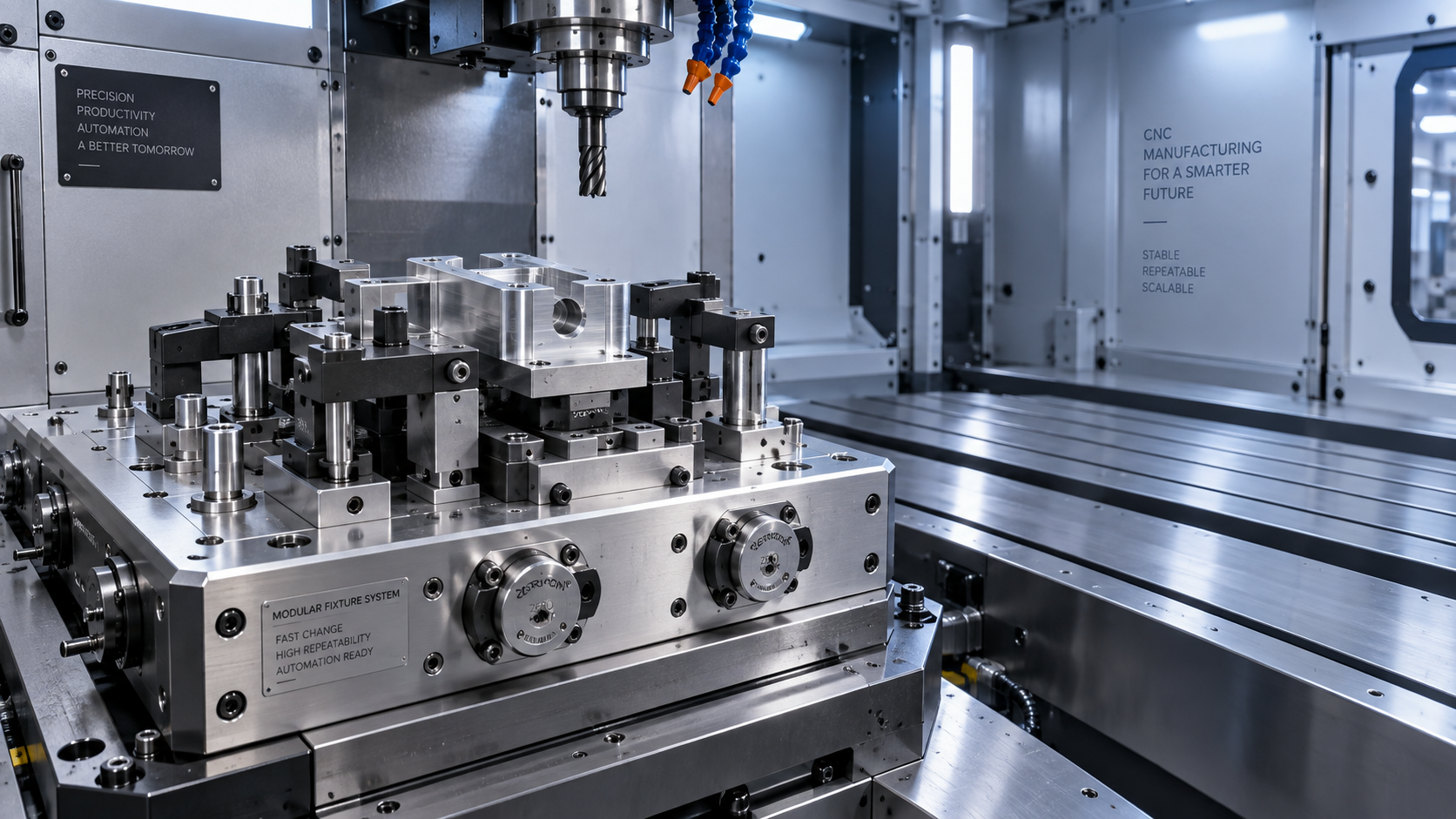
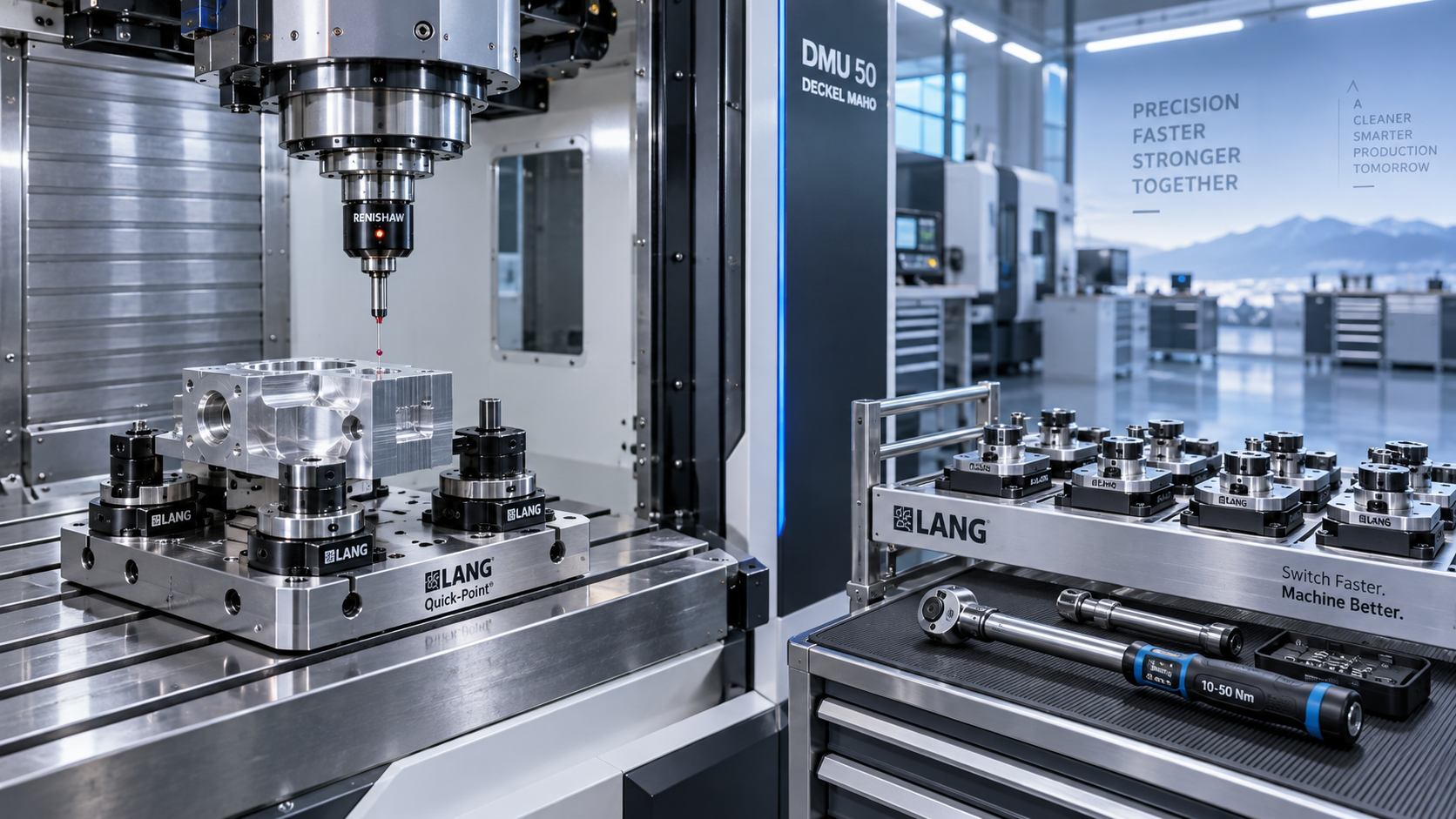
 Zero-Point Clamping or Modular Fixtures? Choosing a Faster CNC Changeover SystemCNC Machining Technology Center
 How to Cut CNC Fixture Changeover Time Without Sacrificing Part AccuracyCNC Machining Technology Center
 When Does CNC Turning Pay Off? A Break-Even Guide by Annual Part VolumeMachine Tool Industry Editorial Team
 Machine Tool Standards by Country: What Importers Must Verify Before PurchaseManufacturing Policy Research Center
 CNC Lathe Quick Installation Guide: Alignment Checks Before First Production RunCNC Machining Technology Center
 How to Select a CNC Lathe for Small Parts Without Sacrificing Accuracy or Cycle TimeCNC Machining Technology Center

Aris Katos
Future of Carbide Coatings
15+ years in precision manufacturing systems. Specialized in high-speed milling and aerospace grade alloy processing.
▶
Smart Manufacturing for Small Businesses: Where Automation Delivers the Fastest ROIMachine Tool Industry Editorial Team▶
How Smart Manufacturing Technology Improves OEE Across Industry 4.0 Production LinesMachine Tool Industry Editorial Team▶
How to Evaluate an Automation Line for Electronics Production Before InvestmentMachine Tool Industry Editorial Team▶
How to Evaluate an Automated Production Line for Output, Flexibility, and ROIMachine Tool Industry Editorial Team▶
How Smart Manufacturing Improves Traceability and Quality Control in Aerospace?Machine Tool Industry Editorial Team
Mastering 5-Axis Workholding Strategies
Join our technical panel on Nov 15th to learn about reducing vibrations in thin-wall components.

Providing you with integrated sanding solutions
Before-sales and after-sales services
Comprehensive technical support