• Global CNC market projected to reach $128B by 2028 • New EU trade regulations for precision tooling components • Aerospace deman
NYSE: CNC +1.2%LME: STEEL -0.4%

How to Choose a Heavy-Duty Machining Center for Mold Making: Key Specs and Use Cases
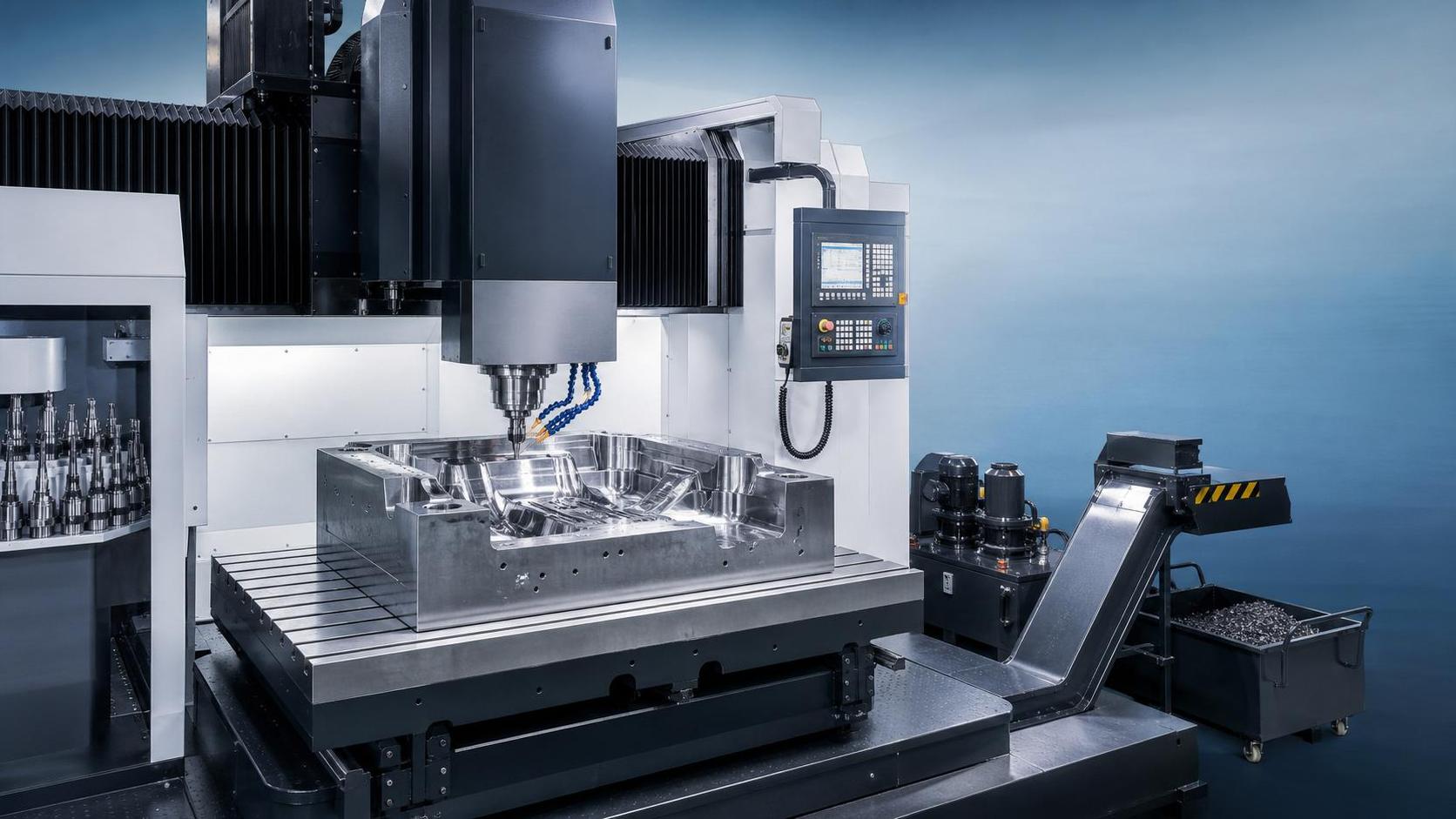
Choosing a Heavy-duty Machining Center for mold making is rarely a simple equipment comparison. In mold production, machine rigidity, accuracy retention, thermal control, travel range, and unattended stability often matter more than a headline spindle figure.
That matters even more today because global CNC manufacturing is moving toward tighter tolerances, digital integration, and higher automation. Mold shops serving automotive, aerospace, electronics, and energy programs need machines that support both precision work and production continuity.
Why mold making places different demands on a machining center
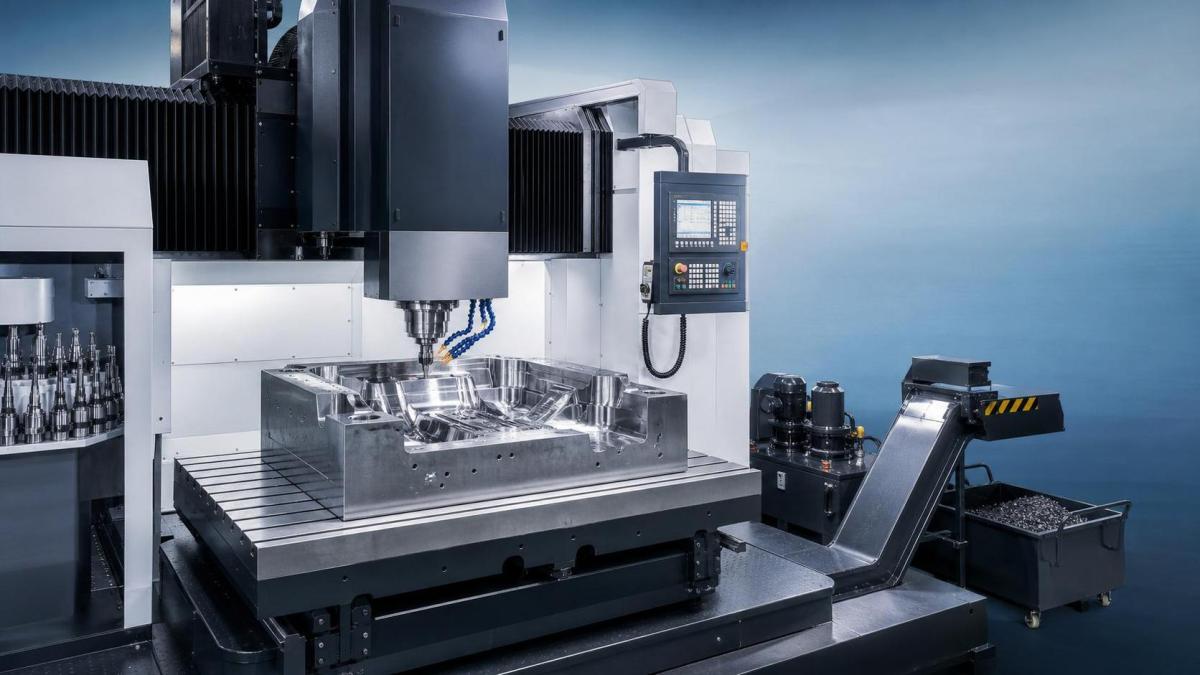
A Heavy-duty Machining Center for mold making is designed for long cutting cycles, heavy workpieces, and repeatable contour accuracy. It is not only about removing metal fast. It must also protect geometry over hours of roughing and finishing.
Mold components often combine deep cavities, complex surfaces, hard materials, and strict surface requirements. That mix creates conflicting needs. High torque helps roughing, but fine interpolation and thermal stability decide finishing quality.
In practical terms, the right platform should handle large mold bases, maintain precision after thermal buildup, and support tooling strategies that reduce polishing and rework. A weak machine may still cut parts, but it usually loses time in correction work.
The specifications that deserve closer attention
Technical evaluation becomes clearer when key specifications are read together rather than as isolated numbers. A Heavy-duty Machining Center for mold making performs well only when structure, motion, spindle behavior, and control logic are balanced.
Structural rigidity and damping
Base casting design, column structure, guideway layout, and spindle head mass all influence vibration resistance. For heavy roughing in tool steel, rigidity directly affects tool life, chatter control, and dimensional consistency.
Machines with wide box ways or strong roller linear guides can both perform well. The better choice depends on workpiece size, roughing load, acceleration needs, and the expected ratio between cavity machining and finishing work.
Spindle torque, speed, and duty behavior
Mold making usually needs a broader spindle envelope than general machining. Roughing large cavities may require high low-end torque, while semi-finishing and fine detail work need stable high-speed performance and smooth acceleration.
Continuous duty matters more than peak output. A spindle that advertises high power but fades under extended load may lengthen cycles and increase thermal drift. Stable power curves are more useful than aggressive brochure values.
Positioning accuracy and repeatability
For mold making, repeatability often becomes the silent cost driver. A Heavy-duty Machining Center for mold making should hold predictable positioning during long programs, especially when multiple electrodes, inserts, or cavity segments must align without extra fitting.
It is worth checking actual inspection methods, compensation functions, ball bar results, and delivered machine acceptance data. Catalog claims mean less if they are not tied to working conditions similar to mold production.
Thermal stability and compensation
Thermal behavior becomes critical once cycles stretch across hours. Heat from spindle rotation, axis motion, coolant, and ambient variation can shift geometry enough to affect parting lines, shut-offs, and cavity surfaces.
Look for spindle cooling, ballscrew temperature control, structural symmetry, and control-based thermal compensation. In many cases, thermal management has a greater effect on real mold accuracy than nominal static precision.
Axis travel, table load, and clearance
Large mold bases require more than enough X, Y, and Z travel. Clearance around fixtures, long tools, angle heads, and probing cycles must also be considered. Evaluations often fail when travel appears sufficient on paper but limits safe access in practice.
Table load capacity and load distribution are equally important. Heavy molds can affect dynamic response, axis wear, and leveling stability. The machine should be sized for real production mass, not only nominal maximum load.
Control capability and automation readiness
Modern mold work benefits from advanced look-ahead, high-speed surface processing, probing integration, tool monitoring, and network connectivity. These functions support smart manufacturing goals now common across global CNC operations.
The better control platform also simplifies data collection, preventive maintenance, and process traceability. That matters when a machining center becomes part of a larger automated cell or digitally managed production line.
How specification priorities change by use case
Not every mold application values the same machine attributes. The best Heavy-duty Machining Center for mold making depends on workpiece scale, material hardness, surface complexity, and whether the machine handles roughing, finishing, or both.
This is why machine comparison should start with the process route. A shop roughing very large steel molds has different needs from a facility focused on smaller precision cavities or interchangeable insert programs.
What often gets overlooked during evaluation
Several practical issues influence long-term value more than headline specifications. These points usually appear only after installation, when change becomes expensive.
- Tool magazine capacity should match unattended cycle plans, not only average jobs.
- Chip evacuation and coolant delivery affect cavity cleanliness and thermal consistency.
- Probe integration reduces setup drift and supports in-process correction.
- Foundation requirements and shop temperature control can limit actual accuracy.
- Local service response and spare part availability influence uptime more than small purchase savings.
In a global machine tool market shaped by China, Germany, Japan, and South Korea, hardware quality is only one side of the decision. Support infrastructure, application expertise, and software ecosystem increasingly affect real output.
A practical way to compare candidates
A useful evaluation method is to score each Heavy-duty Machining Center for mold making against the actual mold family it will support. That keeps the discussion tied to production reality instead of generic machine rankings.
Build the assessment around real parts
Use representative mold sizes, materials, tools, and cycle patterns. Include roughing load, finishing tolerance, surface targets, and expected unattended hours. This reveals whether a machine is structurally balanced for the intended mix.
Request evidence beyond brochures
Ask for test cuts, accuracy reports, thermal compensation logic, spindle duty data, and reference applications close to your own. A reliable supplier should explain not only machine capability, but also process limits.
Measure total process impact
Machine speed alone does not define productivity. Better rigidity may reduce tool wear. Better thermal behavior may reduce hand fitting. Better probing may reduce setup time. Those gains often justify a higher initial investment.
Where to focus next
The best Heavy-duty Machining Center for mold making is the one that fits the actual mold portfolio, process stability target, and automation roadmap. Selection becomes easier when machine data is tested against part geometry, material, cycle length, and quality risk.
A sensible next step is to define a comparison matrix covering rigidity, spindle duty, thermal control, travel, control functions, and service capability. From there, shortlist machines using live process evidence rather than headline specifications alone.
Recommended for You
 Machine Tool Standards by Country: What Importers Must Verify Before PurchaseManufacturing Policy Research Center
 CNC Lathe Quick Installation Guide: Alignment Checks Before First Production RunCNC Machining Technology Center
 How to Select a CNC Lathe for Small Parts Without Sacrificing Accuracy or Cycle TimeCNC Machining Technology Center
 How to Select a Slant Bed Lathe for High-Precision Shaft and Chuck WorkCNC Machining Technology Center
 Smart Manufacturing for Small Businesses: Where Automation Delivers the Fastest ROIMachine Tool Industry Editorial Team
 How to Specify a CNC Lathe for High-Volume Automotive Shaft ProductionCNC Machining Technology Center

Aris Katos
Future of Carbide Coatings
15+ years in precision manufacturing systems. Specialized in high-speed milling and aerospace grade alloy processing.
▶
How to Compare Machine Tools for Small-Batch vs Mass Production JobsMachine Tool Industry Editorial Team▶
Multi-Axis Machine Tool Selection Guide: Travel, Spindle, Accuracy, and Control SystemMachine Tool Industry Editorial Team▶
How to Evaluate Precision Equipment for Tight-Tolerance Parts and Stable OutputMachine Tool Industry Editorial Team▶
KATS Tightens CNC Grinder Import Test RulesMachine Tool Industry Editorial Team▶
Precision Lathe Types Compared: Swiss-Type, Slant Bed, and Flat Bed DifferencesMachine Tool Industry Editorial Team
Mastering 5-Axis Workholding Strategies
Join our technical panel on Nov 15th to learn about reducing vibrations in thin-wall components.

Providing you with integrated sanding solutions
Before-sales and after-sales services
Comprehensive technical support