• Global CNC market projected to reach $128B by 2028 • New EU trade regulations for precision tooling components • Aerospace deman
NYSE: CNC +1.2%LME: STEEL -0.4%

How to Choose a High Precision CNC Machine Tool for Micron-Level Accuracy
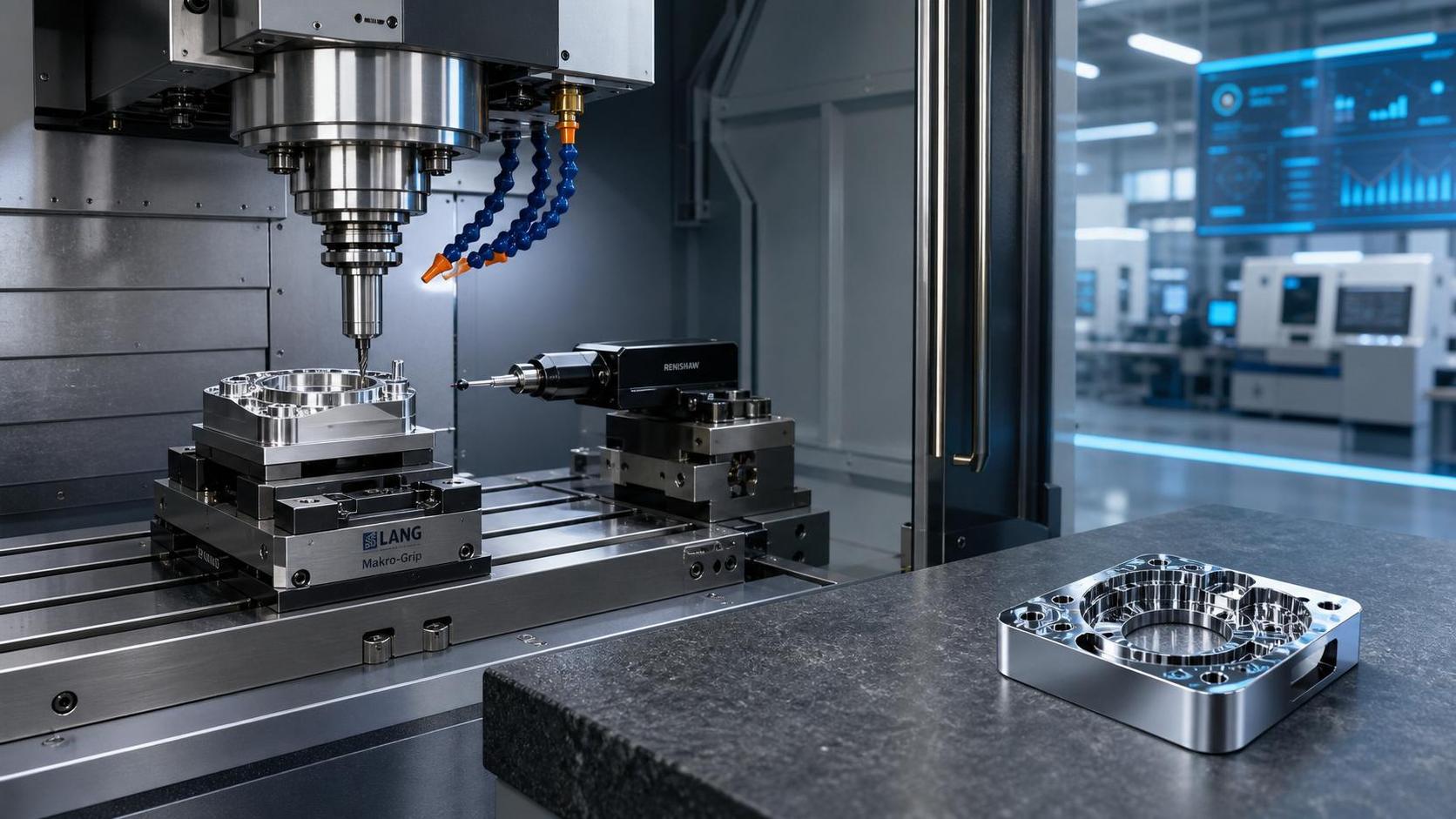
How to Choose a High Precision CNC Machine Tool for Micron-Level Accuracy
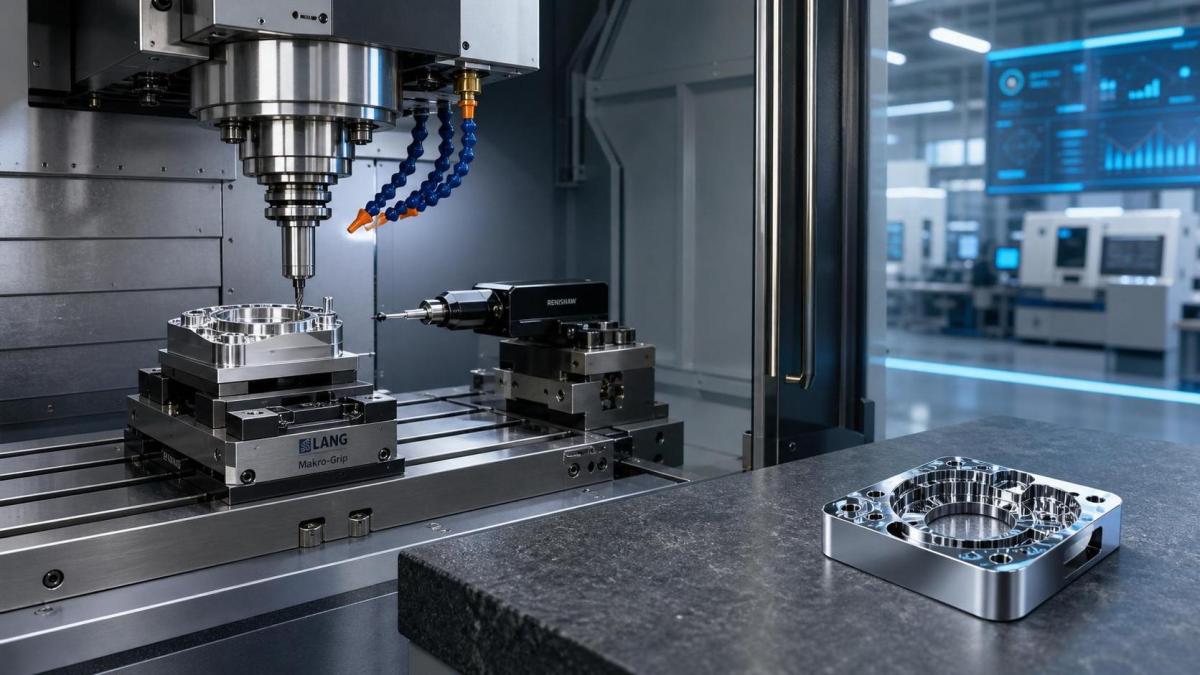
Choosing a High Precision CNC Machine Tool is rarely about one specification alone.
Micron-level accuracy depends on machine structure, thermal control, process stability, and supplier capability working together.
That is why a smart buying decision starts with application reality, not brochure highlights.
In aerospace, automotive, electronics, and energy equipment, tolerance windows keep getting tighter.
At the same time, delivery pressure and cost control remain just as demanding.
A High Precision CNC Machine Tool must therefore deliver accuracy consistently, not only under ideal test conditions.
The practical question is simple: can this machine hold micron-level performance across shifts, operators, materials, and production batches?
The sections below break that decision into clear evaluation points that support both technical confidence and long-term purchasing value.
Start with the Real Accuracy Requirement
Many buying mistakes begin with a vague target such as “high precision” or “better tolerance.”
Before comparing any High Precision CNC Machine Tool, define the exact part accuracy needed in production.
This includes dimensional tolerance, surface finish, roundness, straightness, and position accuracy.
It also includes material type, batch size, cutting cycle, and quality inspection method.
A machine that performs well on aluminum prototypes may behave very differently on hardened steel in continuous production.
A useful requirement sheet should answer these points:
- Target tolerance range by feature
- Workpiece size, weight, and material
- Expected daily and monthly output
- Required Cpk or process capability level
- Tooling, fixture, and automation interface needs
This step narrows the shortlist quickly and prevents overpaying for precision that the application does not truly need.
Evaluate Machine Structure Before Control Features
For micron-level machining, the machine base matters more than glossy interface features.
A High Precision CNC Machine Tool needs strong structural rigidity and vibration resistance.
Cast iron beds, mineral casting, optimized rib structures, and stable guideway design all influence repeatability.
Spindle construction is equally important.
Runout, bearing quality, preload design, and thermal stability directly affect the final part result.
Linear scales, ball screws, servo response, and axis geometry should be reviewed as one integrated system.
Ask suppliers for measurable data, not general claims:
- Positioning accuracy and repeatability under recognized standards
- Spindle runout values and test method
- Machine geometry inspection reports
- Long-cycle accuracy retention data
- Vibration and thermal drift performance records
In actual sourcing, structural quality often separates a genuinely precise CNC machine tool from an expensive but unstable one.
Check Thermal Stability and Environmental Control
Thermal error is one of the biggest reasons micron-level accuracy fails on the shop floor.
Even a capable High Precision CNC Machine Tool can drift when spindle heat, ambient temperature, and coolant conditions are unmanaged.
This is becoming more important as production shifts toward longer unattended cycles and tighter quality windows.
Look for features such as spindle cooling, oil temperature management, thermal compensation, and machine layout designed for balanced heat flow.
Also review the supplier’s recommendations for installation environment.
Key questions include:
- What room temperature range is required for stable performance?
- How long is the warm-up period before precision cutting?
- How is thermal compensation verified in real machining conditions?
- What happens to accuracy after eight or twelve continuous operating hours?
A precise machine without thermal discipline usually becomes a hidden quality risk rather than a production asset.
Look Beyond the Machine to the Full Process Chain
A High Precision CNC Machine Tool cannot deliver micron-level results alone.
Tool holders, cutting tools, fixtures, probes, coolant systems, and measurement routines must match the accuracy target.
This is where many procurement evaluations become too narrow.
A lower-priced machine may require additional spending later to achieve process stability.
More importantly, incompatible tooling or weak fixture repeatability can erase the benefits of a premium machine platform.
During supplier discussions, review the full process package:
- Recommended tool interface and holder balance grade
- Fixture repeatability and clamping distortion control
- In-machine probing and part verification options
- Chip evacuation and coolant consistency
- Post-process inspection integration with CMM or online measurement
When the whole chain is aligned, a High Precision CNC Machine Tool becomes far easier to qualify and scale.
Assess Automation and Digital Compatibility Early
In recent years, machine tool investment has moved beyond standalone cutting performance.
A High Precision CNC Machine Tool should fit future plans for automation, traceability, and data-driven production.
That may include robot loading, pallet systems, MES connectivity, tool life monitoring, and predictive maintenance.
This matters because micron-level machining often appears in high-mix, high-value production where downtime is costly.
A machine that cannot connect cleanly to automated workflows may create future bottlenecks.
Useful evaluation points include:
- Open communication protocols and software support
- Robot or gantry loading interface readiness
- Remote diagnostics and condition monitoring tools
- Alarm history, machine data logging, and traceability functions
- Expandable options for lights-out or flexible manufacturing cells
From a cost perspective, this can protect the investment life of the CNC machine tool far better than short-term price savings.
Compare Suppliers on Proof, Service, and Risk Control
Supplier quality becomes even more important when buying a High Precision CNC Machine Tool.
The machine may look strong on paper, yet weak support can delay installation, qualification, and stable production.
Ask for real application cases close to your part type and accuracy demand.
Whenever possible, request cutting tests using representative materials and features.
It is also worth checking local service coverage, spare parts lead time, and engineer response capability.
A practical supplier review can use this table:
This approach gives a more realistic view than comparing price lists or axis travel alone.
Make the Final Decision with Total Cost in Mind
The best High Precision CNC Machine Tool is not always the highest-priced model or the cheapest acceptable option.
The right choice is the one that delivers required accuracy, stable output, manageable operating cost, and future production flexibility.
That means looking at total ownership cost across the machine’s service life.
Include tooling consumption, downtime risk, calibration needs, energy use, training, and software or automation expansion.
More importantly, estimate the cost of scrap, rework, and missed delivery if accuracy drifts in production.
A sound selection process usually follows these steps:
- Define the true micron-level requirement by part and process.
- Shortlist each High Precision CNC Machine Tool by structural and thermal capability.
- Validate performance with sample cutting and measurable reports.
- Review automation fit, service readiness, and process support.
- Compare lifetime value, not only initial machine price.
As global manufacturing moves toward smarter and more integrated production, this disciplined method becomes even more valuable.
A well-chosen High Precision CNC Machine Tool supports quality, throughput, and business resilience at the same time.
Use that standard in every comparison, and the final decision becomes clearer, faster, and easier to defend internally.
Recommended for You
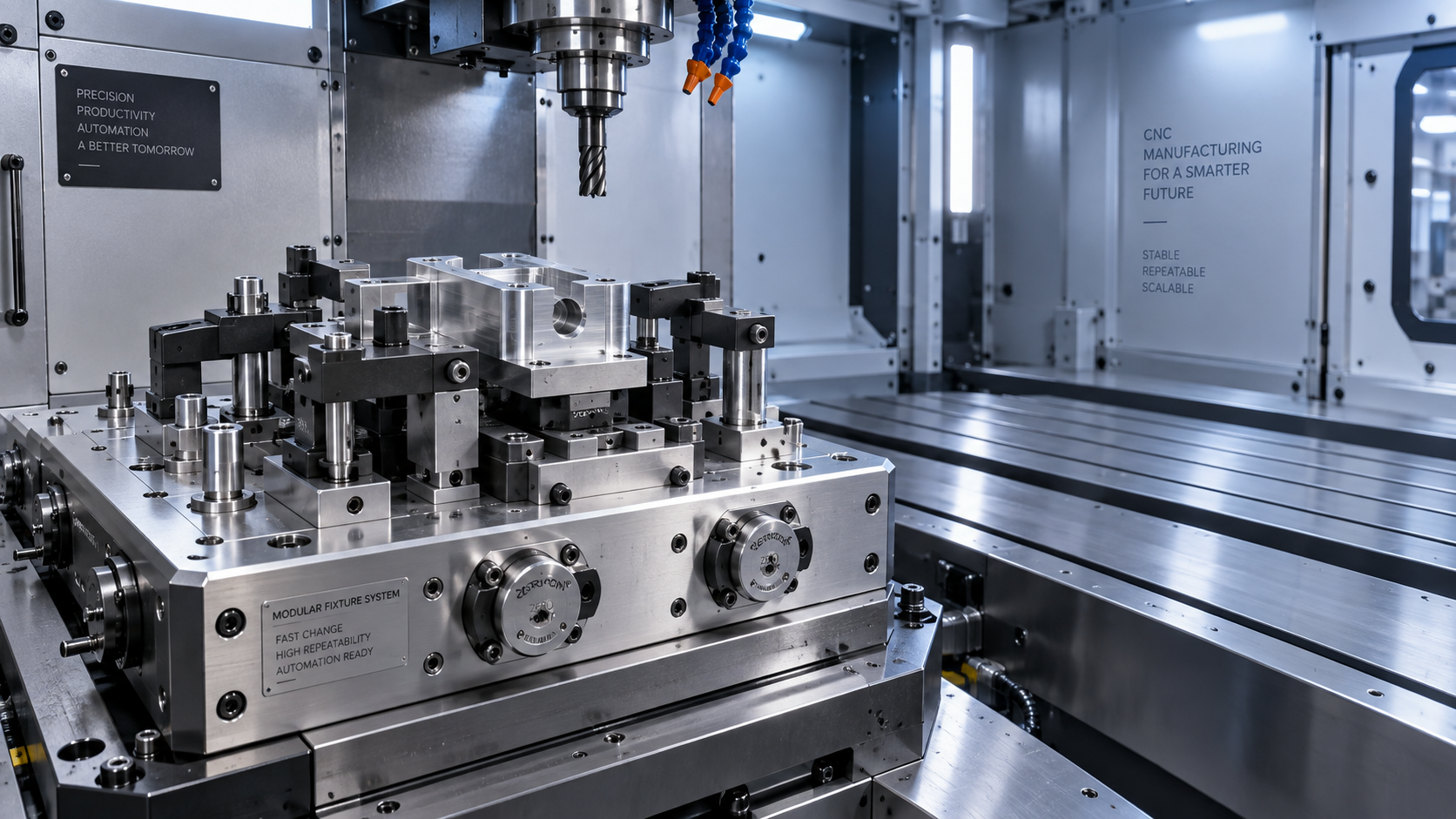
 Zero-Point Clamping or Modular Fixtures? Choosing a Faster CNC Changeover SystemCNC Machining Technology Center
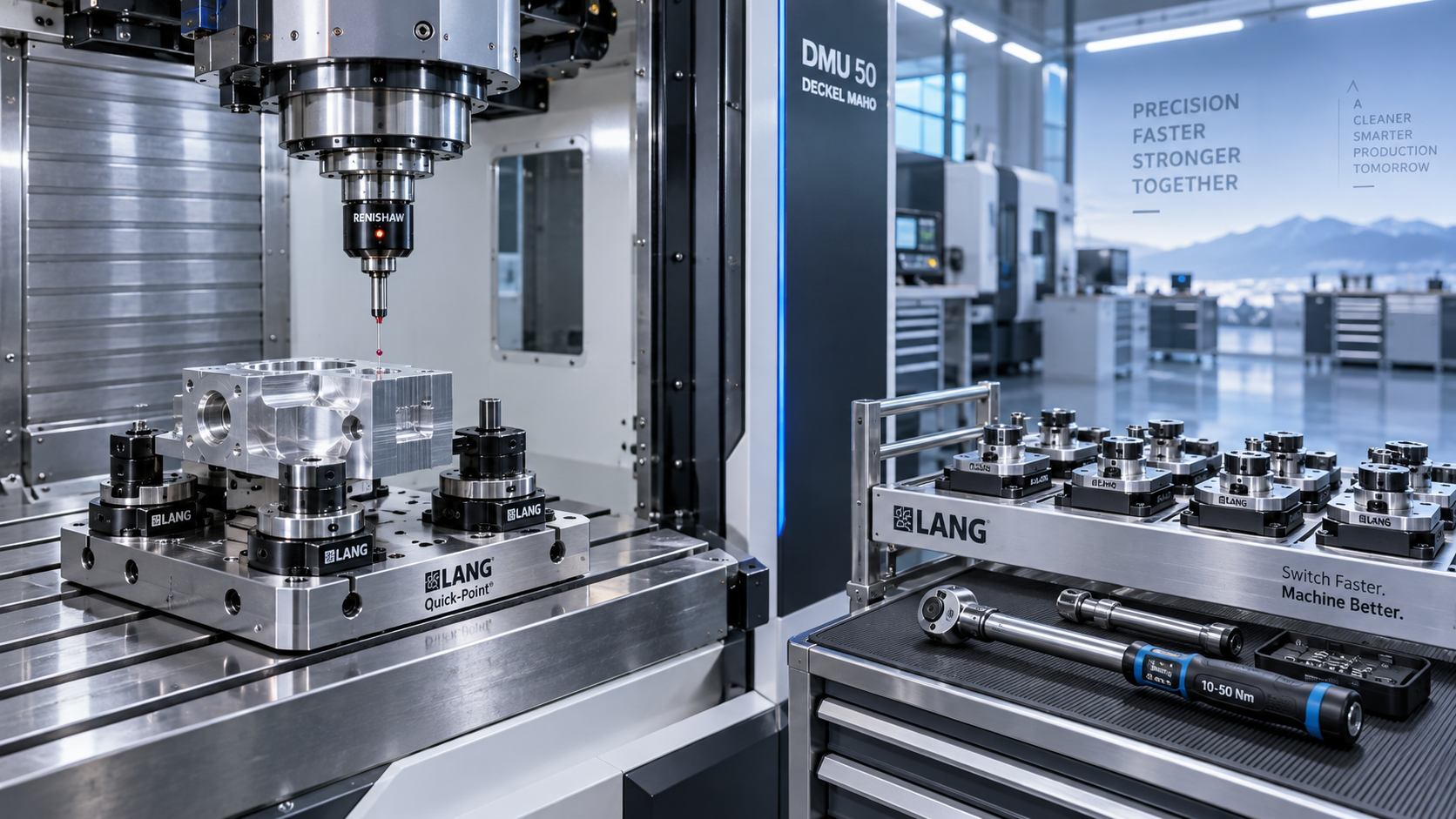
 How to Cut CNC Fixture Changeover Time Without Sacrificing Part AccuracyCNC Machining Technology Center
 When Does CNC Turning Pay Off? A Break-Even Guide by Annual Part VolumeMachine Tool Industry Editorial Team
 Machine Tool Standards by Country: What Importers Must Verify Before PurchaseManufacturing Policy Research Center
 CNC Lathe Quick Installation Guide: Alignment Checks Before First Production RunCNC Machining Technology Center
 How to Select a CNC Lathe for Small Parts Without Sacrificing Accuracy or Cycle TimeCNC Machining Technology Center

Aris Katos
Future of Carbide Coatings
15+ years in precision manufacturing systems. Specialized in high-speed milling and aerospace grade alloy processing.
▶
How to Compare Machine Tools for Small-Batch vs Mass Production JobsMachine Tool Industry Editorial Team▶
Multi-Axis Machine Tool Selection Guide: Travel, Spindle, Accuracy, and Control SystemMachine Tool Industry Editorial Team▶
How to Evaluate Precision Equipment for Tight-Tolerance Parts and Stable OutputMachine Tool Industry Editorial Team▶
KATS Tightens CNC Grinder Import Test RulesMachine Tool Industry Editorial Team▶
Precision Lathe Types Compared: Swiss-Type, Slant Bed, and Flat Bed DifferencesMachine Tool Industry Editorial Team
Mastering 5-Axis Workholding Strategies
Join our technical panel on Nov 15th to learn about reducing vibrations in thin-wall components.

Providing you with integrated sanding solutions
Before-sales and after-sales services
Comprehensive technical support