• Global CNC market projected to reach $128B by 2028 • New EU trade regulations for precision tooling components • Aerospace deman
NYSE: CNC +1.2%LME: STEEL -0.4%

What Is Manufacturing Technology? Key Processes, Systems, and Industrial Use Cases
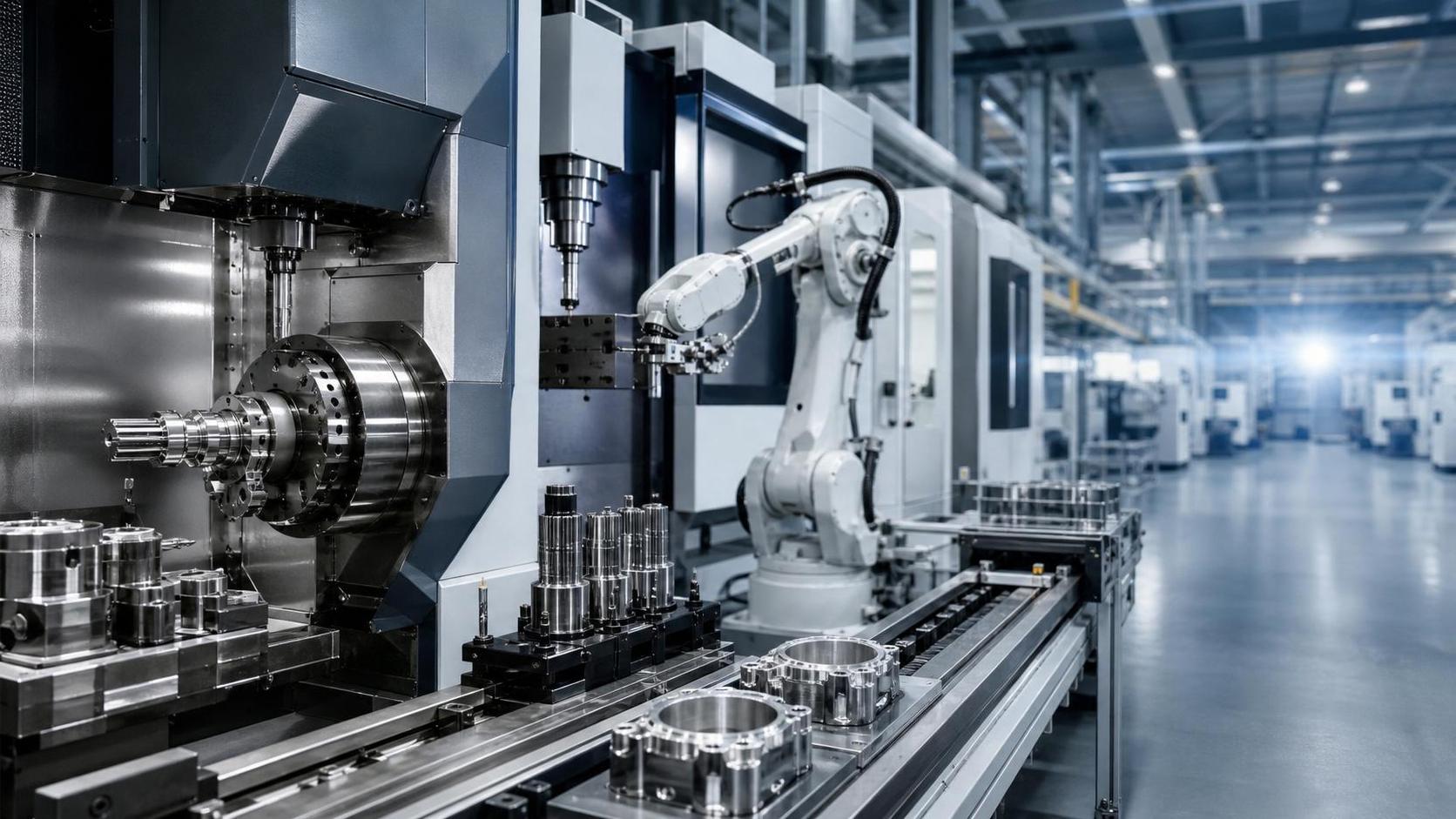
Why does Manufacturing Technology matter so much today?
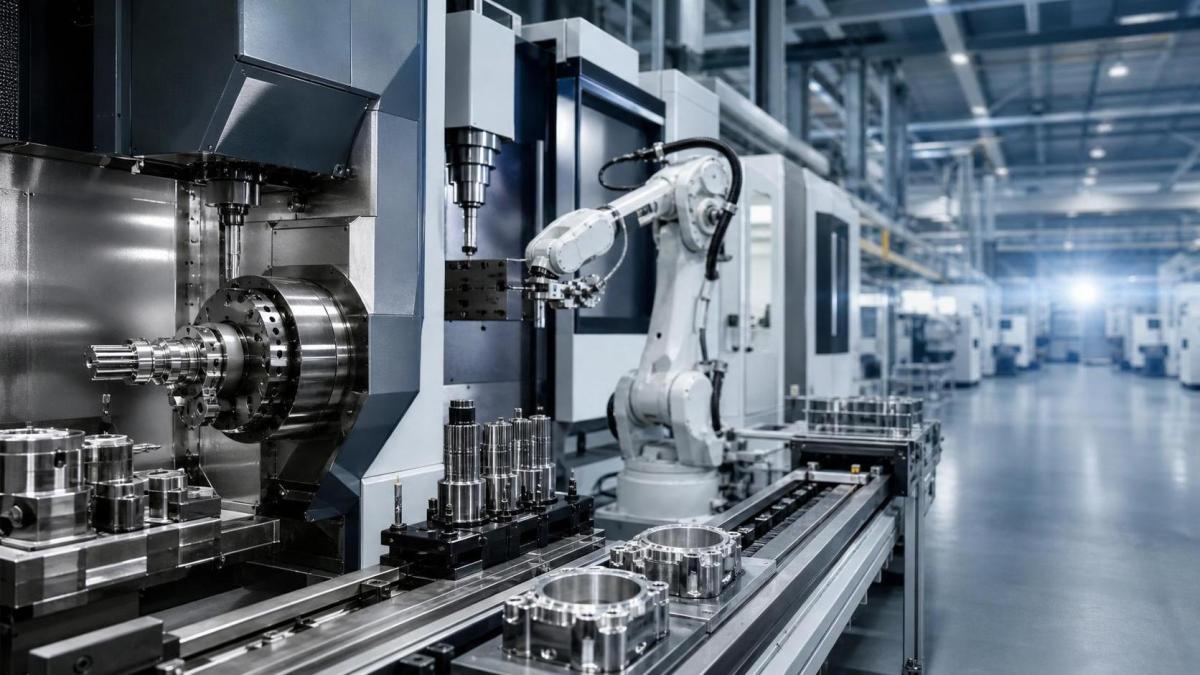
Manufacturing Technology sits at the center of modern industry. It connects machines, software, tooling, process control, and production planning into one practical system.
That matters because product quality no longer depends on equipment alone. It depends on how design data, machining accuracy, automation, and inspection work together.
In real production, this can mean CNC lathes shaping shafts, machining centers finishing housings, and robots moving parts between stations with repeatable timing.
The broader point is simple. Manufacturing Technology helps factories produce faster, with tighter tolerances, lower waste, and more stable output across large production volumes.
It is especially important in automotive, aerospace, energy equipment, and electronics, where precision parts must meet strict dimensional and performance requirements.
This is also why the machine tool sector remains a core industrial foundation. High-precision CNC systems and automated lines make advanced manufacturing possible at scale.
What exactly counts as Manufacturing Technology?
A common misunderstanding is to treat Manufacturing Technology as a single machine. In practice, it is a combination of production methods, control systems, and factory workflows.
It usually includes both physical equipment and digital tools. One side handles cutting, forming, joining, measuring, and assembly. The other side manages data, quality, scheduling, and traceability.
In precision manufacturing, the most visible examples include:
- CNC lathes for shafts, sleeves, and rotational parts
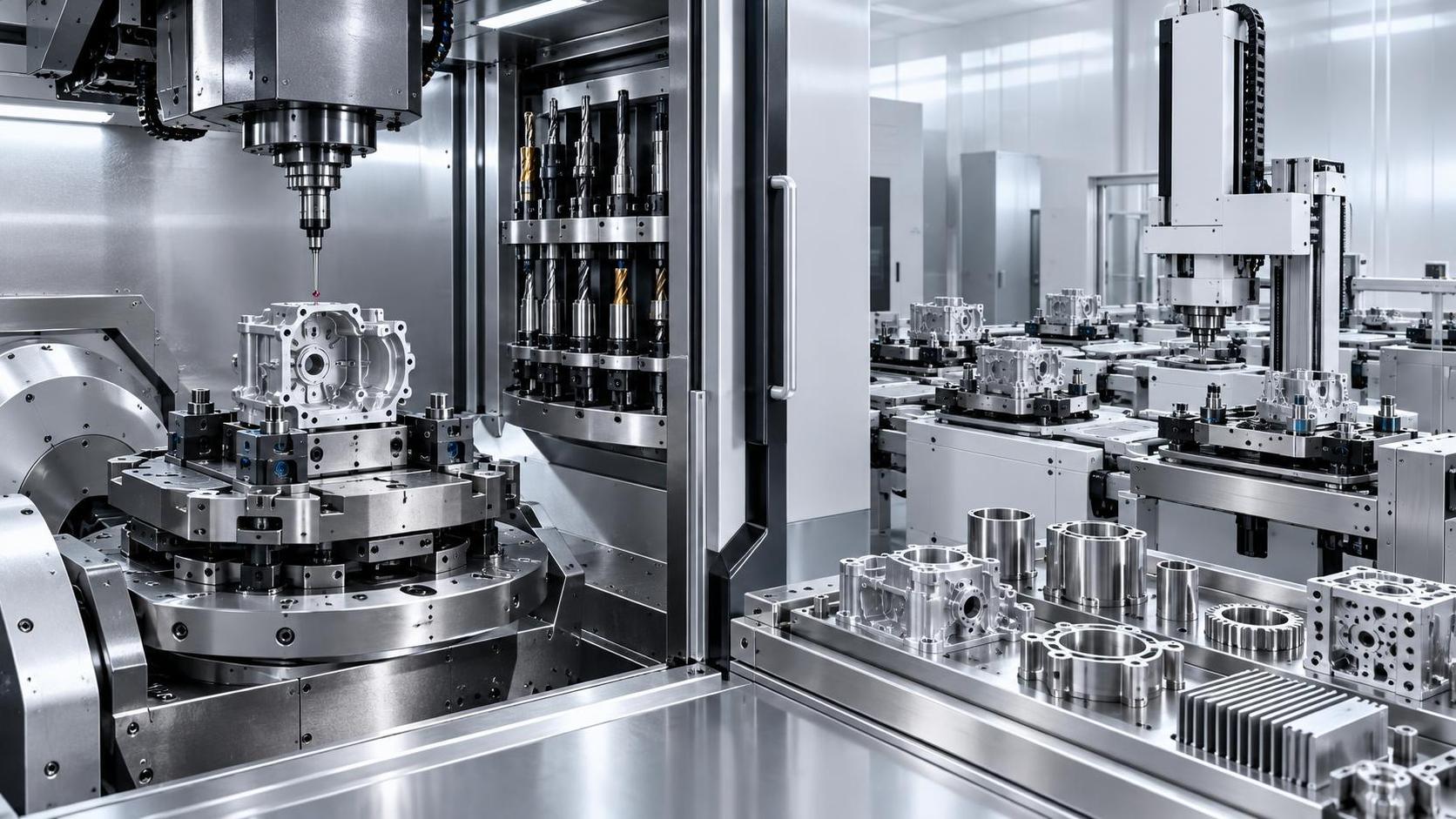
- Machining centers for structural parts and complex surfaces
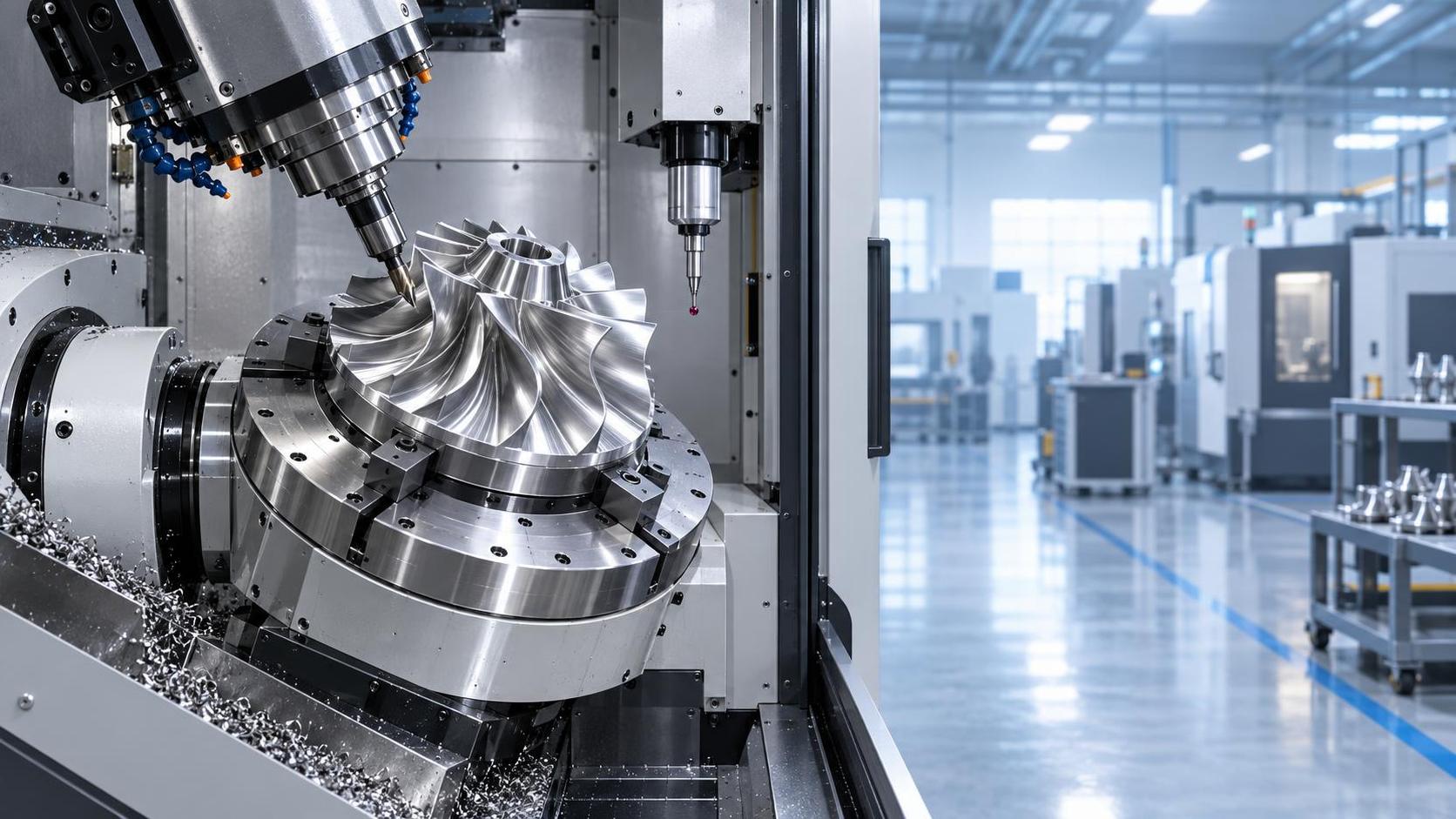
- Multi-axis machining systems for difficult geometries
- Cutting tools, fixtures, and workholding systems
- Automated assembly, robots, and flexible production cells
- Inspection systems, sensors, and production software
So when people ask what Manufacturing Technology is, the better answer is this: it is the full capability used to turn engineering intent into repeatable industrial output.
Which key processes and systems shape real factory performance?
Not every process has equal impact. The biggest gains usually come from the points where precision, cycle time, and consistency meet.
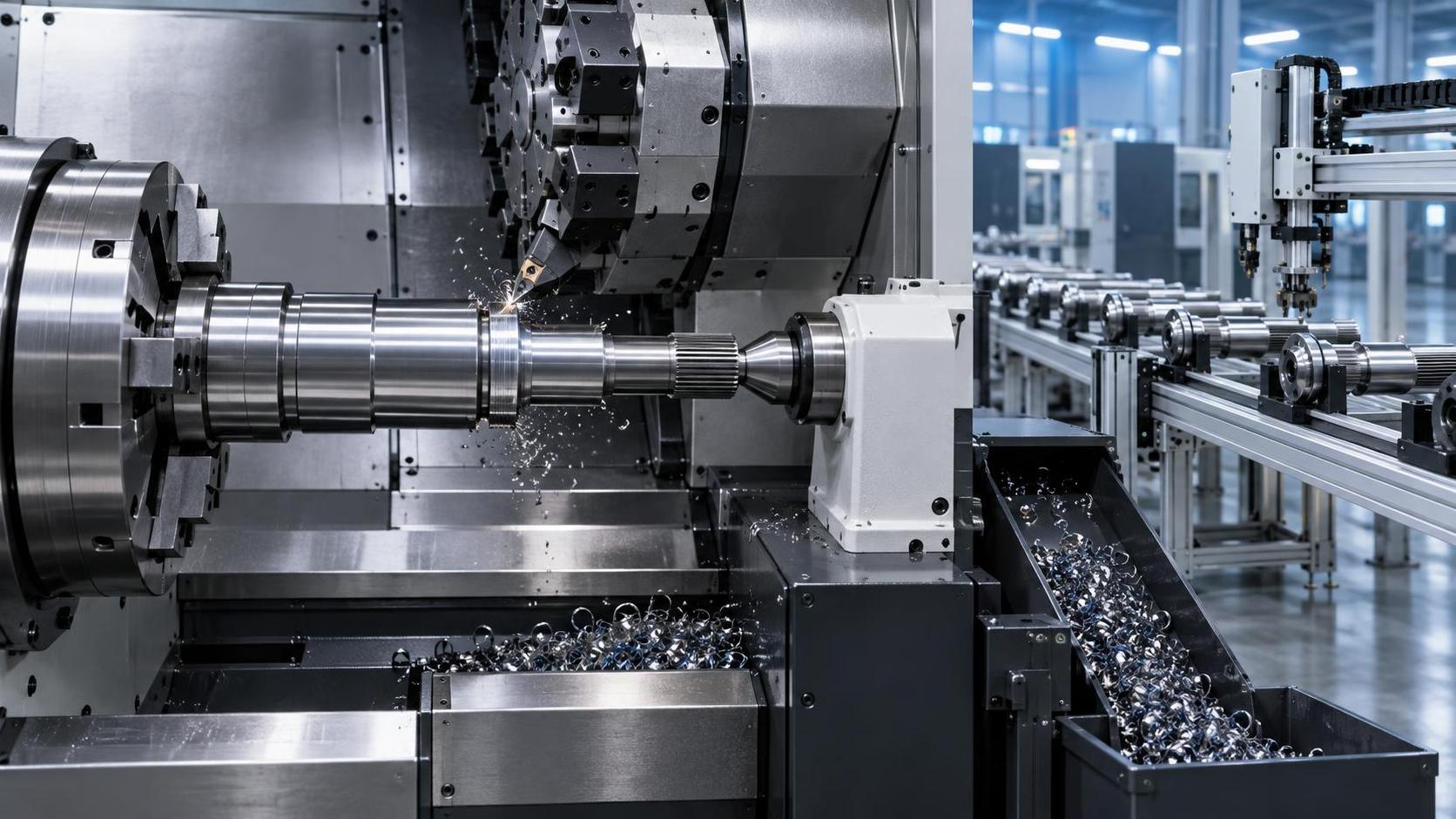
Subtractive machining remains one of the most important areas. CNC turning, milling, drilling, boring, and grinding are still essential for high-accuracy metal parts.
Yet equipment alone is not enough. Tool path programming, fixture design, tool life management, and in-process measurement often decide whether production stays stable.
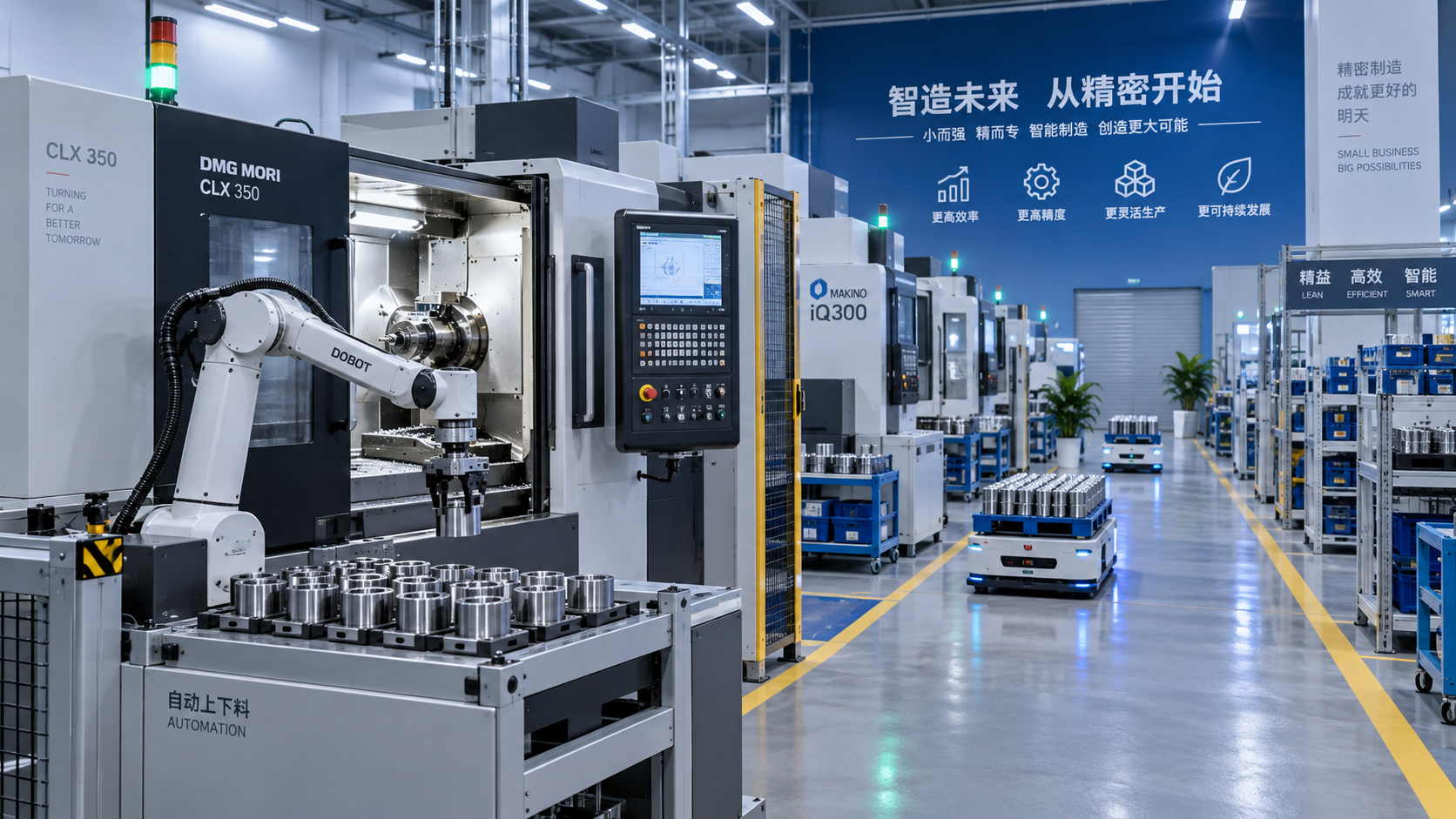
Automation is the next layer. Robots, pallet systems, and automatic loading reduce manual variation and improve machine utilization, especially in mixed-volume production.
Digital integration is becoming just as important. Machine monitoring, MES connectivity, and quality data feedback help identify bottlenecks before they become delivery problems.
A useful way to read Manufacturing Technology is by function, not by buzzword. The table below makes that distinction clearer.
Where is Manufacturing Technology used most, and why?
The strongest use cases appear where parts are complex, tolerances are tight, and production reliability affects safety, cost, or downstream assembly.
Automotive production is a clear example. Engines, transmissions, steering components, and EV structures all depend on precise machining and consistent throughput.
Aerospace uses Manufacturing Technology for lightweight yet demanding parts. Fewer setups, better surface control, and better traceability are critical in that environment.
Energy equipment also relies on it heavily. Turbine parts, pump bodies, flanges, and sealing surfaces often require stable machining over larger dimensions and harder materials.
Electronics manufacturing adds a different challenge. Here, speed, miniaturization, and repeatability matter more, especially for connectors, heat sinks, frames, and precision fixtures.
Across these sectors, the pattern is similar. Manufacturing Technology reduces variation between batches and helps keep quality aligned with design intent.
This explains why industrial clusters in China, Germany, Japan, and South Korea remain influential. Their strength comes from machine tools, components, software, tooling, and supply chain depth working together.
How do you judge whether a Manufacturing Technology setup is actually suitable?
A frequent mistake is choosing based on machine size or headline speed. A more reliable approach is to start from the part, the process route, and the expected production rhythm.
In practical terms, several questions usually matter more than brand claims.
- What tolerance and surface finish must be held consistently?
- How many setups are needed to complete the part?
- Will the material cause tool wear, vibration, or heat issues?
- Is the production mix stable, or does it change often?
- Can the line support inspection, traceability, and maintenance?
For example, a multi-axis system may cut setup time dramatically, but only if programming skill, fixturing, and inspection capability are already in place.
Likewise, automation makes sense when loading time, repeatability, and labor constraints are meaningful bottlenecks. It adds less value when product changeovers are constant and poorly standardized.
The right Manufacturing Technology is rarely the most advanced option on paper. It is the one that fits the process window and remains controllable over time.
What are the most common mistakes or hidden risks?
One common risk is overestimating what a new machine can solve. If tooling, part clamping, coolant control, and programming remain weak, quality problems usually return.
Another issue is treating digital integration as optional. Without reliable process data, downtime analysis and quality tracing become slow and reactive.
There is also a cost misunderstanding. Initial equipment price is only one part of the decision. Tool consumption, setup time, maintenance, software, training, and spare parts often change the real picture.
In global operations, supplier support matters more than many expect. Delivery speed, service capability, and component availability can affect output as much as spindle performance.
A simple risk checklist helps prevent weak decisions:
- Do not separate machine selection from tooling strategy
- Confirm process capability with real part conditions
- Check data connectivity before scaling automation
- Review total operating cost, not purchase price alone
- Plan maintenance and operator training early
What should you look at next if you want a clearer direction?
The best next step is not to chase every trend at once. Start by mapping the current production challenge as clearly as possible.
If the problem is part accuracy, focus on machine rigidity, process capability, metrology, and fixture repeatability. If the issue is output, examine setup time, automation potential, and scheduling flow.
When evaluating Manufacturing Technology, compare three things together: technical fit, implementation effort, and long-term operating control.
It also helps to follow developments in CNC machining, smart factory systems, and precision manufacturing supply chains. Those signals often show where costs, lead times, and technology standards are moving.
In short, Manufacturing Technology is not just about better machines. It is about building a production system that can hold quality, absorb change, and scale with less friction.
A practical way forward is to define the target part requirements, compare process options, review automation and data needs, and then judge cost, cycle time, and risk together.
Recommended for You
 Smart Manufacturing for Small Businesses: Where Automation Delivers the Fastest ROIMachine Tool Industry Editorial Team
 How to Specify a CNC Lathe for High-Volume Automotive Shaft ProductionCNC Machining Technology Center
 How Automated Precision Machining Maintains Tolerance in High-Mix ProductionCNC Machining Technology Center
 How to Evaluate a Machine Tool Factory Before Sourcing CNC EquipmentGlobal Machine Tool Trade Research Center
 CNC Programming Explained: From CAD Models to Reliable Shop-Floor ToolpathsCNC Machining Technology Center
 How Multi-Axis Machining Produces Complex Components With Fewer SetupsCNC Machining Technology Center



Aris Katos
Future of Carbide Coatings
15+ years in precision manufacturing systems. Specialized in high-speed milling and aerospace grade alloy processing.
▶
How Automated Precision Machining Maintains Tolerance in High-Mix ProductionCNC Machining Technology Center▶
CNC Programming Explained: From CAD Models to Reliable Shop-Floor ToolpathsCNC Machining Technology Center▶
How Multi-Axis Machining Produces Complex Components With Fewer SetupsCNC Machining Technology Center▶
How Much Does CNC Programming Software Cost in 2026?CNC Machining Technology Center▶
CNC Machining Explained: Processes, Tolerances, and Parts It Can ProduceCNC Machining Technology Center
Mastering 5-Axis Workholding Strategies
Join our technical panel on Nov 15th to learn about reducing vibrations in thin-wall components.

Providing you with integrated sanding solutions
Before-sales and after-sales services
Comprehensive technical support