• Global CNC market projected to reach $128B by 2028 • New EU trade regulations for precision tooling components • Aerospace deman
NYSE: CNC +1.2%LME: STEEL -0.4%

Machine Tools Explained: Main Types, Functions, and How They Fit Different Shops
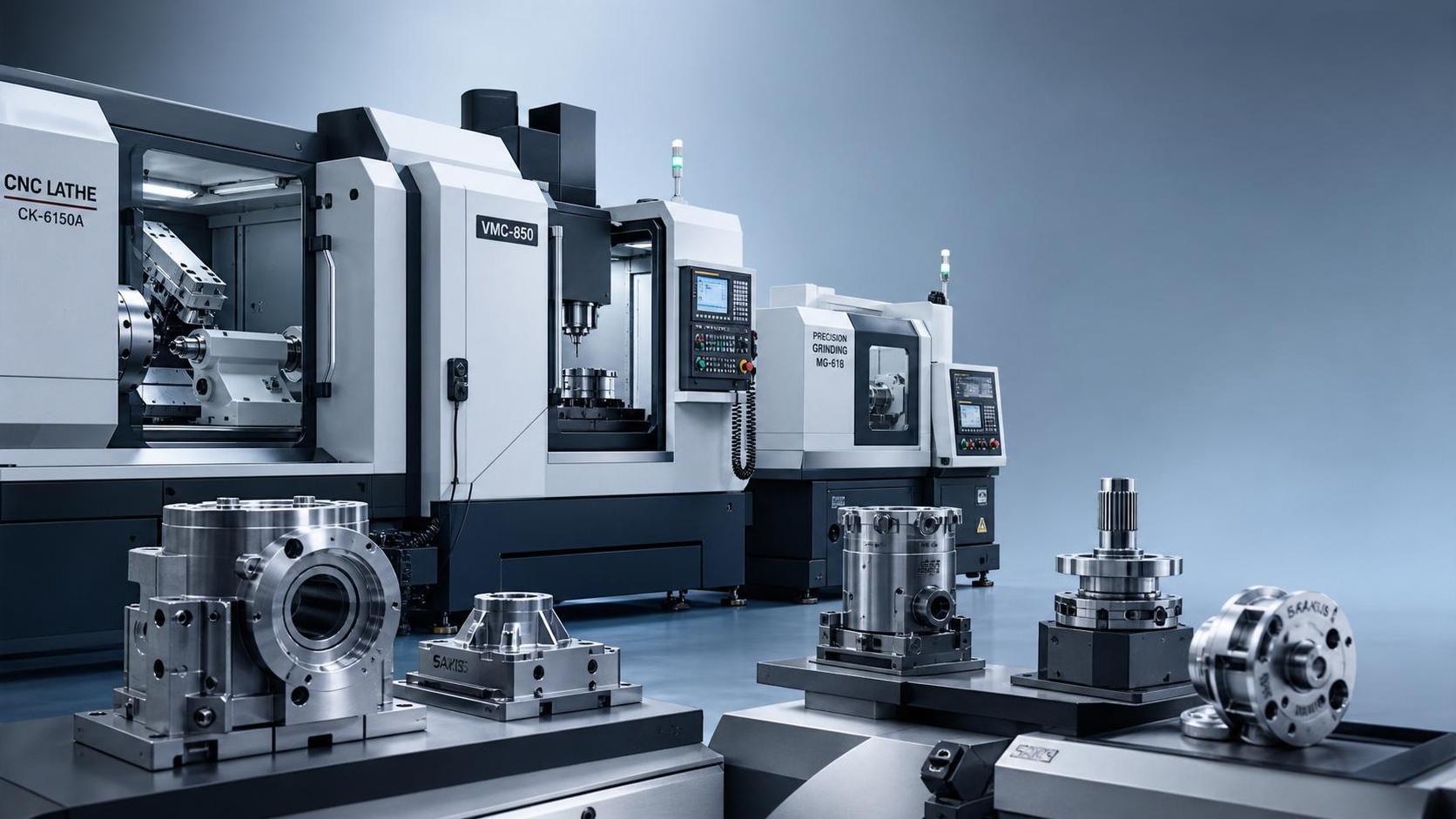
Machine tools sit at the center of industrial production because they turn design intent into repeatable physical parts. From basic brackets to turbine housings, they determine how accurately, quickly, and economically material can be shaped.
That is why the topic matters well beyond heavy industry. In automotive, aerospace, energy equipment, and electronics, the right mix of machine tools affects throughput, tolerances, labor structure, and the ability to scale new products.
For anyone evaluating production technologies, it helps to see machine tools not as isolated machines, but as part of a wider manufacturing system that includes tooling, fixtures, software, automation, and inspection.
What machine tools really do in modern manufacturing
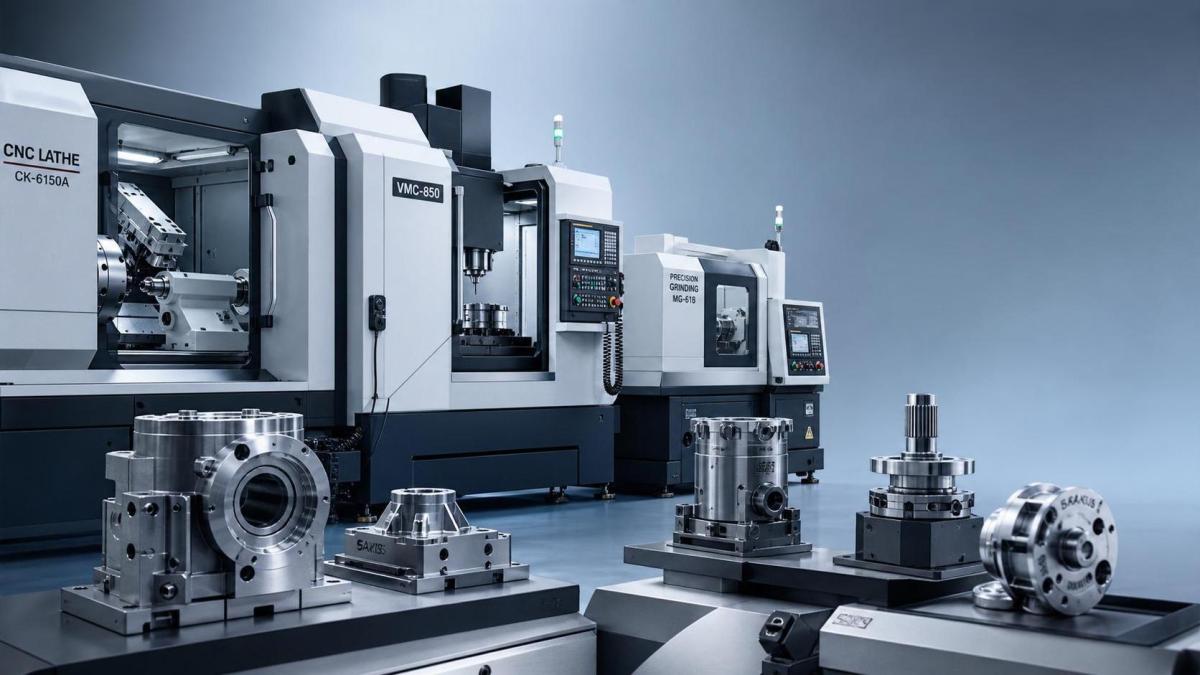
At the simplest level, machine tools remove, form, or finish material to create a controlled geometry. Their value comes from precision, consistency, and the ability to hold that performance across many cycles.
Traditional equipment still matters, but CNC machine tools now define most advanced production environments. Digital control makes it possible to run complex paths, tighter tolerances, and automated sequences with less manual intervention.
This shift also explains why the global sector keeps moving toward higher precision and deeper integration. Smart manufacturing depends on machines that can communicate with software, robots, probing systems, and production planning tools.
The main types of machine tools and where they fit
Different shops use different machine tools because part geometry, volume, and quality targets are never the same. A shop making shafts needs a different setup from one producing thin plates or complex housings.
Lathes and turning centers
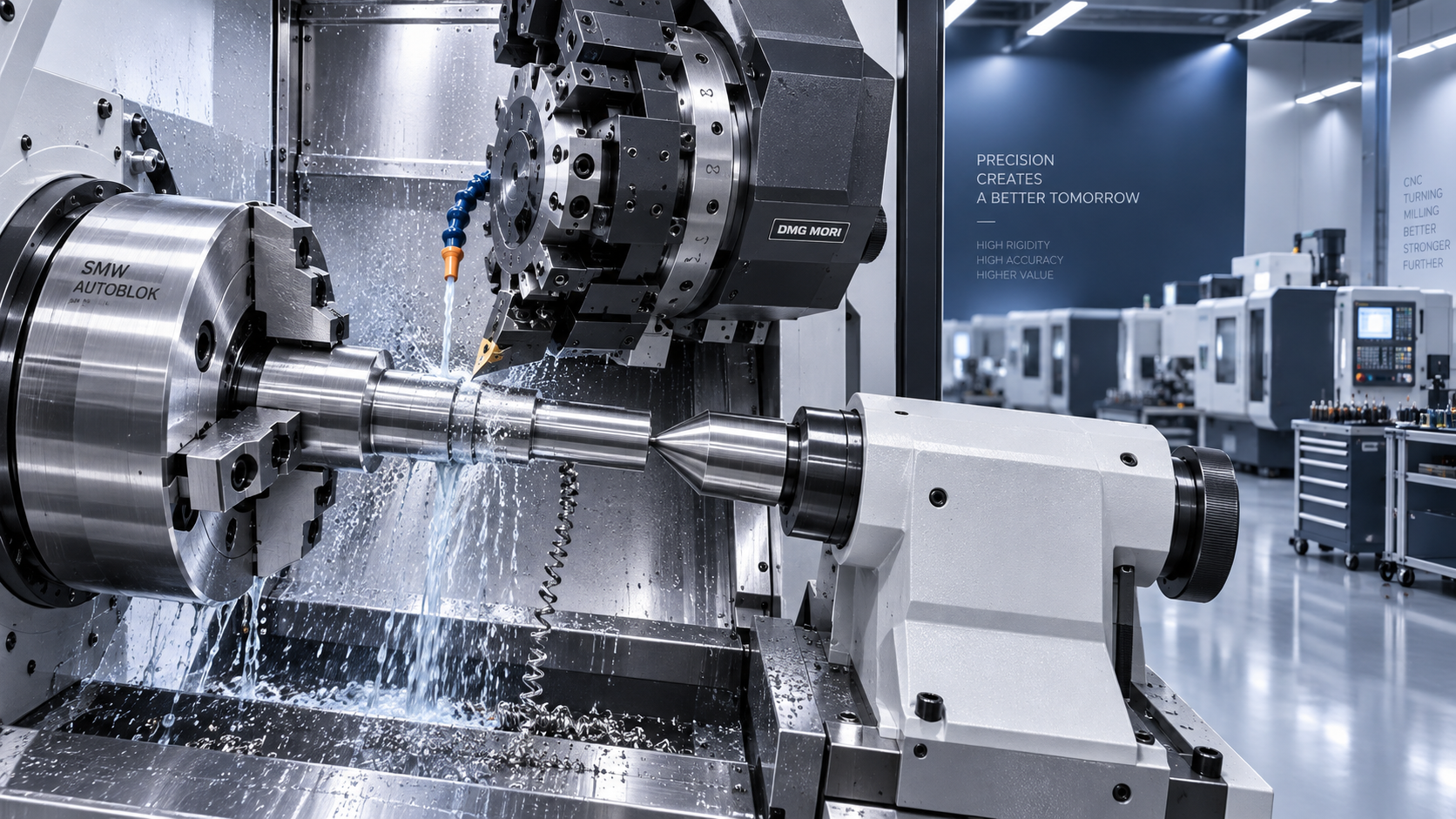
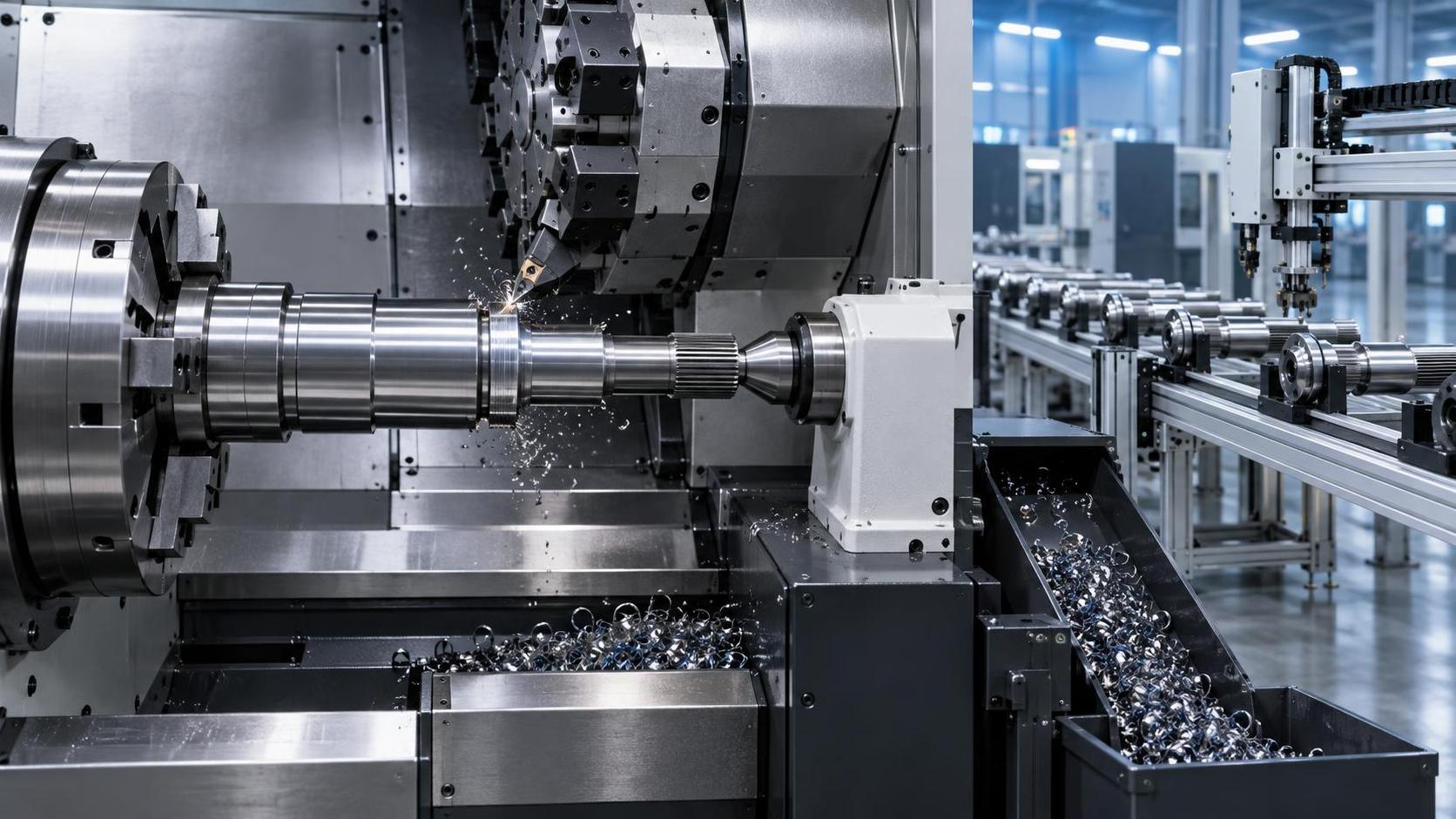
These machine tools rotate the workpiece while the cutting tool shapes the outer or inner surface. They are widely used for shafts, bushings, threaded parts, discs, and many rotational components.
CNC lathes are common in automotive and general engineering because they combine speed with stable repeatability. Multi-axis turning centers add live tooling and reduce secondary operations.
Milling machines and machining centers
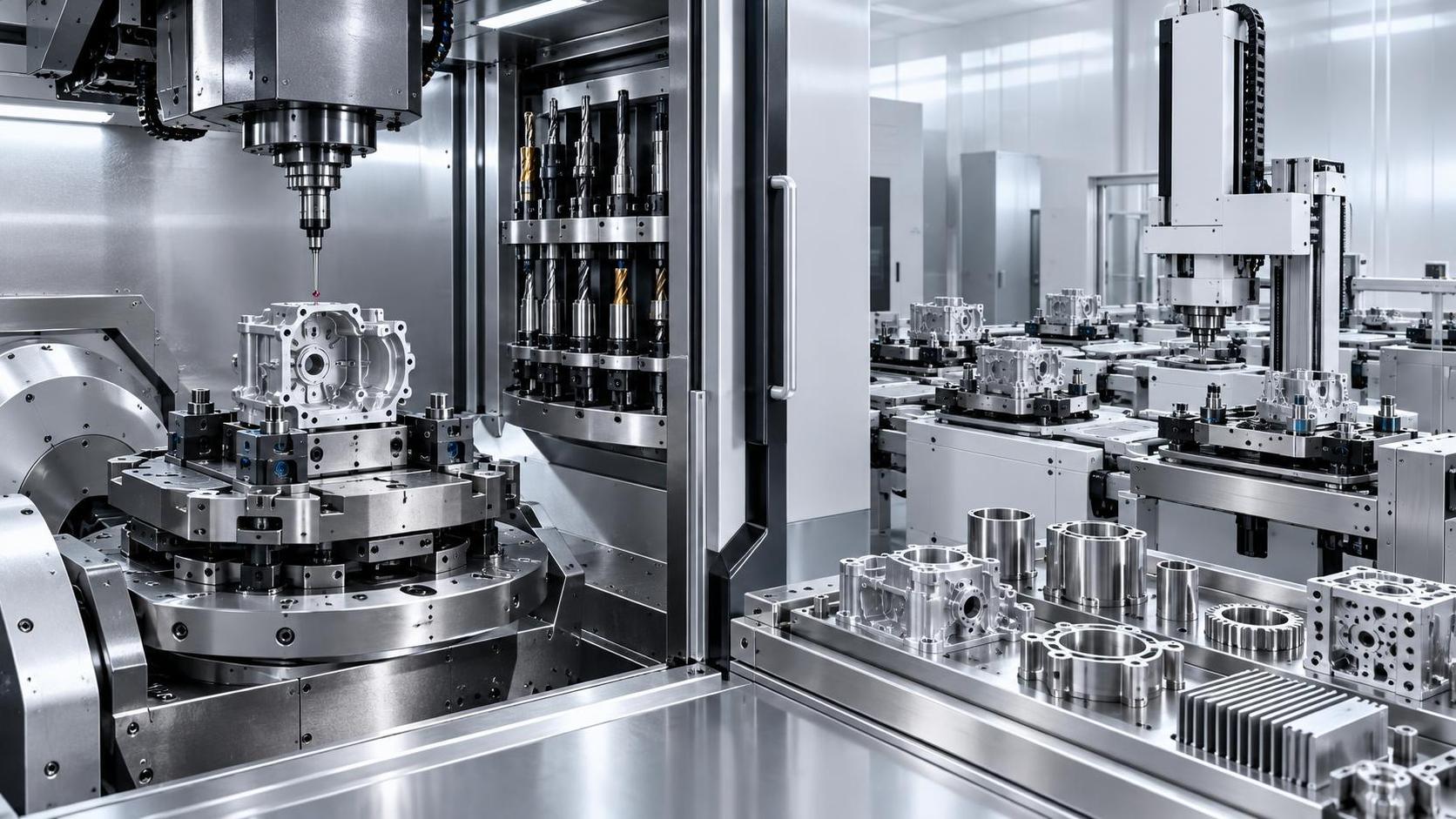
These systems rotate the cutting tool rather than the part. They are suited to flat surfaces, pockets, contours, slots, and complex structural components used in aerospace, electronics, and precision assemblies.
Vertical machining centers are often the starting point for flexible production. Horizontal machines usually gain attention when chip evacuation, pallet changing, and higher output become more important.
Grinding machines
Grinding machine tools remove very small amounts of material to achieve fine surface finish and close dimensional control. They are essential when a part must meet strict roundness, flatness, or finishing standards.
In practice, grinding often appears near the end of the process chain. It is especially relevant for bearings, molds, precision spindles, and hardened components.
Drilling, boring, and tapping systems
These machine tools focus on holemaking and hole finishing. Although the functions sound basic, hole quality often determines assembly performance, sealing reliability, and fit between critical parts.
Many shops now combine these operations inside machining centers, but dedicated machines still make sense for high-volume repetitive production.
EDM, laser, and specialty equipment
Some machine tools do not rely on conventional cutting. Wire EDM, sinker EDM, and laser systems help produce hard materials, sharp internal corners, fine features, and toolroom components that are difficult to machine otherwise.
These systems are often selected for precision work, mold making, and specialized parts rather than broad general-purpose production.
How different shops think about fit
Choosing among machine tools is rarely about the machine alone. The better question is how a machine fits the production logic of a shop, including part mix, batch size, uptime goals, and skill availability.
This is where context matters. A highly automated system may look superior on paper, but it can become inefficient if demand is unstable or if setup complexity outweighs production gains.
Why the industry is paying closer attention now
Machine tools are receiving renewed attention because manufacturing expectations have changed. Accuracy is no longer enough. Shops also need traceability, faster switching between part families, and better use of labor.
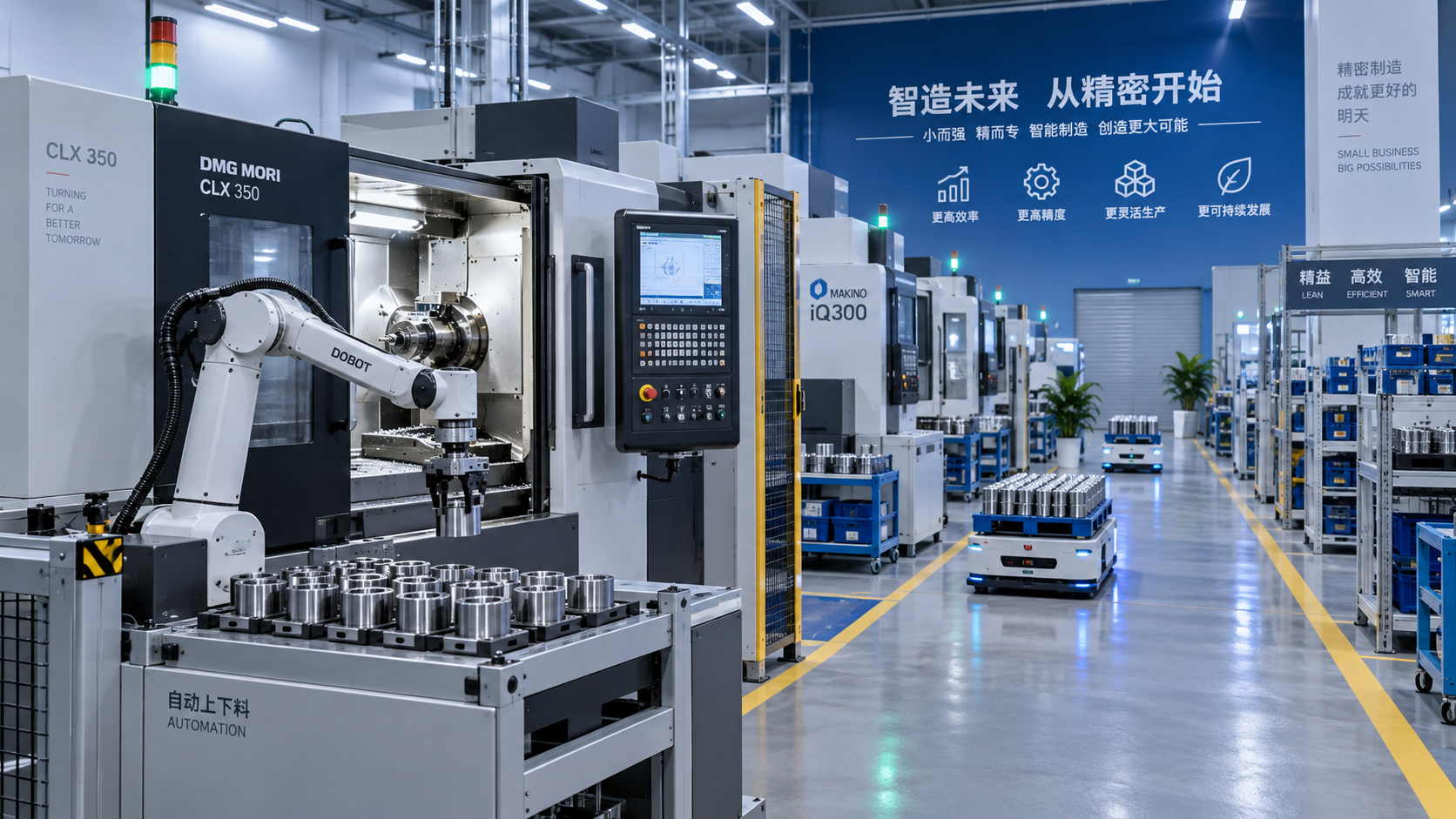
That is driving demand for CNC machine tools linked with automation, digital monitoring, and in-process measurement. Industrial robots, flexible cells, and software-driven scheduling are becoming part of the same investment discussion.
Geography also shapes the market. China, Germany, Japan, and South Korea remain influential because they combine machine building, component supply, and application know-how in strong industrial clusters.
At the same time, global buyers are comparing not only machine performance, but also service response, spare parts access, training support, and upgrade potential.
The supporting systems that matter as much as the machine
A machine tool rarely succeeds on hardware alone. Real output depends on cutting tools, workholding, fixtures, coolant strategy, programming quality, and inspection routines.
For example, an advanced machining center may still underperform if the fixture causes vibration or if the tool path creates unnecessary idle motion. In many shops, process stability improves more through system tuning than through machine replacement.
- Cutting tools influence chip control, tool life, and surface finish.
- Fixtures determine repeatable positioning and setup time.
- Automation affects labor intensity and overnight utilization.
- Measurement systems reduce scrap and support closed-loop correction.
This broader view is especially useful when evaluating machine tools for smart factory projects. Digital integration only works well when the full process chain is considered.
Practical ways to evaluate machine tools
In actual business decisions, comparing spindle speed or axis count is only the starting point. The more useful approach is to test how the machine handles the parts that matter most.
Look at the part family first
Part shape tells you whether turning, milling, grinding, or multi-process capability matters most. Material type, wall thickness, and tolerance stack all affect the right choice.
Measure process risk, not just rated capability
A machine may be technically capable, yet difficult to keep stable in daily production. Thermal drift, chip buildup, fixture access, and operator dependency often decide actual performance.
Check the upgrade path
Machine tools increasingly need to support probing, data collection, robotic loading, and software updates. A flexible upgrade path can be more valuable than a narrow short-term cost advantage.
Review service depth
Lead times for spare parts, application support, and commissioning quality can shape total ownership cost. For many operations, service reliability is part of the machine specification.
Where to focus next
The most useful next step is to build a simple comparison framework. Match part types, target tolerances, batch sizes, automation goals, and support requirements against the main categories of machine tools.
From there, it becomes easier to judge whether a shop needs broad flexibility, specialized precision, or a staged path toward digital production. That kind of structured view turns machine tools from a broad topic into a practical decision base.
As the industry moves toward higher precision and tighter integration, keeping track of technology updates, market shifts, and application trends will make future evaluations much sharper and more realistic.
Recommended for You
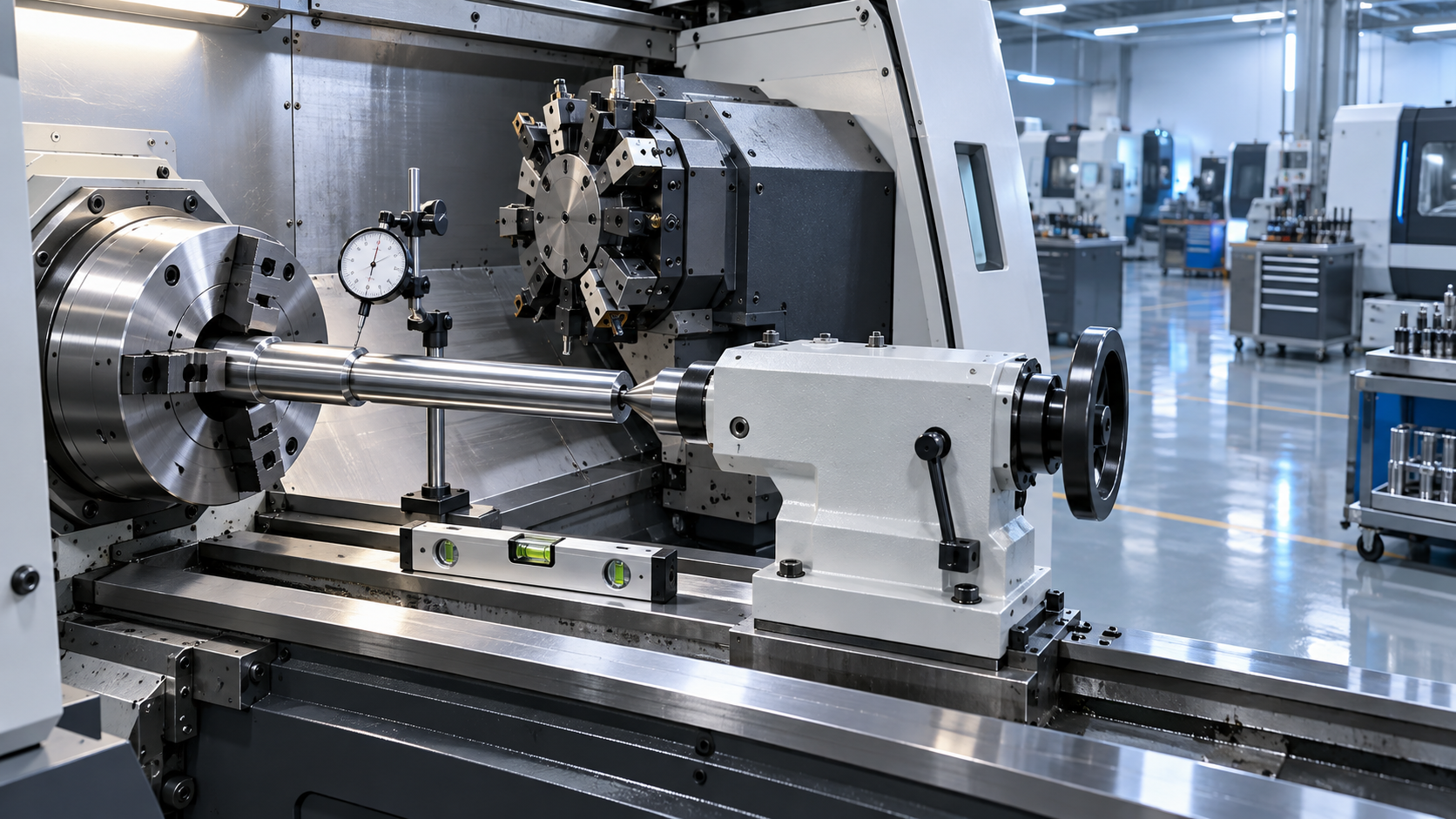
 CNC Lathe Quick Installation Guide: Alignment Checks Before First Production RunCNC Machining Technology Center
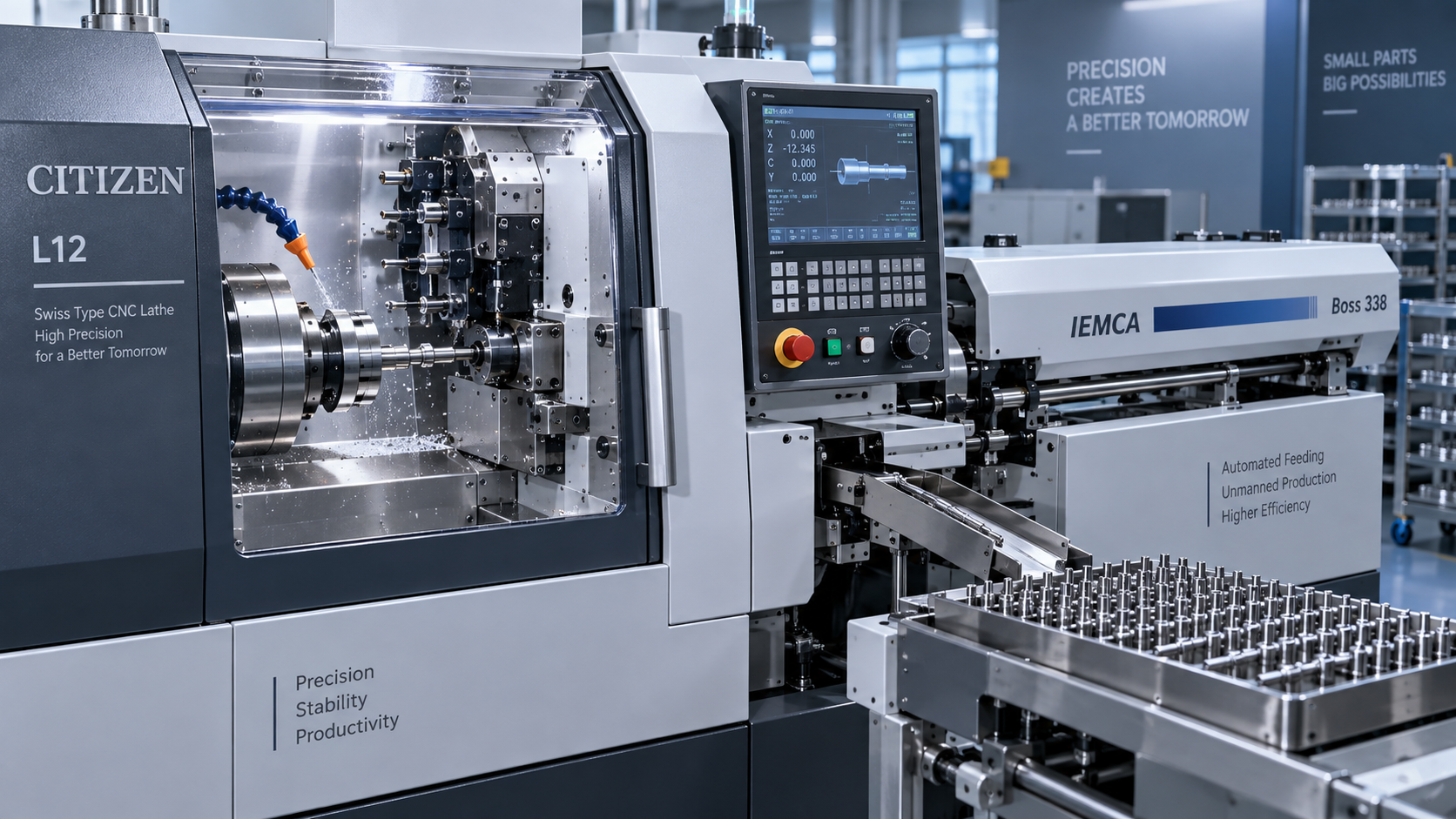
 How to Select a CNC Lathe for Small Parts Without Sacrificing Accuracy or Cycle TimeCNC Machining Technology Center
 How to Select a Slant Bed Lathe for High-Precision Shaft and Chuck WorkCNC Machining Technology Center
 Smart Manufacturing for Small Businesses: Where Automation Delivers the Fastest ROIMachine Tool Industry Editorial Team
 How to Specify a CNC Lathe for High-Volume Automotive Shaft ProductionCNC Machining Technology Center
 How Automated Precision Machining Maintains Tolerance in High-Mix ProductionCNC Machining Technology Center

Aris Katos
Future of Carbide Coatings
15+ years in precision manufacturing systems. Specialized in high-speed milling and aerospace grade alloy processing.
▶
What Should You Check When a CNC Machine Arrives at Your Factory?CNC Machining Technology Center▶
What Safety Checks Are Required for CNC Cutting Operations?CNC Machining Technology Center▶
What Are Machine Tools? Common Types, Functions, and Typical Shop ApplicationsCNC Machining Technology Center▶
CNC Industrial Machines Maintenance Checklist: How to Reduce Downtime and Tool WearCNC Machining Technology Center▶
What Is Industrial Machining? Common Processes, Materials, and Typical UsesCNC Machining Technology Center
Mastering 5-Axis Workholding Strategies
Join our technical panel on Nov 15th to learn about reducing vibrations in thin-wall components.

Providing you with integrated sanding solutions
Before-sales and after-sales services
Comprehensive technical support