• Global CNC market projected to reach $128B by 2028 • New EU trade regulations for precision tooling components • Aerospace deman
NYSE: CNC +1.2%LME: STEEL -0.4%

What Can a Compact Machine Tool Handle? Best Parts, Materials, and Shop Use Cases
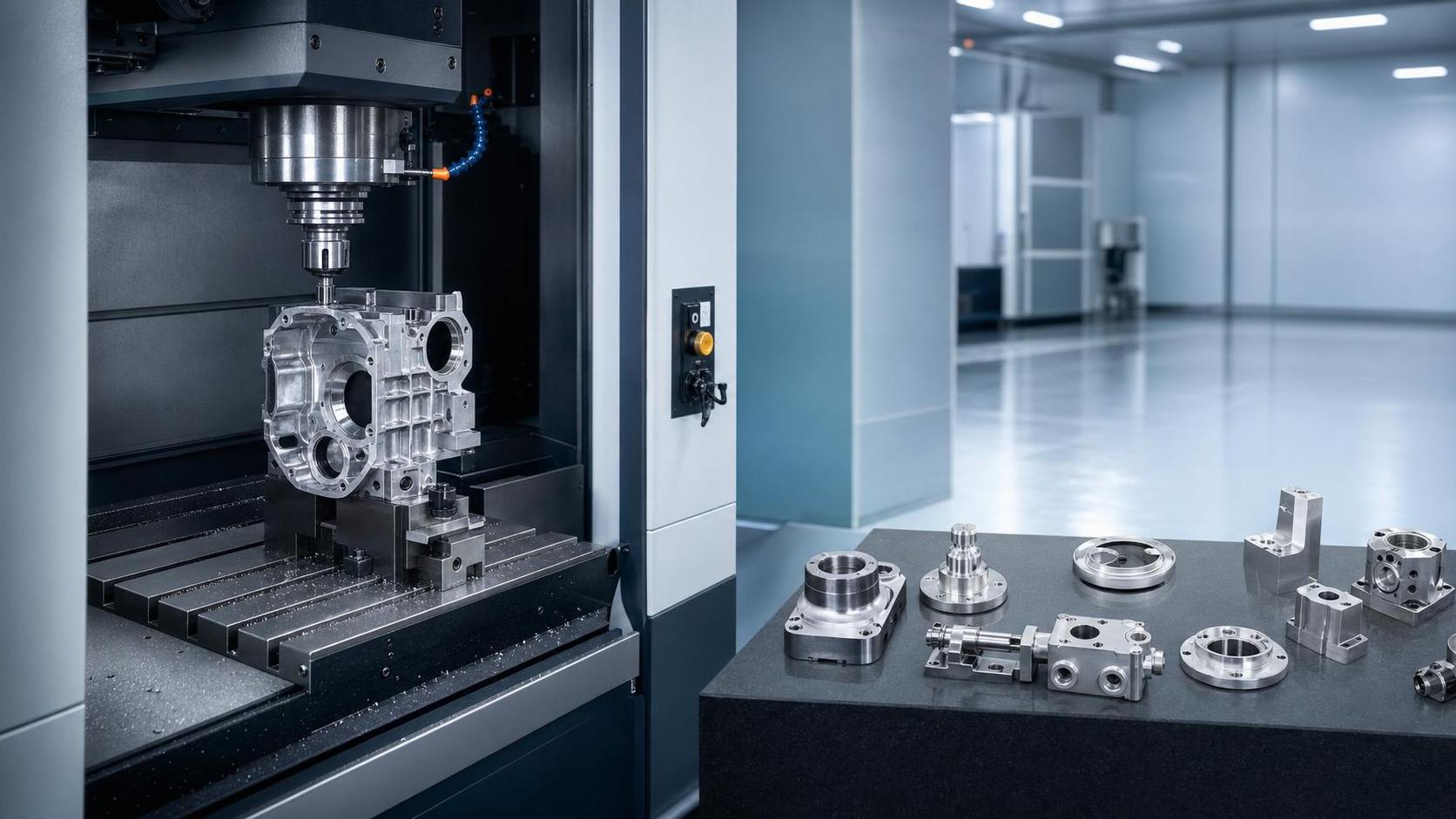
Why does a compact machine tool matter beyond saving space?
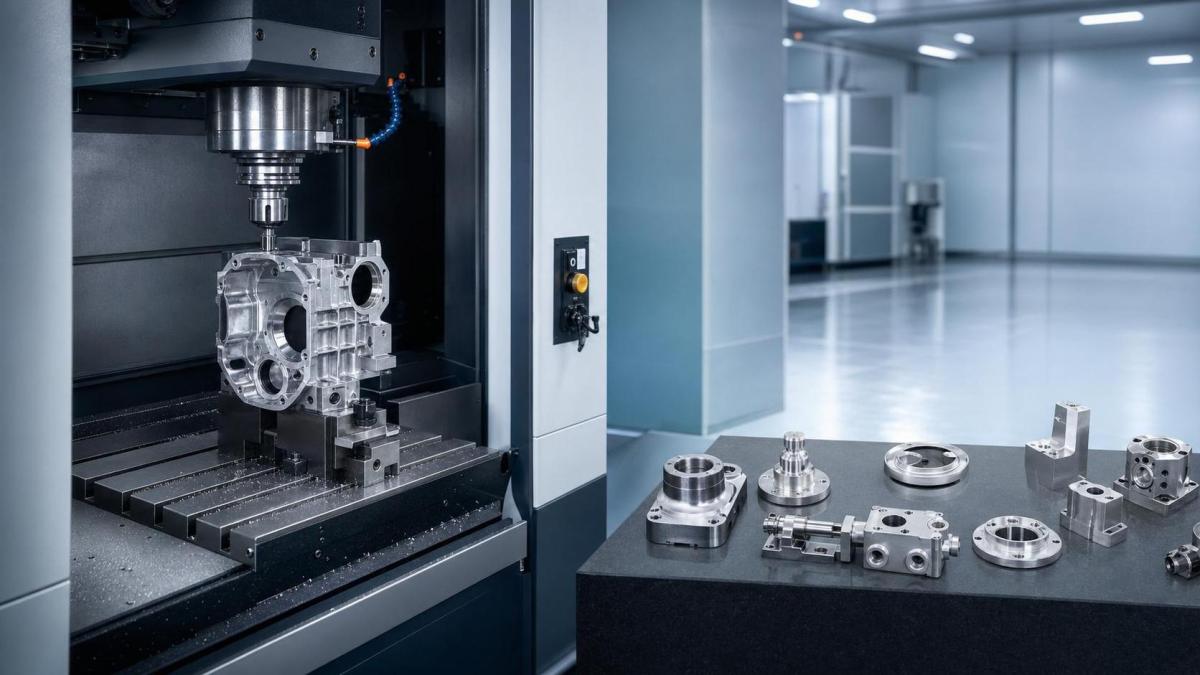
A compact machine tool is often judged by its footprint first. That is understandable, but it misses the bigger point.
In real shop use, compact equipment matters because it can combine precision, flexibility, and manageable operating cost in one smaller platform.
That makes it relevant across modern manufacturing, especially where prototype work, small batches, and precision finishing happen side by side.
The machine tool industry now moves toward automation, digital control, and tighter tolerances. A compact machine tool fits naturally into that direction.
It supports CNC workflows, works with evolving tooling systems, and helps smaller production cells stay responsive without adding unnecessary floor burden.
For many operations, the better question is not whether the machine is small. It is whether its rigidity, spindle capability, and control accuracy match the work.
That is why a compact machine tool is often used for precision parts, trial runs, support processing, and auxiliary production around larger lines.
What kinds of parts can a compact machine tool handle well?
A compact machine tool usually performs best when the part size is moderate, the geometry is controlled, and repeatable accuracy matters more than raw cutting volume.
That covers more applications than many people expect. Small does not mean limited to hobby work or light-duty samples.
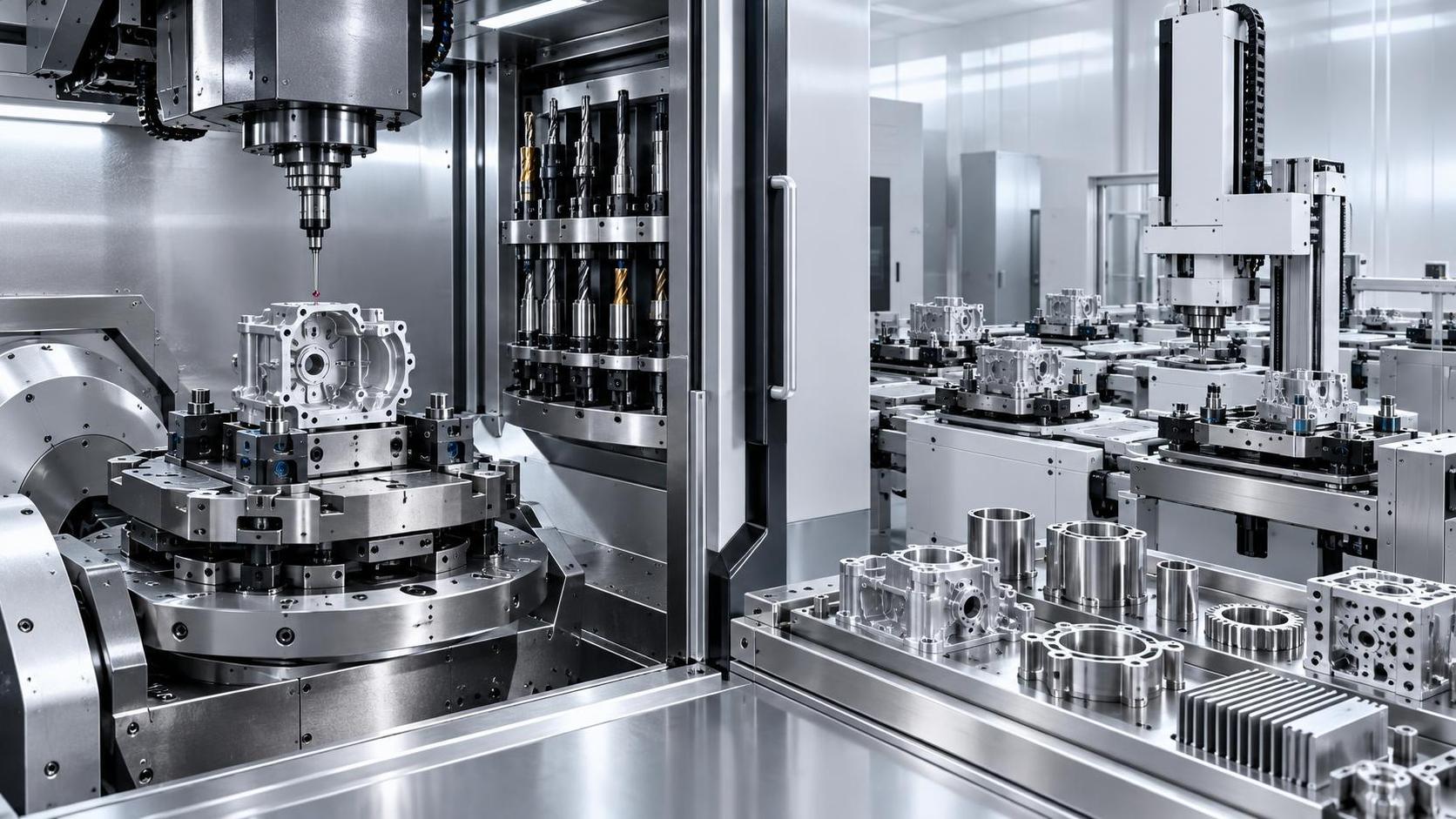
Common examples include precision housings, instrument brackets, connector blocks, valve bodies, flanges, discs, shafts, and custom fixture components.
In electronics and automation, a compact machine tool often handles mounting plates, sensor holders, heat sinks, and small structural frames.
In automotive or energy support work, it may process bushings, sleeves, sealing faces, test parts, and maintenance replacements.
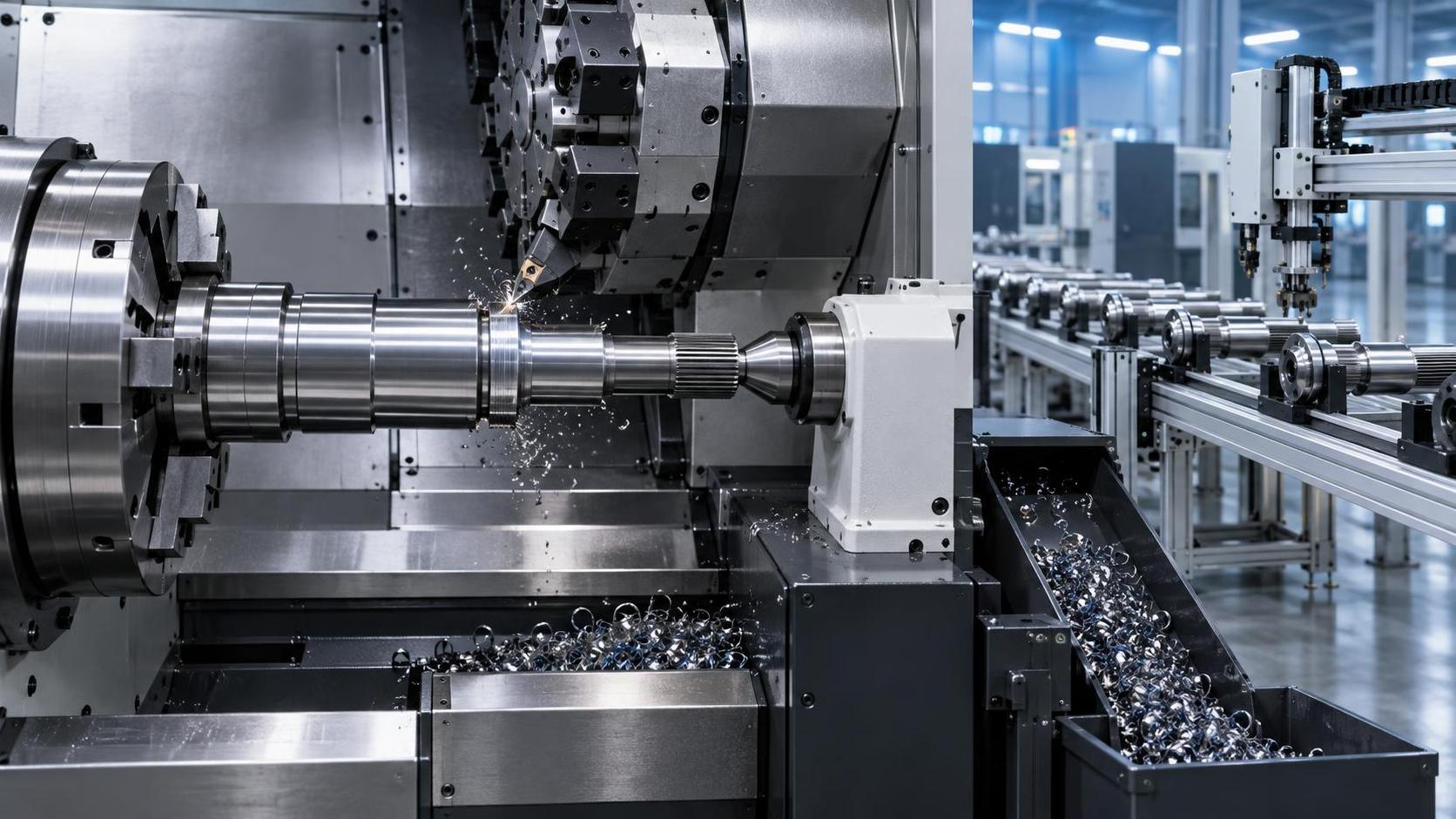
A compact lathe can produce short shafts, threaded parts, and precision round components with good consistency. A compact machining center adds pocketing, drilling, and contouring flexibility.
The strongest use case is usually not giant complexity. It is controlled complexity in smaller parts where setup speed and repeatability have real value.
A quick way to judge part fit
If a part needs high stock removal in heavy steel, a compact machine tool may not be the best primary option.
If the part is small, tolerance-sensitive, and produced in prototype or short-run volumes, the fit is often much better.
Which materials work best, and where do limits appear?
Material choice changes everything. A compact machine tool may look capable on paper, yet actual performance depends heavily on cutting load and thermal behavior.
Aluminum is one of the best matches. It machines efficiently, supports fine surface finish, and allows shorter cycles without pushing the machine too hard.
Engineering plastics are also a strong fit. They are common in fixtures, covers, insulation parts, and custom automation components.
Mild steel and stainless steel are possible, but the result depends more on rigidity, coolant control, tooling quality, and depth-of-cut strategy.
Brass and copper alloys can work well for electrical, fluid, and precision fitting parts, though chip control needs attention.
Harder alloys are not automatically excluded. The real issue is whether the compact machine tool can maintain stability during longer or heavier cuts.
In practice, compact equipment tends to shine in finishing, moderate roughing, and precision detail work rather than aggressive material removal.
A material-based rule of thumb
- Aluminum: excellent for prototypes, enclosures, brackets, and light structural parts.
- Engineering plastics: ideal for non-metal functional parts and custom tooling.
- Carbon steel: workable for smaller parts with sensible feeds and strong fixturing.
- Stainless steel: feasible, but cycle time and chatter control should be checked early.
- High-hardness alloys: better treated as selective applications, not default workloads.
Where does a compact machine tool fit best in an actual shop?
This is where the value becomes clearer. A compact machine tool is rarely only a small substitute for a large machine.
More often, it fills an operational gap. It supports prototype validation, urgent rework, fixture making, spare part response, and flexible low-volume production.
That matters in shops serving automotive, aerospace support, energy equipment, electronics, and industrial automation supply chains.
When larger CNC cells are booked for critical production, a compact machine tool can take over secondary components and reduce scheduling pressure.
It also fits well in training environments, process development cells, and pilot manufacturing where quick learning cycles are more important than maximum throughput.
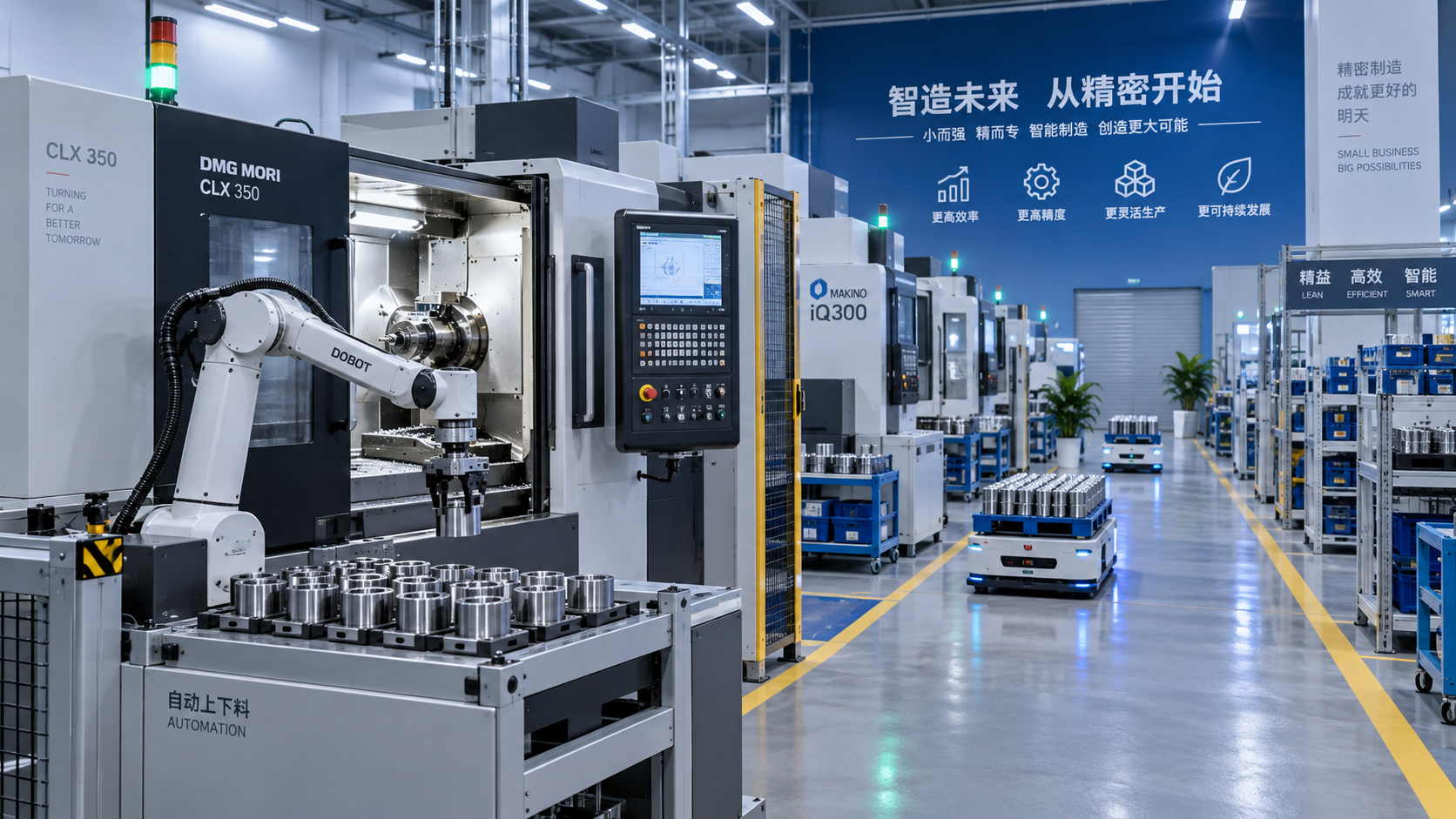
Another advantage is integration. As smart manufacturing expands, compact units can be connected with digital inspection, robotic loading, or modular workholding systems.
For that reason, a compact machine tool can play a strategic role in a flexible production line, not just a space-saving one.
How do you know if a compact machine tool is the right choice?
The answer usually comes from matching the machine to the work mix, not from comparing dimensions alone.
A compact machine tool is a strong choice when repeat jobs stay within travel limits, tolerances are meaningful, and setup flexibility affects delivery time.
It becomes a weaker choice when large parts, very heavy cuts, or extreme spindle torque define daily production.
Before deciding, it helps to review several practical checkpoints rather than one headline specification.
A careful review of those points gives a more reliable answer than marketing claims or machine size alone.
What are the most common mistakes when evaluating a compact machine tool?
One common mistake is assuming all compact machines are light-duty. Some are highly capable, especially for small precision parts.
The opposite mistake also appears often. People expect a compact machine tool to replace a full-size heavy-cutting platform in every job.
Another issue is ignoring workholding. Small machines still depend on proper fixturing, tool access, chip evacuation, and thermal control.
Cycle time estimates can also mislead decisions. Shorter footprint does not automatically mean faster output if the process requires frequent repositioning.
It is also worth checking the broader ecosystem. Tooling availability, maintenance support, control familiarity, and software compatibility affect real productivity.
In a global machine tool market shaped by technology upgrades and international sourcing, those support factors matter almost as much as the machine itself.
Practical reminders before moving forward
- Use real sample parts when comparing options.
- Separate roughing needs from finishing needs.
- Check whether fixtures limit access more than machine travel does.
- Review coolant, chip management, and inspection workflow early.
- Consider future automation if the compact machine tool may enter a production cell later.
So, what should you look at next?
A compact machine tool can handle far more than simple bench work. It is often a practical solution for precision components, prototypes, support parts, and flexible low-volume jobs.
Its best results usually come with aluminum, plastics, brass, and moderate steel applications, especially where accuracy and setup agility matter.
The right evaluation starts with part size, material behavior, tolerance demands, and expected production rhythm. That gives a clearer picture than footprint alone.
If the next step is decision-making, gather three or four representative parts, compare machining loads, and map them against actual machine travel and rigidity.
It also helps to review tooling, fixture strategy, and possible digital integration at the same time. That is usually where long-term value becomes easier to judge.
When assessed that way, a compact machine tool is not just a smaller machine. It becomes a specific production tool with clear strengths, limits, and shop value.
Recommended for You
 How to Select a CNC Lathe for Small Parts Without Sacrificing Accuracy or Cycle TimeCNC Machining Technology Center
 How to Select a Slant Bed Lathe for High-Precision Shaft and Chuck WorkCNC Machining Technology Center
 Smart Manufacturing for Small Businesses: Where Automation Delivers the Fastest ROIMachine Tool Industry Editorial Team
 How to Specify a CNC Lathe for High-Volume Automotive Shaft ProductionCNC Machining Technology Center
 How Automated Precision Machining Maintains Tolerance in High-Mix ProductionCNC Machining Technology Center
 How to Evaluate a Machine Tool Factory Before Sourcing CNC EquipmentGlobal Machine Tool Trade Research Center


Aris Katos
Future of Carbide Coatings
15+ years in precision manufacturing systems. Specialized in high-speed milling and aerospace grade alloy processing.
▶
What Should You Check When a CNC Machine Arrives at Your Factory?CNC Machining Technology Center▶
What Safety Checks Are Required for CNC Cutting Operations?CNC Machining Technology Center▶
What Are Machine Tools? Common Types, Functions, and Typical Shop ApplicationsCNC Machining Technology Center▶
CNC Industrial Machines Maintenance Checklist: How to Reduce Downtime and Tool WearCNC Machining Technology Center▶
What Is Industrial Machining? Common Processes, Materials, and Typical UsesCNC Machining Technology Center
Mastering 5-Axis Workholding Strategies
Join our technical panel on Nov 15th to learn about reducing vibrations in thin-wall components.

Providing you with integrated sanding solutions
Before-sales and after-sales services
Comprehensive technical support