• Global CNC market projected to reach $128B by 2028 • New EU trade regulations for precision tooling components • Aerospace deman
NYSE: CNC +1.2%LME: STEEL -0.4%

What Are CNC Industrial Machines Used For? Types, Capabilities, and Common Shop Applications
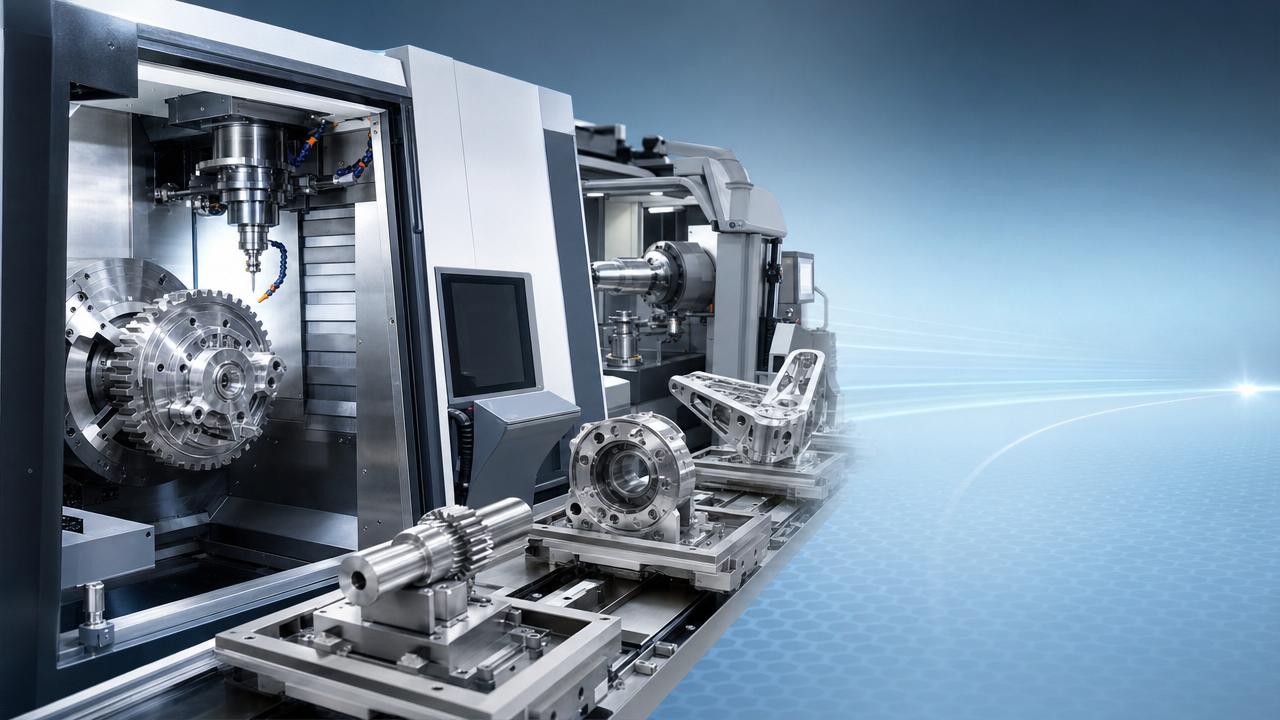
CNC industrial machines sit at the center of modern production because they turn digital part data into physical components with speed, repeatability, and tight tolerances. They are used across automotive, aerospace, electronics, medical devices, energy equipment, and general industrial manufacturing, where even small errors can affect fit, safety, or downstream assembly. For anyone evaluating machining technology, the real question is not only what these machines are, but where they create measurable value in actual shop conditions.
Why CNC industrial machines matter now
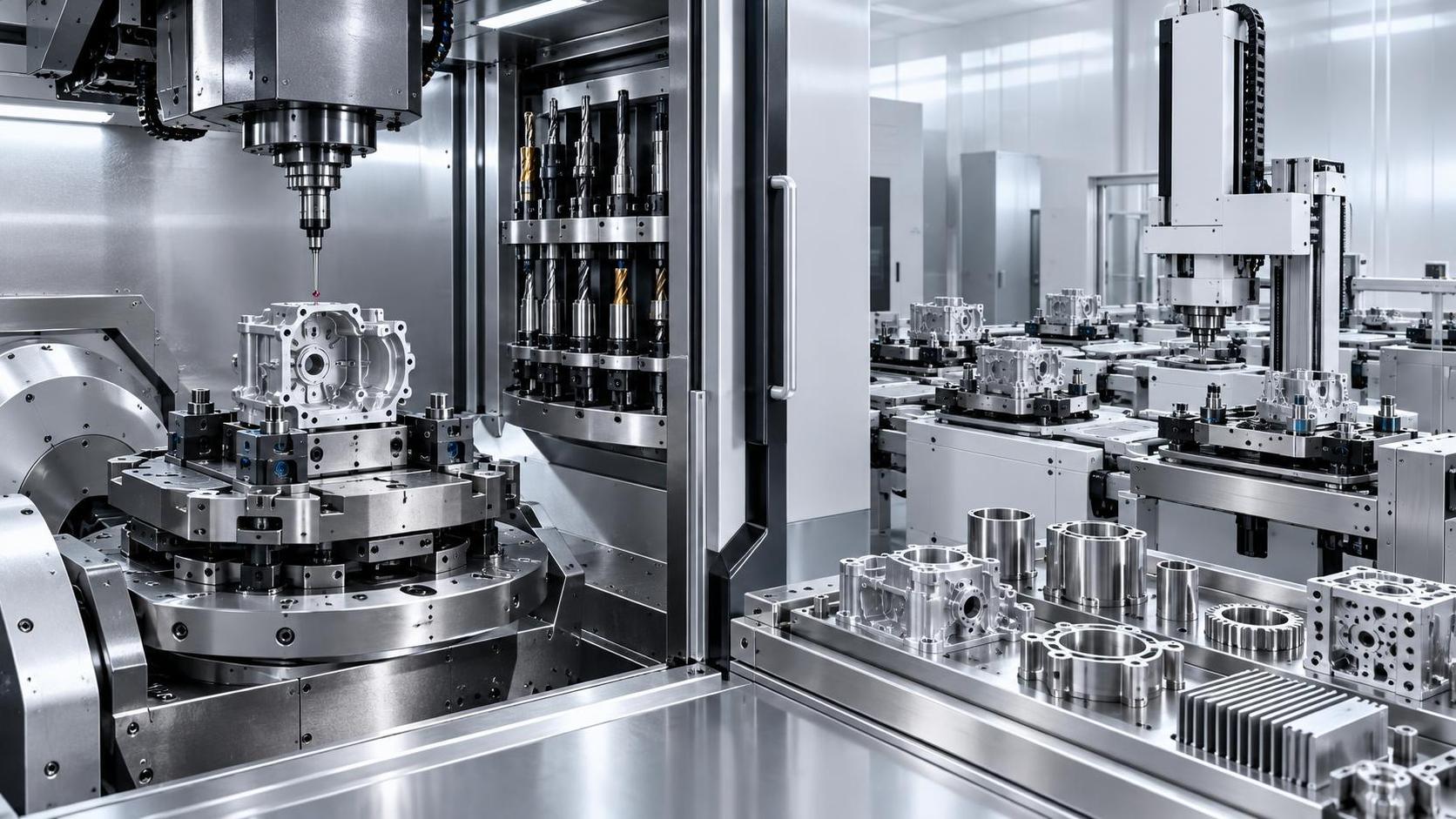
Manufacturing is under pressure to produce more complex parts, shorter runs, and faster delivery cycles. At the same time, quality expectations keep rising.
That is why CNC industrial machines have become essential rather than optional in many factories. They support consistent machining, automated workflows, and better process control.
Another reason they matter is the wider shift toward smart manufacturing. Machine tools are no longer isolated assets. They increasingly connect with software, robotics, inspection systems, and production planning platforms.
This is visible in major industrial regions such as China, Germany, Japan, and South Korea, where machine tool clusters continue to expand through technology upgrades and international trade.
What CNC industrial machines actually do
At a basic level, CNC industrial machines use programmed instructions to control cutting paths, feed rates, spindle speed, and tool movement. The result is a highly repeatable machining process.
They are commonly used for:
- Milling flat surfaces, pockets, contours, and complex geometries
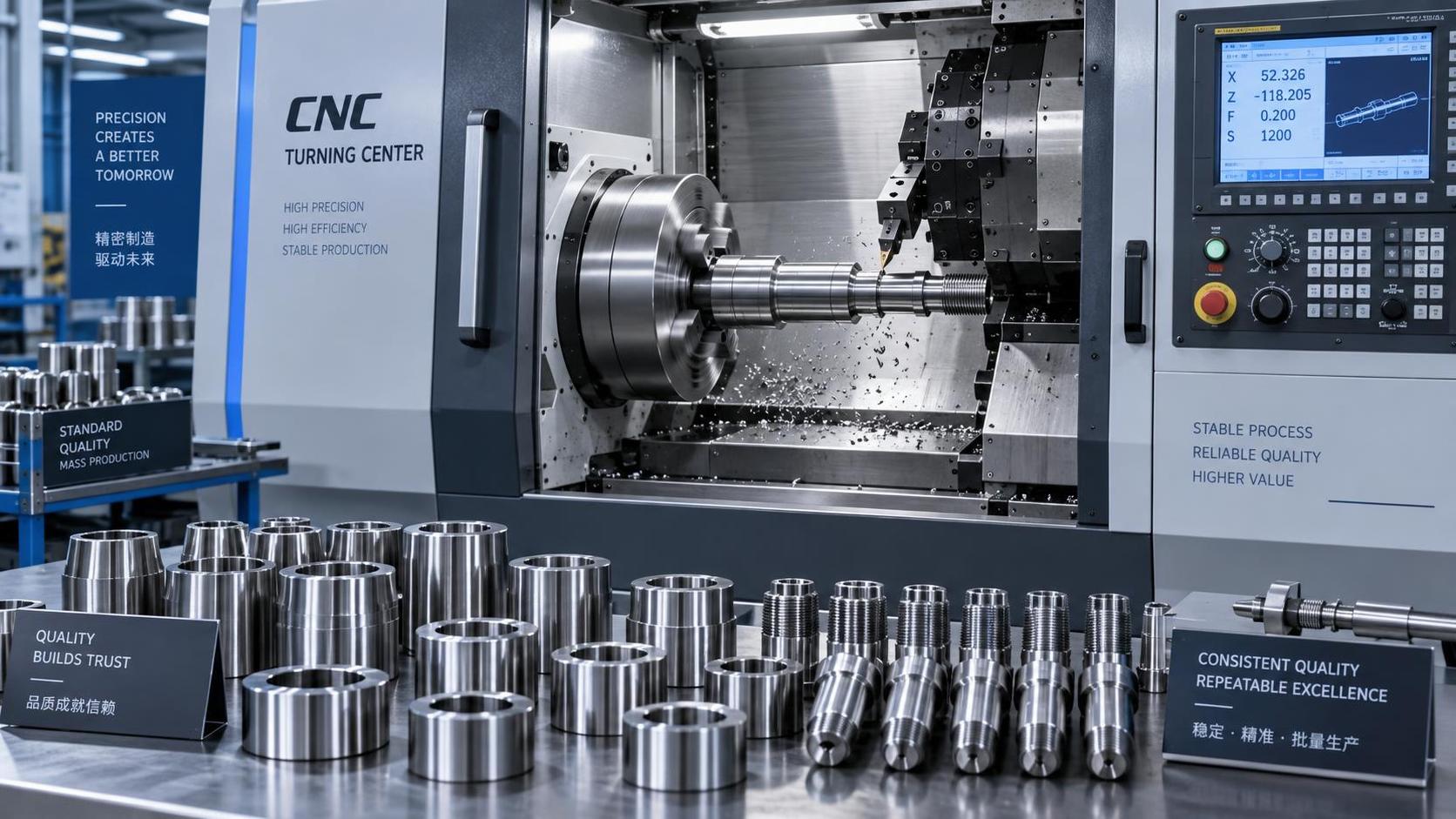
- Turning shafts, sleeves, threads, and rotational parts
- Drilling, boring, tapping, and reaming precision holes
- Cutting hard metals, alloys, plastics, and composite materials
- Producing parts in prototypes, short runs, and volume batches
In practical terms, CNC industrial machines are used wherever geometry must match design intent with minimal variation from part to part.
Main types used in production shops
Not every machine solves the same problem. Understanding the main categories helps explain how shops build capability around different part families.
CNC lathes and turning centers
These machines rotate the workpiece while tools remove material. They are widely used for shafts, bushings, couplings, valve bodies, and threaded components.
They are especially effective when the part is cylindrical or largely rotational.
Vertical and horizontal machining centers
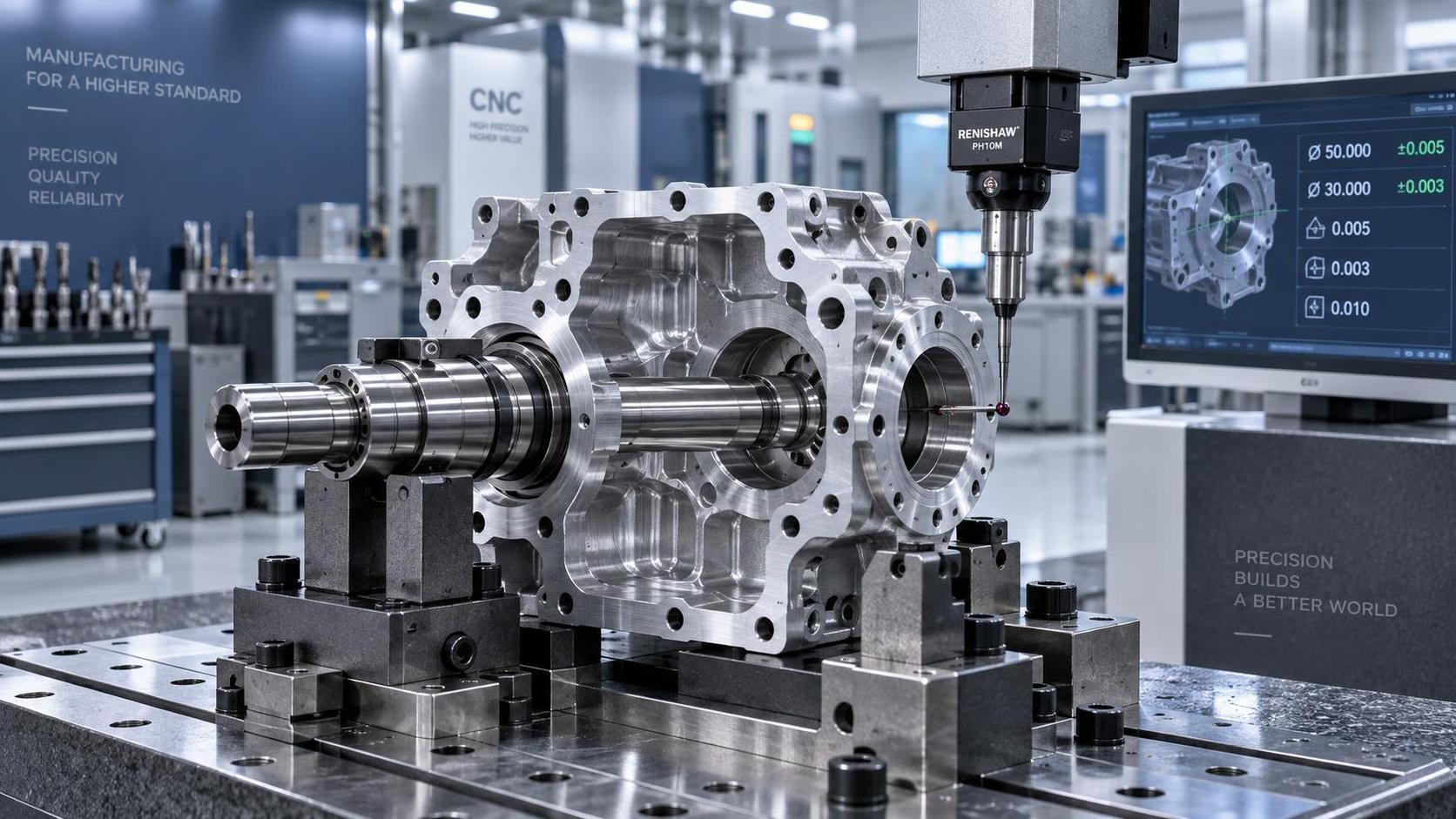
Machining centers handle milling, drilling, and tapping in one setup. They are common in precision part production for brackets, housings, plates, molds, and structural components.
Tool changers and programmable axes make them suitable for mixed production demands.
Multi-axis CNC systems
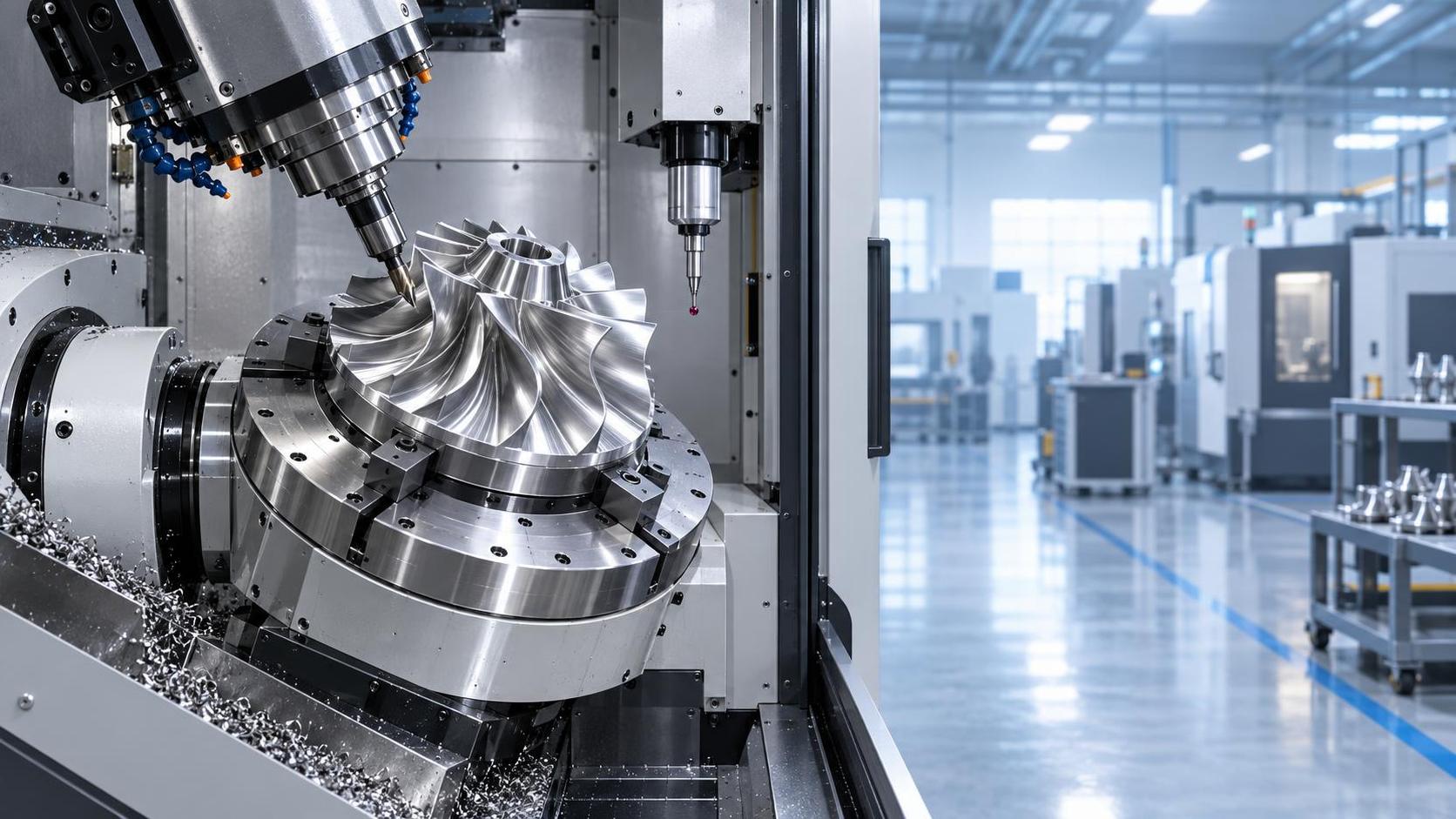
Five-axis and other multi-axis machines are used for complex surfaces and difficult angles. Aerospace parts, turbine components, medical implants, and precision molds often require this capability.
The main benefit is fewer setups, which improves accuracy and reduces handling time.
Grinding, EDM, and specialty systems
Some parts need surface finish, hardness control, or feature detail beyond standard cutting. Grinding and EDM support those needs in high-precision sectors.
Where CNC industrial machines are used most often
Application value becomes clearer when linked to actual production environments. Different industries use CNC industrial machines for different risk and performance reasons.
From an operations perspective, CNC industrial machines are often selected not just for cutting ability, but for the stability they bring to the full production chain.
Capabilities that shape real performance
Machine specifications matter, but shop results depend on a broader combination of machine structure, tooling, programming, fixturing, and process discipline.
The most useful capabilities usually include:
- Tolerance control for mating parts and critical dimensions
- Surface finish quality for sealing, motion, or visible features
- Multi-operation integration to reduce setups
- Material versatility across steel, aluminum, titanium, and engineering plastics
- Automation readiness through pallets, robots, probes, or monitoring systems
In many shops, the real advantage comes from combining these capabilities with digital scheduling, tool management, and in-process inspection.
Common shop applications beyond simple part cutting
CNC industrial machines are often associated with metal removal, but their role inside a shop is broader than that.
Prototype development
They help verify geometry, fit, and manufacturability before a design moves into larger production.
Fixture and tooling production
Many facilities use CNC industrial machines to build the jigs, nests, clamps, and gauges needed for other processes.
Repair and replacement parts
When older equipment lacks available spares, CNC machining provides a practical route to reverse-engineered or low-volume replacement components.
Flexible batch production
Shorter product cycles have increased the need for machines that can switch between jobs without excessive downtime.
What to evaluate before comparing machine options
It is easy to focus on spindle speed or axis count, but better decisions usually start with the part and process rather than the brochure.
A useful review should include:
- Part size, geometry, material, and annual volume
- Tolerance and finish requirements tied to function
- Setup time, tool life, and changeover frequency
- Availability of fixtures, probes, and automation interfaces
- Maintenance support, training, and digital connectivity
This is also where market context matters. Suppliers increasingly compete on integration, software compatibility, and service response, not only on machine hardware.
How the industry is changing
The direction of the machine tool sector is moving toward higher precision, more automation, and stronger data visibility. That shift is changing how CNC industrial machines are selected and deployed.
Flexible production lines, industrial robots, and smart factory systems now influence machining decisions earlier in the planning stage. A machine that performs well alone may not fit a digitally connected plant.
For that reason, evaluating CNC industrial machines now often includes software integration, traceability, energy use, and long-term upgrade potential.
A practical way to move forward
The best way to understand CNC industrial machines is to match machine type with part requirements, production rhythm, and future automation plans. That approach reveals whether the priority is precision, throughput, flexibility, or process consolidation.
For deeper evaluation, it helps to compare common shop applications, study part examples, and review how machine builders address tooling, fixturing, and digital integration. Those details usually tell more than headline specifications.
A clear shortlist starts with the workpiece, the workflow, and the quality target. Once those are defined, CNC industrial machines become much easier to assess in practical terms.
Recommended for You
 How Automated Precision Machining Maintains Tolerance in High-Mix ProductionCNC Machining Technology Center
 How to Evaluate a Machine Tool Factory Before Sourcing CNC EquipmentGlobal Machine Tool Trade Research Center
 CNC Programming Explained: From CAD Models to Reliable Shop-Floor ToolpathsCNC Machining Technology Center
 How Multi-Axis Machining Produces Complex Components With Fewer SetupsCNC Machining Technology Center
 How Does Precision Machining Differ From Standard Machining?CNC Machining Technology Center
 What Production Volume Justifies a CNC Turning Investment?Manufacturing Market Research Center



Aris Katos
Future of Carbide Coatings
15+ years in precision manufacturing systems. Specialized in high-speed milling and aerospace grade alloy processing.
▶
What Safety Checks Are Required for CNC Cutting Operations?CNC Machining Technology Center▶
What Are Machine Tools? Common Types, Functions, and Typical Shop ApplicationsCNC Machining Technology Center▶
CNC Industrial Machines Maintenance Checklist: How to Reduce Downtime and Tool WearCNC Machining Technology Center▶
What Is Industrial Machining? Common Processes, Materials, and Typical UsesCNC Machining Technology Center▶
Common Burr, Surface, and Accuracy Issues in CNC Manufacturing for ElectronicsCNC Machining Technology Center
Mastering 5-Axis Workholding Strategies
Join our technical panel on Nov 15th to learn about reducing vibrations in thin-wall components.

Providing you with integrated sanding solutions
Before-sales and after-sales services
Comprehensive technical support