• Global CNC market projected to reach $128B by 2028 • New EU trade regulations for precision tooling components • Aerospace deman
NYSE: CNC +1.2%LME: STEEL -0.4%

Precision Machining OEM Services: How to Compare Tolerances, Lead Times, and QC
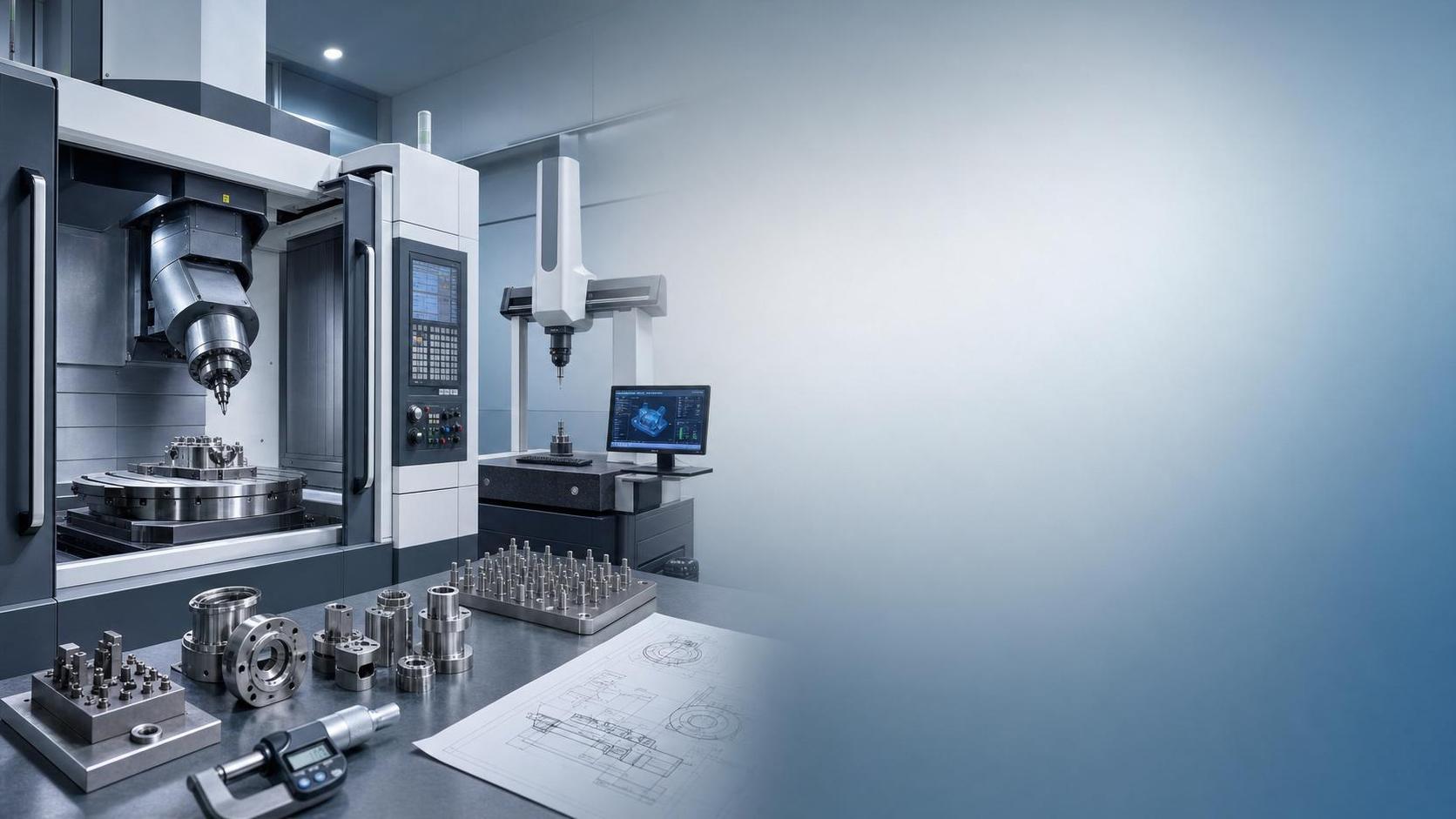
Precision Machining OEM Services: How to Compare Tolerances, Lead Times, and QC
Choosing the right Precision Machining OEM Services partner can directly affect cost, delivery reliability, and final part quality.
Price matters, but it rarely tells the whole story.
A lower quote can become expensive when scrap rises, delivery slips, or inspection records are incomplete.
That is why supplier comparison should focus on measurable performance, not just negotiation leverage.
In practical sourcing work, three factors usually separate strong suppliers from risky ones.
Those factors are tolerance capability, realistic lead time control, and consistent quality control.
This guide explains how to compare Precision Machining OEM Services in a way that supports stable decisions.
It also helps reduce supply risk for CNC machined parts, custom metal components, and precision assemblies.
Why Tolerance Capability Matters More Than a Quoted Number
Many suppliers claim tight tolerance capability, but the real question is repeatability across production batches.
A sample part can look perfect.
Mass production often reveals the actual process stability behind Precision Machining OEM Services.
When comparing suppliers, start by checking whether tolerance claims match the part geometry and material.
A flat aluminum plate and a hardened steel shaft do not present the same machining challenge.
The same is true for thin-wall parts, deep cavities, and multi-axis surfaces.
Ask for evidence linked to similar applications, not generic capability sheets.
- Critical dimensions achieved on comparable parts
- Material types previously machined
- Cpk or process capability data when available
- Inspection method for each key feature
- Control plan for high-risk dimensions
This part of the review often exposes gaps quickly.
Some Precision Machining OEM Services providers can hold tight tolerances only with heavy manual adjustment.
That approach may work for prototypes, but it struggles under larger volumes.
A stronger supplier explains how machines, tools, fixtures, and inspection systems support the tolerance target.
That also means they should flag drawings that look over-toleranced.
Suppliers who challenge unnecessary tolerance requirements often help lower cost without weakening function.
Questions That Clarify Tolerance Risk
- Which dimensions are controlled in-process, and which are checked only at final inspection?
- What measuring equipment is used for roundness, flatness, and true position?
- How often are offsets adjusted during production?
- What happens when tool wear starts affecting critical features?
- Can the supplier share a sample inspection report from a similar program?
These questions move the discussion from sales language to manufacturing reality.
How to Evaluate Lead Times Without Being Misled
Lead time is often quoted as a simple number, but in Precision Machining OEM Services it is a chain of steps.
Engineering review, raw material sourcing, programming, tooling, machining, inspection, and shipping all affect delivery.
When one step is weak, the entire schedule becomes fragile.
A fast quote is not the same as a reliable lead time.
More useful comparisons come from asking how the timeline is built.
For example, does the supplier reserve machine capacity after order confirmation?
Do they depend on outside heat treatment or surface finishing partners?
Can they run urgent orders without damaging existing commitments?
From recent market shifts, capacity planning has become a clearer signal than quoted speed alone.
Suppliers serving aerospace, automotive, and energy projects often face fluctuating load patterns.
That means delivery promises should be checked against actual scheduling discipline.
What to Compare in Lead Time Reviews
Reliable Precision Machining OEM Services suppliers usually separate prototype timing from production timing.
That distinction matters because many delays begin after approval, not before it.
It is also worth tracking on-time delivery history over several orders.
One successful rush job does not prove repeatable schedule control.
QC Systems That Actually Protect Part Quality
Quality control is where strong Precision Machining OEM Services become visible.
A supplier may own modern CNC equipment and still run a weak quality system.
The difference lies in how issues are prevented, detected, documented, and corrected.
Start with basic quality infrastructure.
- Calibration records for measuring tools
- Incoming material traceability
- First article inspection procedures
- In-process checks at critical stages
- Nonconformance handling and corrective action
These items sound routine, but they prevent expensive surprises.
In real purchasing decisions, documentation quality often predicts production quality.
If records are vague, delayed, or inconsistent, process discipline is usually weak as well.
Another clear signal is whether the supplier understands critical-to-quality features from the drawing.
Good Precision Machining OEM Services teams do not inspect everything with the same intensity.
They focus resources on dimensions, finishes, and functional surfaces that carry actual performance risk.
Signs of a Mature QC Approach
- Inspection plans are tied to drawing revision control.
- Measurement reports are readable and complete.
- Quality issues trigger root-cause action, not quick sorting only.
- The supplier can explain past failures and what changed afterward.
- Process audits are possible before major production release.
This also means certifications should be checked with context.
ISO compliance can support confidence, but it should not replace technical review.
The best Precision Machining OEM Services partners combine paperwork discipline with process understanding on the shop floor.
A Practical Comparison Framework for Supplier Selection
To make sourcing decisions easier, use a structured comparison instead of relying on impressions.
This keeps Precision Machining OEM Services evaluation consistent across multiple suppliers.
A simple weighted scorecard often works well.
- Tolerance capability and similar project evidence
- Lead time realism and delivery history
- QC system depth and reporting quality
- Engineering responsiveness during review
- Commercial terms, MOQs, and change flexibility
- Total landed cost, not unit price alone
This framework helps surface tradeoffs early.
For example, one supplier may offer lower pricing but weaker traceability.
Another may quote longer lead times but provide stronger process control and fewer downstream issues.
In many cases, the second option creates better total value.
A sensible next step is to request a pilot order.
Pilot orders reveal communication speed, document accuracy, packaging quality, and response to deviations.
That is often more useful than a polished supplier presentation.
When evaluating Precision Machining OEM Services, the strongest decision usually comes from verified execution.
Compare tolerances with evidence, lead times with process detail, and QC with real documentation.
That approach makes supplier selection clearer, negotiation smarter, and production outcomes far more predictable.
Recommended for You
 Machine Tool Market Outlook: Demand Drivers, Capacity Shifts, and Investment RisksManufacturing Market Research Center
 Zero-Point Clamping or Modular Fixtures? Choosing a Faster CNC Changeover SystemCNC Machining Technology Center
 How to Cut CNC Fixture Changeover Time Without Sacrificing Part AccuracyCNC Machining Technology Center
 When Does CNC Turning Pay Off? A Break-Even Guide by Annual Part VolumeMachine Tool Industry Editorial Team
 Machine Tool Standards by Country: What Importers Must Verify Before PurchaseManufacturing Policy Research Center
 CNC Lathe Quick Installation Guide: Alignment Checks Before First Production RunCNC Machining Technology Center

Aris Katos
Future of Carbide Coatings
15+ years in precision manufacturing systems. Specialized in high-speed milling and aerospace grade alloy processing.
▶
How Does Precision Machining Differ From Standard Machining?CNC Machining Technology Center▶
CNC Precision: Which Tolerances, Materials, and Processes Fit Your Part?CNC Machining Technology Center▶
How to Choose Metal Machining Processes for Tight Tolerances and Production VolumeCNC Machining Technology Center▶
Production Process Explained: Key Stages, Controls, and Quality CheckpointsCNC Machining Technology Center▶
How to Select a Machine Tool for Electronics Manufacturing with Tight Tolerance NeedsCNC Machining Technology Center
Mastering 5-Axis Workholding Strategies
Join our technical panel on Nov 15th to learn about reducing vibrations in thin-wall components.

Providing you with integrated sanding solutions
Before-sales and after-sales services
Comprehensive technical support