• Global CNC market projected to reach $128B by 2028 • New EU trade regulations for precision tooling components • Aerospace deman
NYSE: CNC +1.2%LME: STEEL -0.4%

How High Precision CNC Manufacturing Reduces Rework Risk
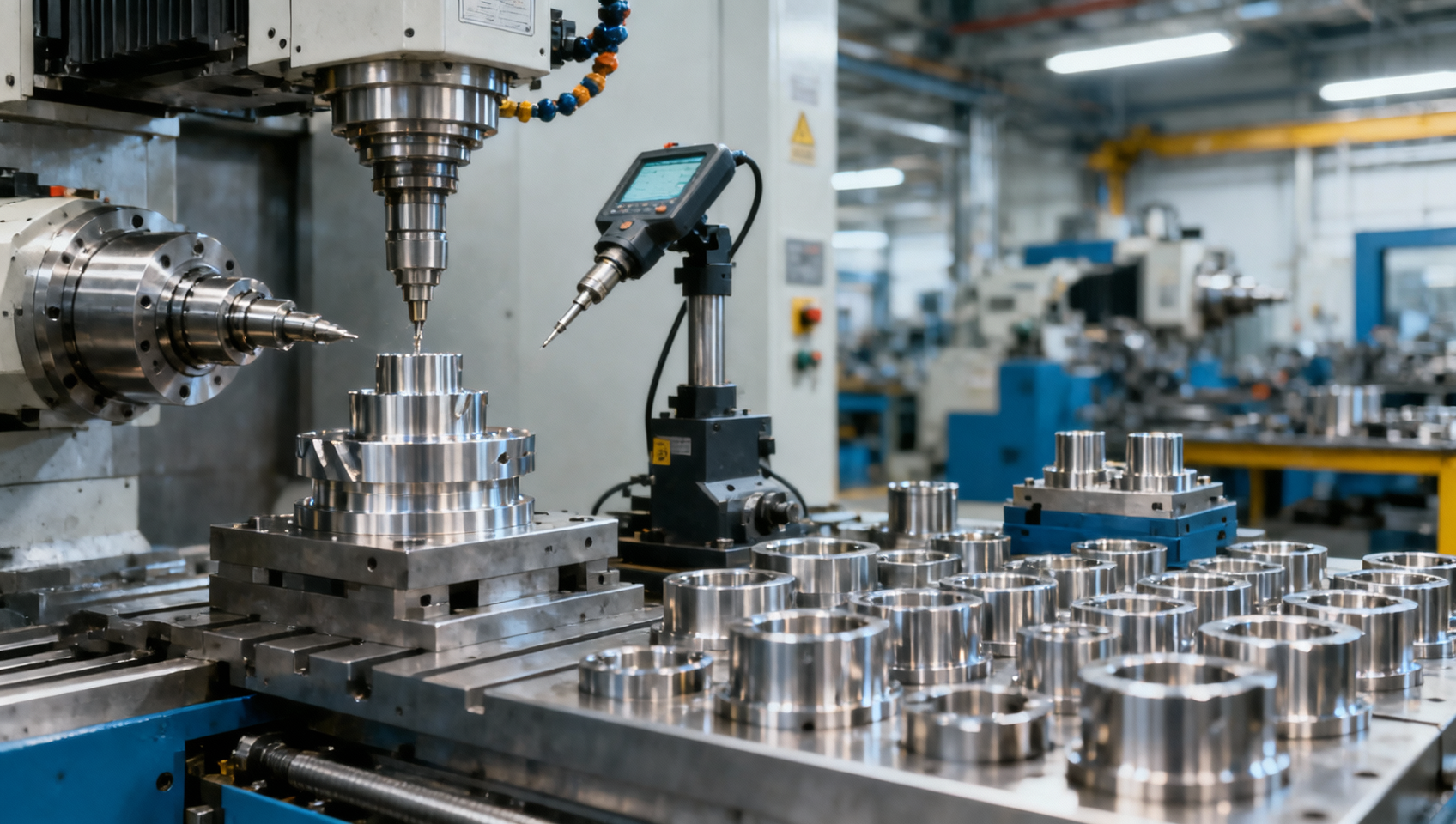
High precision CNC manufacturing plays a critical role in reducing rework risk by improving consistency, tolerance control, and process stability. From multi-axis CNC manufacturing to automated CNC manufacturing, today’s CNC manufacturing factory and CNC manufacturing supplier solutions help aerospace, automotive, electronics, and energy equipment producers achieve cost-effective quality with faster setup and lower maintenance.
For engineers, operators, buyers, and decision-makers, rework is not a minor workshop issue. It directly affects scrap rates, machine utilization, delivery reliability, labor cost, and customer confidence. In precision manufacturing, even a deviation of ±0.02 mm can cause assembly failure, vibration problems, sealing leakage, or downstream inspection rejection.
That is why high precision CNC manufacturing has become a strategic capability rather than only a machining option. When the manufacturing process is built around stable fixtures, accurate tools, controlled programs, and predictable inspection steps, the probability of rework drops across the full production cycle, from first article approval to batch delivery.
This article explains how precision CNC production reduces rework risk, what technical and operational factors matter most, how buyers should evaluate a CNC manufacturing supplier, and which implementation practices help factories achieve consistent quality in demanding industrial applications.
Why Rework Happens in CNC Production and Why Precision Changes the Equation
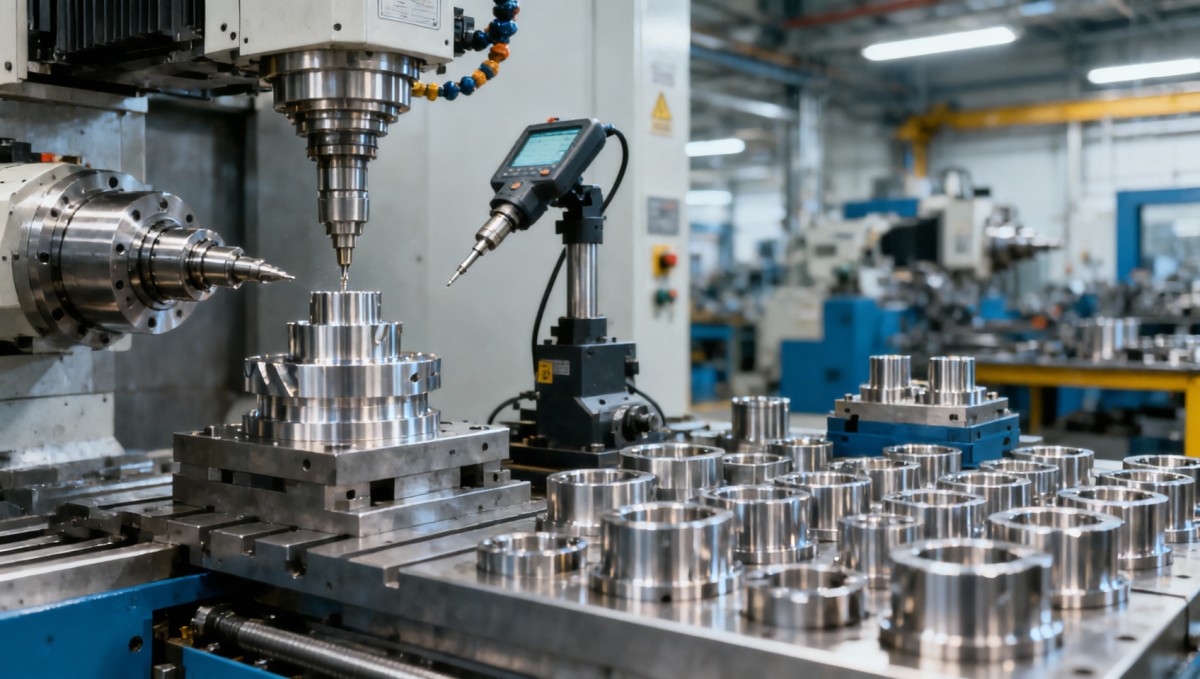
Rework in CNC manufacturing usually starts with variation that escapes early control. Common causes include unstable raw material condition, poor tool life management, inaccurate workholding, thermal drift, programming mistakes, and inconsistent inspection methods. In low-tolerance production, these issues may stay hidden. In high precision CNC manufacturing, they are identified and controlled before they become repetitive losses.
A part may pass one operation and still fail at final assembly because tolerances stack up across 3 to 5 machining steps. For example, a shaft, housing, and mating bore can each remain within separate print limits, yet the final fit may still be unacceptable. Precision-focused CNC manufacturing reduces this risk by controlling both single-dimension accuracy and cumulative process capability.
Process stability is especially important in industries such as aerospace, automotive, and electronics, where batch sizes can vary from 20 prototypes to 20,000 production parts. In these environments, a rework rate of even 3% to 5% can disrupt delivery schedules, create overtime, and increase inspection workload by 2 to 3 times.
High precision CNC manufacturing changes the equation because it emphasizes repeatability, not only peak accuracy. A machine that can hold ±0.005 mm once is less valuable than a process that can hold it across 8 hours, multiple tool changes, and different operators. That repeatability is what lowers the true cost of quality.
Typical Sources of Rework in CNC Machining
The most frequent rework triggers can be grouped into a few operational categories. Identifying them early helps both factory teams and procurement teams focus on the right controls instead of only comparing quoted prices.
- Dimensional variation caused by tool wear, spindle runout, or unstable cutting parameters.
- Surface finish defects linked to vibration, incorrect feed rate, or coolant inconsistency.
- Datum errors from weak fixture design or repeated repositioning of complex parts.
- Program and post-processing mistakes, especially in 4-axis and 5-axis machining paths.
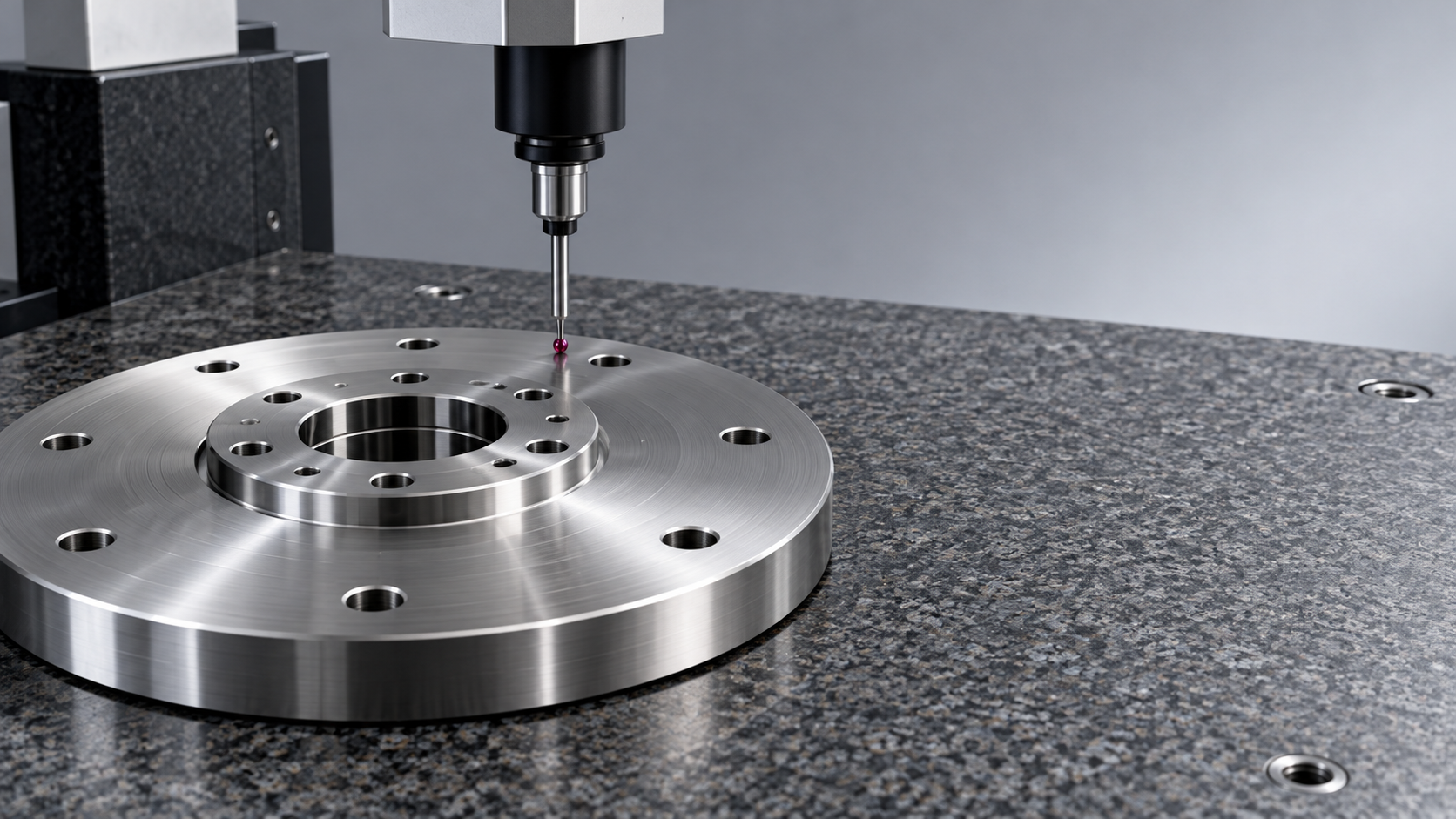
- Inspection mismatch between in-process checks and final CMM or gauge results.
In multi-axis CNC manufacturing, the risk can increase if setup reduction is not matched by stronger simulation and verification. However, when programmed correctly, multi-axis machining often lowers rework because it reduces manual part transfers, secondary clamping, and geometry shift between operations.
How High Precision CNC Manufacturing Reduces Rework at the Process Level
The core advantage of high precision CNC manufacturing is process control. A modern CNC manufacturing factory reduces rework not by reacting to bad parts, but by building a stable production route. That includes machine calibration, toolpath optimization, thermal compensation, fixture repeatability, and in-process measurement routines.
One major factor is tighter tolerance control. In many industrial components, critical dimensions fall within ±0.01 mm to ±0.05 mm, while flatness, concentricity, and positional tolerances can be equally important. Precision CNC systems with rigid machine structures, properly maintained spindles, and qualified tool holders are better equipped to stay within those ranges over longer cycles.
Another factor is setup reduction. Automated CNC manufacturing and multi-axis CNC manufacturing reduce the number of manual interventions required between operations. Fewer touchpoints usually mean fewer opportunities for misalignment, handling damage, and incorrect offsets. In practical terms, reducing a part from 4 setups to 2 can remove multiple sources of cumulative error.
Inspection integration also matters. Factories using in-process probing, tool measurement, and standardized first article verification can catch drift after 10 parts instead of discovering it after 200. This difference alone can protect lead time and material cost in medium-volume production.
Precision Controls That Have the Biggest Impact
The table below summarizes common process controls and how they reduce rework risk in a CNC manufacturing environment.
The key takeaway is that rework reduction is rarely tied to a single machine feature. It comes from a linked control system. If one control is weak, such as fixture repeatability or tool monitoring, the benefit of a high-end machine can be diluted quickly.
Operational Steps That Strengthen Precision Output
- Confirm drawing review and tolerance classification before programming begins.
- Use first article inspection on the initial 1 to 3 parts of each setup.
- Define control frequency, such as every 20 parts or every 60 minutes for critical dimensions.
- Record tool replacement thresholds instead of relying only on operator judgment.
- Match inspection equipment capability to part tolerance, especially for sub-0.01 mm features.
These steps are practical because they turn precision from a machine specification into a daily production habit. That is where the largest reduction in rework actually happens.
The Role of Multi-Axis and Automated CNC Manufacturing in Quality Consistency
Multi-axis CNC manufacturing and automated CNC manufacturing are often discussed for speed and labor efficiency, but their quality impact is just as important. Rework frequently increases when parts require repeated reclamping, manual alignment, and transfer between machines. Advanced production cells reduce these handoff points.
In 3-axis machining, a complex part may need 3 to 6 setups to complete multiple faces, holes, and contours. A 4-axis or 5-axis process can often reduce that count significantly. Fewer setups mean fewer datum shifts, less handling risk, and better feature-to-feature accuracy. This is critical for structural parts, precision discs, and complex shaft components.
Automation adds another layer of consistency. Pallet systems, robotic loading, standardized tool libraries, and automated part measurement reduce operator-to-operator variation. For batch manufacturing, this can stabilize production over 12-hour or 24-hour schedules, particularly when lights-out machining is used for repeat jobs.
That said, automation only reduces rework when the base process is already stable. Automating an unstable process can simply produce bad parts faster. Buyers should therefore evaluate whether a CNC manufacturing supplier has both automation hardware and the process discipline to support it.
Comparison of Production Approaches
The following comparison shows how different CNC production models affect rework exposure in practical manufacturing settings.
For buyers, the decision should not be based only on machine type. It should also consider part complexity, annual volume, tolerance criticality, and whether the supplier can maintain stable output over the full program life, not just during sample approval.
Where Advanced CNC Methods Deliver the Most Value
- Aerospace components with tight positional tolerances and multiple machined faces.
- Automotive precision parts that require stable cycle time across 1,000+ units per batch.
- Electronics housings where cosmetic finish and hole location both affect acceptance.
- Energy equipment parts with large dimensions, critical bores, or difficult materials.
In these applications, reducing one round of rework can shorten delivery by 3 to 7 days and free valuable machine capacity for higher-value work.
What Buyers and Decision-Makers Should Evaluate in a CNC Manufacturing Supplier
Procurement teams often focus on unit price, but rework risk is usually hidden in the supplier’s process capability. A quote that looks 8% lower can become more expensive if it leads to delayed shipment, repeated inspections, line stoppage, or field quality issues. That is why supplier assessment should include technical, operational, and communication factors.
First, check whether the supplier can explain how it controls critical tolerances. A qualified CNC manufacturing supplier should describe inspection frequency, fixture strategy, tool management method, and how it handles first article approval. Generic answers such as “we check carefully” are not enough for precision parts.
Second, review production fit. Some suppliers are strong in prototypes and low-volume parts with 5 to 50 pieces, while others are more stable in batch runs of 500 to 5,000 units. Rework risk rises when a factory’s process model does not match your order profile. The same applies to material types such as aluminum, stainless steel, titanium, or hardened steel.
Third, examine response discipline. When deviations occur, buyers need corrective action within a defined time frame, often 24 to 72 hours for industrial production schedules. A supplier with clear issue escalation and traceability will reduce overall business risk, even when problems do occur.
Supplier Evaluation Checklist
This checklist can help buyers compare suppliers more effectively during RFQ, sample review, or annual vendor qualification.
A reliable supplier should be able to connect technical details with business outcomes. That means showing how machine capability, inspection planning, and operator training translate into lower rework, steadier delivery, and more predictable total cost.
Practical Procurement Priorities
- Prioritize process capability over headline machine count.
- Request control plans for the top 3 to 5 critical dimensions.
- Verify whether sample approval conditions match mass production conditions.
- Compare communication speed, engineering support, and issue traceability.
These priorities help buyers avoid a common mistake: selecting a supplier that can machine the part once, but not produce it consistently over time.
Implementation, Maintenance, and Daily Practices That Keep Rework Low
Even the best CNC manufacturing process can degrade without disciplined execution. Rework stays low when precision is supported by maintenance routines, operator training, revision control, and feedback loops between production and quality teams. This is especially important in smart manufacturing environments where multiple systems interact.
Preventive maintenance is one example. Spindle condition, backlash, coolant concentration, and probe calibration all affect part quality. Many factories schedule daily checks, weekly cleaning, and monthly or quarterly accuracy verification depending on machine load and tolerance demand. Skipping these routines often creates small deviations that only appear later as recurring rework.
Operator discipline is another factor. Clear work instructions, offset control rules, and tool replacement standards reduce variability across shifts. In factories running 2-shift or 3-shift operations, even minor differences in setup habits can cause measurable dimensional spread if procedures are not standardized.
Digital integration can further improve stability. When a CNC manufacturing factory connects machining data, inspection results, and maintenance records, it becomes easier to identify trends before failure occurs. For example, repeated drift on a bore dimension every 150 parts may point to a tool wear pattern, not a random defect.
A Practical 5-Step Control Routine
- Step 1: Review the drawing, tolerance stack, and critical-to-function features before release.
- Step 2: Validate program, tool list, and fixture position during setup and first article.
- Step 3: Monitor key dimensions at fixed intervals, such as every 15, 30, or 50 parts.
- Step 4: Record tool wear, machine alarms, and offset changes for traceability.
- Step 5: Close the loop with final inspection and process adjustment before the next batch.
This 5-step routine is useful for both small precision workshops and larger automated CNC manufacturing lines. The objective is consistent control, not administrative complexity.
Common Mistakes That Increase Rework
Several avoidable mistakes still appear in otherwise capable factories. One is relying too heavily on final inspection instead of in-process verification. Another is applying the same feed, speed, and tool life rules across different materials without adjustment. A third is scaling prototype settings directly into production without validating heat, wear, and cycle variation.
For decision-makers, the lesson is simple: quality outcomes are created upstream. Investments in stable machining, preventive maintenance, and process discipline usually cost less than repeated rework, urgent rescheduling, and customer complaint handling.
FAQ
How much tolerance control is usually needed to reduce rework in industrial CNC parts?
It depends on part function, but many industrial components target critical dimensions within ±0.01 mm to ±0.05 mm. More important than the number itself is whether the supplier can hold that range consistently over the full batch, across different shifts and tool changes.
Is multi-axis CNC manufacturing always better for reducing rework?
Not always, but it is often better for complex geometry because it reduces setups and datum changes. For simple parts, a well-controlled 3-axis process may be enough. The right choice depends on geometry complexity, annual volume, tolerance stack, and cycle efficiency.
What delivery impact can rework have on a production order?
In many precision manufacturing environments, one unexpected rework loop can add 3 to 7 days to delivery, especially if material is specialized or machine capacity is already full. On urgent programs, the indirect cost from missed assembly schedules may be higher than the rework cost itself.
What should buyers request before approving a new CNC manufacturing supplier?
Buyers should request a clear process route, critical dimension control plan, sample inspection results, and a description of corrective action timing. These details reveal whether the supplier can support repeatable quality, not just a one-time sample result.
High precision CNC manufacturing reduces rework risk by combining accurate machines with disciplined process control, stable setups, real inspection routines, and supplier-level execution capability. For manufacturers serving aerospace, automotive, electronics, and energy equipment markets, that combination supports better yield, shorter lead times, and more predictable cost.
Whether you are evaluating a CNC manufacturing factory, improving an existing production line, or comparing a new CNC manufacturing supplier, the most reliable results come from focusing on repeatability, not just nominal accuracy. If you want to reduce quality losses and improve delivery confidence, now is the right time to review your machining process and supplier strategy.
Contact us to discuss your part requirements, request a tailored manufacturing solution, or learn more about precision CNC capabilities for your industry.
PREVIOUS ARTICLE
Recommended for You
![]() FANUC Links FIELD System Data with Copilot to Advance Shop-Floor Data UseCNC Machining Technology Center
 Smart Manufacturing for Aerospace: Building Traceability Across CNC OperationsCNC Machining Technology Center
![]() Mitsubishi Electric Announces Physical AI System Linking Humanoid Robots and CNC MachinesMachine Tool Industry Editorial Team
 Precision Machining for Defense: Supplier Quality and Traceability ChecksManufacturing Market Research Center
![]() Nidec Machine Tool Launches MVR-5X Five-Axis Gantry MachineMachine Tool Industry Editorial Team
 Choosing a Precision Disc Parts Manufacturer in China: Tolerances and Quality ChecksManufacturing Market Research Center


Aris Katos
Future of Carbide Coatings
15+ years in precision manufacturing systems. Specialized in high-speed milling and aerospace grade alloy processing.
▶
How thermal drift affects accuracy in high-precision manufacturingCNC Machining Technology Center▶
Industrial Machining: Selecting Processes for Tight-Tolerance Metal PartsCNC Machining Technology Center▶
How Does Precision Machining Differ From Standard Machining?CNC Machining Technology Center▶
CNC Precision: Which Tolerances, Materials, and Processes Fit Your Part?CNC Machining Technology Center▶
How to Choose Metal Machining Processes for Tight Tolerances and Production VolumeCNC Machining Technology Center
▶
Mastering 5-Axis Workholding Strategies
Join our technical panel on Nov 15th to learn about reducing vibrations in thin-wall components.

Providing you with integrated sanding solutions
Before-sales and after-sales services
Comprehensive technical support