• Global CNC market projected to reach $128B by 2028 • New EU trade regulations for precision tooling components • Aerospace deman
NYSE: CNC +1.2%LME: STEEL -0.4%

How Quick Setup CNC Manufacturing Improves Small Batch Work
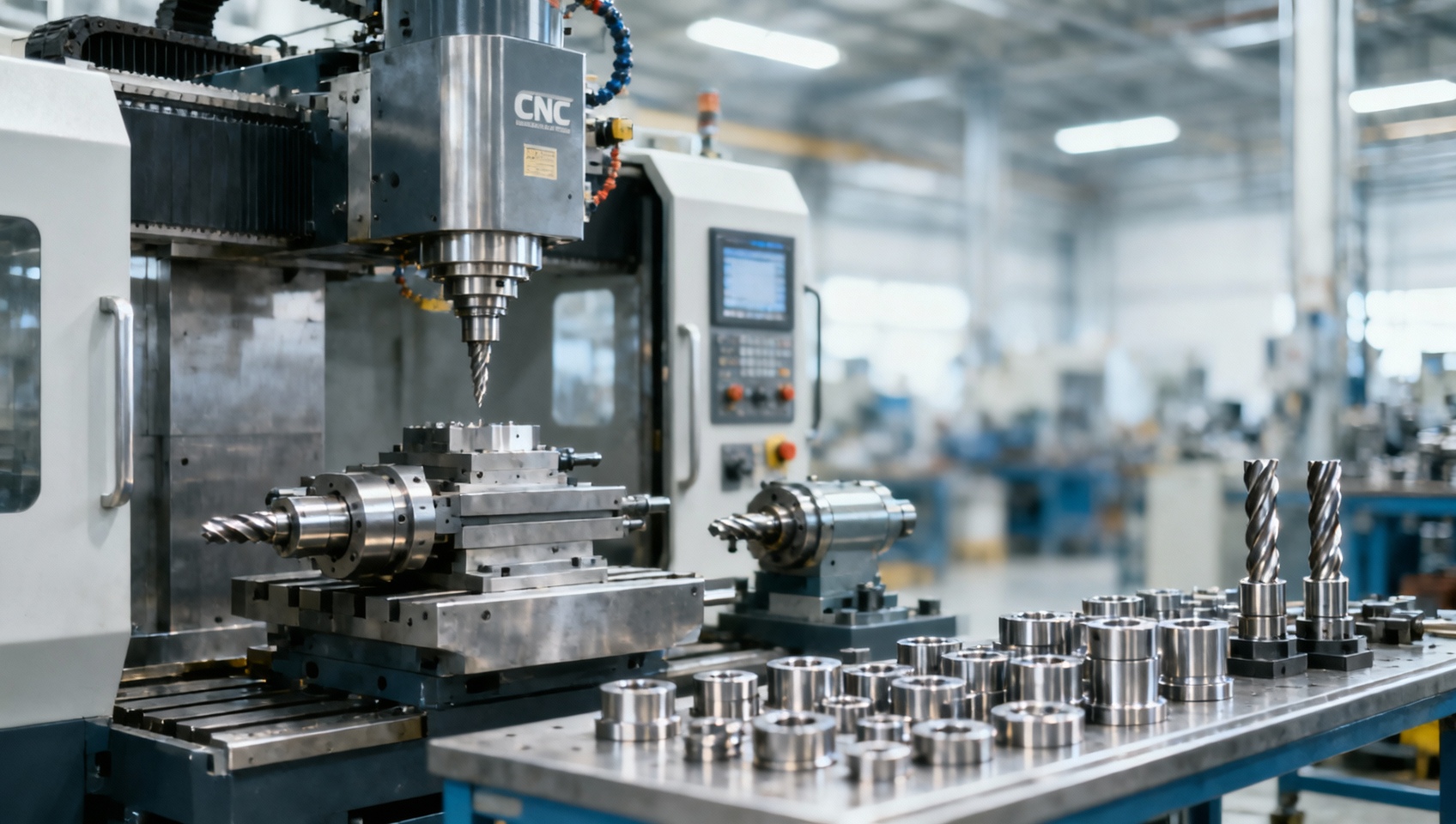
Quick setup CNC manufacturing is transforming small batch production by reducing downtime, improving flexibility, and lowering costs without sacrificing quality. For buyers, operators, and decision-makers comparing a CNC manufacturing supplier, CNC manufacturing manufacturer, or CNC machine tool manufacturer, it offers a practical path to high precision CNC manufacturing, faster response times, and more cost-effective CNC manufacturing across diverse industrial applications.
In today’s manufacturing environment, small batch work is no longer limited to prototyping. Many factories now handle orders of 10, 50, or 200 parts for aftermarket supply, custom equipment, pilot runs, engineering validation, and urgent replacement components. These jobs require short lead times, stable accuracy, and controlled costs, which puts pressure on both machine capacity and setup efficiency.
That is where quick setup CNC manufacturing creates measurable value. By shortening fixture changeovers, tool preparation, program verification, and first-piece approval, manufacturers can reduce non-cutting time and improve machine utilization. For procurement teams, this often means better unit economics on low-volume work. For operators, it means less interruption and more repeatable workflows. For decision-makers, it supports a more flexible production model without investing in a full dedicated line.
The following sections explain how quick setup methods work, where they bring the greatest operational benefits, how to evaluate a CNC machine tool manufacturer or production partner, and what practical steps help small batch projects move from inquiry to delivery with fewer delays and lower risk.
Why setup time matters so much in small batch CNC manufacturing
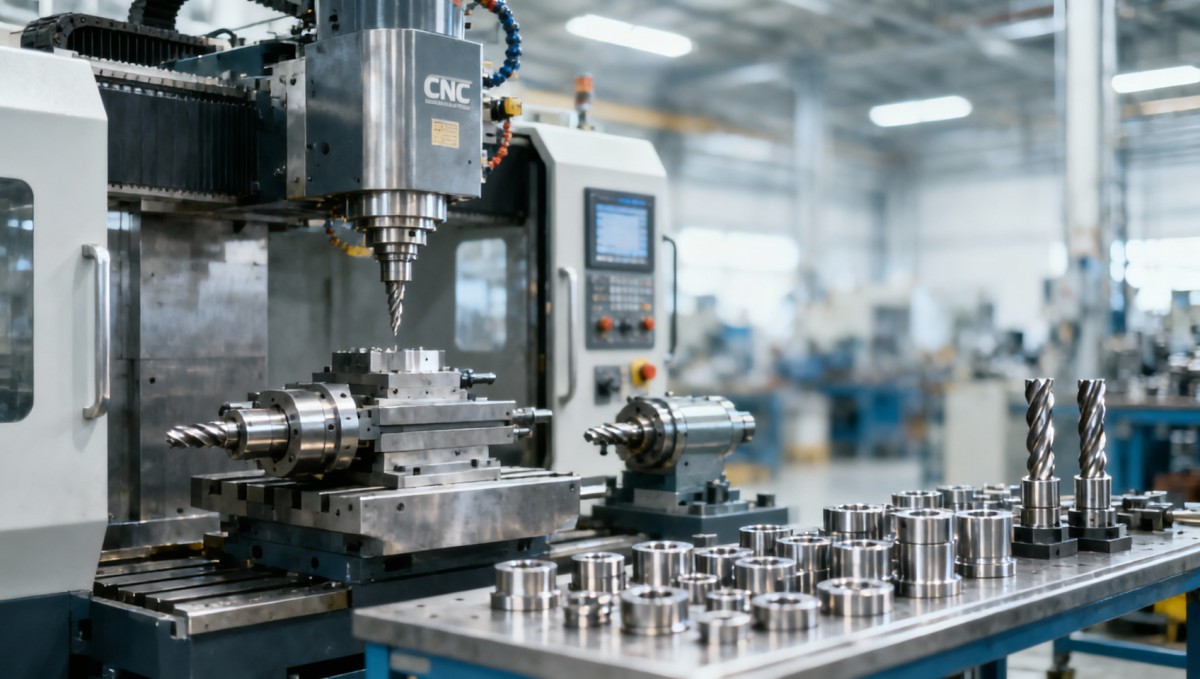
In large-volume production, setup cost is spread across hundreds or thousands of parts. In small batch CNC manufacturing, that same setup may be distributed over only 20 or 80 pieces. If machine preparation takes 3 hours and the actual cutting time is 8 minutes per part, setup can account for a significant share of total job cost. This is why quick setup capability often matters more in low-volume work than raw spindle speed alone.
Typical setup activities include workholding selection, jaw boring, fixture alignment, tool loading, offset entry, dry run checks, and first article inspection. On a conventional workflow, these steps may take 90 minutes to 4 hours depending on part complexity, tolerances, and machine type. On a well-organized quick setup line, the same process can often be reduced by 20%–50% through standardized fixtures, preset tooling, offline programming, and digital setup sheets.
This has a direct effect on lead time. A buyer asking for 30 turned shafts, 12 milled housings, or a mixed lot of service parts usually cares more about a 5–7 day delivery window than about the theoretical maximum output per shift. Quick setup CNC manufacturing helps suppliers respond to those requests without pushing small jobs to the back of the production queue.
The impact is also operational. Operators spend less time on repetitive adjustments, quality teams receive more stable first-piece results, and planners can schedule multiple low-volume jobs in one day. For factories serving aerospace maintenance, industrial automation, electronics tooling, or specialty energy equipment, this flexibility is often a commercial advantage rather than just a technical improvement.
Where setup time typically hides
Many companies underestimate how much non-cutting time exists between jobs. The most common delays appear in four areas:
- Fixture preparation, especially when custom clamping must be modified for each geometry.
- Tool searching and measurement when tools are not preloaded or preset offline.
- Program validation, including simulation gaps, offset mistakes, or unexpected collisions.
- Inspection bottlenecks during first-piece approval for tolerances such as ±0.01 mm to ±0.05 mm.
If a supplier cannot clearly explain how these four areas are controlled, small batch work may become expensive even when the quoted piece price looks competitive.
Cost effect by batch size
The table below shows why setup efficiency changes the economics of low-volume jobs more dramatically than high-volume orders.
The key takeaway is simple: if your order volume is below roughly 200 pieces per SKU, the quality of setup planning can influence overall project performance nearly as much as machine capability itself.
What enables quick setup in a modern CNC production environment
Quick setup CNC manufacturing is not based on one machine feature alone. It is usually the result of coordinated process design, standardized tooling, digital preparation, and operator discipline. A capable CNC manufacturing manufacturer builds setup reduction into the workflow before production begins, not after delays appear on the shop floor.
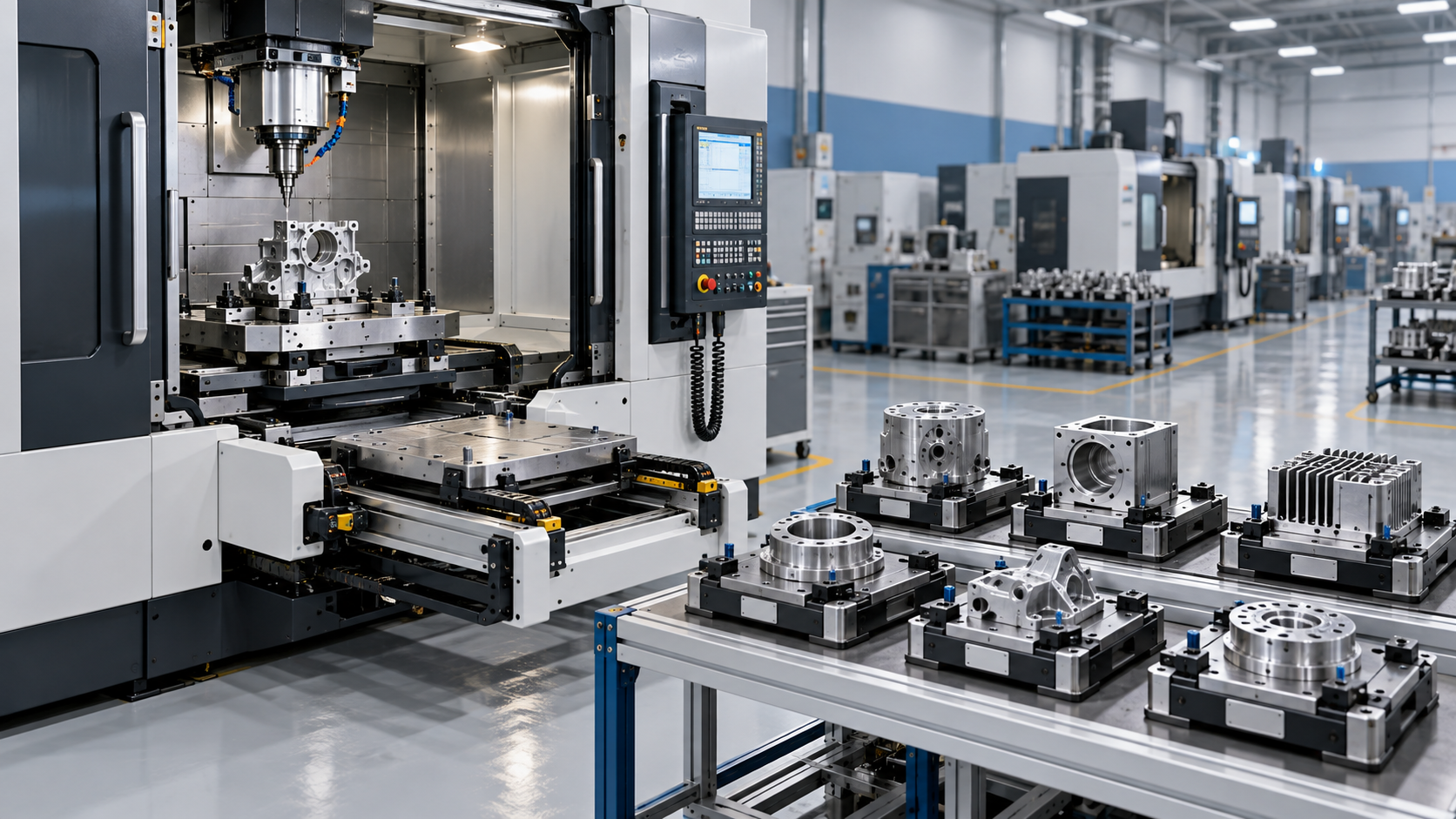
One of the most effective methods is fixture standardization. Modular vises, zero-point clamping, and repeatable soft jaws can reduce positioning time from 40 minutes to 10–15 minutes for many common part families. This is especially useful for aluminum housings, steel brackets, flanges, valve parts, and small structural components that recur with dimensional variations but similar clamping logic.
Tool presetting is another major lever. When cutters are measured offline and loaded with verified offsets, spindle idle time drops and setup consistency improves. For multi-axis machining or high precision CNC manufacturing, this can reduce first-run uncertainty and lower the risk of scrap during the first 1–3 parts. Shops working with tolerances tighter than ±0.02 mm often see the greatest value because rework costs rise quickly when setup is unstable.
Digital preparation also matters. CAM simulation, setup sheets, QR-linked tool lists, and documented inspection checkpoints help operators start jobs faster and with fewer assumptions. In high-mix environments, where 5 to 12 different part numbers may run in one shift, standardized digital instructions are often more important than adding another machine.
Core quick setup elements
The following table summarizes the most common setup-reduction methods and where they create the strongest effect in CNC manufacturing.
No single method solves every setup problem. The strongest results usually come from combining at least 3 elements: repeatable clamping, offline preparation, and documented verification steps. This integrated approach is what separates a process-driven supplier from a machine-only supplier.
Operational practices that support faster changeovers
- Group parts by material and tool family so that aluminum, stainless steel, and alloy steel jobs do not require unnecessary full resets.
- Use common datum strategies across similar parts to reduce re-indication time.
- Prepare backup tools for wear-sensitive operations, especially boring, thread milling, and fine finishing.
- Define first-piece checkpoints in advance, such as 5 critical dimensions, surface finish targets, and concentricity limits.
For operators, these disciplines reduce stress and improve repeatability. For management, they create a scalable framework that remains effective even when job mix changes week to week.
How buyers and decision-makers should evaluate a quick setup CNC manufacturing supplier
When sourcing small batch work, many buyers focus first on piece price. That is understandable, but it can be misleading. A low quotation may hide long setup delays, slow engineering response, or weak first-piece control. In practical terms, the right CNC manufacturing supplier should be evaluated across at least 4 dimensions: technical fit, setup efficiency, quality assurance, and communication speed.
Technical fit includes machine range and process capability. A shop producing simple 2-axis turned parts may not be the best partner for 5-axis impeller features or compound-angle housings. Likewise, a supplier built for heavy castings may not be cost-effective for batches of 15 precision aluminum components. Ask what batch range they handle most efficiently. Many specialized quick setup suppliers perform best in the 10–300 piece range.
Setup efficiency should be discussed directly. Buyers can ask how fixtures are managed, whether tools are preset offline, how long first article approval usually takes, and how many job changeovers a machine cell can handle in one shift. A supplier who runs only 1 or 2 setups per day may struggle with urgent mixed-part demand, while a more flexible cell may handle 6–10 short-run jobs in the same period.
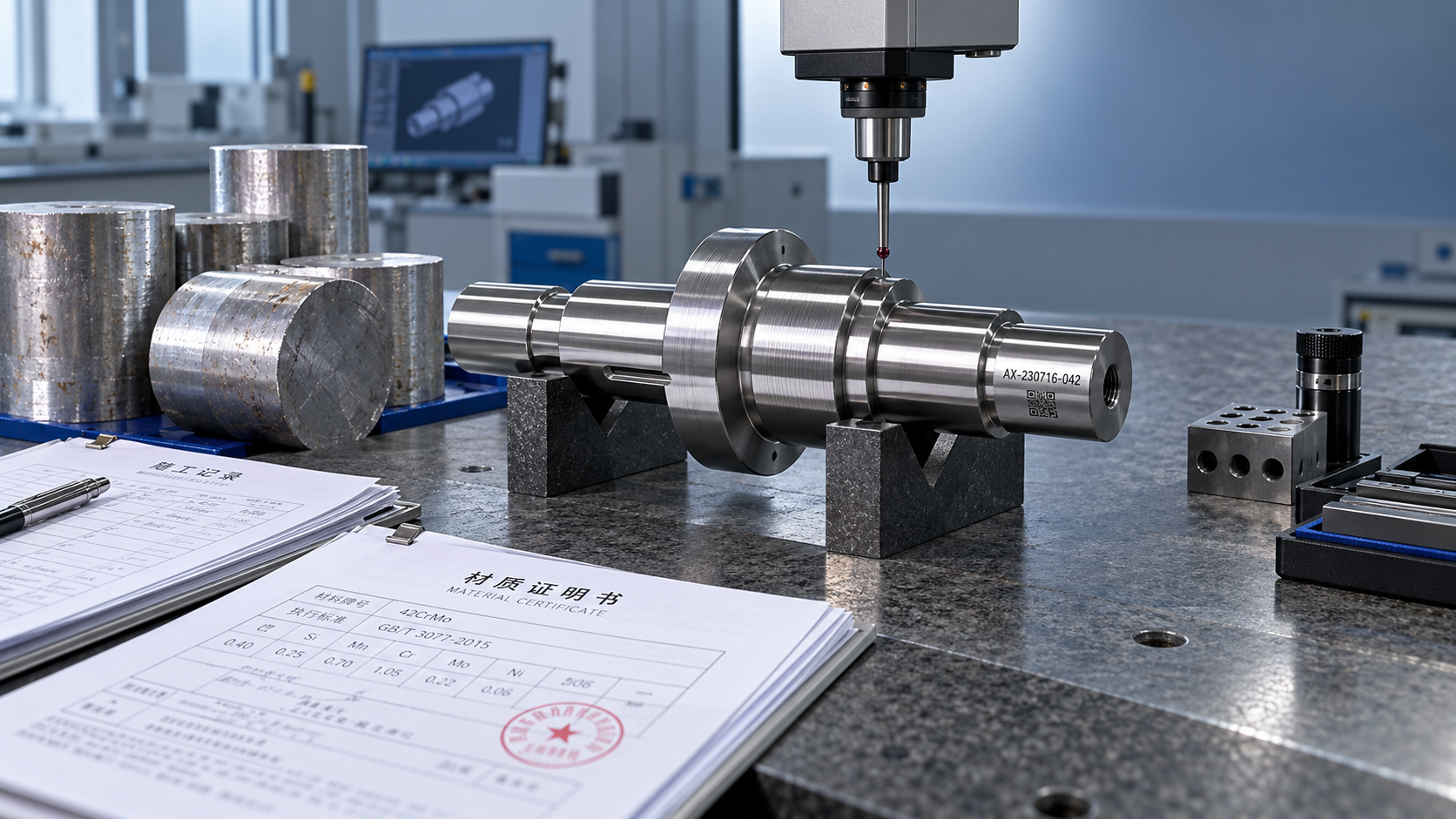
Quality assurance should be linked to production reality. For small batch projects, a fast response is not enough if measurement capability is weak. The supplier should define how critical dimensions are verified, what happens when first-piece deviation is found, and how revision control is managed when drawings change. Procurement teams should also check whether communication between engineering, production, and quality is visible and documented.
Supplier evaluation checklist
The table below can be used during quotation comparison or supplier audits for small batch CNC manufacturing projects.
A strong supplier is not always the one with the lowest initial quote. In small batch manufacturing, predictable setup performance often reduces total cost more effectively than a nominally cheaper machining rate.
Common sourcing mistakes
- Choosing a supplier optimized for mass production when the actual project requires frequent changeovers.
- Ignoring fixture and first-article strategy during RFQ review.
- Sending incomplete drawings, tolerance notes, or material specifications, which increases setup uncertainty.
- Comparing prices without aligning lot size, inspection level, and delivery window.
These mistakes often lead to delays of 3–10 days, extra clarification rounds, and avoidable quality issues in the first production run.
Best-fit applications, implementation steps, and practical performance targets
Quick setup CNC manufacturing is most valuable when product mix is high, batch size is moderate or low, and delivery urgency is real. Typical applications include maintenance spares, pilot production, engineering changes, export replacement parts, automation fixtures, and specialized machine components. In these cases, reducing setup from 2.5 hours to 1 hour can matter more than reducing cycle time from 6 minutes to 5 minutes.
Industries such as automotive support tooling, aerospace maintenance, electronics equipment, energy systems, and industrial robotics frequently operate in this pattern. Orders may involve 5 different SKUs, 20–100 parts each, mixed materials, and tolerance bands from ±0.1 mm down to ±0.01 mm. A flexible CNC manufacturing manufacturer can support this demand with faster transitions between jobs while maintaining documented inspection consistency.
Implementation does not need to begin with a full factory transformation. Many shops start with a focused pilot on 1 machining center, 1 CNC lathe, or 1 product family. Once setup time is measured, repeat tooling is standardized, and digital work instructions are validated, the model can be extended to another 2–3 machines. This phased approach lowers risk and provides visible operational feedback within a few weeks.
Reasonable performance targets should be specific. For example, a shop may aim to reduce average setup time by 25% in 60 days, cut first-piece approval from 45 minutes to 20 minutes, or increase same-shift job changeover capacity from 3 to 5 jobs. These are practical goals that support cost-effective CNC manufacturing without overstating results.
Suggested implementation roadmap
- Measure the current baseline: setup duration, first-piece approval time, and number of changeovers per shift over a 2–4 week period.
- Identify recurring part families and standardize clamping, datum logic, and tool groups for the top 20% of repeat jobs.
- Introduce offline preparation, including tool presetting, CAM verification, and setup documents with visual checkpoints.
- Define acceptance routines for critical dimensions, surface finish, and material traceability where needed.
- Review results after 30, 60, and 90 days, then expand to additional machines or product groups.
This step-by-step method is especially useful for companies that want to improve responsiveness without disrupting ongoing production commitments.
FAQ for buyers, operators, and managers
How small should a batch be for quick setup to matter?
In many CNC environments, quick setup becomes highly relevant below 200 parts per SKU, and especially below 50 parts. At that point, setup may represent 20%–60% of total production effort depending on geometry and tolerance.
Does quick setup reduce quality?
Not if it is based on standardization and verification. In fact, repeatable fixtures, preset tools, and digital setup sheets often improve consistency by reducing manual adjustment and undocumented variation.
What lead time improvement is realistic?
For small batch jobs with stable drawings and available material, lead time can often improve by 1–3 days. More complex parts may see greater benefit in scheduling reliability rather than headline speed.
Which machines benefit most?
CNC lathes, vertical machining centers, and multi-axis systems all benefit, but the gains are usually most visible where part mix is high and setup complexity is moderate to high.
Quick setup CNC manufacturing improves small batch work by attacking the real bottleneck in low-volume production: non-cutting time. When fixture repeatability, tool preparation, digital setup control, and first-piece verification are built into the process, manufacturers can deliver high precision CNC manufacturing with shorter lead times, lower setup waste, and stronger responsiveness across multiple industries.
For information researchers, this provides a clearer framework for supplier comparison. For operators, it supports a more stable and efficient workflow. For procurement teams and business leaders, it creates a practical path to more cost-effective CNC manufacturing without compromising quality or flexibility. If you are evaluating a CNC manufacturing supplier, CNC manufacturing manufacturer, or CNC machine tool manufacturer for small batch projects, now is the right time to review setup capability as a core sourcing criterion. Contact us to discuss your part requirements, get a tailored production approach, or learn more about efficient CNC solutions for your application.
PREVIOUS ARTICLE
Recommended for You
![]() Mitsubishi Electric Announces Physical AI System Linking Humanoid Robots and CNC MachinesMachine Tool Industry Editorial Team
 Precision Machining for Defense: Supplier Quality and Traceability ChecksManufacturing Market Research Center
![]() Nidec Machine Tool Launches MVR-5X Five-Axis Gantry MachineMachine Tool Industry Editorial Team
 Choosing a Precision Disc Parts Manufacturer in China: Tolerances and Quality ChecksManufacturing Market Research Center
![]() Siemens Executive Says AI Could Raise Factory Automation to 80%Manufacturing Market Research Center
 Choosing Automated Machine Tools for High-Mix, Low-Volume ProductionMachine Tool Industry Editorial Team


Aris Katos
Future of Carbide Coatings
15+ years in precision manufacturing systems. Specialized in high-speed milling and aerospace grade alloy processing.
▶
Choosing a CNC Machine for Mold Making: Accuracy, Rigidity, and Surface FinishCNC Machining Technology Center▶
How to Cut CNC Machining Energy Use per Part Without Longer Cycle TimesCNC Machining Technology Center▶
Will a Mazak CNC retrofit work with your existing servo drives?CNC Machining Technology Center▶
Do energy-efficient machine tools reduce power use at partial load?CNC Machining Technology Center▶
Comparing energy-efficient machine tools by energy use per partCNC Machining Technology Center
▶
Mastering 5-Axis Workholding Strategies
Join our technical panel on Nov 15th to learn about reducing vibrations in thin-wall components.

Providing you with integrated sanding solutions
Before-sales and after-sales services
Comprehensive technical support