• Global CNC market projected to reach $128B by 2028 • New EU trade regulations for precision tooling components • Aerospace deman
NYSE: CNC +1.2%LME: STEEL -0.4%

What Is Precision CNC Manufacturing and Which Parts Benefit Most From It?
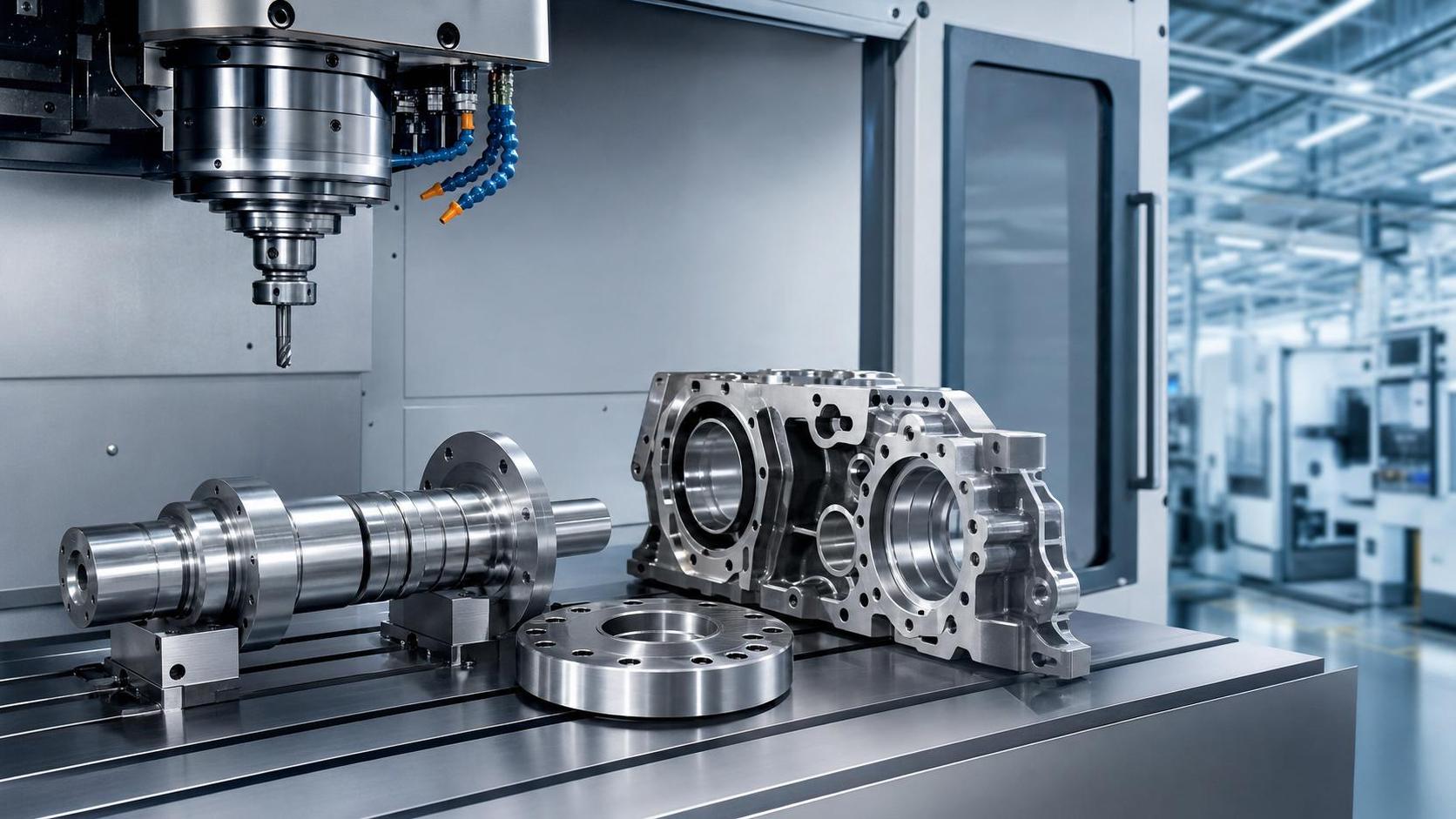
Precision CNC manufacturing sits at the center of modern production because it combines accuracy, repeatability, and scalable output in one process. It is widely used where part geometry is complex, tolerances are tight, and performance cannot depend on manual variation.
That matters even more today as automated production lines, smart factories, and digital inspection systems reshape global manufacturing. In sectors such as aerospace, automotive, electronics, and energy equipment, small dimensional errors can quickly become assembly issues, waste, or reliability risks.
Understanding precision CNC manufacturing is therefore less about one machine and more about how machining accuracy supports real industrial results. The question is not only what it is, but which parts truly benefit from it and why.
What precision CNC manufacturing really means
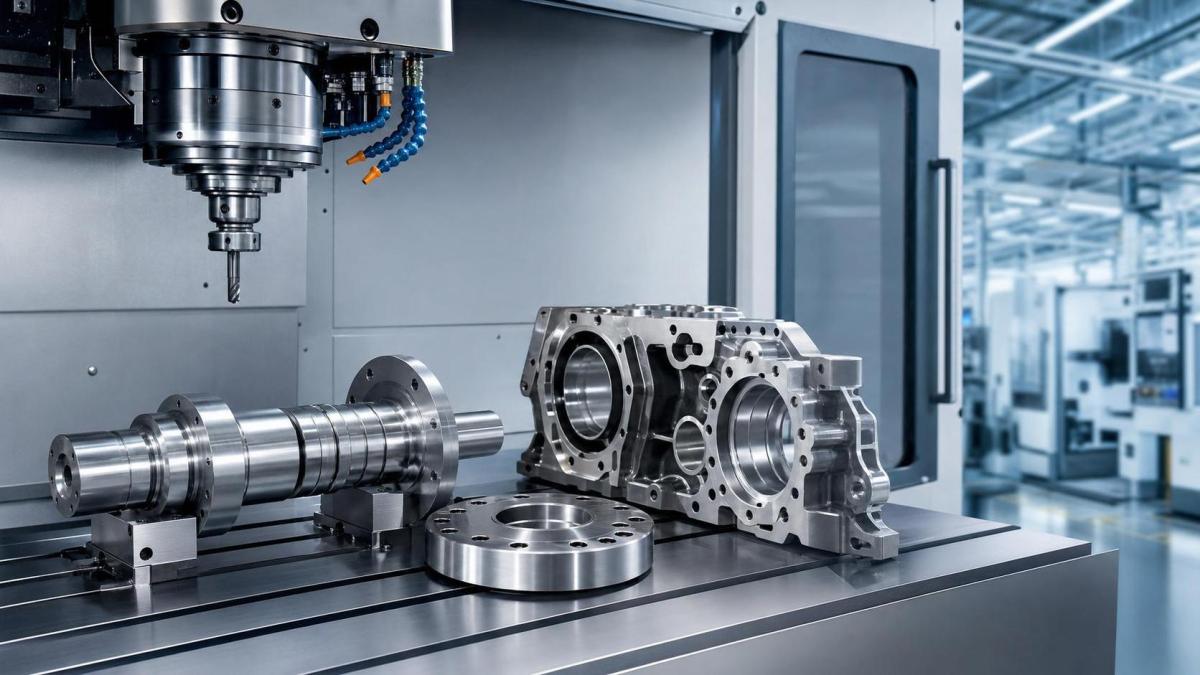
At its core, precision CNC manufacturing is a computer-controlled machining process designed to produce parts within very strict dimensional and surface requirements. CNC stands for computer numerical control, but the precision aspect comes from the entire system around it.
That system includes machine rigidity, spindle stability, tooling quality, fixture design, thermal control, programming accuracy, and inspection methods. A high-end machine alone does not guarantee a precise result.
In practical terms, precision CNC manufacturing is used to cut, drill, bore, mill, and turn metal or engineered materials into finished components that must fit and function predictably. It is especially valuable when the same part must be produced many times without drift.
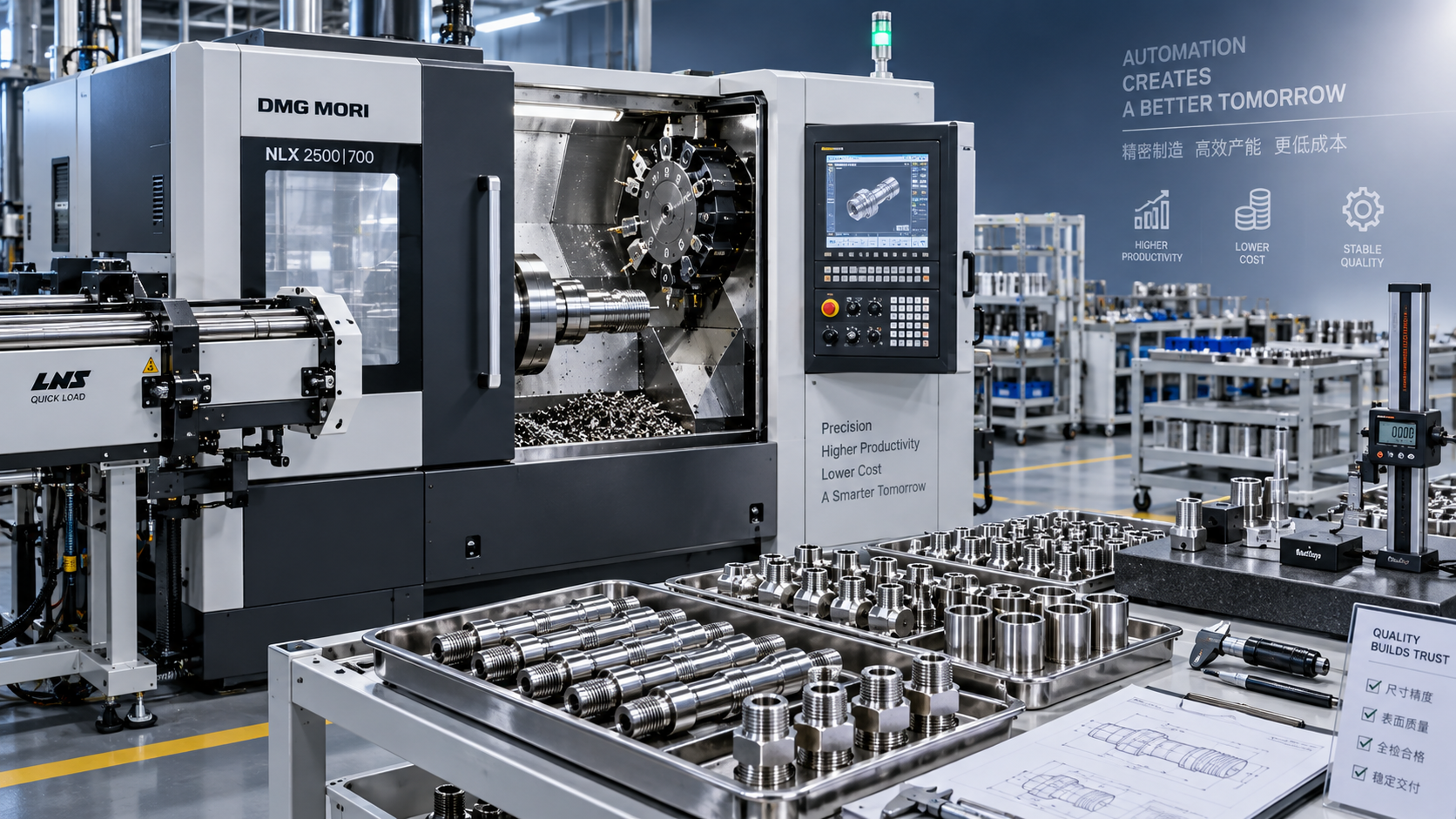
This is why CNC lathes, machining centers, and multi-axis systems are now basic infrastructure in industrial production. They allow manufacturers to move from simple shaft parts to intricate housings, discs, brackets, and structural components with consistent quality.
Why the industry is paying closer attention
The current focus on precision CNC manufacturing is tied to three pressures: tighter product standards, faster production cycles, and more integrated supply chains. A part is rarely judged in isolation anymore.
It must match automated assembly requirements, pass digital inspection, and remain consistent across batches and production sites. That raises the value of process control as much as the value of machining speed.
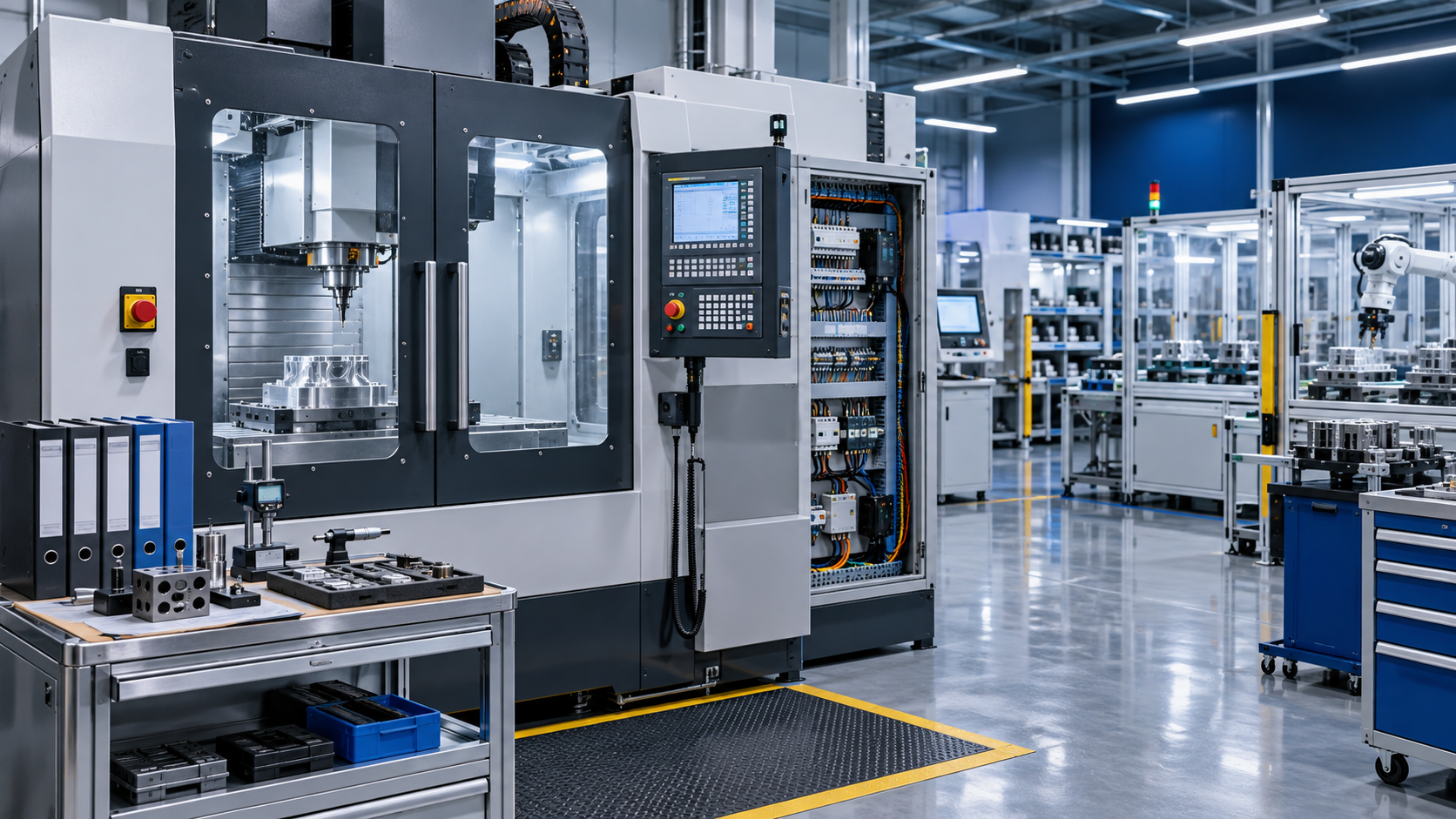
Another shift is digital integration. Machine tools now operate alongside robots, flexible lines, tool monitoring systems, and data-driven quality management. Precision CNC manufacturing increasingly supports a connected production environment rather than a standalone workshop process.
Global industrial clusters in China, Germany, Japan, and South Korea have accelerated this trend. Their machine tool ecosystems continue to push higher precision, better automation, and stronger trade links across component manufacturing markets.
Which parts benefit most from precision CNC manufacturing
Not every part needs the same level of machining control. Precision CNC manufacturing creates the greatest value when part failure, poor fit, or dimensional variation would cause downstream problems.
Shafts and rotating components
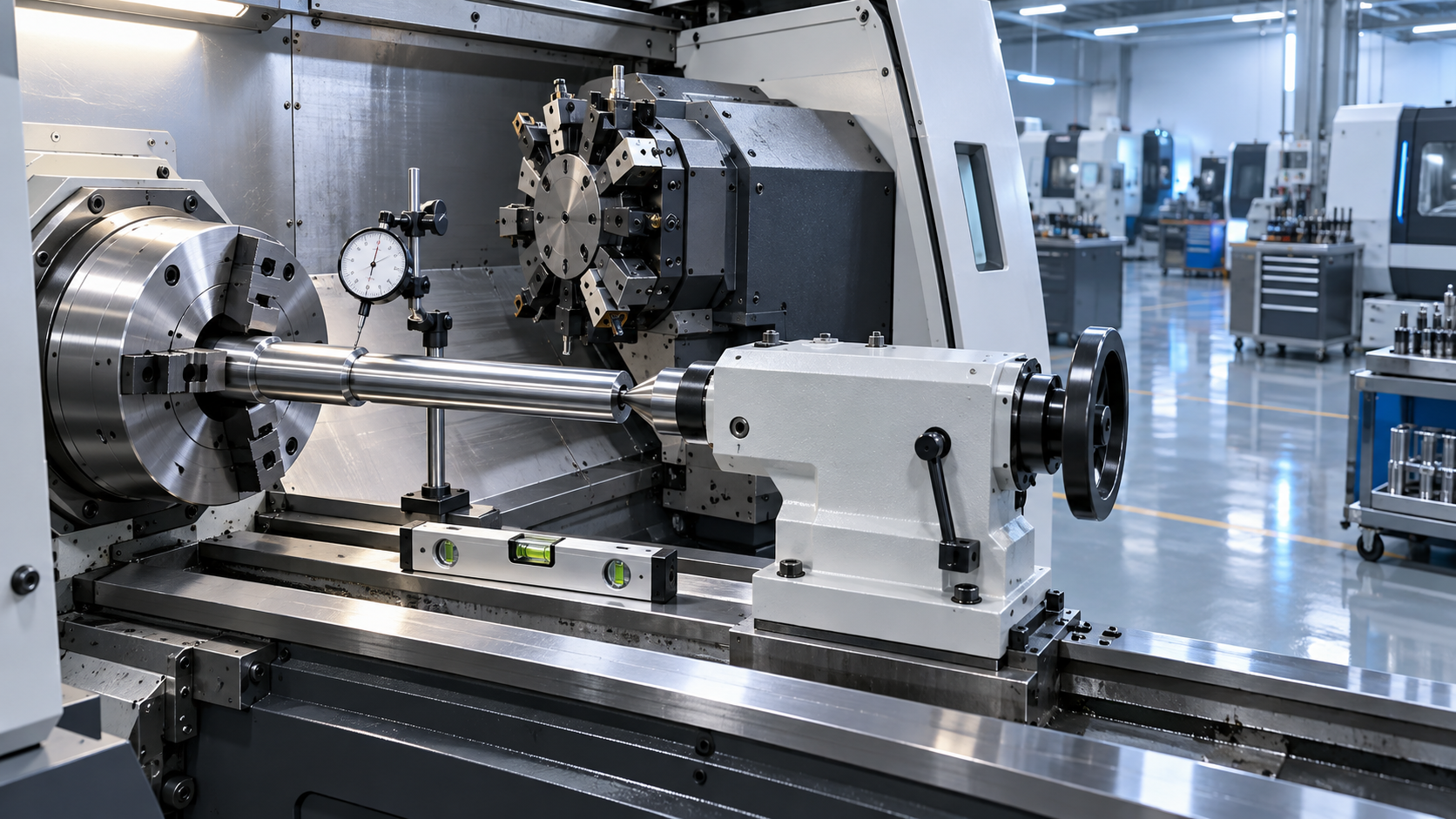
Shafts, spindles, couplings, and similar parts often require strict concentricity, roundness, and surface finish. Even slight deviation can lead to vibration, bearing wear, sealing problems, or power transmission loss.
Precision CNC manufacturing is well suited to these parts because turning centers and multi-axis lathes can hold repeatable dimensions over long production runs.
Discs, flanges, and sealing faces
Parts with flatness, thickness, or sealing requirements benefit significantly from controlled machining. Brake discs, flanges, valve seats, and similar components need stable geometries to avoid leakage, uneven wear, or assembly stress.
Complex housings and structural parts
Electronic enclosures, pump housings, gearbox cases, and aerospace structures usually combine multiple features in one body. They may include pockets, threads, mounting surfaces, channels, and reference holes that must align precisely.
Here, precision CNC manufacturing reduces setup error and improves feature-to-feature accuracy, especially on machining centers and five-axis platforms.
Small high-value parts
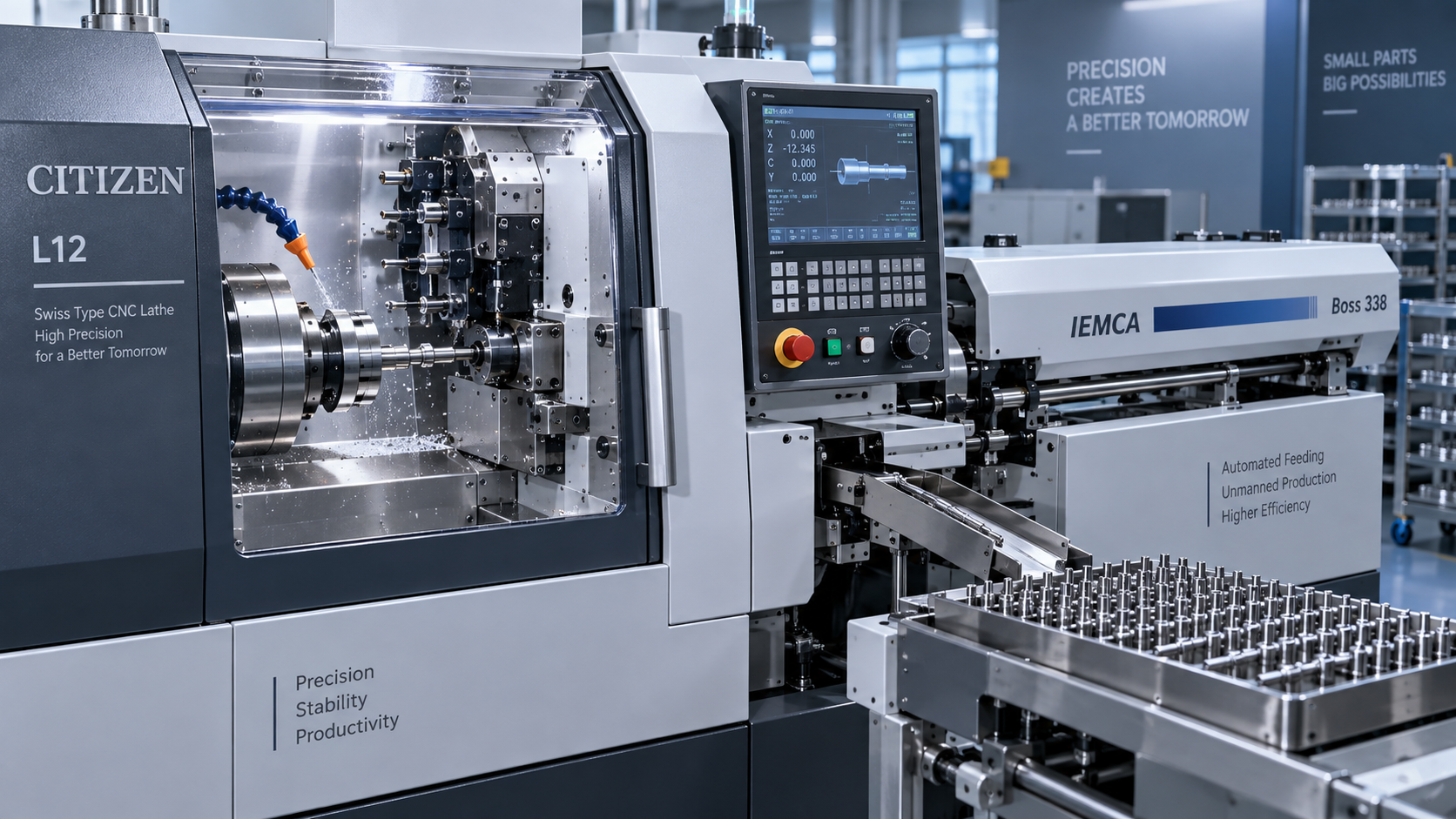
Medical-style components, sensor fittings, precision connectors, and instrument parts often carry more value per gram than larger industrial pieces. Scrap is costly, and tolerance drift can make an entire batch unusable.
In these cases, precision CNC manufacturing protects both product quality and unit economics.
How part requirements shape the machining approach
A useful way to judge fit is to look beyond the part name and focus on the technical demand. Precision CNC manufacturing is usually justified when one or more of the following conditions apply.
- The part has tight tolerances that affect assembly or motion.
- Surface finish influences sealing, friction, or appearance.
- Multiple features must stay aligned after several operations.
- The material is difficult to machine and reacts poorly to unstable cutting.
- The production run needs repeatability across many batches.
- Inspection and traceability are part of the customer requirement.
The table below shows how common part categories connect to typical precision needs.
Where the business value actually appears
The benefit of precision CNC manufacturing is often described as accuracy, but that is only the visible layer. The stronger business case usually appears in reduced rework, smoother assembly, lower scrap rates, and more predictable field performance.
For automated production, consistent parts matter because robots and fixtures do not adapt well to random variation. In high-volume work, a small dimensional issue can multiply across thousands of units.
In lower-volume sectors such as aerospace or advanced equipment, the value is different. There, each part may be expensive, material removal may be complex, and certification pressure may be high. Precision CNC manufacturing helps protect first-pass success.
It also supports international sourcing decisions. When buyers compare suppliers across regions, precision capability is often judged through process stability, inspection records, tooling strategy, and machine platform maturity rather than headline claims alone.
What to check before treating a part as a precision job
Not every drawing should be pushed into a high-cost precision workflow. A practical review helps separate necessary control from over-specification.
Look at function before tolerance
A tight tolerance should connect to a real functional need. If it does not affect assembly, motion, sealing, or safety, it may increase cost without improving the product.
Review material and geometry together
Thin walls, hard alloys, deep cavities, and long unsupported features all change the machining challenge. Precision CNC manufacturing works best when design and process planning are considered together.
Check how quality will be measured
Inspection should be realistic and repeatable. Critical dimensions may require CMM validation, in-process probing, or surface measurement rather than only manual gauges.
Consider production scale
The right solution for ten parts may not be the right one for ten thousand. Fixtures, cycle time, tool life, and automation readiness matter when precision CNC manufacturing moves into serial production.
A practical way to move forward
Precision CNC manufacturing should be evaluated as a fit between part function, process capability, and production context. The most suitable candidates are parts where dimensional control directly protects assembly quality, operating reliability, or batch consistency.
A useful next step is to sort parts by tolerance sensitivity, feature complexity, material difficulty, and expected volume. That makes it easier to decide which components truly need advanced machining resources and which can be produced more economically by standard methods.
For ongoing market tracking, it also helps to watch how machine tools, cutting systems, automation, and digital inspection continue to develop. The direction of precision CNC manufacturing is closely tied to broader changes in smart production and global industrial supply networks.
Recommended for You
 Zero-Point Clamping or Modular Fixtures? Choosing a Faster CNC Changeover SystemCNC Machining Technology Center
 How to Cut CNC Fixture Changeover Time Without Sacrificing Part AccuracyCNC Machining Technology Center
 When Does CNC Turning Pay Off? A Break-Even Guide by Annual Part VolumeMachine Tool Industry Editorial Team
 Machine Tool Standards by Country: What Importers Must Verify Before PurchaseManufacturing Policy Research Center
 CNC Lathe Quick Installation Guide: Alignment Checks Before First Production RunCNC Machining Technology Center
 How to Select a CNC Lathe for Small Parts Without Sacrificing Accuracy or Cycle TimeCNC Machining Technology Center

Aris Katos
Future of Carbide Coatings
15+ years in precision manufacturing systems. Specialized in high-speed milling and aerospace grade alloy processing.
▶
How Automated Precision Machining Maintains Tolerance in High-Mix ProductionCNC Machining Technology Center▶
CNC Programming Explained: From CAD Models to Reliable Shop-Floor ToolpathsCNC Machining Technology Center▶
How Multi-Axis Machining Produces Complex Components With Fewer SetupsCNC Machining Technology Center▶
How Much Does CNC Programming Software Cost in 2026?CNC Machining Technology Center▶
CNC Machining Explained: Processes, Tolerances, and Parts It Can ProduceCNC Machining Technology Center
Mastering 5-Axis Workholding Strategies
Join our technical panel on Nov 15th to learn about reducing vibrations in thin-wall components.

Providing you with integrated sanding solutions
Before-sales and after-sales services
Comprehensive technical support